Category: country style

  • witch sticks & autumn harvests

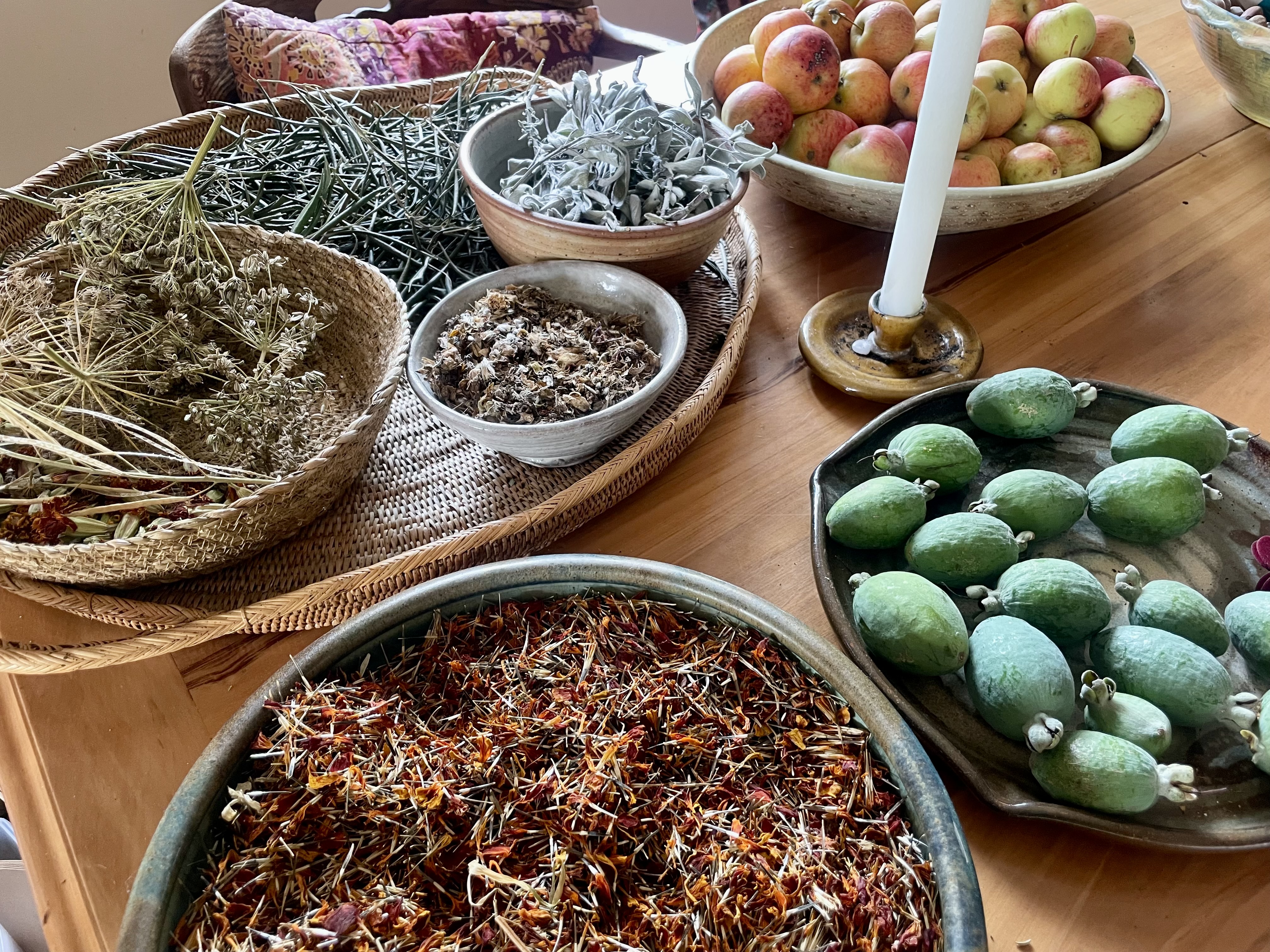
    (Above: Our kitchen table is a busy surface with often-changing bowls and baskets reflecting what is going on in the garden and the foraging season: things drying or waiting to be processed.)

    Autumn is my favourite season and, as a permaculture household, a busier season than summer with our labours to ‘capture and store’. There’s lots of picking and gathering and then kitchen work processing everything.

    (Above: Last sunday morning’s harvest chore was bottling a box of apples from our friend Bev’s orchard. These will turn into crumbles or top our porridge this winter.)

    Last week I gave my potted white sage plant a prune, ready to overwinter it in the greenhouse. White sage is a desert plant, native to the American southwest and Mexican northwest, so it doesn’t love the Manawatū winters.

    In the summer, I put it outside in full sun then prune it down to almost sticks at the end of summer and put it in the greenhouse where it sulks the winter away…but it (just) survives. Mine is about six years old now.

    (Above: white sage prunings, cotton thread. It’s on the sofa because I made the witch sticks while watching something in the evening. I do a lot of processing tasks (this, peeling fruit, cutting up herbs for tea, seed saving jobs) on the sofa…which might seem a bit odd…but I don’t see it as much different from knitting or hand-sewing in front of the TV. Does anyone else do this?)

    The prunings can be turned into what I call ‘witch sticks’ for burning by folding up the leaves on the stalk, weaving and rolling them longways and then tying with cotton thread. (Never use synthetic thread: it will melt and emit toxic smoke.) When the leaves have all burned down, you can burn the stalks, too.

    (White sage is a plant sacred to Indigenous people in USA and Mexico, so if you want some…have a go at growing it rather than buying imported sage. White sage is overharvested in the USA particularly. In ‘A Forager’s Life’, I write about alternative plants to white sage for making cleansing/burning sticks.)
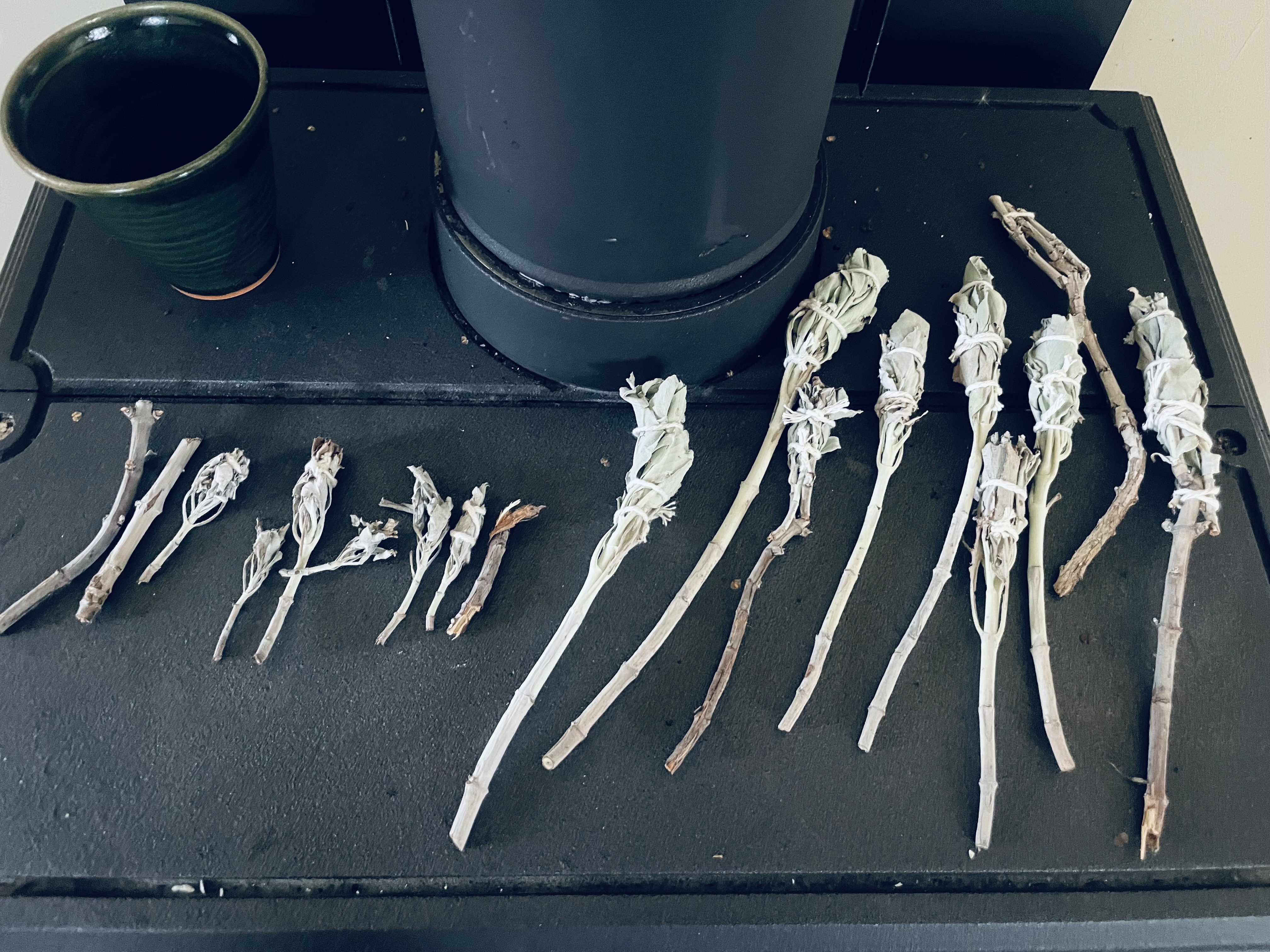
    (Above: I got eight decent witch sticks, plus some smaller bits and pieces of stalk…all of which can be burned. Here they are drying on my fire top.)

    I see a lot of ‘how-to’ articles about making cleansing/burning sticks around…but they often forget a detail which I think is important. For them to burn well and safely, don’t wind the string around and around the bundle, securing only at top and bottom. This will mean your stick will fall apart as the thread burns and you could have a higher risk of embers dropping off it. Instead, tie it tightly with small pieces of string at regular intervals, like in this photograph:
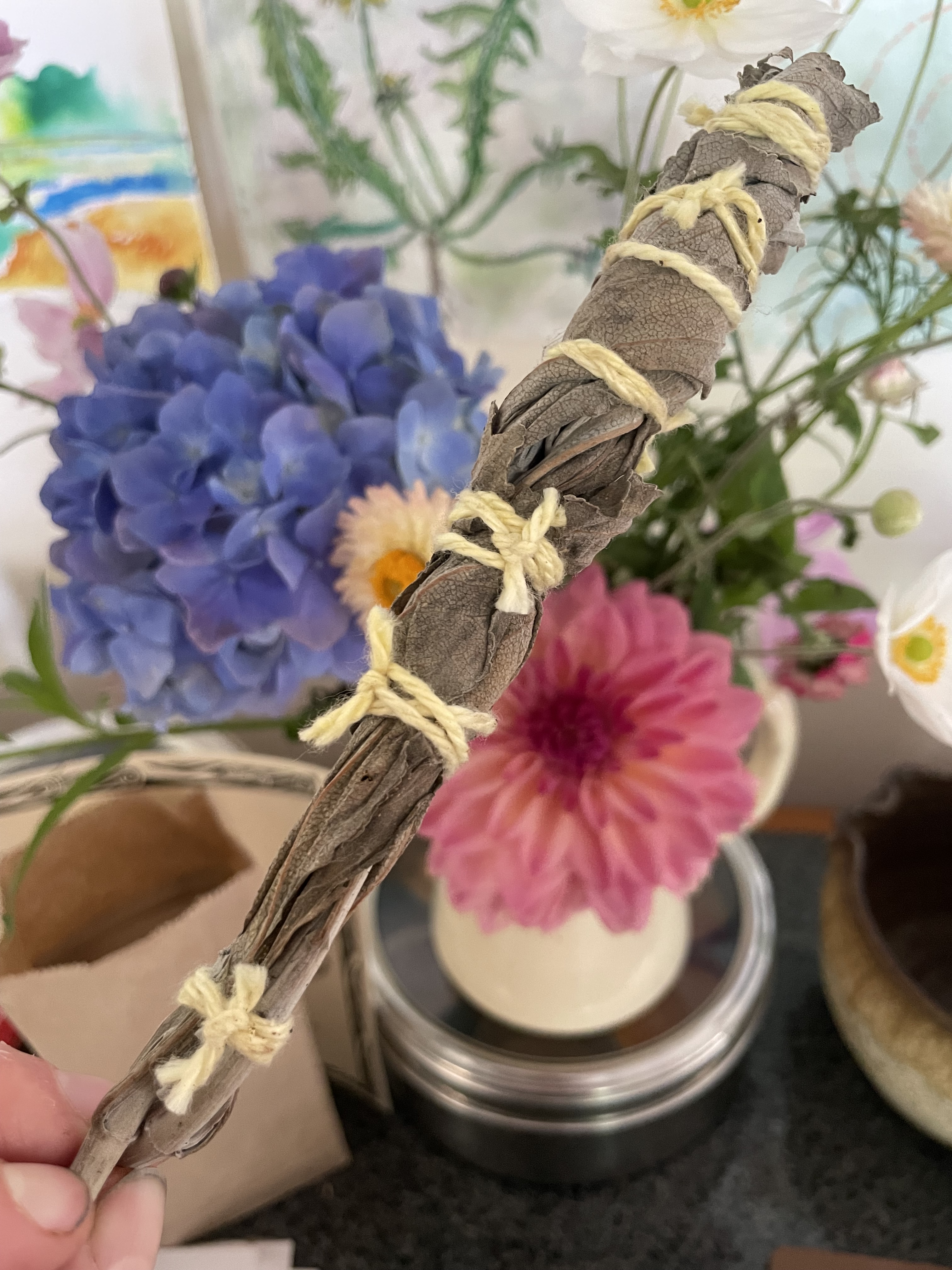
    (Above: please forgive my ‘dirt manicure’ as garden writer Gayla Trail calls it. I scrub* my nails regularly but folks who ‘touch soil’ (which is ilke ‘touching grass’ only more grubby) every day struggle to have photogenic hands. ((I have to buy a new nail brush every couple of months…so intent is my endless scrubbing.))

    Do you have a favourite season or are you one of those calm, rational people who loves them all equally?

    I’d love to hear what kitchen or garden chores you’ve been doing lately. Let me know below.

    “As long as autumn lasts, I shall not have hands, canvas or colours enough to paint the beautiful things I see.”

    -Vincent Van Gogh

  • Apple season

    Apple season

    Apple cheeks, apple weeks, the race against the birds…

    The inherited tree which has the codlin moth – I know it’s time to strip the tree when the birds begin to peck at the apple tops – this means they are sweet and ready. Cutting around the moth tunnels, making apple sauce which turn into breakfast or crumbles or just eaten with a teaspoon standing at the fridge when I realise I’m starving but have to do the school run in two minutes. (I continue to ‘battle’ against the codlin moth. They are determined creatures.) The commitment of using seasonal abundance. It’s a gift, sure, but it’s work. Sometimes hours and hour of work. Sitting at the table, making the meditation ‘can I take all the peel off in one go?’ Buckets and buckets of practice later tell me that I can’t, but it’s fun trying.

    apples_2 apples_3

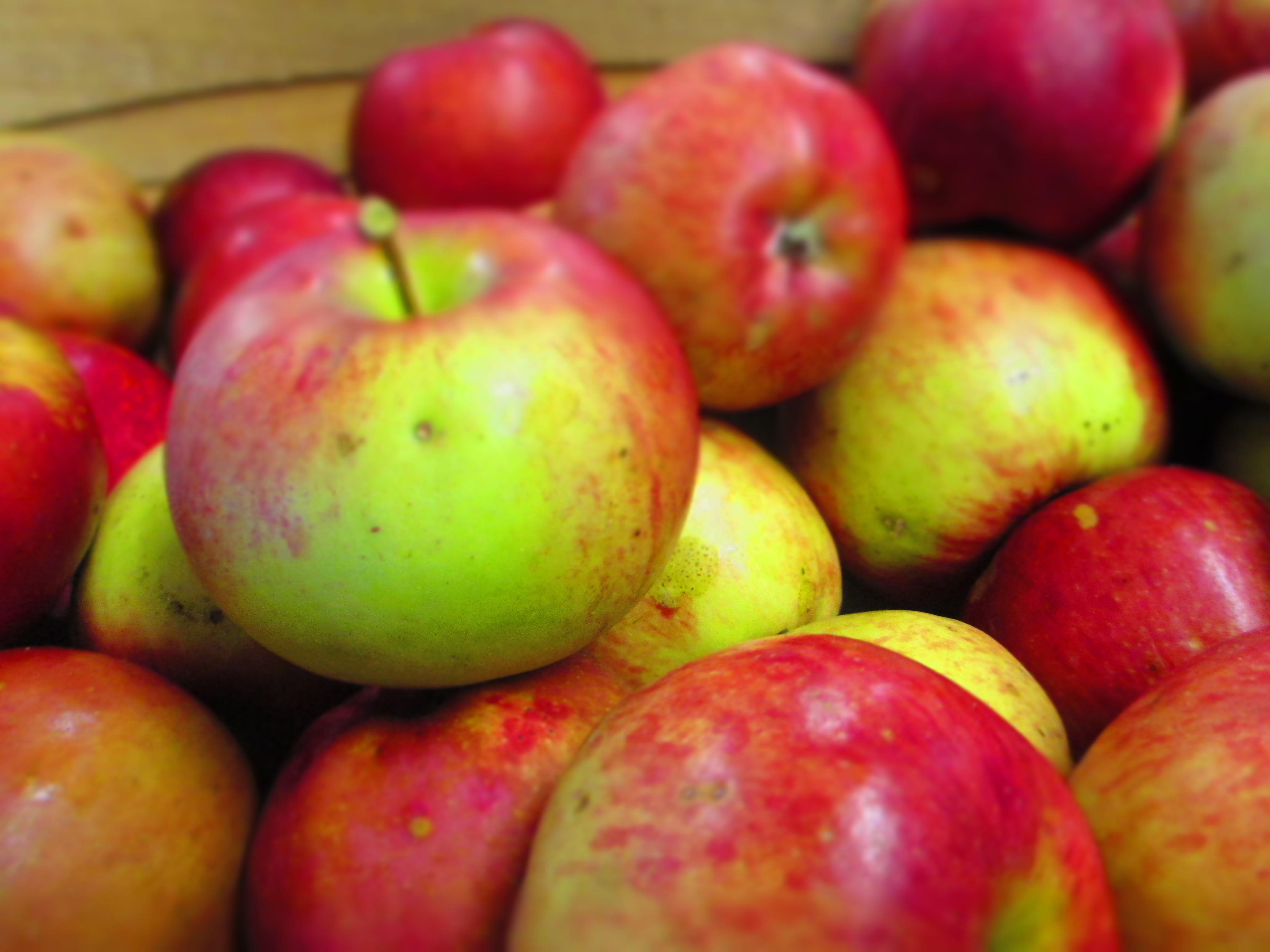
    The Ballerina apple tree which was a wedding present 20 years ago, and moved with us from flat to flat in a big pot, finally planted into the ground here and produces the most beautiful green and red apples, like the ones from Snow White…

    apples_1

    This tree on an abandoned section – the way fruit trees give and give, regardless of how they are tended or neglected. Walking onto ‘private property’ to pick the apples. Respecting the tree’s gift more than the human’s claim. Not wanting the generosity of the tree to go unnoticed, unappreciated. Leaving plenty for the birds.

    apples_8

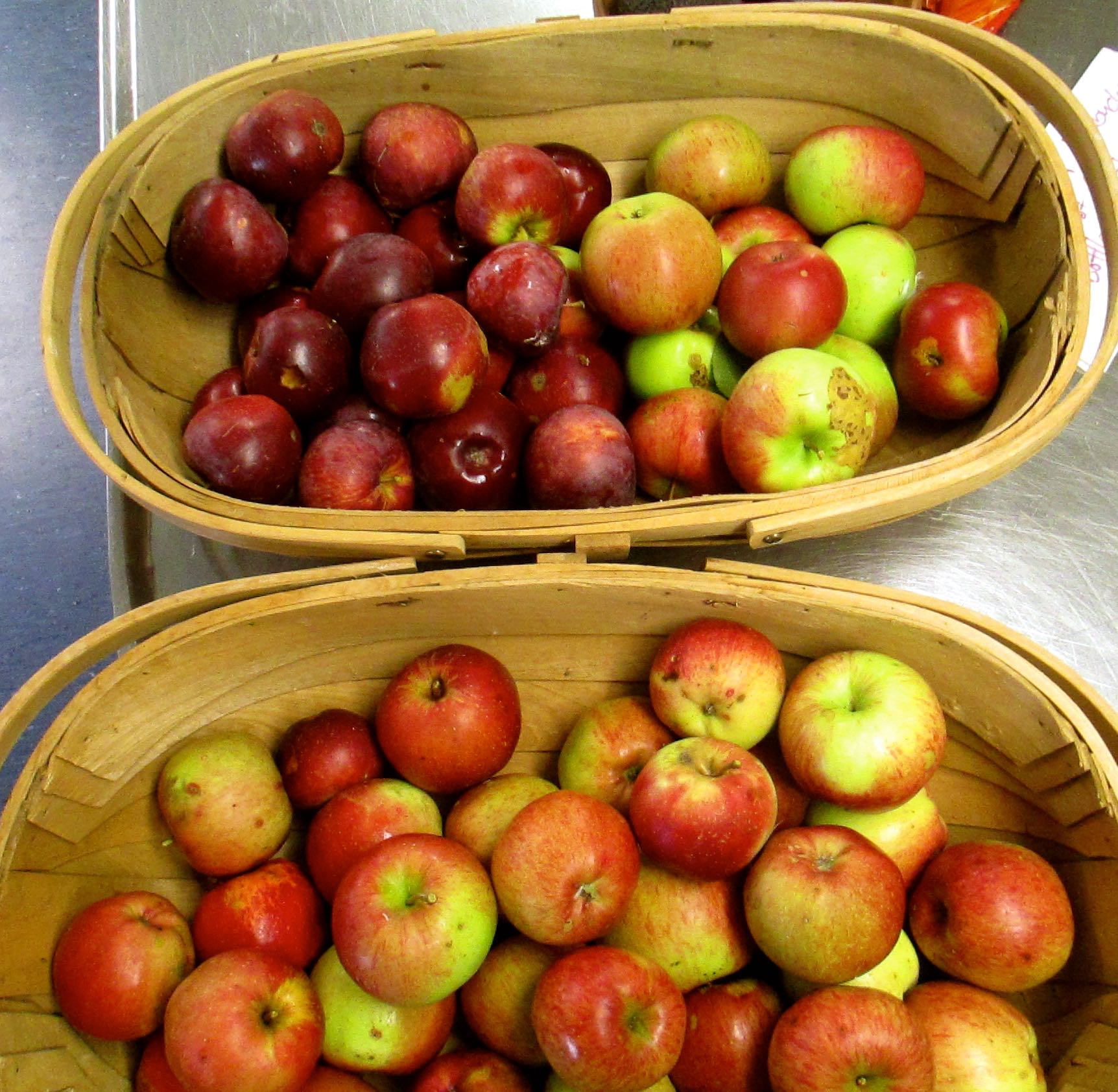
    At my permaculture course, Duncan brings two beautiful baskets of apples from his small farm. Four heritage varieties – enough for everyone to take a few home to taste. On the permaculture course, people are passionate about plants, about fruit trees, about the earth. People have strong opinions – in discussion time the debates are weighty, rich, sometimes a little heated…but at lunch time, we sit around munching Duncan’s apples. That they are fine, crisp, tasty apples, we all agree on.

    apples_5 apples_6 apples_7

    The beauty of the simple backyard apple, wet from being rinsed in cold water, fresh-picked off the tree.

    apples_4

  • the L-family’s beautiful permaculture garden

    One of my favourite things to do is to visit other people’s vegetable gardens and have a good nose around…I always learn so much and get inspired to go home and get into my own.

    Here are some photographs from a beautiful, well-established permaculture garden on the Kapiti coast I visited in late spring last year.

    Here is their garden photographed from just beyond their porch, you can see this from the house:

    aands_1

    I loved the way they had their main crops (potatoes, corn) in large clear beds, their salad crops growing more ‘wildly’ in the shadey edges, and they had planted an orchard at the foot of the garden which doubles as the chicken run…the chickens keep the grass from around the base of the trees (most fruiting trees don’t like grass growing around their bases), and the chickens fertilize the trees with their poo…meanwhile, the trees offer shade to the chooks, and food, too. (Unfortunately for my chickens, the two huge trees in their run are feijoa trees, and it seems chooks don’t like feijoas, so no happy harvest for my lot!)

    aands_2

    Everywhere I turned there were different crops – here you can see salad vegetables, calendula, dark leafy greens and garlic…

    aands_7

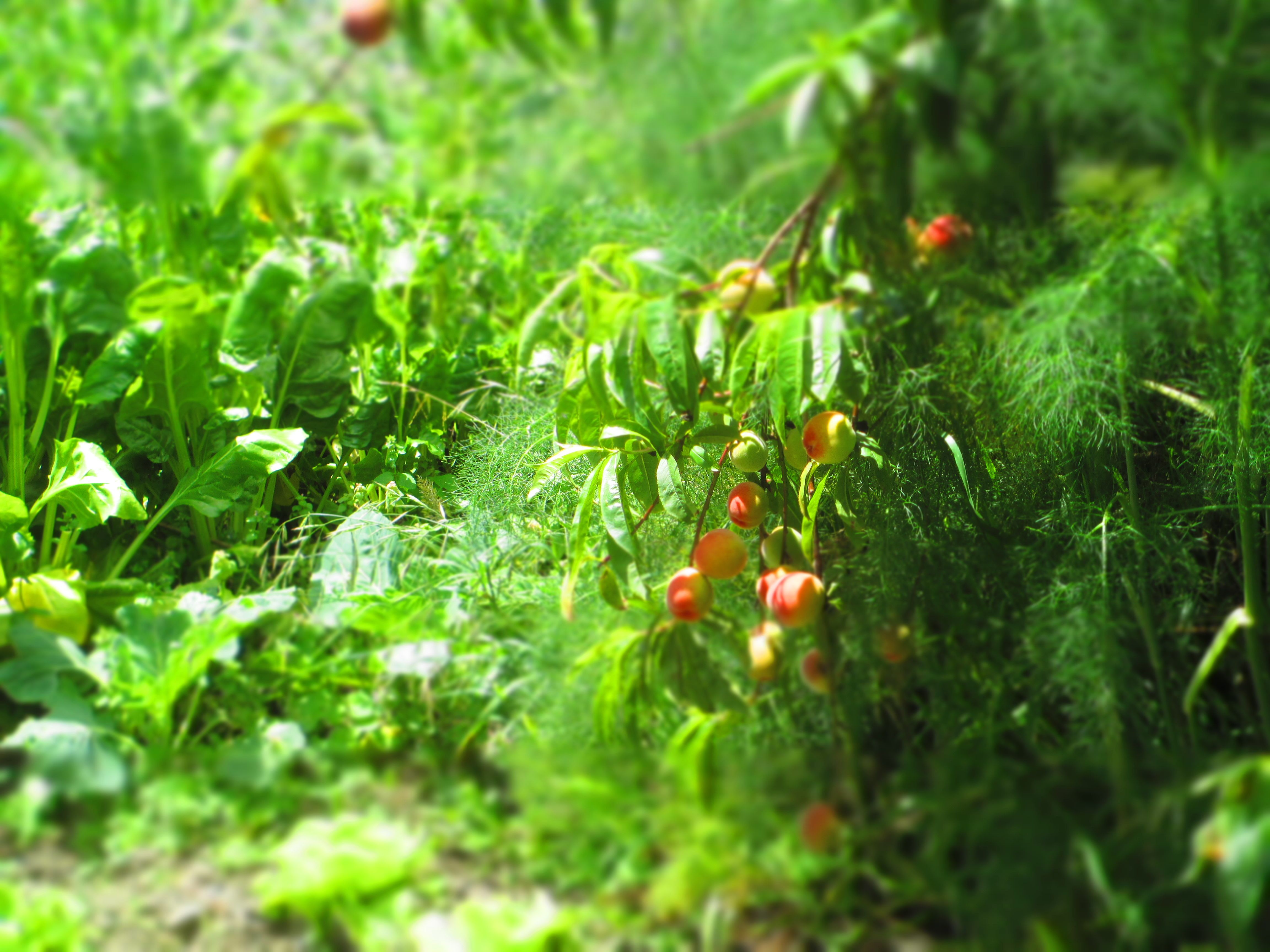
    Near the house was an absolutely beautiful peach tree sorrounded by fennel, with flawless fruit dripping off it. I sat under it for a while – it sure was a special tree – and took a bazillion photographs…but I’ll just share a couple with you here as you may not find photographs of peaches so mesmerising as I do.

    aands_8

    aands_9

    Beautiful hand-woven baskets and seedling pots made from newspaper…

    aands_4

    aands_5

    I noticed they had a ground cover of red clover, too.

    aands_10

    I have another vegetable garden visit to share with you, soon. I hope you enjoyed this one!

  • Walnuts, irises, peas….

    Over autumn I foraged HEAPS of walnuts, plus my parents gave me a big box….they’ve been drying off for six weeks. I’ve just started cracking into them and they are good, fresh, earthy, delicious. Now I have a happy walnut glut and will be thinking of ways to use walnuts so if you have any good recipes or food combinations, let me know! I started with cake, because…..cake. I made an Alison Holst Date & Walnut Cake recipe, a rich combination of finely chopped dates and walnuts with only two tablespoons of flour! I made ginger icing for it and we devoured it for afternoon tea. It was more like a pudding in consistency….no bad thing!

    walnut_cake

    On Saturday, I bought these irises at the vegetable market and also a twin bunch for my mother who was visiting. When I bought them they were very tightly closed. She took hers back to Taupo. Mine all opened at the same time the next day, hers didn’t open until today! Swamp-plain versus mountain-plain, I guess. What do plants MAKE of being shipped away from their home-terroir? Do they feel it?

    iris

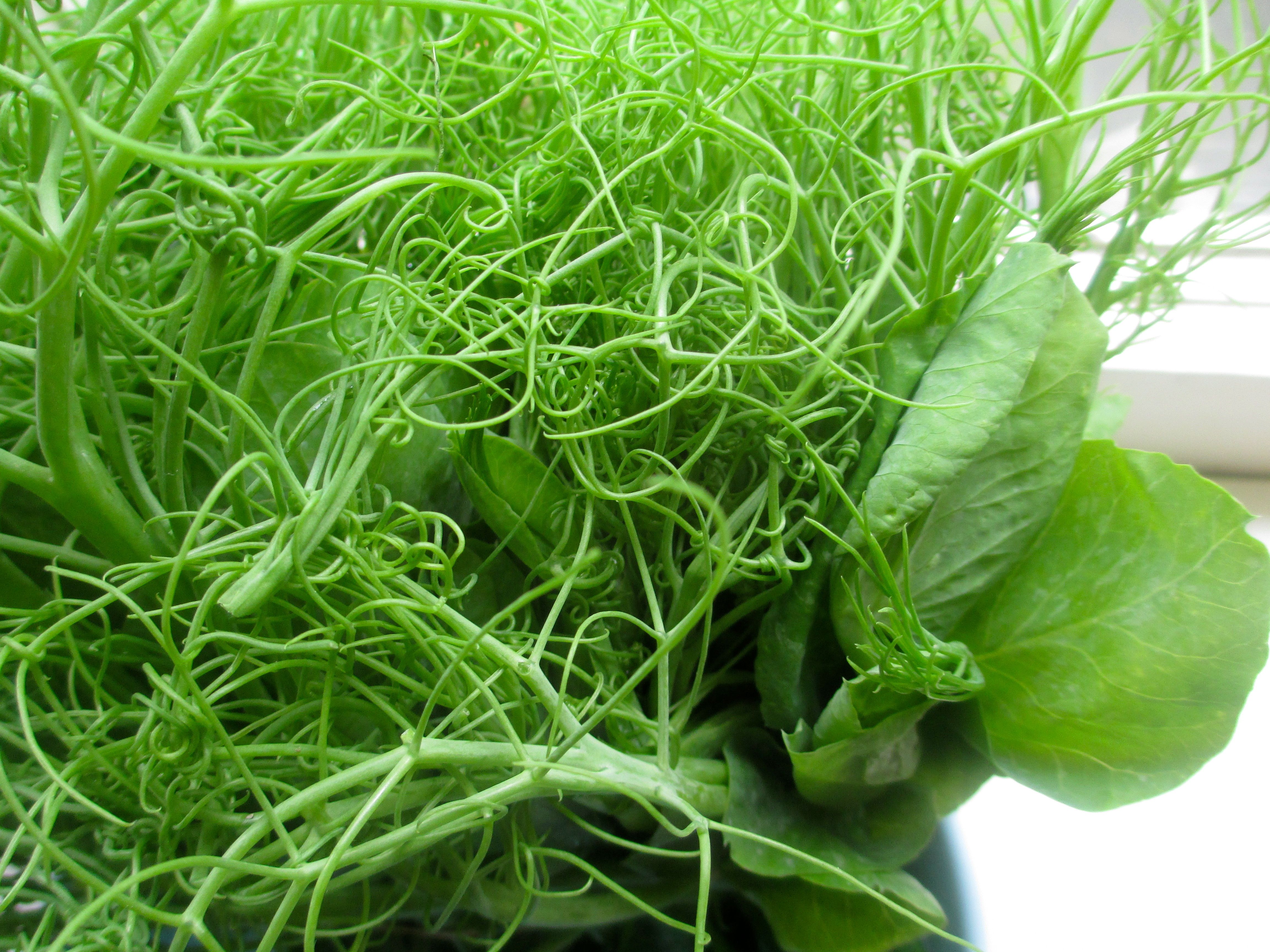
    Finally, also at the vegetable market I bought this bunch of pea tops. I have a bit of a fetish for pea plants – I love them! Something about those curly little climbing tendrils makes me feel all strange and happy. I hadn’t seen such a thing for sale as a vegetable before. I would be happy to buy them every week!

    peas_1

    They taste slightly of pea, but mainly just of chlorophyl, of healthy green. I ate them in sandwiches and threw them into a soup I was making.

    peas_2

    I am writing a long, ongoing poem about vegetables in the vegetable garden and the way they grow. It’s an odd project – I’m trying to capture each plants ‘essential nature’ in a short 4-8 line stanza. Why am I doing this? I don’t know…a combination of fun and to get to know the things I grow more intimately? Here is the ‘pea’ stanza:

    peas_3

    Pea:

    fragile bright filigree

    upwards gentle

    spirals intently

    tiny hands holding

    tender opaque baby

  • mycology walk

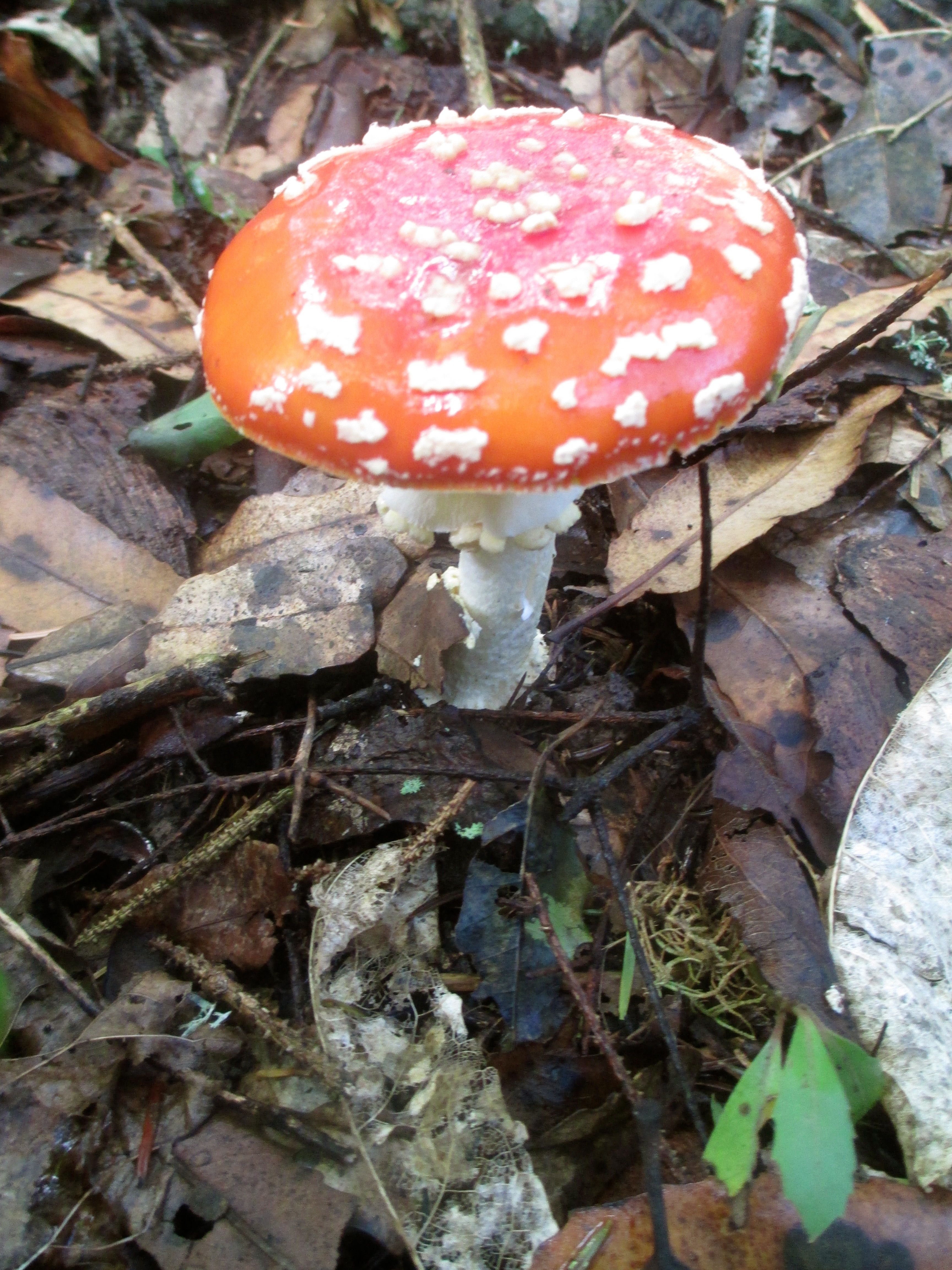
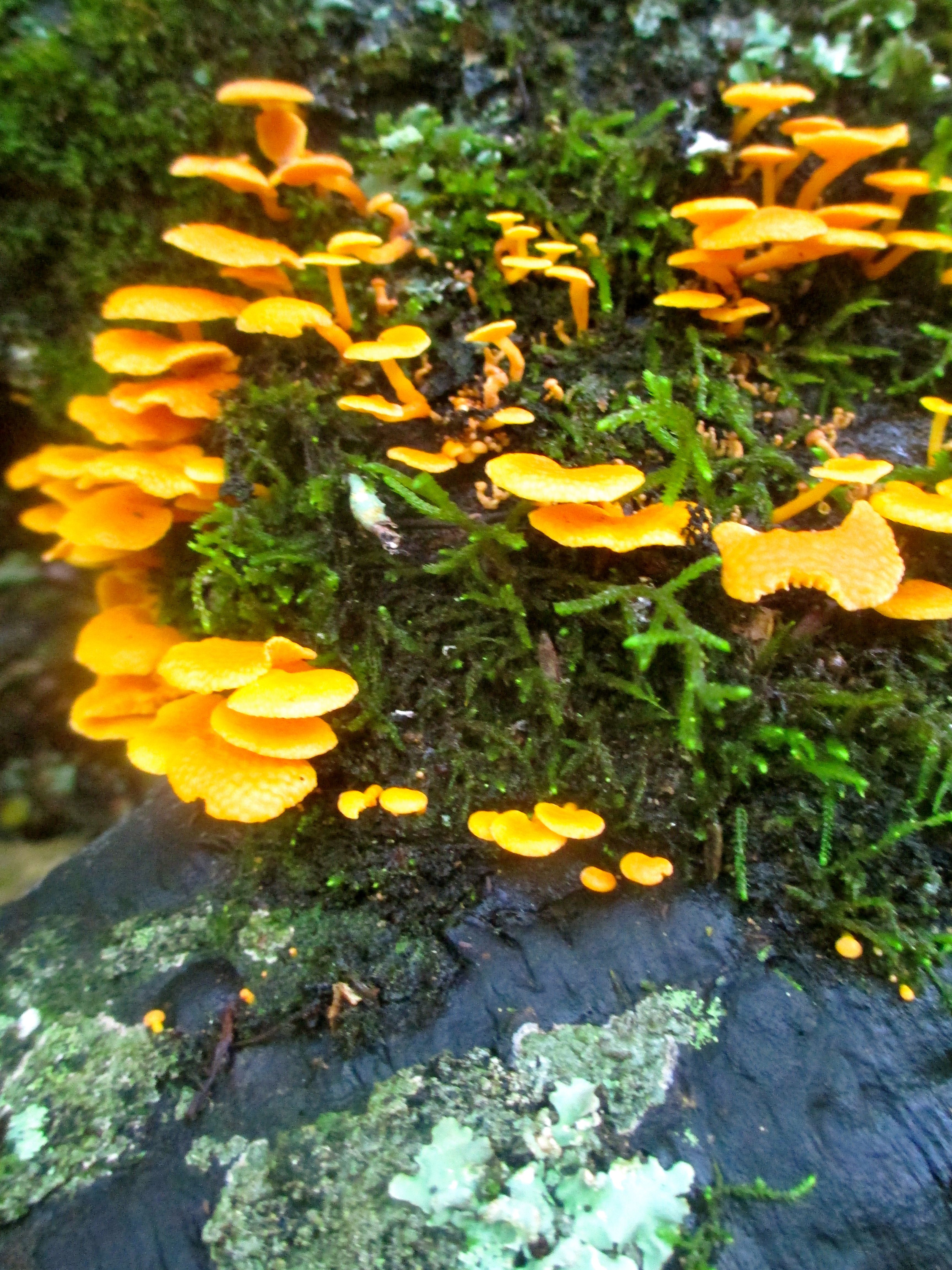
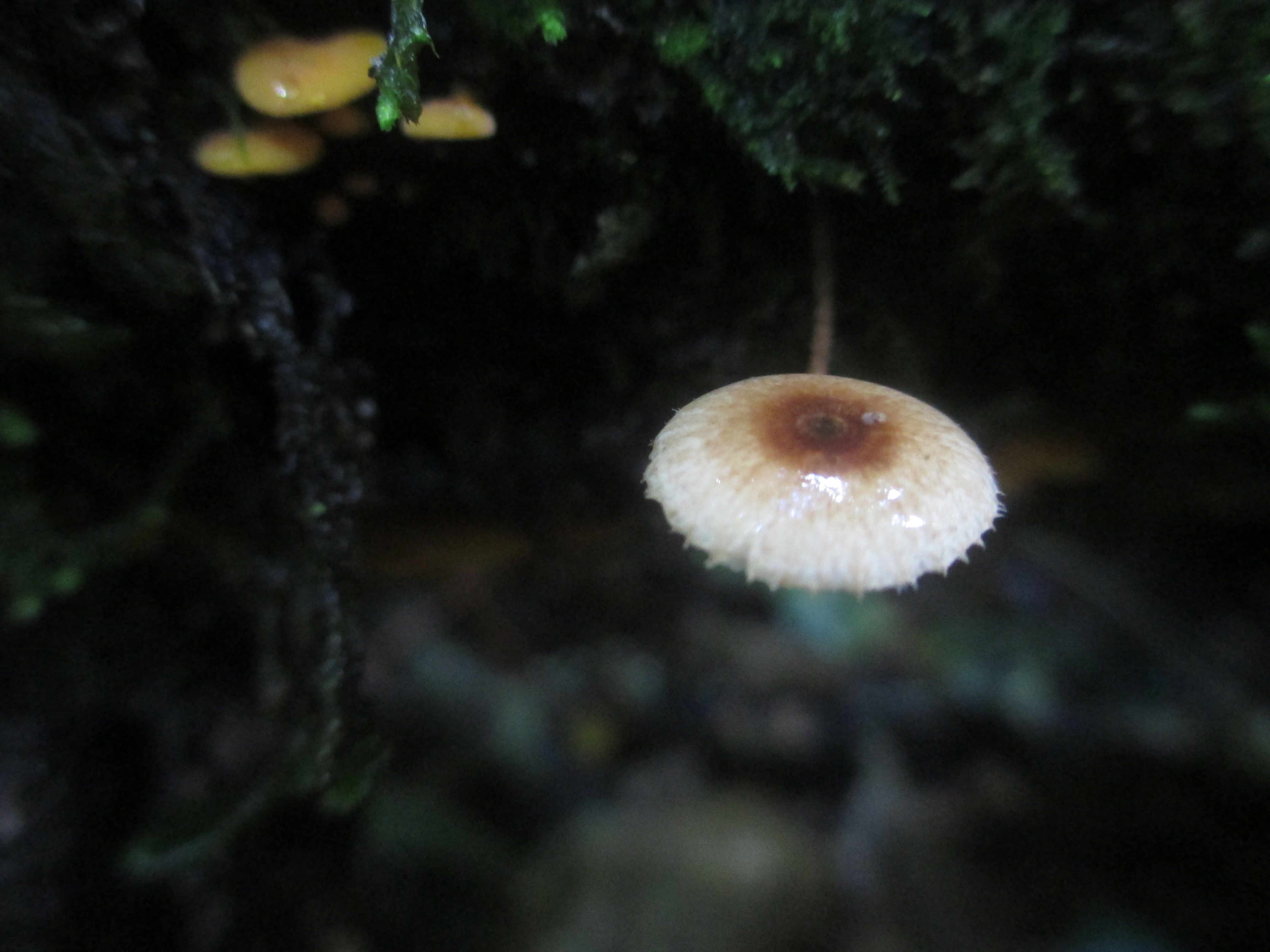
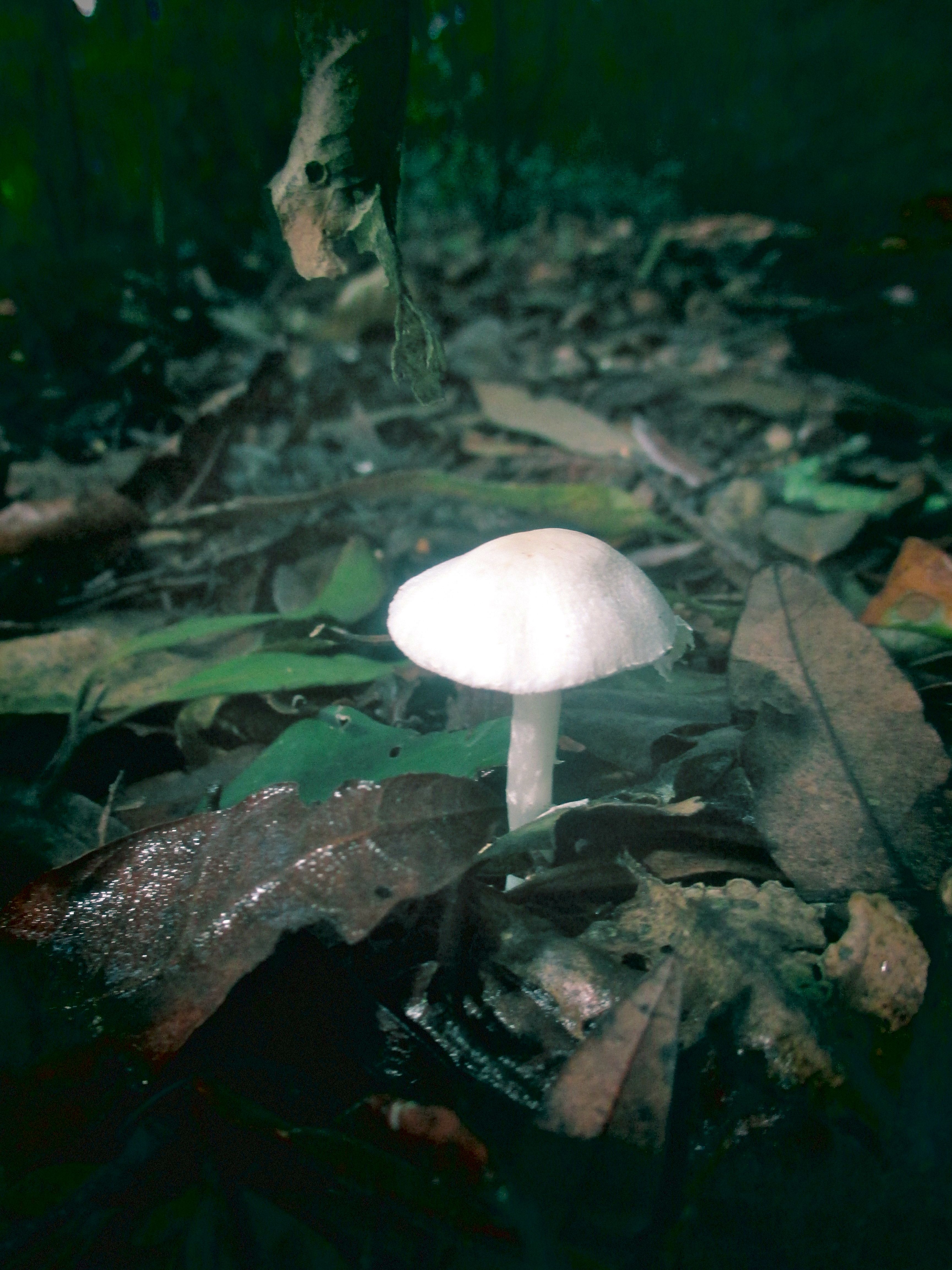
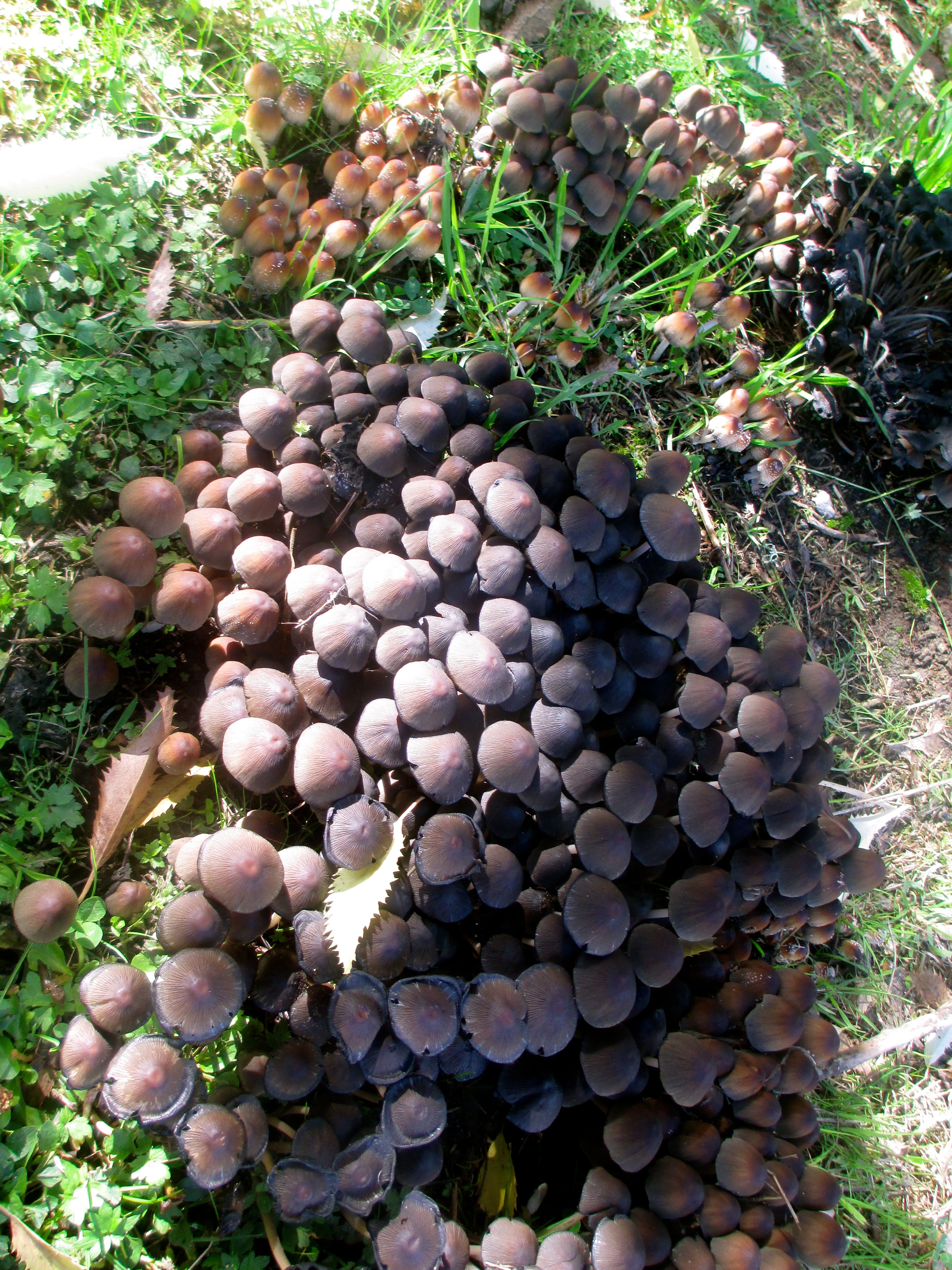
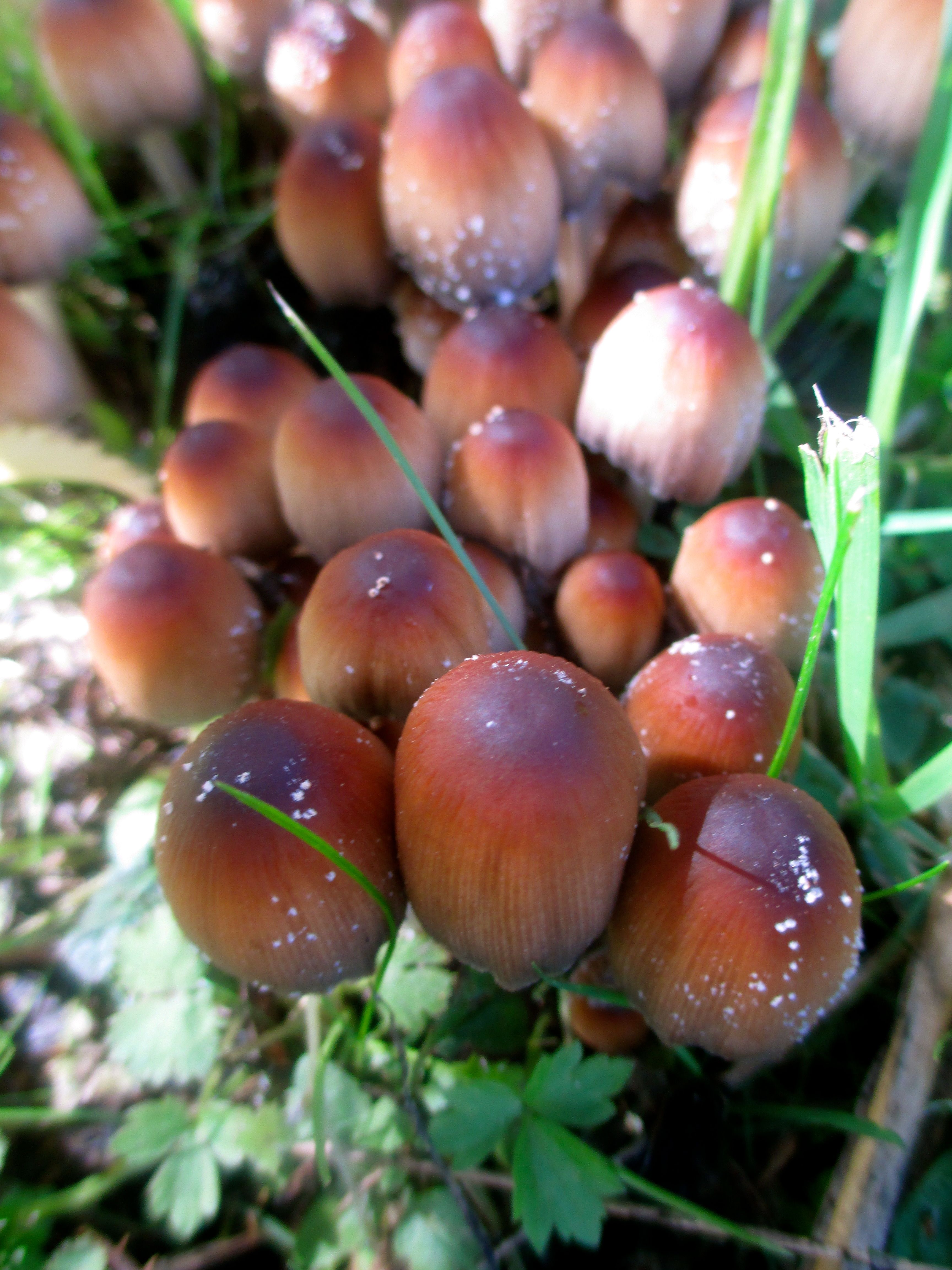
    Last weekend I had a yearning to go on a mushroom/toadstool hunt in the bush.  I took my family out for a ramble around a bush track on the Woodville end of the Manawatu Gorge, looking out for autumnal fungi. I was not disappointed!

    myc_5

    myc_6

    There were some wonderful red toadstools.

    myc_1 myc_2 myc_3

    Bright orange fungus:

    myc_7

    Tiny ethereal mushrooms (hard to photograph! This one was not much bigger than a pea and I liked the way it was growing upwards towards the light from underneath a log.)

    myc_8

    myc_9

    Warty armies of toadstools:

    myc_11 myc_10

    Odd phallic looking ones with speckles:

    myc_13

    I don’t know enough about wild mushrooms to know if any of these are edible, so I let them be and just took photographs.

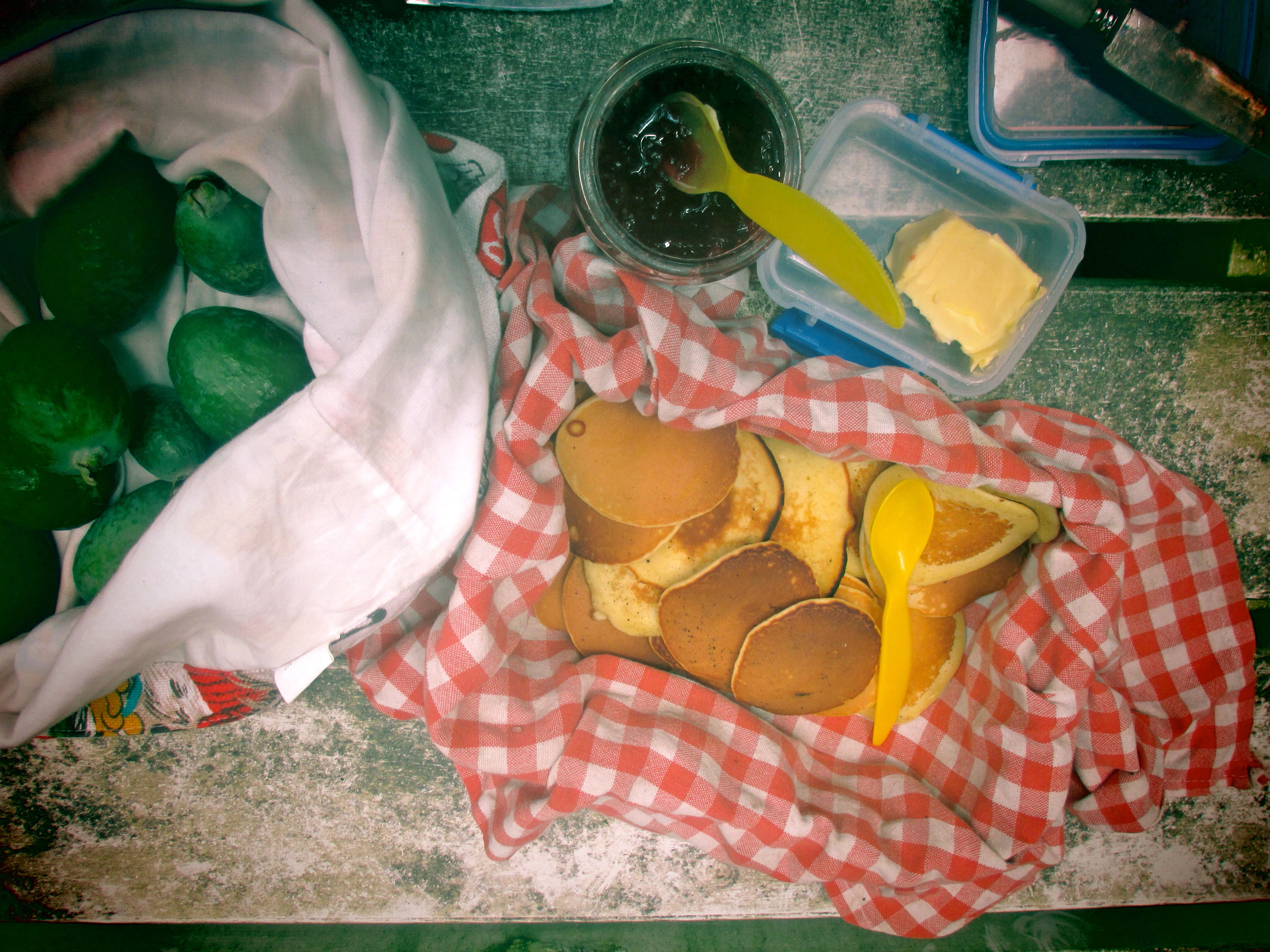
    After our walk, we stopped for a simple picnic of pikelets and feijoas.

    myc_14

    Back home in the fridge was a package of field mushrooms a friend had picked from her farm. I cooked them in garlic, onions and lots of green herbs, stirred in cream right at the end of cooking and ate it on pasta. Amazing.

    myc_15

  • Stop!

    I spotted this sign in the small town of Norsewood….but I wish it would pop up in front of me at times when I have made questionable choices or ill-advised decisions.