Category: foraging

  • Winter is a great time for harvesting volunteer ‘microgreens’ from your garden (or local park)

    (Above: today’s bounty from a little wander around my own garden.)

    Do you buy sprouts, bags of mesclun mix or microgreens from the supermarket?

    Winter is a great time to find volunteer (‘weed’) microgreens, or young greens, around your garden or local park for FREE!

    Because of winter’s rain and damp, the young weeds will be beautifully bright green, healthy and not heat-stressed.

    To share some likely contenders with you, I took a walk around my small urban yard and here’s what I harvested.

    I took care to only harvest volunteers/weeds and nothing that I’d planted intentionally. (Violet grows like a weed in my yard.)

    The trick is to just harvest the young leaves, or the tips in the case of the dead nettle.

    These wild ‘microgreens’ can be used in a salad, or chopped and sprinkled on top of soup, or in sandwiches, or blended into a smoothie…the same as you would use supermarket or homegrown microgreens.

    I numbered the plants for ease of ID-ing them:

    1. Nasturtium leaves. These are peppery in flavour so great in salads and on sandwiches, not so great in smoothies.
    2. Dead Nettle tips. Great stand-in for lettuce.
    3. Young violet leaves and flowers. Use in salad or cook as your would spinach.
    4. Young ribwort plantain leaves. Important to pick the young ones as the older ones get stringy. The young leaves have a nutty flavour.
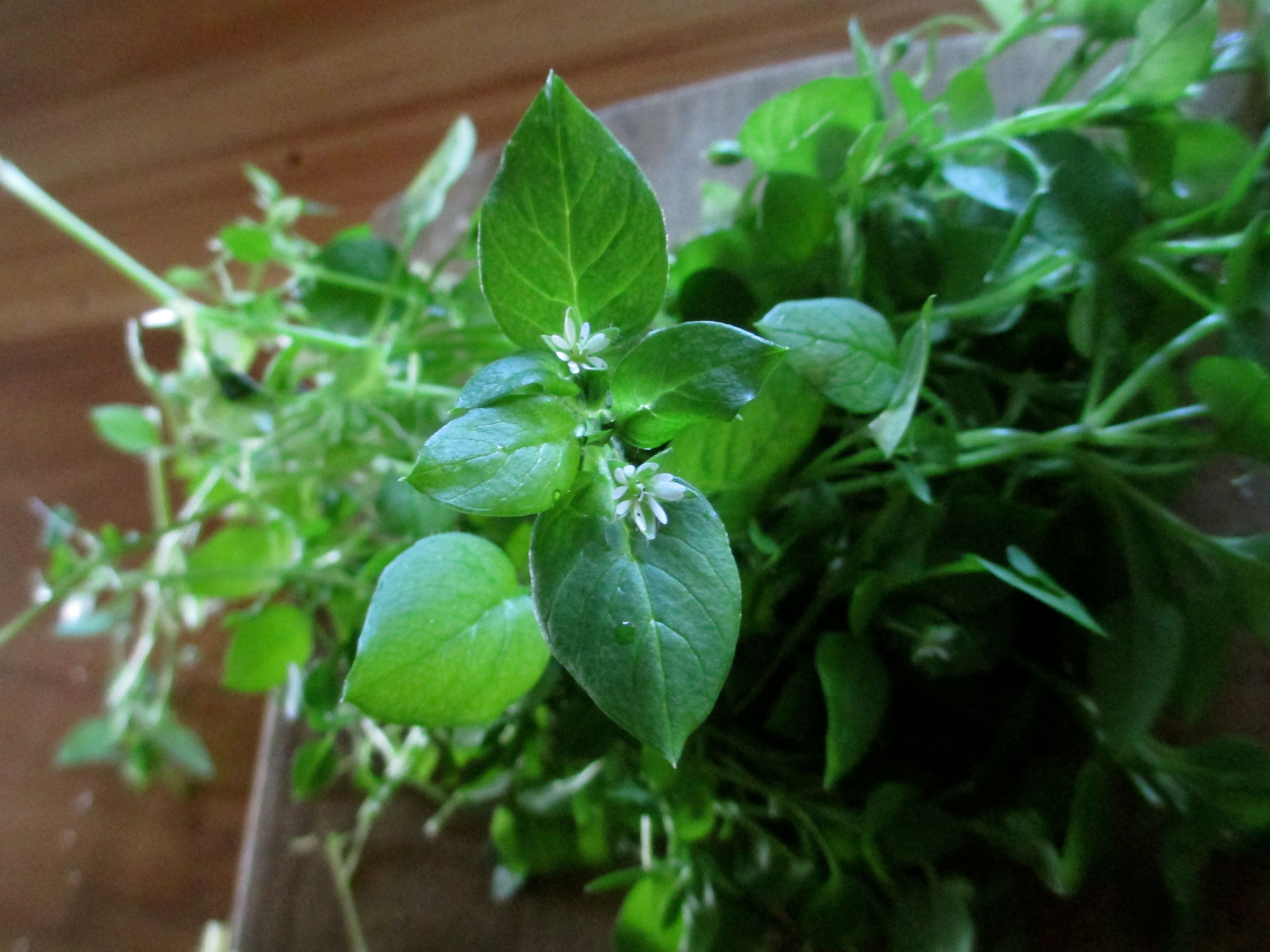
    5. Chickweed. Such an enthusiastic garden volunteer. Use the young growth and chop finely.
    6. Young dandelion leaves. These add a nice bitter element to a salad or sandwich. Not so great in smoothies.
    7. Oxalis (known in the UK as ‘wood sorrell’ and the USA as ‘sour grass’) Has a sour, lemony flavour similar to sorrell. Use just a little at a time as it contains oxalic acid. Treat it more like a herb than a main vegetable.
    8. Young mallow leaves. Mallow (also know as ‘Malva’) is a much-used vegetable in Middle-Eastern cuisine and parts of Italy. You can make dolmades with the leaves in place of grape leaves, making it useful during the winter when there are no grape leaves about. Young leaves are good in salad or cooked like spinach.

    & of course, these plants have medicinal properties as well, (most plant food does.

    I hope this inspires you to have a close look at what might be growing in your own back yard and save yourself a little money (or time) by eating some of the weeds around you.

    Let me know in the comments if you have any questions.

    Do you eat any of the weeds in your garden?

  • fennel from the river

    (Above: My favourite selfie, out foraging beside the river.)

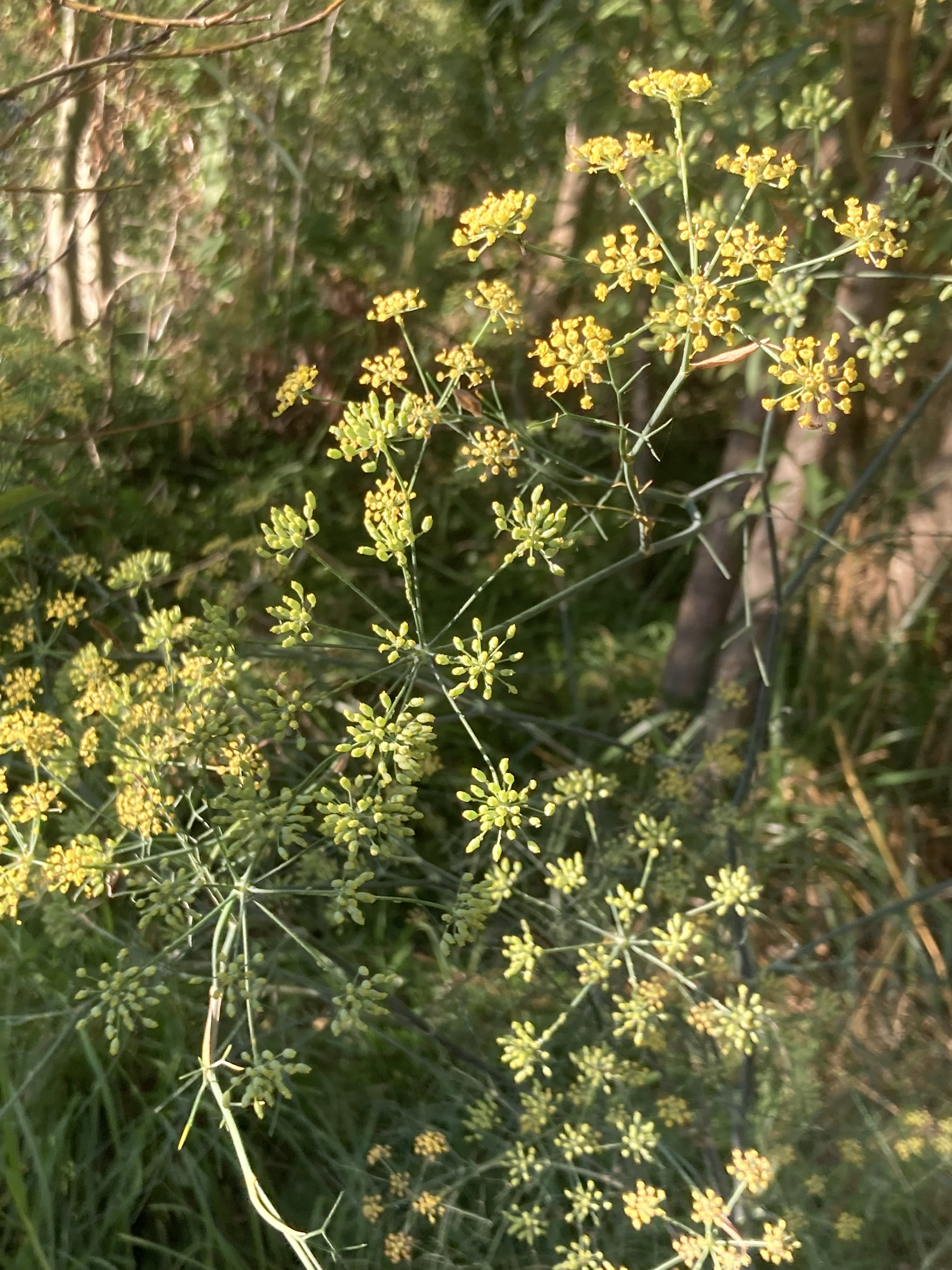
    In autumn, I forage for fennel seeds. Along the Manawatū river, the fennel plants are plentiful. This year, it’s been such a warm autumn, there is still fennel in flower as well as the older plants going to seed. I find fennel such a beautiful plant in all it’s stages: the bright green fronds of early spring, the sunny yellow umbels of summer…then the handsome dried seed heads of autumn.

    (Above: A ‘fennel tunnel, fennel tunnel, fennel tunnel’ < a little phrase from my foraging book.)

    Fennel is an enjoyable thing to forage for because each plant is so laden with seed heads that it’s easy to forage enough for the pantry in just a couple of walks. I fill up this 500ml jar and it lasts me a year of curries and pickles and tea.

    (Above: yellow fennel flowers going to seed.)

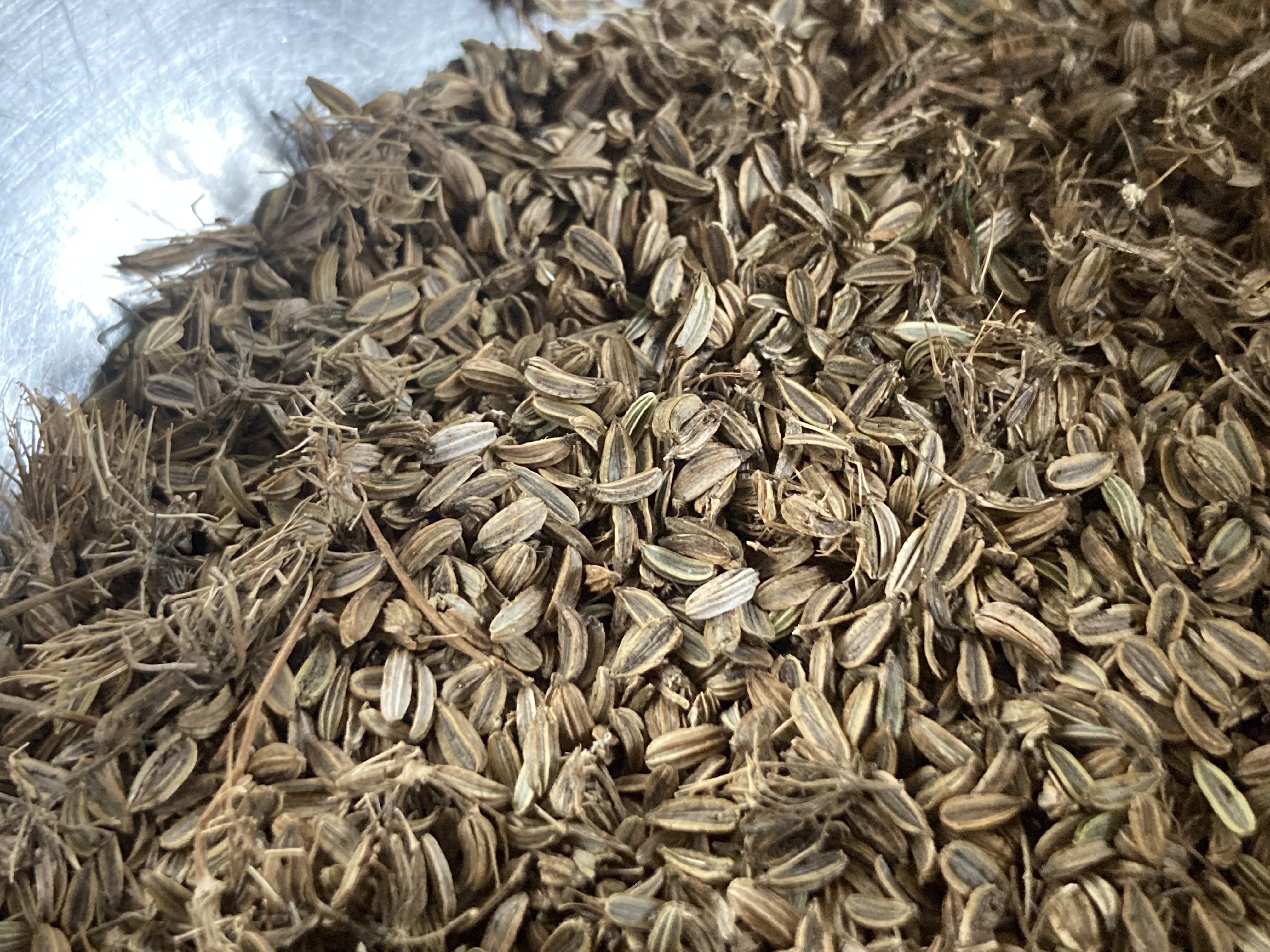
    I take secateurs with me and snip some of the seed heads that look grey and dry. Although they are probably dry enough off the plant, I leave them on a tray on my kitchen table to dry more…just to be sure they are totally dry. Then I rub the seeds off over a large bowl.

    (Above: the fennel seed heads drying a little longer at home.)

    I have an interest in Ayurveda. Fennel seed is highly-valued in Ayurveda for it’s digestive properties. In some Indian restaurants, they offer tea spoons full of tiny coloured sweets as a digestif after your meal. These are sugar-coated fennel seeds.

    (Above: The fennel seeds fresh off the seed heads before I sort through and get all the little bits of flower head out.)

    Here is a recipe (well, more a proportions guide) to a digestive tea I make with my foraged fennel seeds. I get the fenugreek from my local Indian supermarket and the licorice root powder from Pure Nature. Fenugreek has powerful digestive properties and can help regulate blood sugar, too. Licorice powder aids digestion and adds sweetness to the tea blend. Ginger helps with digestion also and tastes wonderful.

    Digestive Tea

    One part fennel seeds

    One part fenugreek, seeds or leaves

    One part licorice root powder

    One part ginger powder

    This tea is great to have first thing in the morning to awaken your digestive fire, or agni as it is called in Ayurveda. It’s also good to drink about an hour after a meal to calm the stomach, prevent flatulence, help with digestion.

    *

    I have an avid interest in folk herbalism so I tend to mostly make medicinal things with my foraged finds.

    Autumn is a lovely time for foraging…less chance of getting sunburn and so much to see everywhere! I’ve been enjoying looking at all the different fungi friends who emerge this time of year, picking up windfall eucalyptus leaves for eco-dyeing and harvesting mullein for making winter medicines with.

    What have you been foraging or harvesting?

  • The poem I needed right now, from Mary Walker

    The poem I needed right now, from Mary Walker

    My friend, the writer Mary Walker, recently invited her Instagram followers to request a poem for a particular mood or need. She said she would see which of her poems came forward as answering the request. Mary is a sensitive listener -of both people and the land- so I immediately took her up on the call.

    Mary’s invitation…

    I have a new book coming out next month. It’s a funny thing…publication is both a writer’s dream…and yet is not without it’s challenging elements. It can feel so strange and exposing. Each time I’ve done it I feel a very odd mix of elation and also queasiness and vulnerability. As writers we hope our offerings will be met with kindness, generosity…but once the book has gone from the writer’s mind to becoming a tangible artefact – all control is lost and the work must be let go to have a life of its own, for good or ill.

    So I asked Mary for a poem for ‘vulnerability and visibility’.

    Here is what stepped forward for me…

    Mary’s ‘Wild Fruit’

    A more perfect poem I could not imagine. I was moved to tears when I read it.

    Mary can’t know this (and yet somehow she did) but my book opens with a scene about me picking blackberries as a child…and about blackberries as a powerful edgeland plant with much to teach us about boundaries, courage and tenacity. Mary gave me just the poem I needed…at the moment I needed it. I cannot thank her enough.

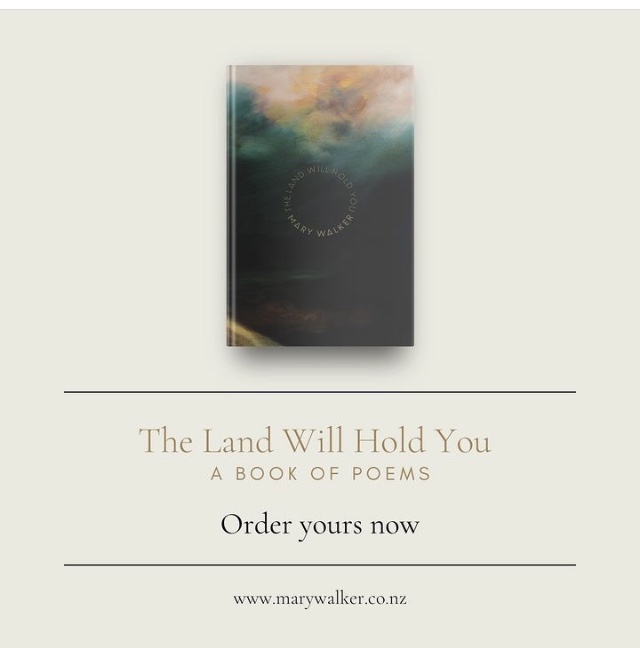
    Mary’s new book is available for order now. Her poems reveal her deep enmeshment with the land and a fearless engagement with all of the challenges of being a deeply-conscious human in this world. Thank you, Mary, for this timely gift. Thank you for gifting blackberry back to me…an uncanny coincidence, a portent, and a sign…that there is magic in this world if we invite it and then listen carefully for the evidence.

  • Communitea

    Communitea

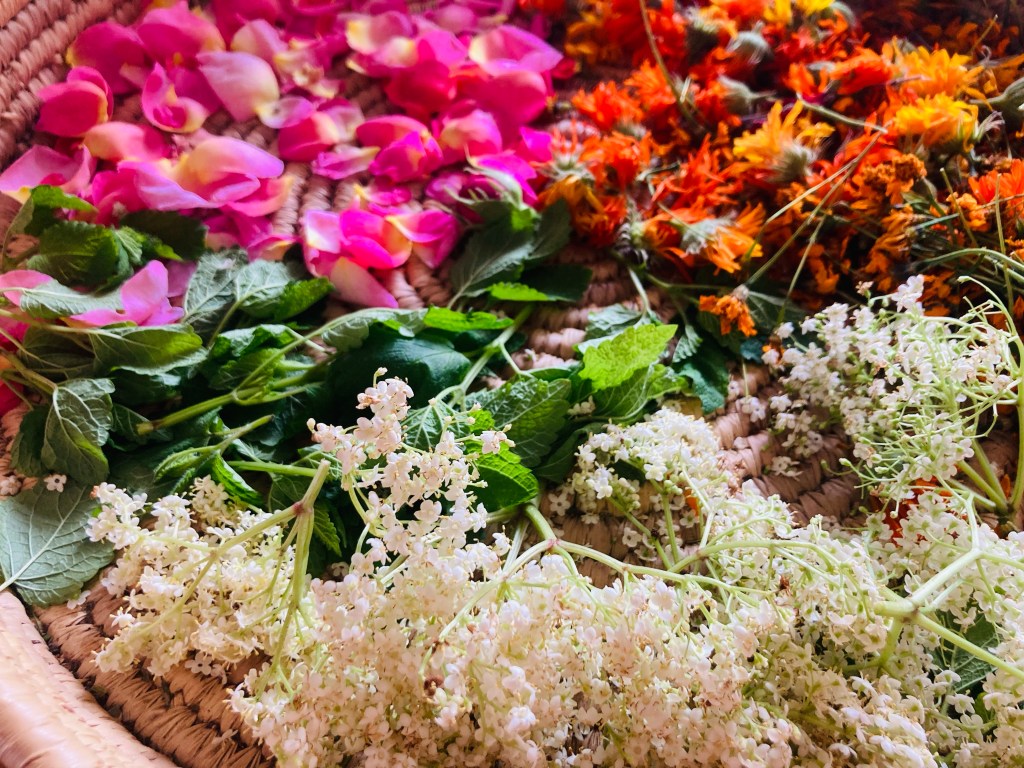
    Over recent years, I’ve started making large amounts of what I call ‘communitea’…herbal tea blends made from whatever I can find in the 4412 postcode of Palmerston North…the postcode I live in. It’s an exercise in locavorism and sharing and fun. I dry things foraged and grown, cultivated and gifted, rub and snip them into a tea blend and then give most of it away at community events, like garden working bees, crop swaps and garden education activities. Some of the plants that I’ve used include: nettle, various mints, calendula, violet, rose, dandelion, lemon verbena, lemon balm, chamomile, kawakawa, plantain, pineapple weed, elderflowers, Mexican marigold, rose and more!

    Plants from a summer foraging session drying on a basket

    I get a real kick out of sharing small bags of the dried tea and telling folks that it’s from plants that are growing all around them!

    What plants which grow around you do you like to make into tea?

  • Apple season

    Apple season

    Apple cheeks, apple weeks, the race against the birds…

    The inherited tree which has the codlin moth – I know it’s time to strip the tree when the birds begin to peck at the apple tops – this means they are sweet and ready. Cutting around the moth tunnels, making apple sauce which turn into breakfast or crumbles or just eaten with a teaspoon standing at the fridge when I realise I’m starving but have to do the school run in two minutes. (I continue to ‘battle’ against the codlin moth. They are determined creatures.) The commitment of using seasonal abundance. It’s a gift, sure, but it’s work. Sometimes hours and hour of work. Sitting at the table, making the meditation ‘can I take all the peel off in one go?’ Buckets and buckets of practice later tell me that I can’t, but it’s fun trying.

    apples_2 apples_3

    The Ballerina apple tree which was a wedding present 20 years ago, and moved with us from flat to flat in a big pot, finally planted into the ground here and produces the most beautiful green and red apples, like the ones from Snow White…

    apples_1

    This tree on an abandoned section – the way fruit trees give and give, regardless of how they are tended or neglected. Walking onto ‘private property’ to pick the apples. Respecting the tree’s gift more than the human’s claim. Not wanting the generosity of the tree to go unnoticed, unappreciated. Leaving plenty for the birds.

    apples_8

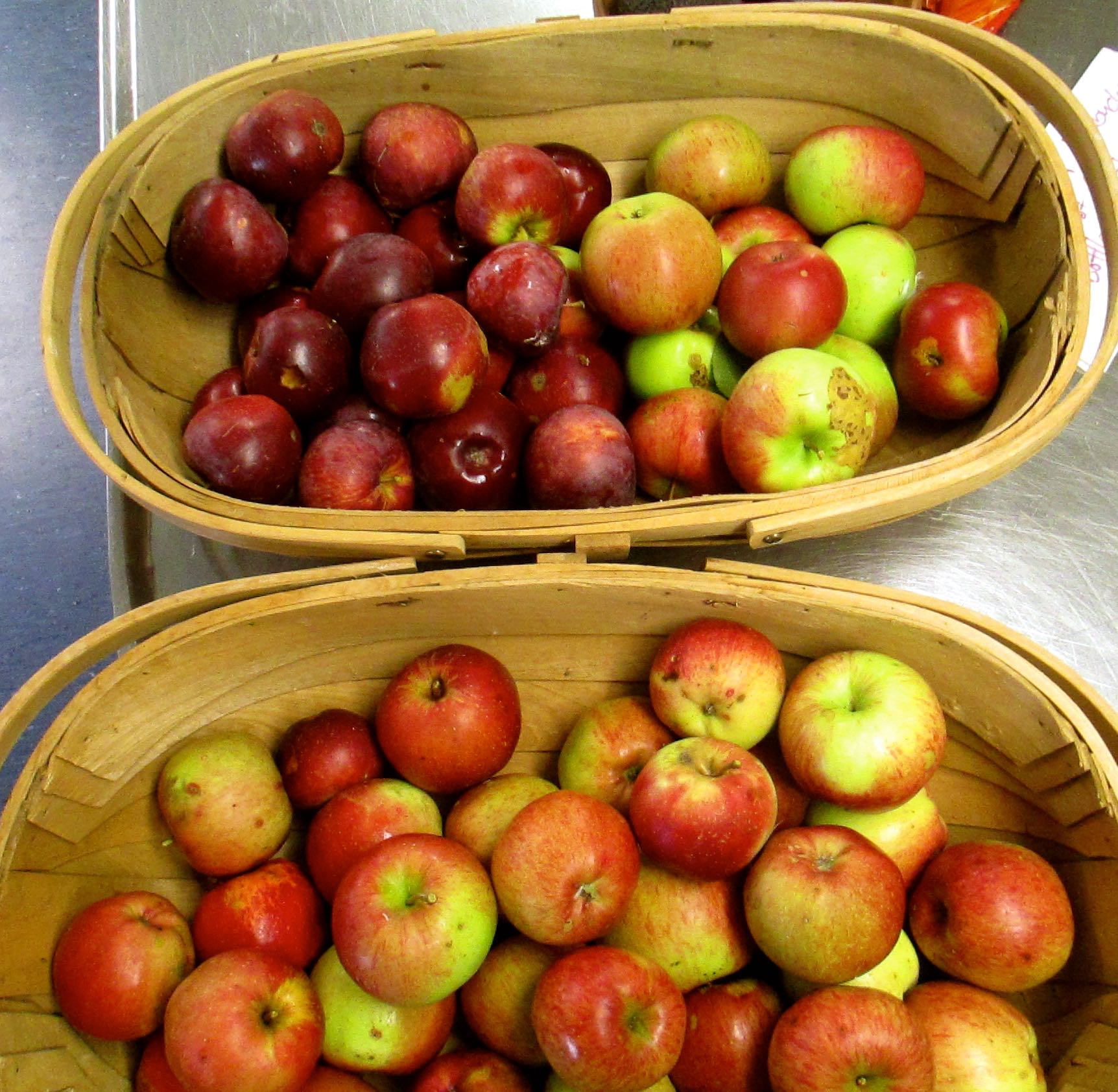
    At my permaculture course, Duncan brings two beautiful baskets of apples from his small farm. Four heritage varieties – enough for everyone to take a few home to taste. On the permaculture course, people are passionate about plants, about fruit trees, about the earth. People have strong opinions – in discussion time the debates are weighty, rich, sometimes a little heated…but at lunch time, we sit around munching Duncan’s apples. That they are fine, crisp, tasty apples, we all agree on.

    apples_5 apples_6 apples_7

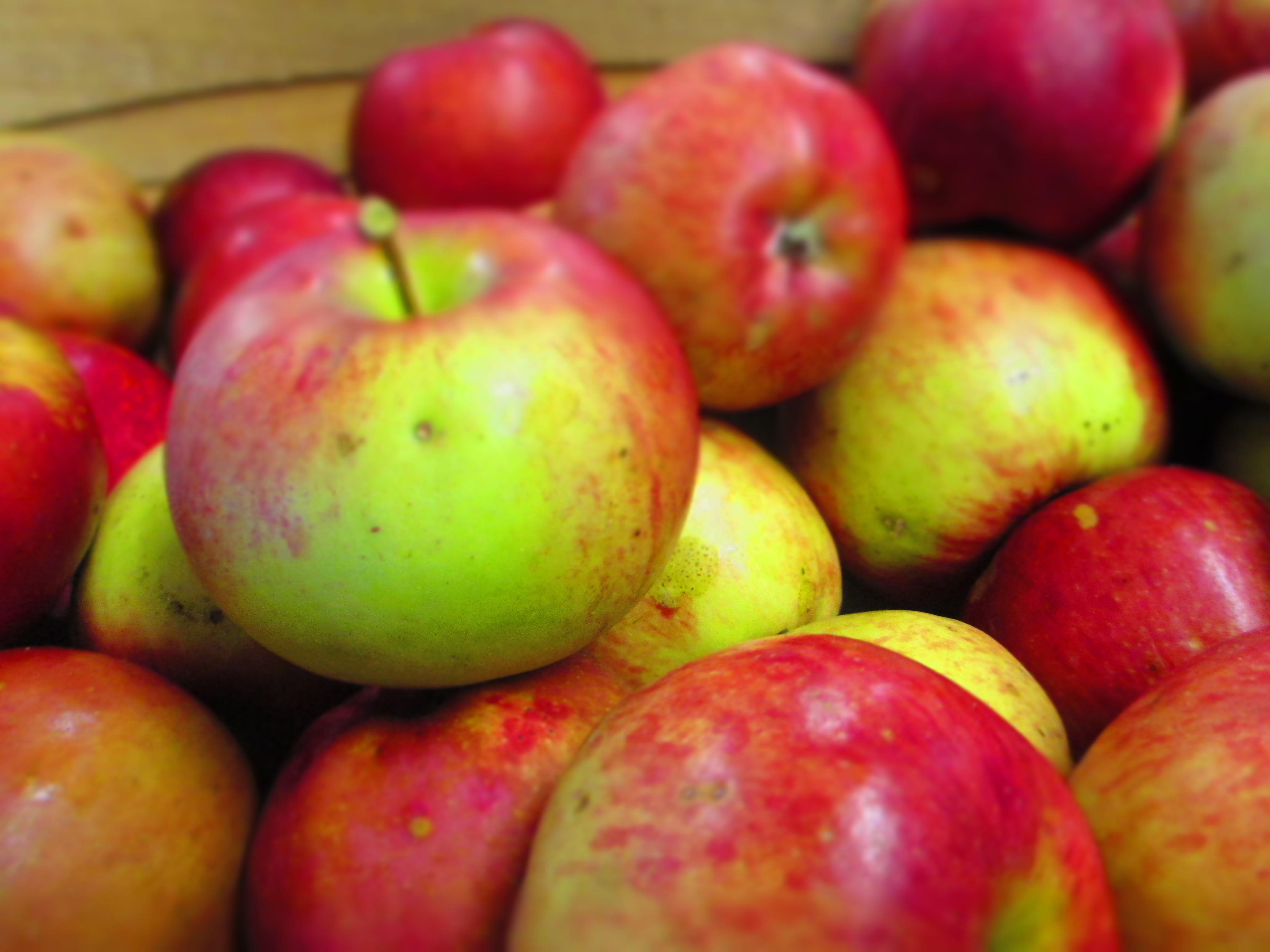
    The beauty of the simple backyard apple, wet from being rinsed in cold water, fresh-picked off the tree.

    apples_4

  • Review of ‘A Forager’s Treasury’ by Johanna Knox

    johanna_book_1


    A Forager’s Treasury

    By Johanna Knox

    Allen & Unwin, $36.95

    I’m late in writing this review – I’ve had the book for some weeks now and I was supposed to post a review last week, but it’s taken me a long time to gather my thoughts about it because, quite simply, I’m completely overwhelmed by how much I love this book and I couldn’t write the review sooner because it would have just been GUSH GUSH RAVE RAVE MAD WOMAN SPLUTTERINGS…

    I can’t promise much better today, but I will try! This book is a must for anyone interested in foraging (obviously), but also herbal healing, Rongoa, bushcraft, nutrition, ecological principles of sustainability and conservation, folk wisdom and so much more! The book is rich in it’s content, it’s so much more than a mere guidebook, the author is a terrific writer and her sparkling prose and dry wit infuse the text with life. She is funny, self-effacing, humble and also extremely intelligent – it’s a beguiling combination.

    The book is thoroughly researched and wonderfully New Zealand-specific (although there is plenty in here for overseas readers, also!) The writer brings her own direct experiences (and experiments!) into the text, which makes giving foraging a go seem so much more appealing. She is honest about her failures, her predilections and her biases, too. The book is not impartial and is all the richer for it! All through the text are small boxes of ‘extra for experts’ style gems of historical information and interesting stories relating to the text.

    As well as all the botanical and culinary details necessary for foraging, Johanna goes beyond the basics to provide a feast of recipe ideas, she covers cooking, tisanes, syrups,  oils, freezing, pickling and so much more. The most special thing about the book for me, though, is that Johanna’s enthusiasm for plants and foraging makes it seem exciting, vital and fun. I have no doubt that the book will turn many foraging-newbies in to keen plant spotters and pickers. I also love the way Johanna captures the romantic aspect of foraging, the sheer joy of knowing a wild plant’s name and what it’s good for – the final section of the book ‘Wild Ways’ celebrates the foraging ‘lifestyle’ with ideas for bodycare, medicine, picnics and a look at the language of flowers. In case you are worried the recipes will all be for green weedy salads, fear not – there are recipes for all kinds of desserts, cakes, rich sauces – the gourmand will be satisfied as much as the health nut.

    johanna_book_2

    My favourite recipe (again, appealing to the romantic part of me) is for ‘Lady Lindsay’s Feral Tea Sandwiches’ (I love the word ‘feral’ – it makes me want to dance around a blazing bonfire on a winter’s night!). I have copied Johanna’s description of these sandwiches for your entertainment:

    Tea sandwiches are dainty…..I named this collection of ideas for Joan, Lady Lindsay who is best known for her haunting novel ‘Picnic at Hanging Rock’ …an evocative and primal exploration of Antipodean settler unease and awe for the land. With her highly privileged background, creative eccentricity and fascination for the land’s dangers and mysteries, I think Joan Lindsay would have liked these sandwiches. I fancy they are like her, with their refined exteriors and wild insides.” 

    There follows a long recipe full of endless possibilities for a truly wild picnic!

    johannah_book_3

    My only criticism of the book is the lack of an index, which makes looking up plants tricky if you aren’t sure of their parent plant family….but I anticipate somewhere in the next dozen reprints of this book, sure to become a bible of plant lore in New Zealand, the publishers will eventually put an index in.

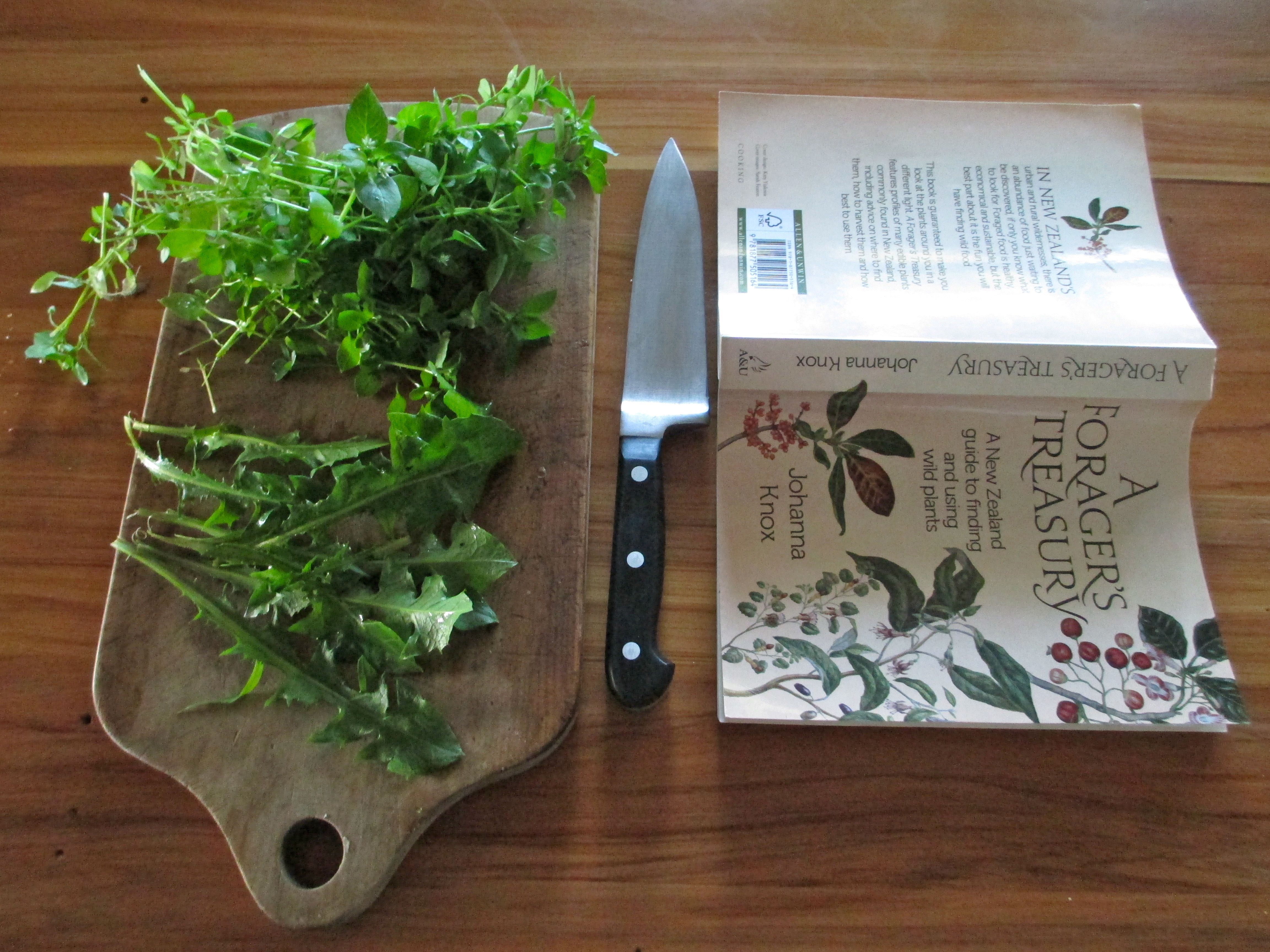
    I have already bought copies of this book for my father (keen bushman who likes to extend his bush-craft skills) and friends who love to garden and forage. It makes a wonderful gift for the green-minded, but first, buy a copy for yourself – even if you are new to foraging you are sure to catch the bug, and you will be amazed at what you can ‘forage’ even in your own backyard! (The chickweed and dandelion in the photographs came from my backyard, I chopped both finely and added to a pasta sauce.)

    Thank you, Johanna for your gift of this very special book.

    Don’t forget there is a website which accompanies the book HERE. I will share a foraging recipe which Johanna sent me with you sometime soon (I just need to cook it first so I can report on it’s flavour!)


  • Walnuts, irises, peas….

    Over autumn I foraged HEAPS of walnuts, plus my parents gave me a big box….they’ve been drying off for six weeks. I’ve just started cracking into them and they are good, fresh, earthy, delicious. Now I have a happy walnut glut and will be thinking of ways to use walnuts so if you have any good recipes or food combinations, let me know! I started with cake, because…..cake. I made an Alison Holst Date & Walnut Cake recipe, a rich combination of finely chopped dates and walnuts with only two tablespoons of flour! I made ginger icing for it and we devoured it for afternoon tea. It was more like a pudding in consistency….no bad thing!

    walnut_cake

    On Saturday, I bought these irises at the vegetable market and also a twin bunch for my mother who was visiting. When I bought them they were very tightly closed. She took hers back to Taupo. Mine all opened at the same time the next day, hers didn’t open until today! Swamp-plain versus mountain-plain, I guess. What do plants MAKE of being shipped away from their home-terroir? Do they feel it?

    iris

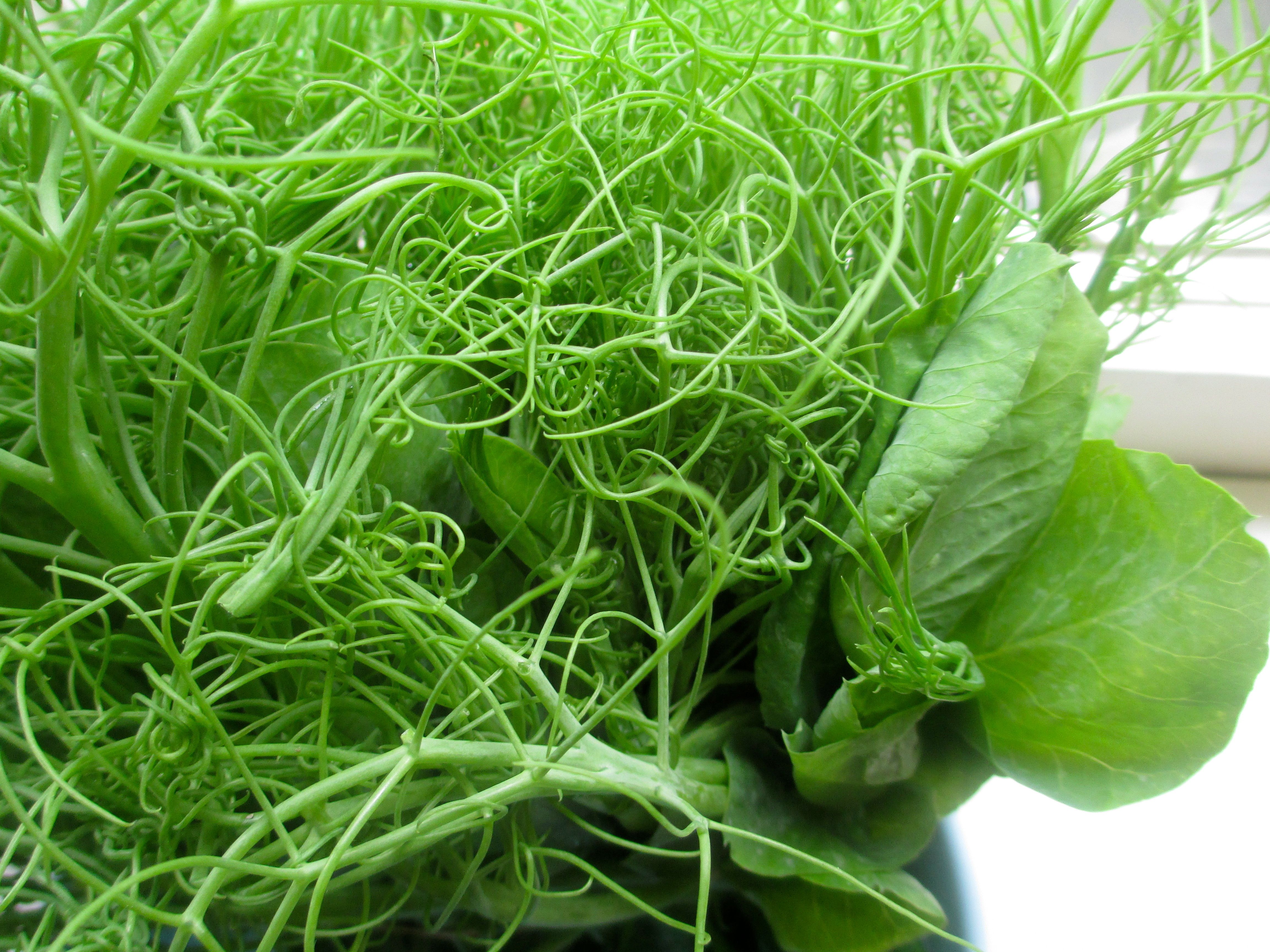
    Finally, also at the vegetable market I bought this bunch of pea tops. I have a bit of a fetish for pea plants – I love them! Something about those curly little climbing tendrils makes me feel all strange and happy. I hadn’t seen such a thing for sale as a vegetable before. I would be happy to buy them every week!

    peas_1

    They taste slightly of pea, but mainly just of chlorophyl, of healthy green. I ate them in sandwiches and threw them into a soup I was making.

    peas_2

    I am writing a long, ongoing poem about vegetables in the vegetable garden and the way they grow. It’s an odd project – I’m trying to capture each plants ‘essential nature’ in a short 4-8 line stanza. Why am I doing this? I don’t know…a combination of fun and to get to know the things I grow more intimately? Here is the ‘pea’ stanza:

    peas_3

    Pea:

    fragile bright filigree

    upwards gentle

    spirals intently

    tiny hands holding

    tender opaque baby

  • Interview with Johanna Knox author of ‘A Forager’s Treasury’

    forager_treasury_coverAs a keen forager myself, I was so excited to hear that my friend Johanna Knox was writing a foraging guide for New Zealand, but despite the fact I was pre-disposed to like it, I am truly impressed and in awe of what she has produced. It is a beautifully written, helpful and down-to-earth book with great illustrations and in a handy format for toting along on foraging expeditions. I talked to Johanna about foraging recently and here is what she said:

    HL: Congratulations on your new book, Johanna! Can you tell me how you got into foraging? 

    JK: Thanks Helen! I was always fascinated by all the uses of plants, and I experimented madly as a child and a teen. As an adult I got into it again after I had children. I saw the natural world anew – through a child’s eyes again. Plus I got interested in food activism, and foraging kept cropping up as part of that.

    HL: Why do you think foraging is an important skill to have? 

    JK: In the Western world we’ve grown so distant in our relationships with the plant kingdom. Obviously there are exceptions – all the amazing researchers and trampers and wanderers, and gatherers and growers like you, who are maintaining and developing give-and-take relationships with the plant world. But as a society in general we’ve become disconnected from the truth about how we need plants for our survival and wellbeing.

    If we forget how all that works, we also forget what plants need from us in return. That way lies disaster. So foraging is a fun and productive way to help revive that relationship.

    You can definitely save money foraging too! Plus it’s empowering to be able to look around you, wherever you are, and see the ingredients for food or medicine or perfume or dye. johanna_2 

    HL: What have you learned from your foraging adventures? 

    JK: To be patient about knowledge! To not try and identify everything and know all about every plant at once.  That’s just frustrating. You have to read and listen and think and observe, and gradually things dawn on you. You can short circuit parts of that process if you get someone to show you stuff directly, but you still have to do your own research and observation and thinking.

    HL: Do you dumpster dive, too, or is your ‘foraging’ restricted to natural foods? What do you think of dumpster diving? 

    JK: Dumpster diving is admirable. I haven’t been party to it since before I had kids. Maybe I’ll take it up seriously one day …  I like the idea of doing it as a 70 year old.

    HL: What would your ‘Absolute Top Five List of Things To Forage (even if you are not a keen forager)’ be, and why? 

    JK: This is hard! I reserve the right to change this list tomorrow.

    Today:

    Kawakawa: my first native plant friend, so easy to identify, so abundant, so useful in so many ways.

    Fennel: I never used to like fennel – it gave me a stomach ache, but once I learned to use it more subtly in cooking and also found you could dye things almost fluoro yellow with it, I gained a new appreciation for it.

    Nasturtium: Every part is edible – and nutritious – and medicinal in that mustardy old-time-remedy way … And it’s so decorative. Good for party foods.

    Elderberry: Gather the flowers around November, and the berries late in summer and gather heaps. Make bulk syrup and freeze it and then use it in everything all year round. It’s so expensive in shops, and so cheap to make your own. And this tree is not endangered in the slightest.

    New Zealand mint: I love it that New Zealand has a native mint. But like many New Zealanders it’s a bit reserved and self-deprecating. Tough though, with hidden depths … and it gets louder when you mix it with alcohol. If you can’t find it wild, grow it in your garden as a ground cover.

    HL: How has foraging changed the way you see the world? 

    JK: I think I have a much greater appreciation for New Zealand’s native plants now, what they need, and their enormous value in ecosystems, as well as all the amazing things you can do with them.

    HL: Do your family & friends ever get embarrassed when you forage and collect windfalls when you are out with them? 

    JK: Not so much embarrassed – just impatient! I always hope I can sweep them along in my own enthusiasm, but there are times when I have to accept they’ve got other things on their mind!

    HL: Do you forage for mushrooms? Just how dangerous is it? 

    JK: I have anxiety around fungi. I realise rationally that if you know what you’re doing it’s not dangerous. And I can identify certain fungi that are edible – like boletes and basket fungus… but I can’t bring myself to eat them.

    I gathered field mushrooms once, cooked them up, and ate them. I knew beyond reasonable doubt that they were field mushrooms. But for a couple of hours afterwards I was still hyper-aware of my body, and every odd twinge, wondering if I’d poisoned myself.

    I’ve been wondering if this goes back to reading the Babar books as a child.

    Do you remember that bit where the old king elephant eats a ‘bad mushroom’ and dies? There’s this awful picture of him lying on the ground all green and wobbly. That’s one of my most vivid book memories from my preschool years – staring and staring at that picture in horrified fascination, trying to comprehend it … Now I wonder if that book set me up for a lifetime of anxiety around wild mushrooms!

    Whatever the reason, A Forager’s Treasury takes a botanical approach rather than a mycological one.

    HL: Is there a foraged food you eat almost every day? 

    JK: There’s no one foraged food, but definitely a recipe I pull out more regularly than most others – that’s weed pakoras. It’s such an easy, substantial, satisfying way to use any edible weeds you can find near your house, and whip up a meal or a side dish when you’re running short of stuff in the pantry

    HL: What is your best discovery in terms of our native plants? (Recently, I had delicious tea at a cafe which had Kawakawa in it, and now I’m keen to try that.)

    JK: Perhaps harakeke. There are so many varieties, and you never stop learning about it. It’s just this most incredible multi-purpose plant – the nectar as a sweetener, the pollen as a nutritious condiment, the seedpods as a rich chocolate-brown dye (and I love the smell of them), the sap as a healing gel … and that’s not counting all the uses of the leaves as fibre.

    HL: Does foraging have a spiritual element to it for you, or is it strictly pragmatic? 

    JK: I’m not a very spiritual person I’m afraid. I was brought up in a family of geeky atheists. But I think science has served some of the same purposes for me as a spiritual or religious path might for some others.

    It’s given me a sense of awe and wonder about nature and the universe, a feeling of being just a small part of something grand and mysterious, and a reassuring sense of my own insignificance. It also helps provide the co-ordinates for a moral compass (however hard it is to follow that compass sometimes).

    I can’t say it’s helped me fully come to terms with human mortality – I’m still working on that one! But I have the impression many people on spiritual or religious paths struggle with that one too.

    When you’re out gathering, all those feelings and ideas certainly come into play.

    Thanks so much, Johanna! Over the next couple of weeks I intend to post a review of ‘A Forager’s Treasury’ and Johanna has also given me a recipe to share with you all as well.

    If you want to learn a little more about Johanna – look HERE. HERE is a recent review of the book, and there is a website which goes along with the book HERE.

    Happy foraging!