Category: politics

  • victory gardens / mend and make do

    I’m very inspired by World War Two imagery around Victory Gardens and Mend & Make Do campaigns. I’m also fascinated by the Land Girls / Womens’ Land Army, and the way WW2 changed work life for women in the West forever.

    I recently had a pile of WW2 social history books out of the library and wanted to share with you some of the images. (Sorry I didn’t have the time/patience to scan them, so they are photographs of book pages. Not ideal. Forgive me.)

    I don’t at all idealise the 1940s. I’m know it was a very hard time, a frightening time, lots of death and fear and sadness and people worked very hard just to keep their houses clean and keep their families fed. All the same, I enjoy the parallels between the Victory Garden movement and the 21st zeitgeist of backyard chicken farming, raised bed gardening, community gardening, CSA schemes, Seed Banks, recycling, upcycling etc….the similarities are strong.

    There’s a great shop on etsy which sells modern day ‘victory garden’ posters – great witty designs. It’s called ‘The Victory Garden of Tomorrow’. I so want to buy something from the shop for my kitchen, but I can’t make up my mind which one I like the best!

    Here are some of my favourite WW2 images from the books:

    Women darning their tights….

    digvic_9

    In today’s world of ‘from sweat-shop to landfill’ fashion, I’m proud to say I DO mend my clothes…as below…

    digvic_8

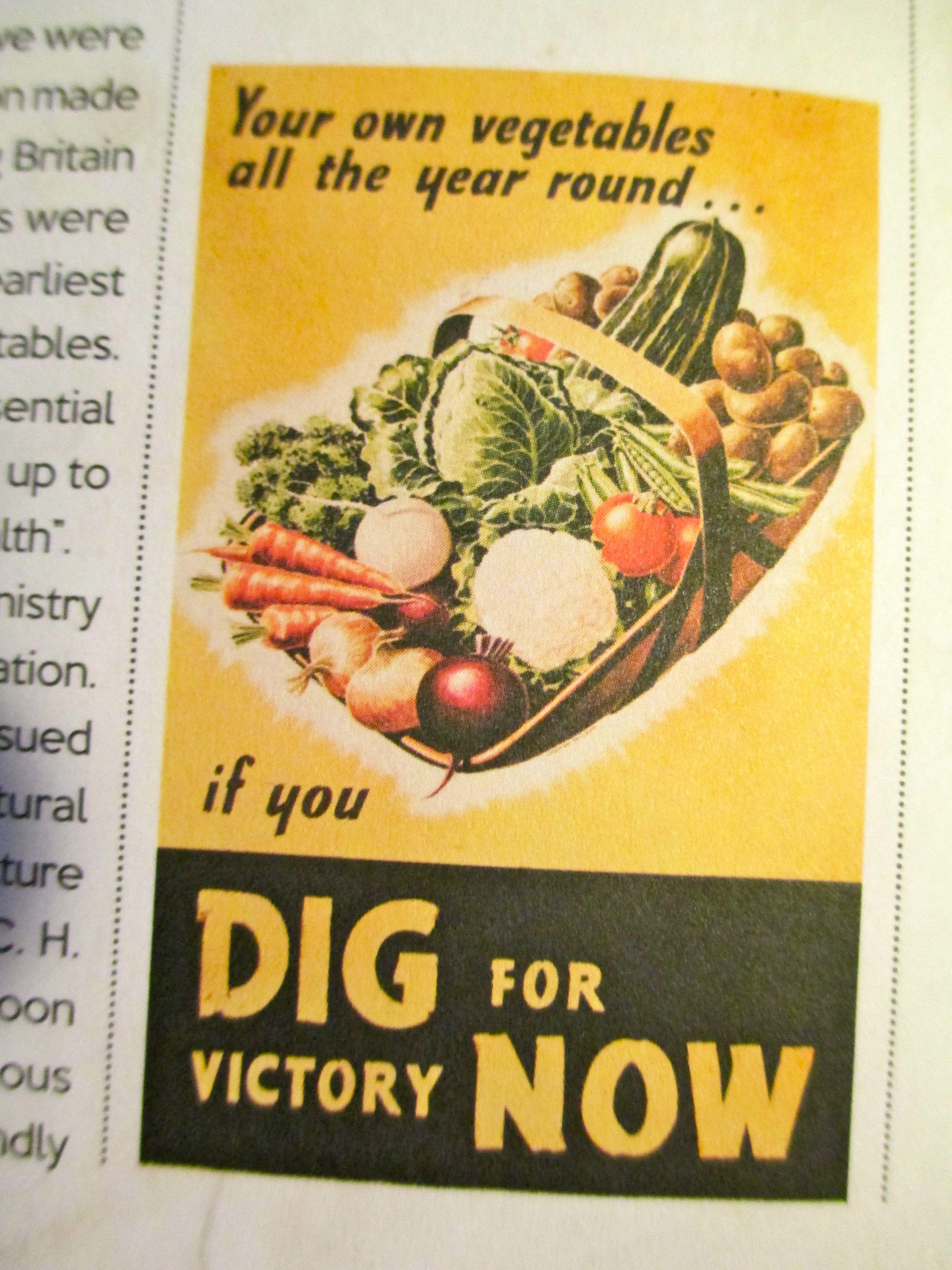
    Dig for victory NOW!

    digvic_7

    I would join this girl gang of happy gardeners!

    digvic_6

    Have you ever seen a sugar beet? Not the most inspiring of vegetables…. 

    digvic_5

    The lawns of Kensington Park in London were dug up for food production….

    digvic_4

    Love the way the word ‘FOOD’ is made from vegetables here… 

    digvic_3

    Even Yardley face cream got in on the victory gardening trend for it’s advertising… 

    digvic_2

    WOMEN MUST DIG!

    digvic_1


  • recent reading, ongoing thinking

    readinggirl

    I noticed a theme in my reading recently – lots of books with ‘Wild’ in the title! I am reading and writing about nature/bioregionalism/ecology/contemporary spirituality….so I guess ‘wildness’ is a thread through all of these things.

    The Wild Places, by Robert McFarlane

    Wild, by Jay Griffiths (This book remains my favourite book IN THE WORLD EVER.) 

    Wild, by Cheryl Strayed

    Wild Mind, by Natalie Goldberg

    Maybe I would read anything with WILD in the title?

    Robert McFarlane’s book led me to…

    Waterlog, by Roger Deakin – a remarkable account of Deakin’s desire to swim in as many wild waterways as he could across the UK. (Roger Deakin was an incredible person who seemed to live almost in an alternate universe where he was part-tree himself. )

    In fact, this is the trajectory so much of contemporary nature writing takes – a person leaves the urban environment and takes off to the waterways or the wilds, the forests, the mountains and then experiences the edges of their pathetic humanity and learns a pile of stuff about themselves. It’s compelling stuff! Escape, edge-dwelling, deep nature….

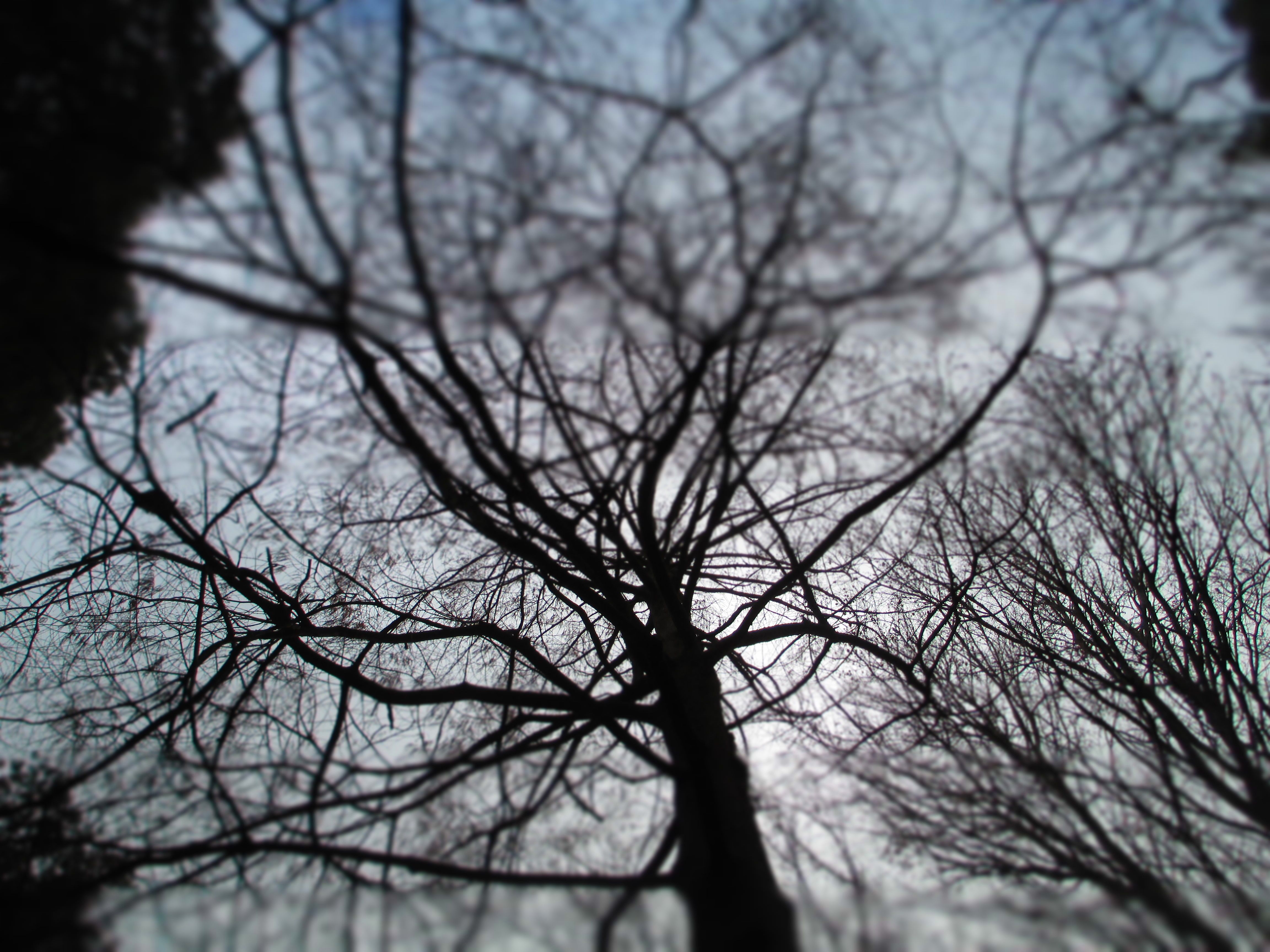
    tree_reaching

    As inspiring and firing as these books are, though, I cannot write this kind of book. I am a mother of two children, tethered by family to a small suburban piece of land in a medium-sized, unsensational city. So my challenge is how to extrapolate a compelling narrative from my own situation.

    To my rescue (to some extent) comes bioregionalism, Urban Resilience movements and Transition Towns giving me a steadfast political framework to staying put in the urban environment and making the best of it, or making it better more to the point.

    I am on the hunt for any books which address the URBAN ‘wilds’, or ‘domestic’ nature narratives, so please do suggest some if you know of any.

    One I read and thoroughly loved recently was ‘Feeding Orchids to The Slugs’, a book about a woman becoming a Zen Retreat cook.

    How do you write a compelling nature-based narrative when you live in suburbia and can’t stray very far? This question is at the heart of my project.

    So far, I’m finding it’s all about ATTENTION, rather than literal travel. That the ‘wild’ is as much within as without.

    ‘To pay attention, this is our endless and proper work.’ -Mary Oliver

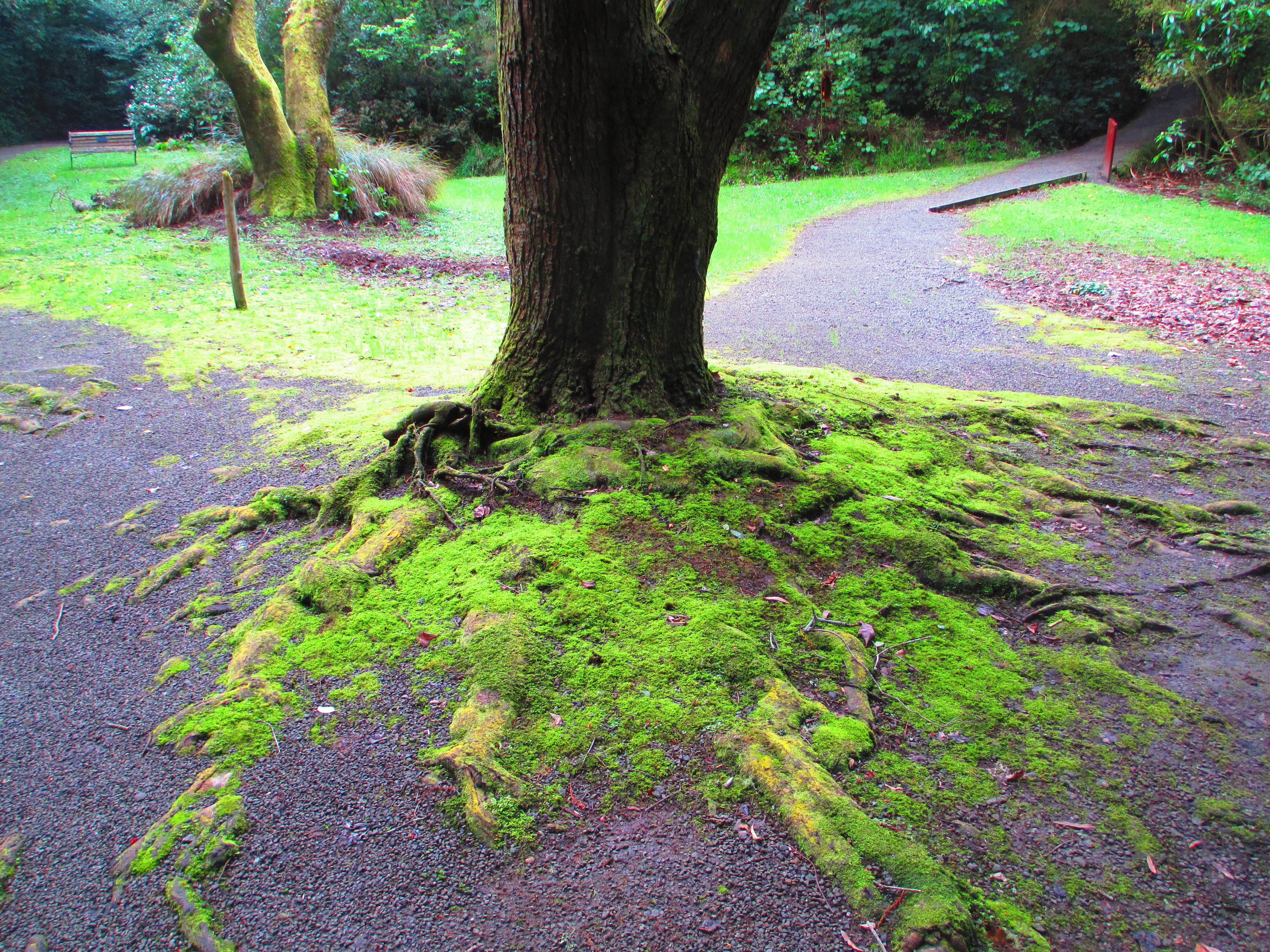
    treeroots