
A couple of weeks ago I wrote about how we were eating a lot of silverbeet in an effort to keep up with the spring bolts of the plant.
This has continued, I’ve discovered that if you snip off the ‘bolt’ stem…the thick stem growing up the centre that is beginning the process of sending the plant to seed…sometimes the plant will do another flush of leaves so I’ve delayed having to remove the plants entirely. (While our local spring continues to be more like winter…with ground temperatures too low for summer meditteranean plants like tomatoes and zucchini…there’s no urgency to make space.)
If you’re not a permaculture practitioner, ‘Capture and Store’ is one of the main permaculture principles. The idea being…it isn’t enough to grow things (or create energy)…an important piece of the equation is to honour the garden by capturing the harvest and, if possible, storing some for later on.
Occasionally, I like to write articles about the ways our permaculture family ‘captures and stores’ around our small, urban property. As food and energy prices rocket, I imagine these skills will ripple out beyond permaculture to become more important for households.

Yesterday, my son Willoughby and I spent around an hour and a half processing the silverbeet, celery and flat leaf parsley plants which had begun to bolt.

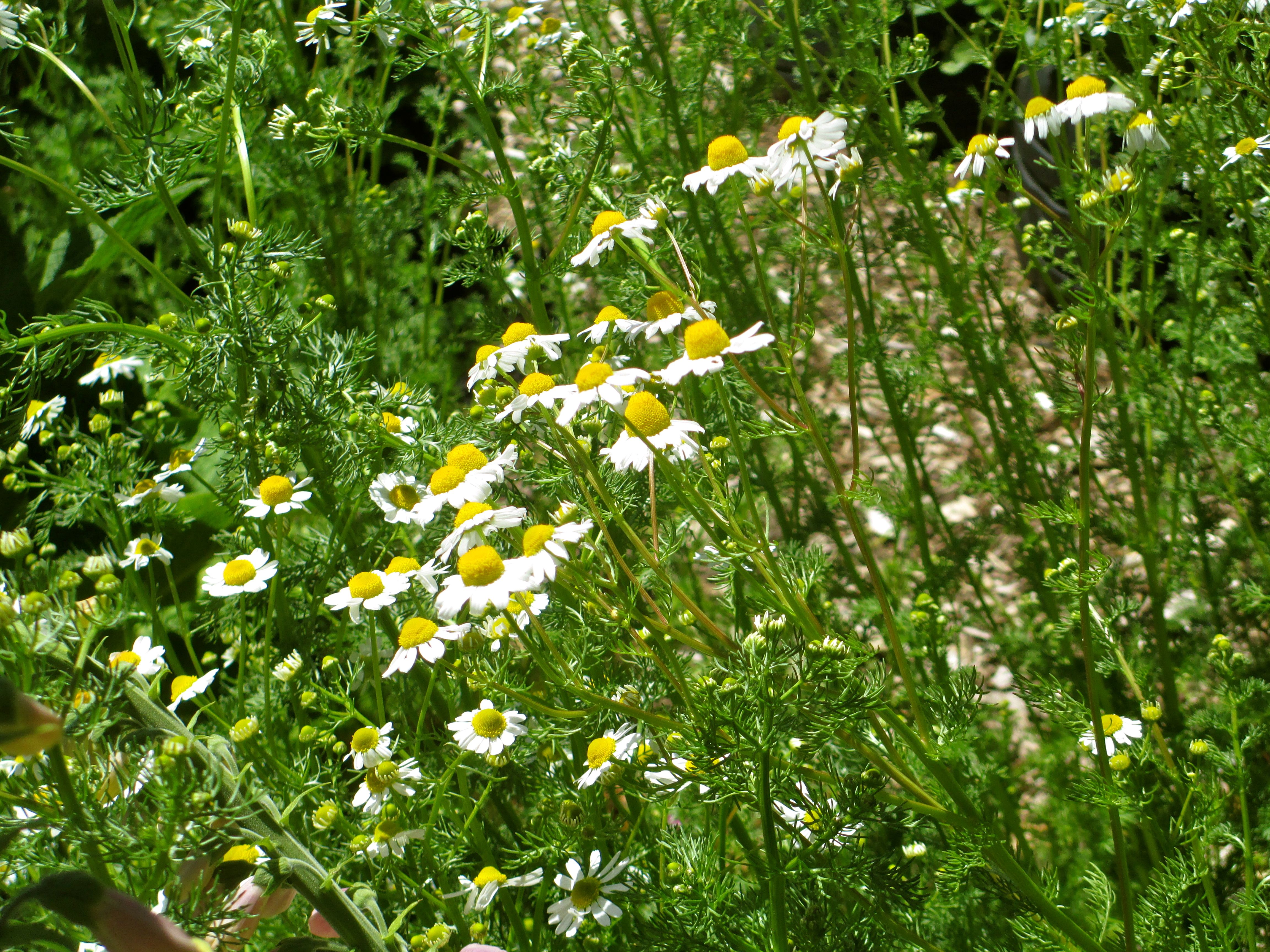
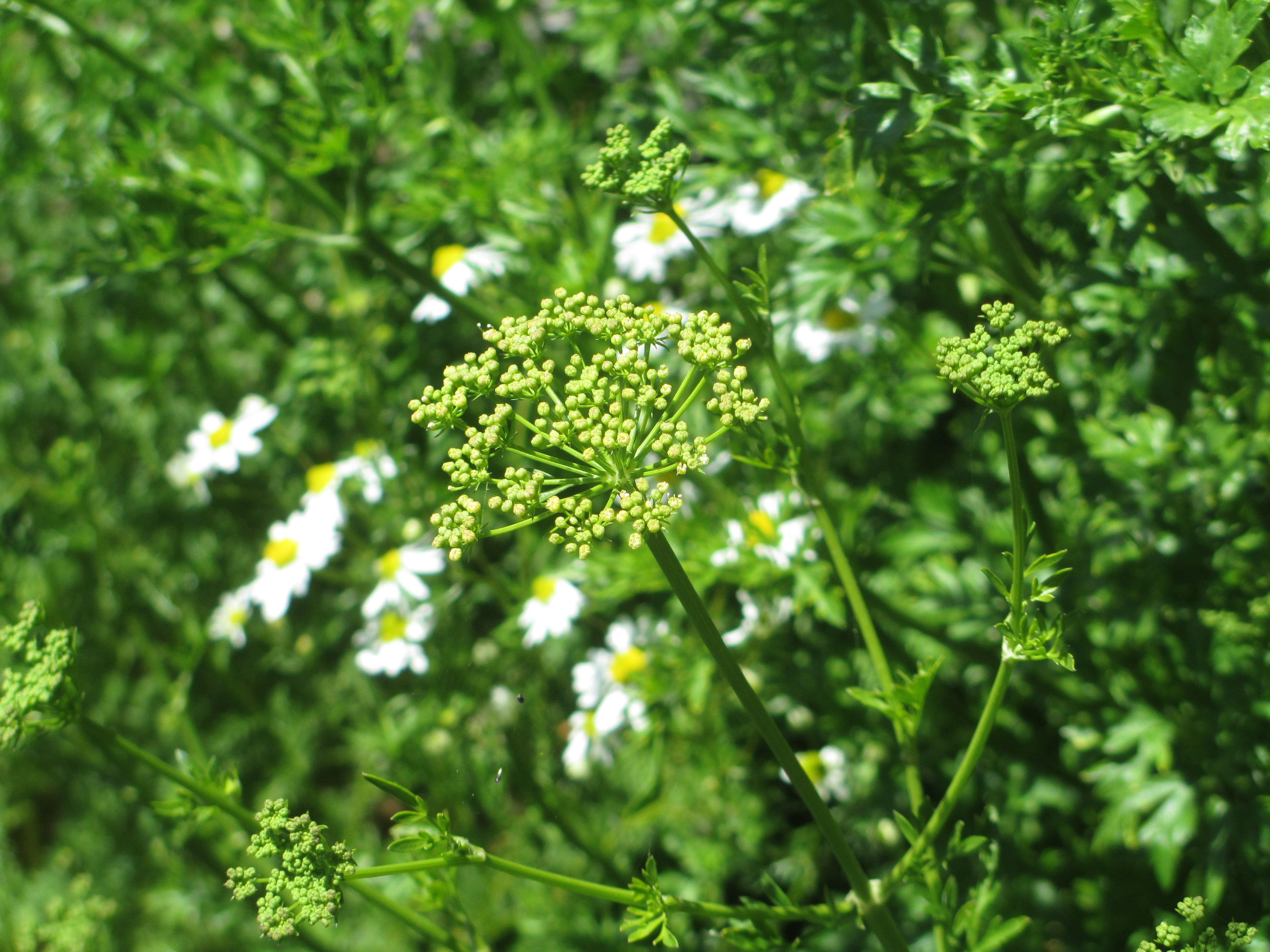
The celery stalks went into dinner and the fridge. The celery greens and flat leaf parsley bolt-stems we chopped up and put into our dehydrator. I will put them and some NZ sea salt through our electric spice grinder to make a herb salt which is great for adding to soups and stews.
We picked a huge amount of silverbeet. Approximately the equivalent of five of those plastic-wrapped bunches you can buy at supermarket.
Here’s how we processed it to become freeflow bunches of chopped silverbeet, similar to the way spinach comes frozen at the supermarket.
We harvested the ‘bolt’ stems. I cut off the leaves with a pair of kitchen scissors into a large bow of water and gave it a wash.
We then chopped it.
Next step was a quick blanch in a shallow pan of boiling water. Just long enough that it wilts and goes bright green.
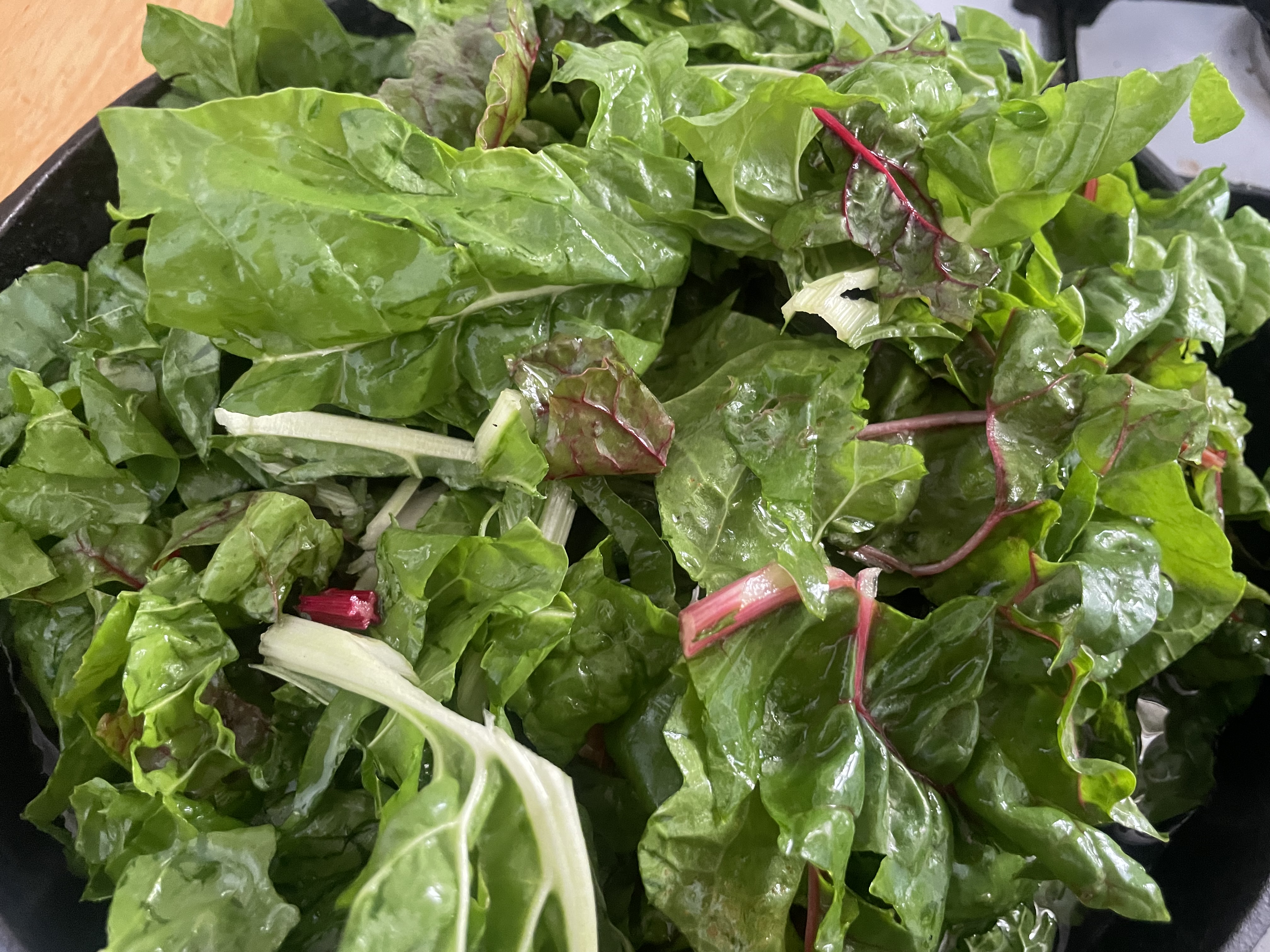
Then I strained it and pushed as much water out as I could with a wooden spoon (obviously it is too hot to touch with bare hands at this stage. I left it sitting in the strainer to cool.
Once it had cooled enough to handle, I formed it into balls. (Think about the amount you’d like to add to a soup or stew.) The trick to a tasty end result is to squeeze and squeeze it getting out as much of the liquid as you can. Silverbeet seems to retain a lot of liquid so keep squeezing…think of it as a workout for your hands!

After that, place the fistfuls on a biscuit tray and put into the freezer.

Once they are frozen, remove from the freezer, put into a ziploc bag or plastic container and put back into the freezer and there you go, you have one meal amounts of pre-prepared silverbeet ready to add to your cooking.

You might ask why we’d bother doing this when silverbeet grows all year round in most of New Zealand’s climate? I suppose a big motivator is frugality, but also, I find I use more silverbeet if it is prepared this way. I also loathe waste and, because I know the effort I’ve put into growing the food, I prefer to have it travel through the kitchen rather than go straight from garden bed to the compost heap.
Silverbeet is so nutritious! I think it needs a PR campaign. In NZ we tend to take if for granted or spurn it because it’s so ubiquitous in our vegetable gardens. Forget about overpriced supermarket spinach….eat your silverbeet!
If I’ve inspired you to make more of your silverbeet, here are two excellent links with multiple tasty-looking silverbeet recipes.
11 tasty silverbeet recipes from Delicious magazine
12 yummy silverbeet-based dinners from NZ Woman’s Weekly magazine
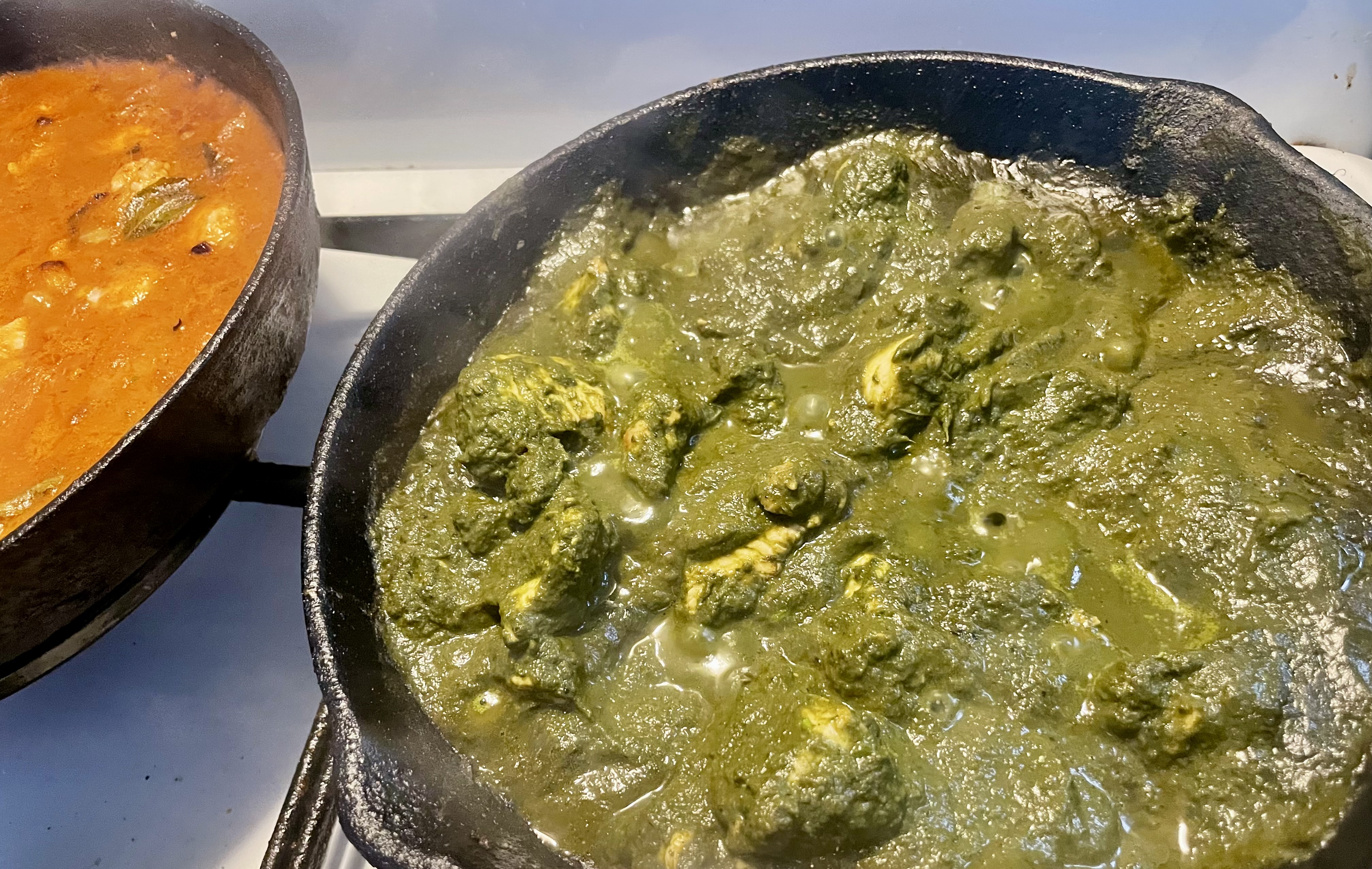
One of my favourite ways to eat A LOT of silverbeet at once is to make an Indian Saag Aloo, using silverbeet instead of spinach. Delicious and so greeeeeeen.
If you have a signature silverbeet dish…please share it with me.





 Helen Lehndorf