Category: community

  • Writer Carly Thomas on ‘The Last Muster’

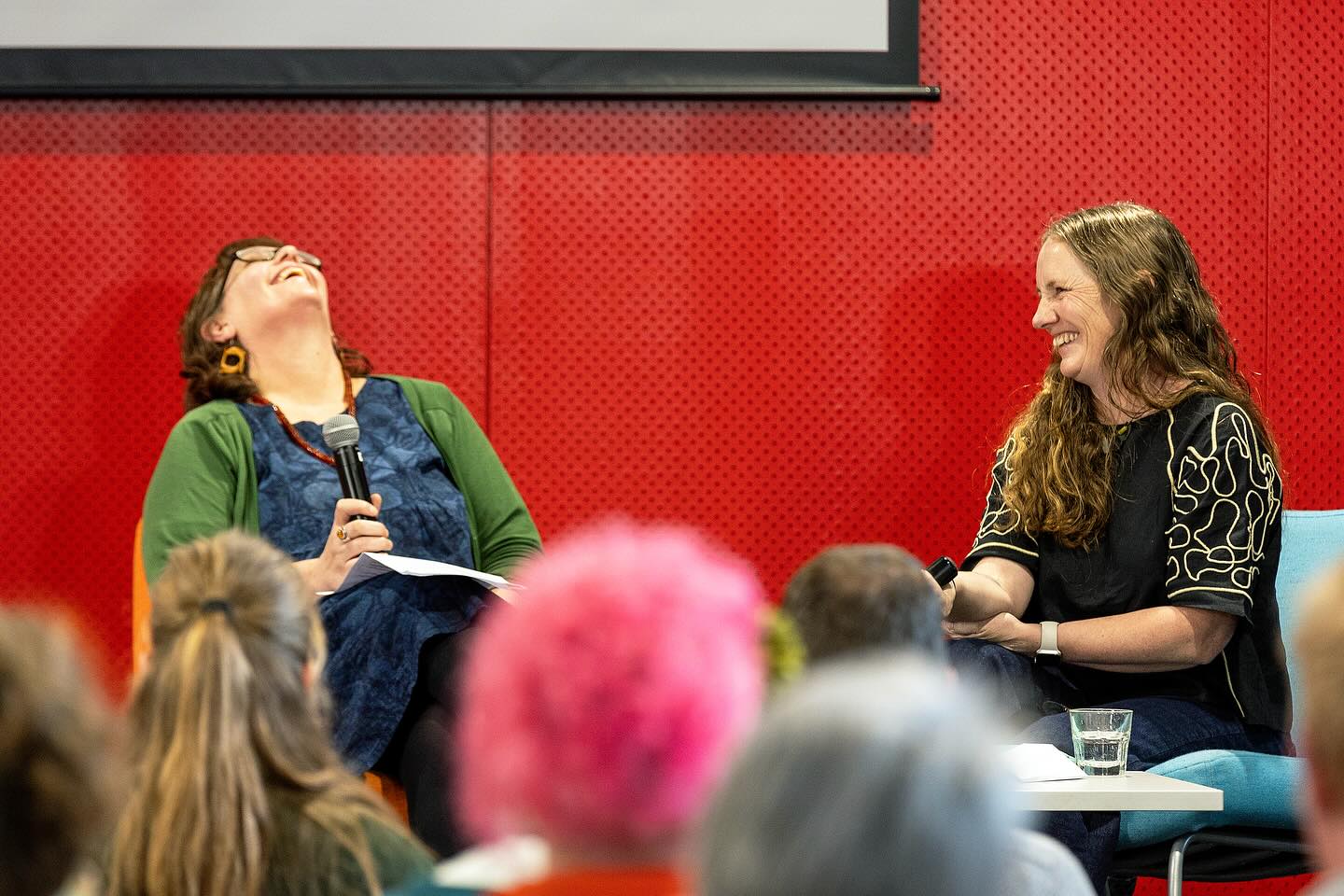
    (Above: Me (on left) and Carly Thomas cracking each other up at her 11 October 2024 book launch at the Palmerston North City Library.)

    Almost a year ago, I interviewed writer Carly Thomas live as part of her book launch event at the Palmerston North City Library. I don’t recall the specifics of the conversation but I do remember there was a lot of laughter. Carly is very funny. Also, very self-deprecating.

    I kept insisting she was courageous, intrepid, fearless and she kept batting such suggestions away. She’s a very humble person. In winter, I invited her to be my second slow interviewee. These interviews take place via email exchanges in an unhurried way. The first one was with writer Iona Winter.

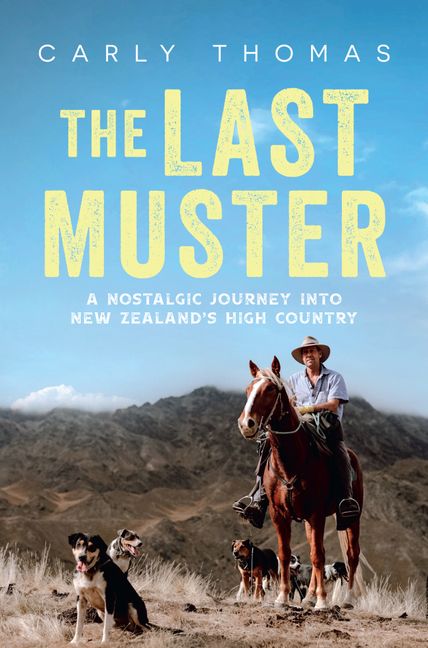
    I wanted to check in with Carly a year out from the publication of ‘The Last Muster’: A nostalgic journey into New Zealand’s High Country.’
    H: Congratulations on the publication of your book! & Thanks for inviting me to help you launch it. That was a great night. 

    Can you tell me a bit about your (very impressive) research trips for this book… you did a kind of ‘action research’ where you joined the mustering gangs. I reckon that was so brave!

    C: The launch was so neat and you were a big part of that so a massive thanks to you, Helen. It all seems like a long time ago.

    Writing a book is a funny old thing, it is all consuming and then it is done. It feels like you have been out at sea, in the thick of storms and intense sunshine and then you come ashore and the tide comes in and it goes out and all is calm. That sounds depressing but it’s not, it’s just there’s a lull, a pause, and then an in-between afterwards. 

    I knew straight away that I would go and work alongside the people I was writing about. I started ringing and emailing high country stations that I had already had contact with through previous writing gigs. It took a few calls before I figured out how to communicate what exactly it was that I was doing. It became apparent that I needed to head south for the Autumn weaning musters quickly and so I got straight into getting down there.

    I’d read up a bit on each station I was going to, but not in depth, that would come later. I like to go into things a bit naive. I figure that asking stupid questions is better than assuming you already know, so I did a lot of that. I learnt as I went, was given ideas on where to go next and in that semi-informed/ follow-my-nose style I got passed onto musters. 

    I didn’t have a big planned out map of things, I really just took whatever next turn presented itself. I started down in Glenorchy at Greenstone Station and was well and truly thrown in the deep end on a four day muster with a motley crew of shepherds. After that the ball was rolling – I’d finish a muster, chuck my muddy saddle and gear in the car and head to the next one. Word got out about what I was doing and it got easier to get on the musters. I was learning skills as I went and got more handy as I went.

    My tools for capturing everything were my phone recorder/ camera/ notes, my big Sony camera (not at all fancy) and my memory for conversations. People would say great stuff, as I was riding along trying to keep a bunch of unruly cattle in line, and I would have to remember it until I could do a voice memo of what they said. It was full on and it took my ADHD multitasking superpowers to a new level. 

    I’d do dumps of writing notes when I could, when I had a day or two in between musters, but not a lot of writing happened till I got home. There was a lot of writing in my head on long car journeys. I would try to hold onto each station’s colours, tone, sound, smell, taste and hum. When I did get to sit down, those were the first words to go down, then I got to the long and arduous job of transcribing.

    Research came last, which I guess is a bit round-the-other-way from what some writers do. As I was travelling about I would try to go to local libraries to find historical tales of the area and old mustering yarns. I also collected a pretty big haul of old New Zealand mustering books from the many secondhand bookshops and op-shops I visited on my travels. Once back home I trawled through online archives and libraries to collect up old stories and facts. I went down massive rabbit holes.

    One particular moment of connection was when I was trying to find the history of a particular homestead that had been abandoned on a station. I was coming up against dead ends and in frustration I called a tiny community library opened once a week by volunteers. As I was on the phone to the woman in charge that day who was telling me “just the person I should talk to was…..”, she paused and then said, “you won’t believe this, but she just walked in the door”.

    The particular 90-something-year-old who was the missing link to the information I really needed was put onto the phone. It was magic. She told me things that were not written anywhere and could have been lost if she hadn’t stepped in right then. I just love that sort of thing and there really is something special about these encounters. 

    The whole book writing process was a combination of high adventure, a saddle-sore body, sleep deprivation, many kilometres on my little nana car’s clock and wondering where I would land next and spending hours researching in drafty libraries or sitting on my couch with a cat, a cup of tea and books piled high around me. I am a contrary soul and I enjoy both of those things equally. 

    H: Writing a book is so different from having a book published, isn’t it? 

    Yes, it really is and I think the main thing for me, this being my first experience of working with a big publisher, was knowing this project was bigger than me. I had to trust my publisher and editor and I took the opportunity to just say “yes” and be more open than I have ever been. It wasn’t just my book, it had many people involved, the most important part being all the people I encountered on the journey, who trusted me with their stories and way of life. It’s a responsibility to take care, while also telling it like it is.

    And then it’s done, the final proof is FINAL and the printers crank into gear. And then you have to let it go, into the open, out into the world, into the hands of others. 

    The tide goes out, I take the dog for a walk, I look at the hills with new eyes and I wonder, ‘what’s next?’.

    H: What did you learn about the horse mustering community over the course of writing the book? Did anything surprise you? 

    Every station was different but a few things were always the same. They love their horses and will always have them in their front paddock no matter what. They are people who choose horses over machinery to get the stock work done and that made them a certain kind of person. Horses may be a slower way of doing things, in some respects, but they are a quieter and kinder way to work stock. Stations that use horses tend to care about their animals, enjoy a slower, older way and there’s also a romance to it all as well.

    The way you see things on a horse, the chats along the way possible without the roar of a bike and the relationship you have with your horse. So yeah, they were a certain type, often a little quirky and more often very stubborn about their way of life. And they all knew each other, the connections ran very deep. 

    I was sometimes surprised by their openness in having me along. Their honesty and their passion to really help me to understand what it all means to them. Sure, there were plenty of tight lipped cowboys, but I also experienced real moments of truth and authenticity. 
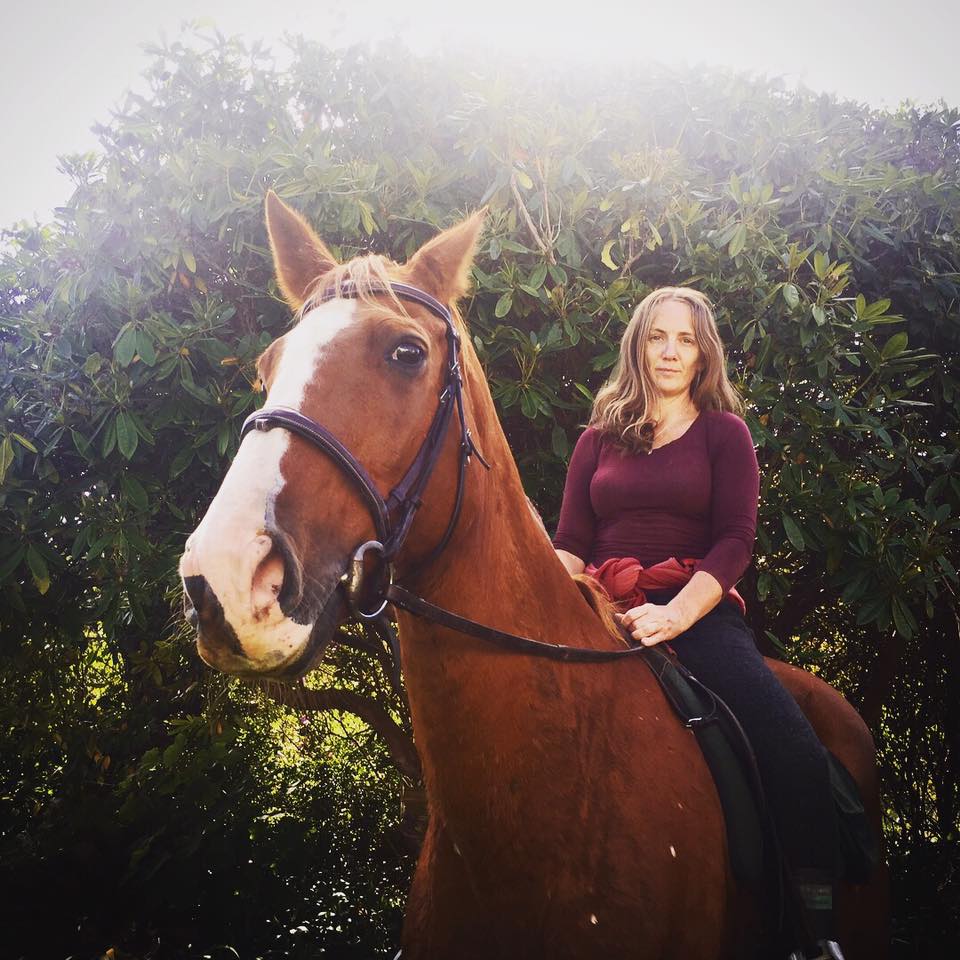
    (Above: writer Carly Thomas on horseback.)

    H: Do you want to share a favourite moment from your travels with us? 

    That’s got to be on Pitt Island on a day off from mustering the cattle and doing yard work. Me and the two kids from the family I was staying with went for a windy adventure with them leading the way. They proudly showed me the very steep cliff drop-off where they weren’t supposed to go, the quick (and very scary!) way down to the beach and the wharf and the old shearing shed retired back when wool prices dropped to pretty much nothing.

    I was told the names of birds and horses and paddocks and we arrived back hungry, windswept and grinning. Brilliant day! 

    H: What have you been reading lately? Can you recommend a few recent reads? 

    Oh so many good books lately! I have discovered a New Zealand author, Fiona Sussman and now her book Addressed to Greta is a favourite. The main character Greta is one of those memorable ones that you fall in love with.

    I have also become a  little obsessed with Elif Shafak, a Turkish writer who wrote There are rivers in the sky. It’s an epic story told over different decades and cultures. A must-read I’d say.

    Oh and The Homemade God by Rachel Joyce. I love a good complicated family dynamic story and this is a goodie. 

    H: Thanks heaps for doing a slow interview with me, Carly. I hope there are lots of horsey good times in your summer.

    C: Thanks mate!

    *

    Carly is already deep in her next project. It’s an ongoing project to capture the stories of Aotearoa’s rural elderly called Landlines.

    Check out their first short film:
  • black river / peoples’ river

    Last Friday the public collaboration phase of the BLACK RIVER exhibition I’ve been involved with was launched at Te Manawa.

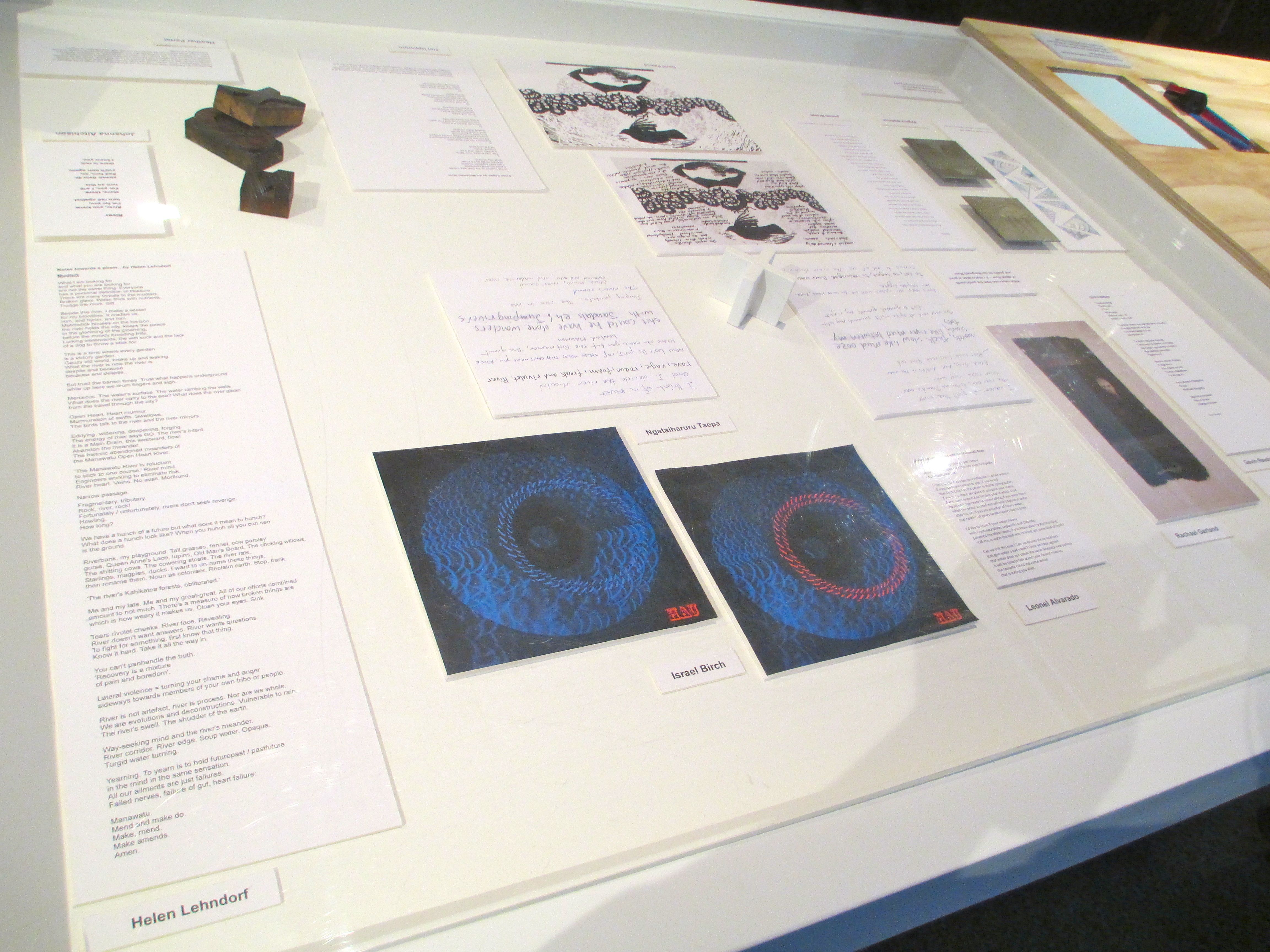
    In support of the exhibition, the poets and artists have their drafts/sketches on display in a cabinet. The idea of this was to share creative process with the public.

    It is a little bit exposing to have my scrawling, messy poem draft on public display, however I believe in the reason behind it (sharing creative process). (It doesn’t help that the other poets seem to have basically ‘cheated’ (I say this jokingly) and submitted fairly polished, finished poems for display so mine looks all the more deranged. Ha ha!) Oh well, all I can say is I STUCK TO THE BRIEF.

    Here is the cabinet with the sketches and poetry ‘drafts’. My mess is on bottom left – notice how much longer it is than the other ‘drafts’? Ahem.

    blackriver_5

    On Friday, there were already quite a few public responses. Here are some of my favourites:

    Whoever this person is, they have great handwriting…

    black_river_4

    River as hair + a great sentiment….

    black_river_3

    River is DEEP.

    black_river_2

    LOL, indeed.

    black_river_1

  • The Rope Walk is launched!

    Before I blather on about the launch of this fine, artisanally-produced book THIS IS WHERE YOU CAN ORDER ONE. GO ON. SUPPORT NZ POETRY AND INDIE-PUBLISHING. 

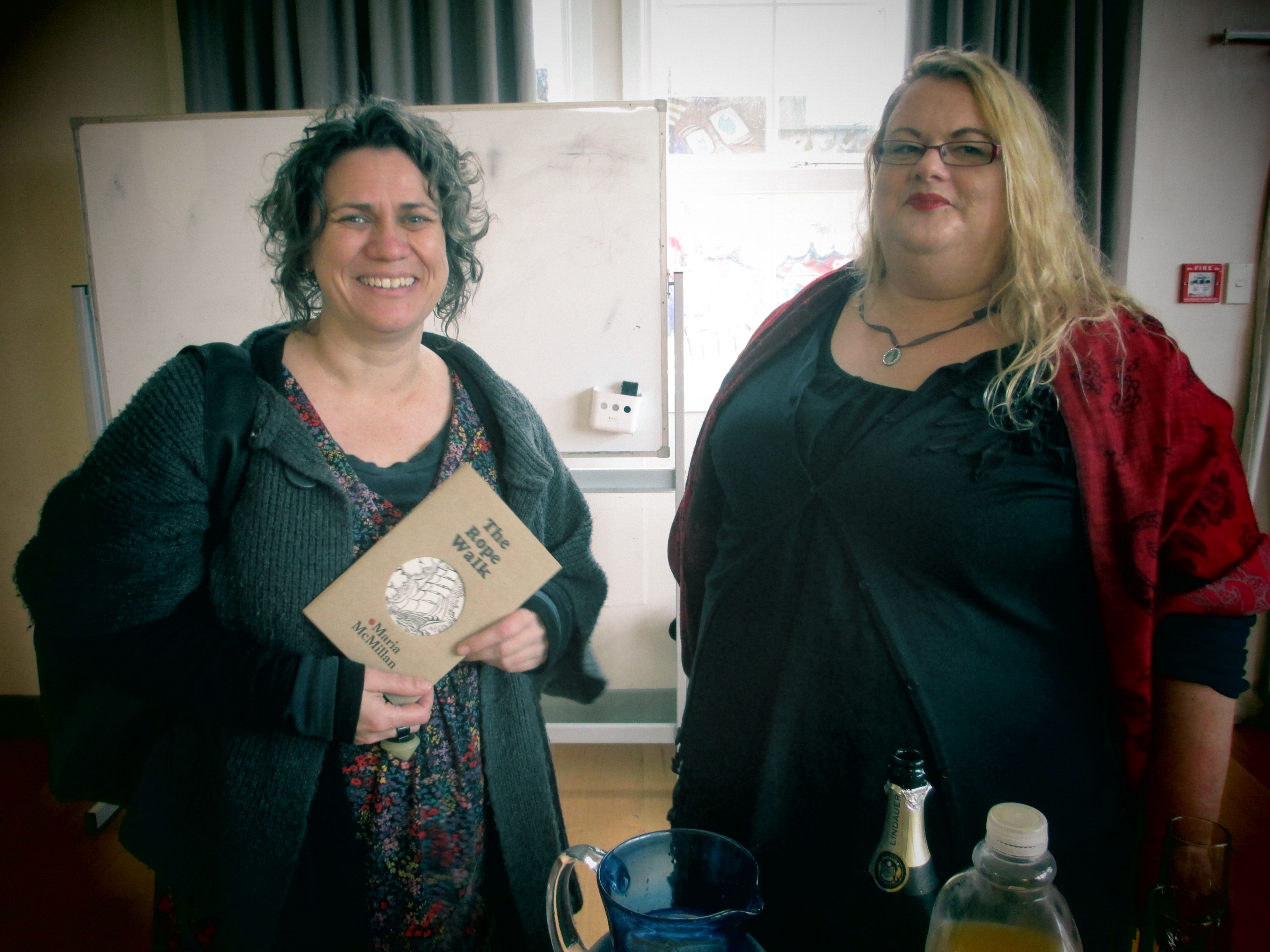
    On the weekend, I attended my darling friend Maria McMillan’s (I wrote a bit about Maria HERE) book launch at the Aro Community Hall. This is her first book and it’s with Seraph Press. It was a wonderfully warm-hearted event. The large turn-out and delightful people who attended were testament to Maria’s standing in the community.

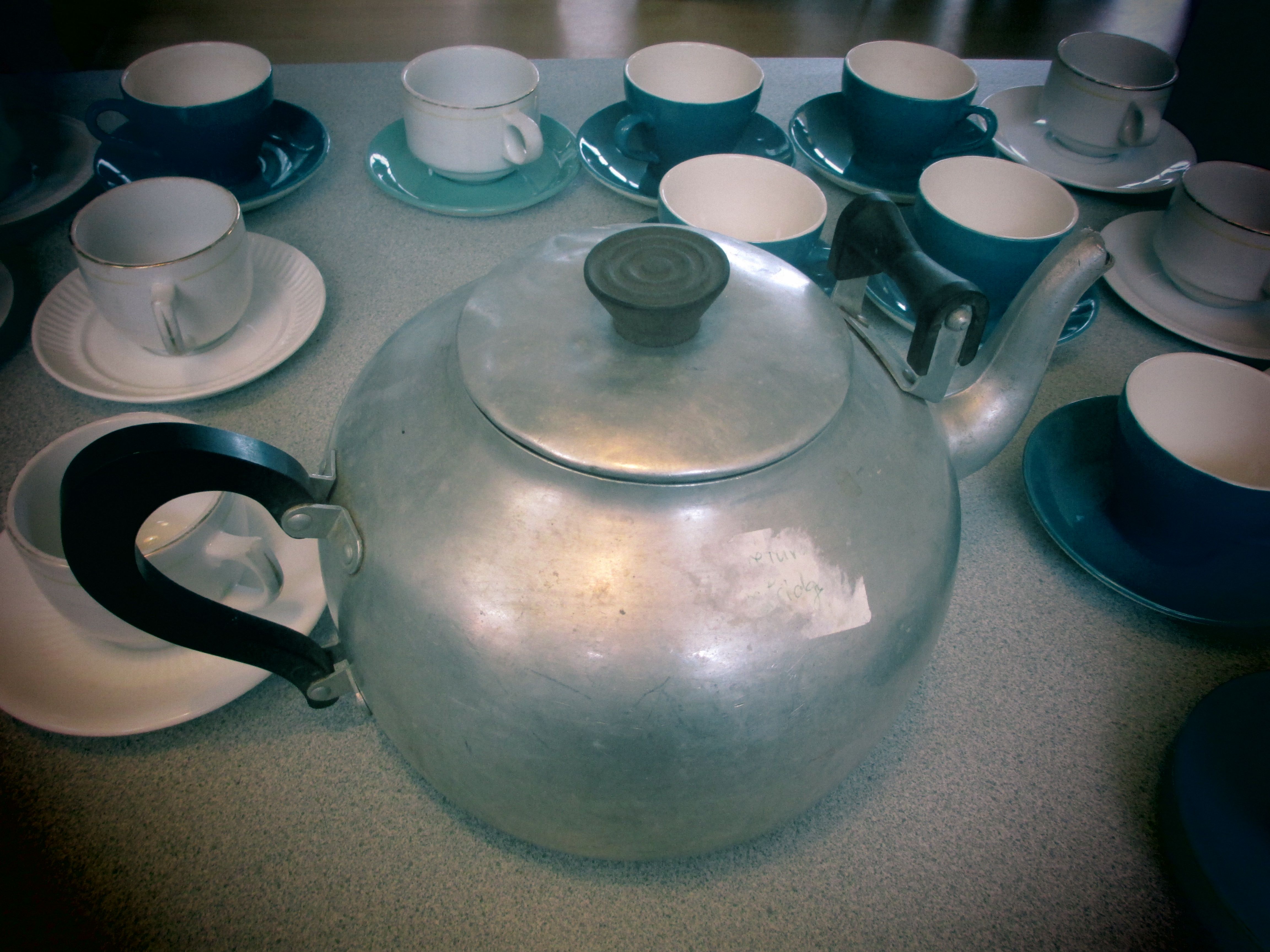
    TI associate Maria with tea and then another round of tea and then maybe some more tea but perhaps some toast this time, too….more butter please! I think I would like a giant ‘community-hall’ teapot for one-fill afternoon teas with all my mates.

    rw_2_cups

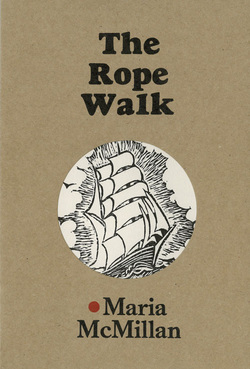
    Maria’s partner Joe Buchanan designed and letter-pressed the cover of the book, including the drawing of the ship on the cover. It is indeed a beautiful artefact with great attention played to paper, card, pressing, stitching. Book as objects d’art. But it is not all style over substance….the poems, an invented family history across multiple generations, starting with the first settlers are rich, detailed and poignant. For a chapbook, this collection is dense and satisfying. It has the heft of a full collection in a chapbook size.

    rw_cover

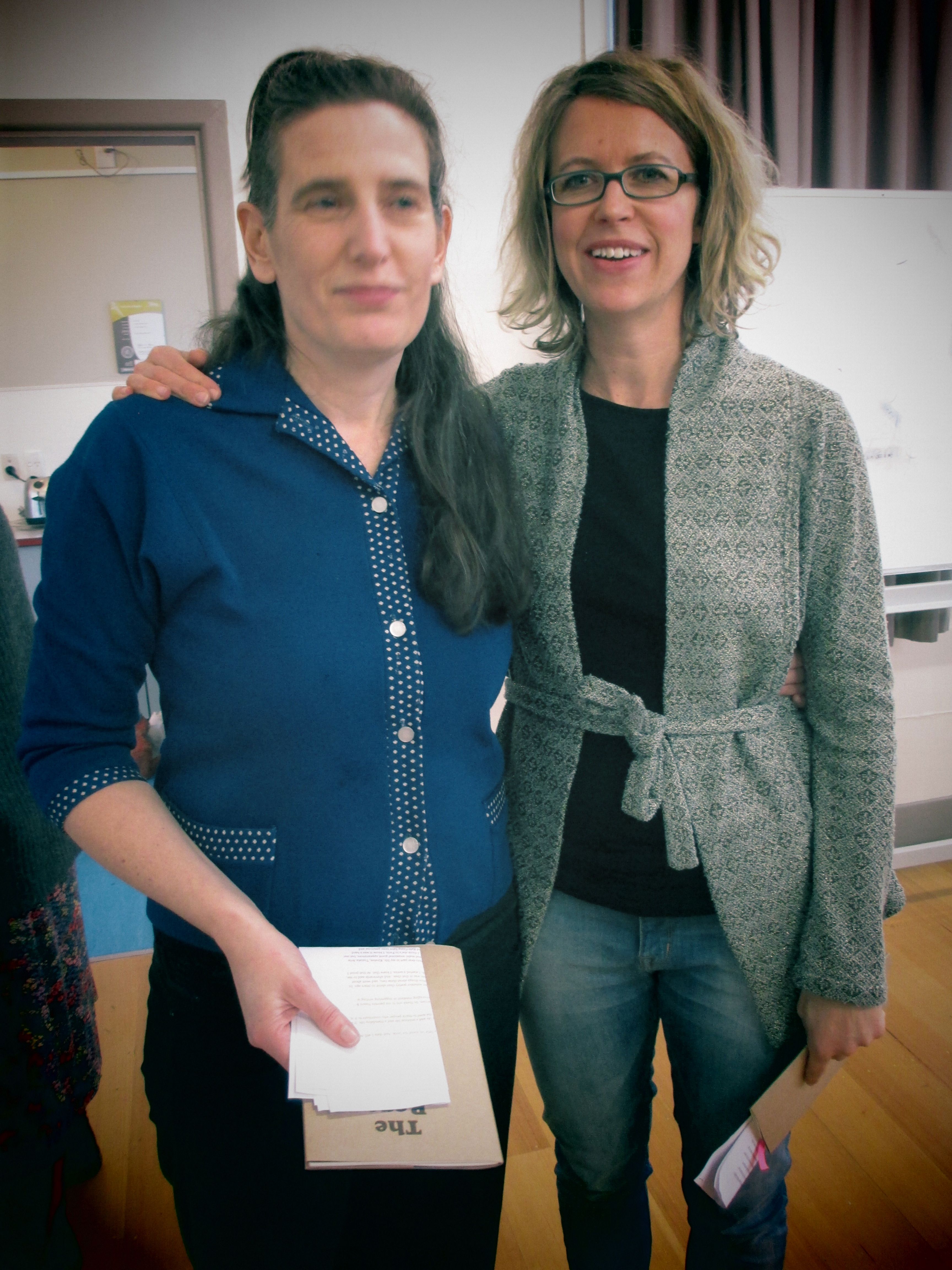
    Here writer Pip Adam (right) pulls her characteristic making-a-joke face and Maria displays her new shaved undercut…

    rw_3

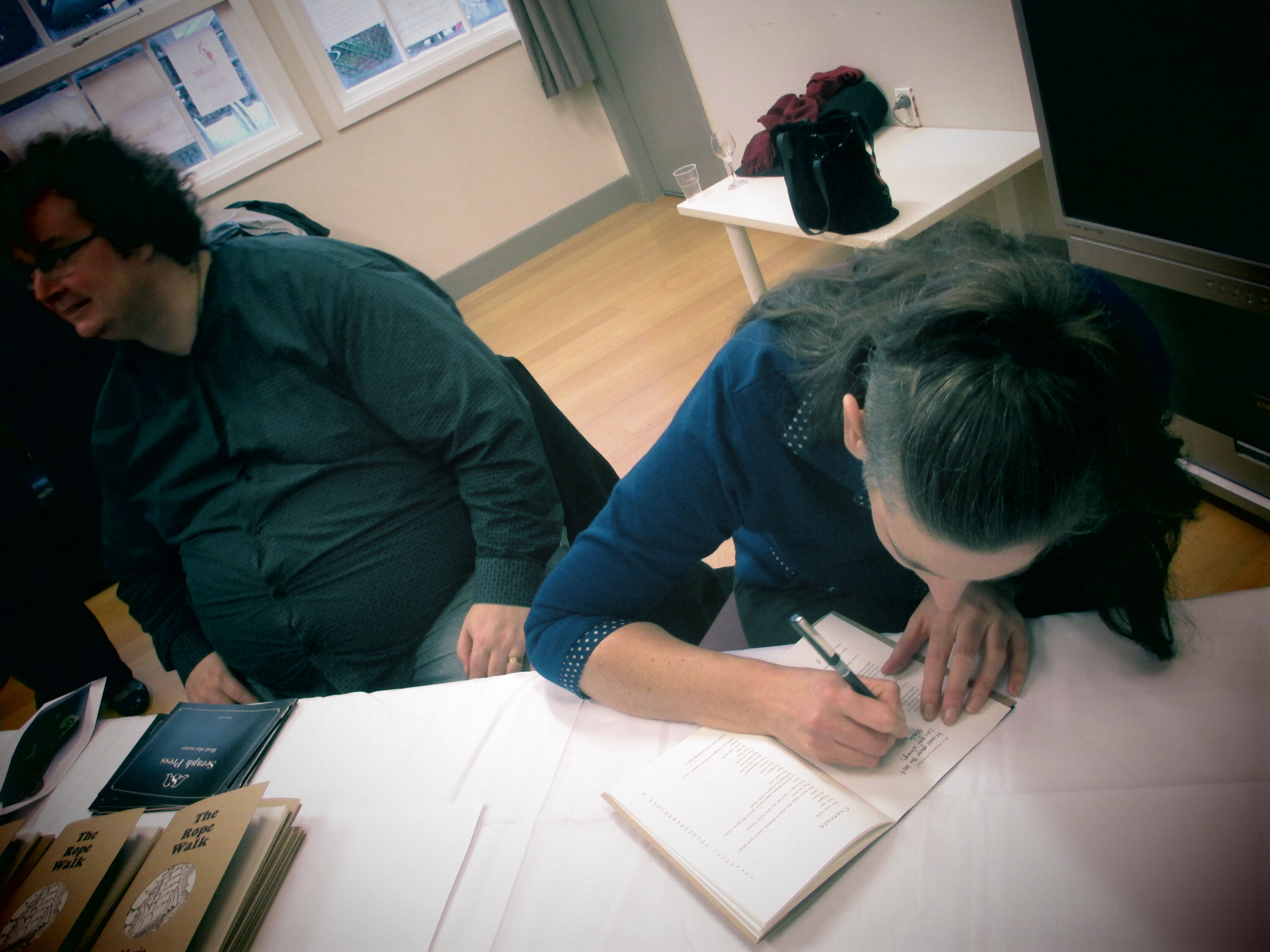
    Given our long writing history together, I felt all puffed up with pride during the launch…getting misty-of-eye during Maria’s speech, and feeling outright joy to see her signing books at the sale-table. This is the moment every writer longs for! (I remember how wonderful and weird it felt for me at my launch.)

    rw_7

    There were flowers everywhere – gifts from her friends. These ones on the piano were just a few of the gorgeous bouquets everywhere. Here is Maria giving her speech.

    rw_5

    Here is Maria with Kirsten McDougall who launched the book and gave a thoughtful and celebratory speech.

    rw_4

    Here is Maria talking while Seraph Press Editor Helen Rickerby looks on…I liked this shot because you can see HR’s trademark stripey tights:

    rw_6

    Here is Helen Rickerby again with writer Helen Heath who is doing a bit of unsubtle product placement:

    rw_1

    Congratulations, Maria and Helen, on a wonderful book and a delightful launch. x

    (Maria blogs HERE. )

    Finally, writer Janis Freegard bidding me (and now you!) farewell in her fantastic panda-with-paws hat/mitten ensemble. Janis always has the best accessories!

    rw_8

  • Interview with Johanna Knox author of ‘A Forager’s Treasury’

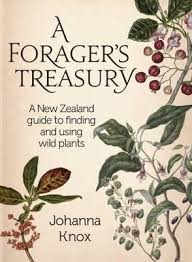
    forager_treasury_coverAs a keen forager myself, I was so excited to hear that my friend Johanna Knox was writing a foraging guide for New Zealand, but despite the fact I was pre-disposed to like it, I am truly impressed and in awe of what she has produced. It is a beautifully written, helpful and down-to-earth book with great illustrations and in a handy format for toting along on foraging expeditions. I talked to Johanna about foraging recently and here is what she said:

    HL: Congratulations on your new book, Johanna! Can you tell me how you got into foraging? 

    JK: Thanks Helen! I was always fascinated by all the uses of plants, and I experimented madly as a child and a teen. As an adult I got into it again after I had children. I saw the natural world anew – through a child’s eyes again. Plus I got interested in food activism, and foraging kept cropping up as part of that.

    HL: Why do you think foraging is an important skill to have? 

    JK: In the Western world we’ve grown so distant in our relationships with the plant kingdom. Obviously there are exceptions – all the amazing researchers and trampers and wanderers, and gatherers and growers like you, who are maintaining and developing give-and-take relationships with the plant world. But as a society in general we’ve become disconnected from the truth about how we need plants for our survival and wellbeing.

    If we forget how all that works, we also forget what plants need from us in return. That way lies disaster. So foraging is a fun and productive way to help revive that relationship.

    You can definitely save money foraging too! Plus it’s empowering to be able to look around you, wherever you are, and see the ingredients for food or medicine or perfume or dye. johanna_2 

    HL: What have you learned from your foraging adventures? 

    JK: To be patient about knowledge! To not try and identify everything and know all about every plant at once.  That’s just frustrating. You have to read and listen and think and observe, and gradually things dawn on you. You can short circuit parts of that process if you get someone to show you stuff directly, but you still have to do your own research and observation and thinking.

    HL: Do you dumpster dive, too, or is your ‘foraging’ restricted to natural foods? What do you think of dumpster diving? 

    JK: Dumpster diving is admirable. I haven’t been party to it since before I had kids. Maybe I’ll take it up seriously one day …  I like the idea of doing it as a 70 year old.

    HL: What would your ‘Absolute Top Five List of Things To Forage (even if you are not a keen forager)’ be, and why? 

    JK: This is hard! I reserve the right to change this list tomorrow.

    Today:

    Kawakawa: my first native plant friend, so easy to identify, so abundant, so useful in so many ways.

    Fennel: I never used to like fennel – it gave me a stomach ache, but once I learned to use it more subtly in cooking and also found you could dye things almost fluoro yellow with it, I gained a new appreciation for it.

    Nasturtium: Every part is edible – and nutritious – and medicinal in that mustardy old-time-remedy way … And it’s so decorative. Good for party foods.

    Elderberry: Gather the flowers around November, and the berries late in summer and gather heaps. Make bulk syrup and freeze it and then use it in everything all year round. It’s so expensive in shops, and so cheap to make your own. And this tree is not endangered in the slightest.

    New Zealand mint: I love it that New Zealand has a native mint. But like many New Zealanders it’s a bit reserved and self-deprecating. Tough though, with hidden depths … and it gets louder when you mix it with alcohol. If you can’t find it wild, grow it in your garden as a ground cover.

    HL: How has foraging changed the way you see the world? 

    JK: I think I have a much greater appreciation for New Zealand’s native plants now, what they need, and their enormous value in ecosystems, as well as all the amazing things you can do with them.

    HL: Do your family & friends ever get embarrassed when you forage and collect windfalls when you are out with them? 

    JK: Not so much embarrassed – just impatient! I always hope I can sweep them along in my own enthusiasm, but there are times when I have to accept they’ve got other things on their mind!

    HL: Do you forage for mushrooms? Just how dangerous is it? 

    JK: I have anxiety around fungi. I realise rationally that if you know what you’re doing it’s not dangerous. And I can identify certain fungi that are edible – like boletes and basket fungus… but I can’t bring myself to eat them.

    I gathered field mushrooms once, cooked them up, and ate them. I knew beyond reasonable doubt that they were field mushrooms. But for a couple of hours afterwards I was still hyper-aware of my body, and every odd twinge, wondering if I’d poisoned myself.

    I’ve been wondering if this goes back to reading the Babar books as a child.

    Do you remember that bit where the old king elephant eats a ‘bad mushroom’ and dies? There’s this awful picture of him lying on the ground all green and wobbly. That’s one of my most vivid book memories from my preschool years – staring and staring at that picture in horrified fascination, trying to comprehend it … Now I wonder if that book set me up for a lifetime of anxiety around wild mushrooms!

    Whatever the reason, A Forager’s Treasury takes a botanical approach rather than a mycological one.

    HL: Is there a foraged food you eat almost every day? 

    JK: There’s no one foraged food, but definitely a recipe I pull out more regularly than most others – that’s weed pakoras. It’s such an easy, substantial, satisfying way to use any edible weeds you can find near your house, and whip up a meal or a side dish when you’re running short of stuff in the pantry

    HL: What is your best discovery in terms of our native plants? (Recently, I had delicious tea at a cafe which had Kawakawa in it, and now I’m keen to try that.)

    JK: Perhaps harakeke. There are so many varieties, and you never stop learning about it. It’s just this most incredible multi-purpose plant – the nectar as a sweetener, the pollen as a nutritious condiment, the seedpods as a rich chocolate-brown dye (and I love the smell of them), the sap as a healing gel … and that’s not counting all the uses of the leaves as fibre.

    HL: Does foraging have a spiritual element to it for you, or is it strictly pragmatic? 

    JK: I’m not a very spiritual person I’m afraid. I was brought up in a family of geeky atheists. But I think science has served some of the same purposes for me as a spiritual or religious path might for some others.

    It’s given me a sense of awe and wonder about nature and the universe, a feeling of being just a small part of something grand and mysterious, and a reassuring sense of my own insignificance. It also helps provide the co-ordinates for a moral compass (however hard it is to follow that compass sometimes).

    I can’t say it’s helped me fully come to terms with human mortality – I’m still working on that one! But I have the impression many people on spiritual or religious paths struggle with that one too.

    When you’re out gathering, all those feelings and ideas certainly come into play.

    Thanks so much, Johanna! Over the next couple of weeks I intend to post a review of ‘A Forager’s Treasury’ and Johanna has also given me a recipe to share with you all as well.

    If you want to learn a little more about Johanna – look HERE. HERE is a recent review of the book, and there is a website which goes along with the book HERE.

    Happy foraging!


  • Graft is launched

    I went to a lovely poetry event in Paekakariki last Saturday – the launch of Lynn Davidson’s ‘Common Land’ (VUP) and a local celebration of the recently launched ‘Graft’ by Helen Heath (VUP). Both poets were interviewed by Paekakariki poet, Dinah Hawken. It was a lovely laid-back affair with mood-lighting, a traditional ‘hall supper’, wine, tea and live music after the poetry. Quite relaxed and wonderful!

    Here are Dinah Hawken, Lynn Davidson and Helen Heath:

    Here are two of my dear friends, whom I love very much and who will probably kill me for putting a photograph of them on the internet:

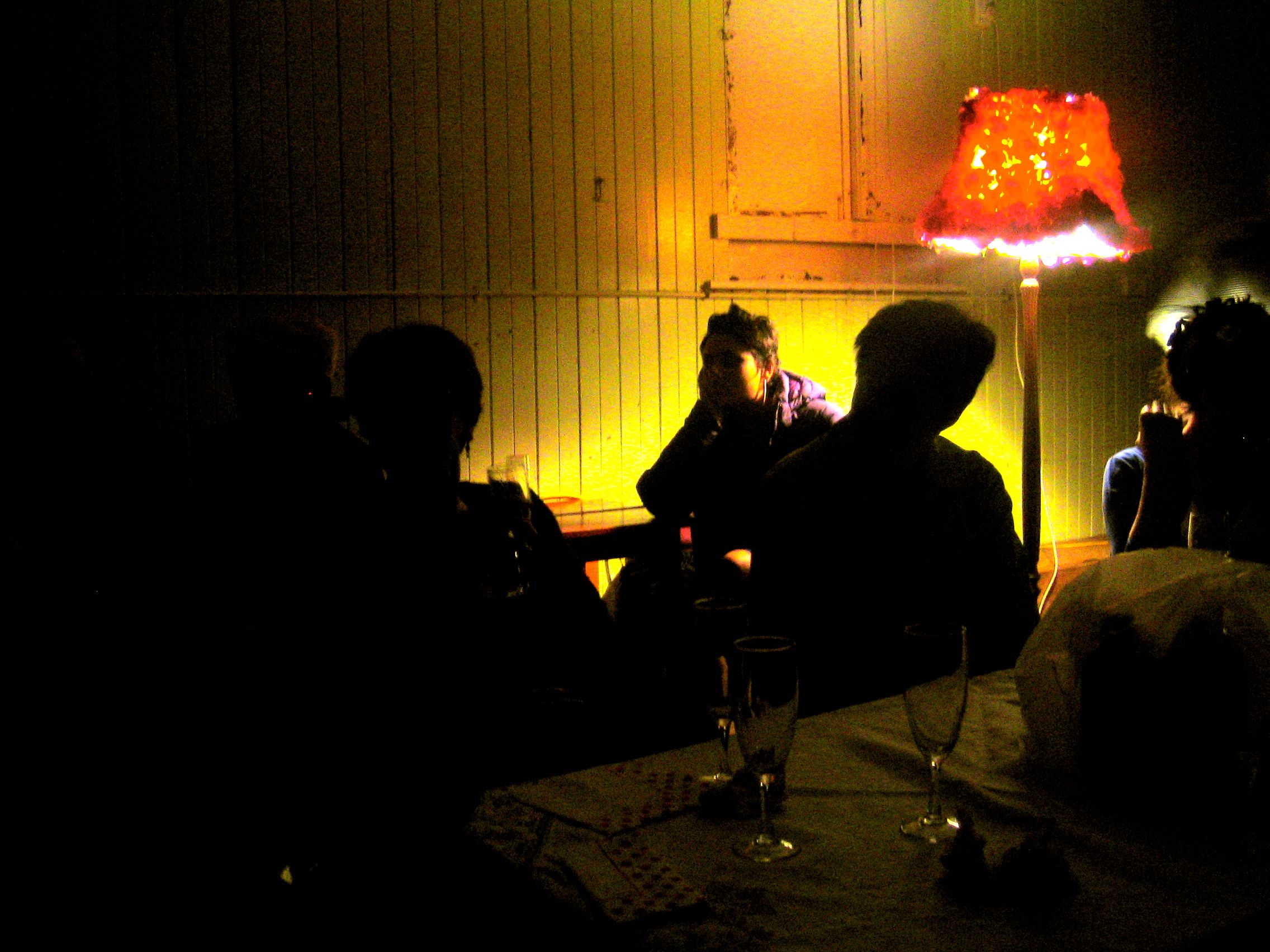
    Here is a random shot of some people enjoying the night – I wanted to show you the beautiful rose-lamp! :

    Congratulations, Helen, on all the ‘graft’ that went into this terrific book. It has certainly paid off – what a great achievement!

    ‘Graft’ is rich and carefully-crafted book. There are affecting and emotional poems about the terroire of motherhood and grief. There are sad/funny/sad poems about a composite character from the Hutt Vally called ‘Justine’. There are playful and moving poems about science and scientists. In short, there is a lot going on in this slim volume and it is a dense, satisfying read.

    Here’s to charmed evenings in little town halls, with moody lighting, poetry, live music and home-made lamingtons! I could do that every Saturday…

  • The David Merritt Experience

    I met David Merritt late last year when a colleague introduced us. We had a coffee and talked poetry and chickens and politics and I was very impressed by his dry, self-effacing humour and sharp-as-a-tack brain. When you talk to David it isn’t like the tennis of usual conversation: my turn, your turn, my turn, your turn, in measured thwoks….it’s more like chasing a snake through the grass – sometime he is right there, present and gleaming and you’re close – so close! and then he slips off into some elusive (but usually hilarious) tangent and you’ve lost him again.

    He’s a poet – a unique one, in that he makes small books out of the waste of other books (usually Reader’s Digest Condensed Classics which he rescues by the box-load from Dump shops because they don’t sell.) He tours the country, sitting on the street, making books, talking to people and selling his books out of a little wooden drawer ‘for the price of a good cup of coffee’.

    Last night he ended his latest tour of the country in Palmerston North (he lives kind of near by in Mangamahu) so I went along and it was a grand evening out.

    His performance is more ‘experience’ than typical reading, because he shuffles around the room, interacting with people so there is no illusion of the line between poet and audience, taking requests, talking and poking fun, laughing at himself and generally filling the space with his gentle, delightful presence and aroha.

    The night reminded me of a parlour performance I attended by the incredible actor Warwick Broadhead – there was the same invitation to people (not literally, but invoked) to engage, to be more present in their lives, to challenge what they are being offered and turn it into something better.

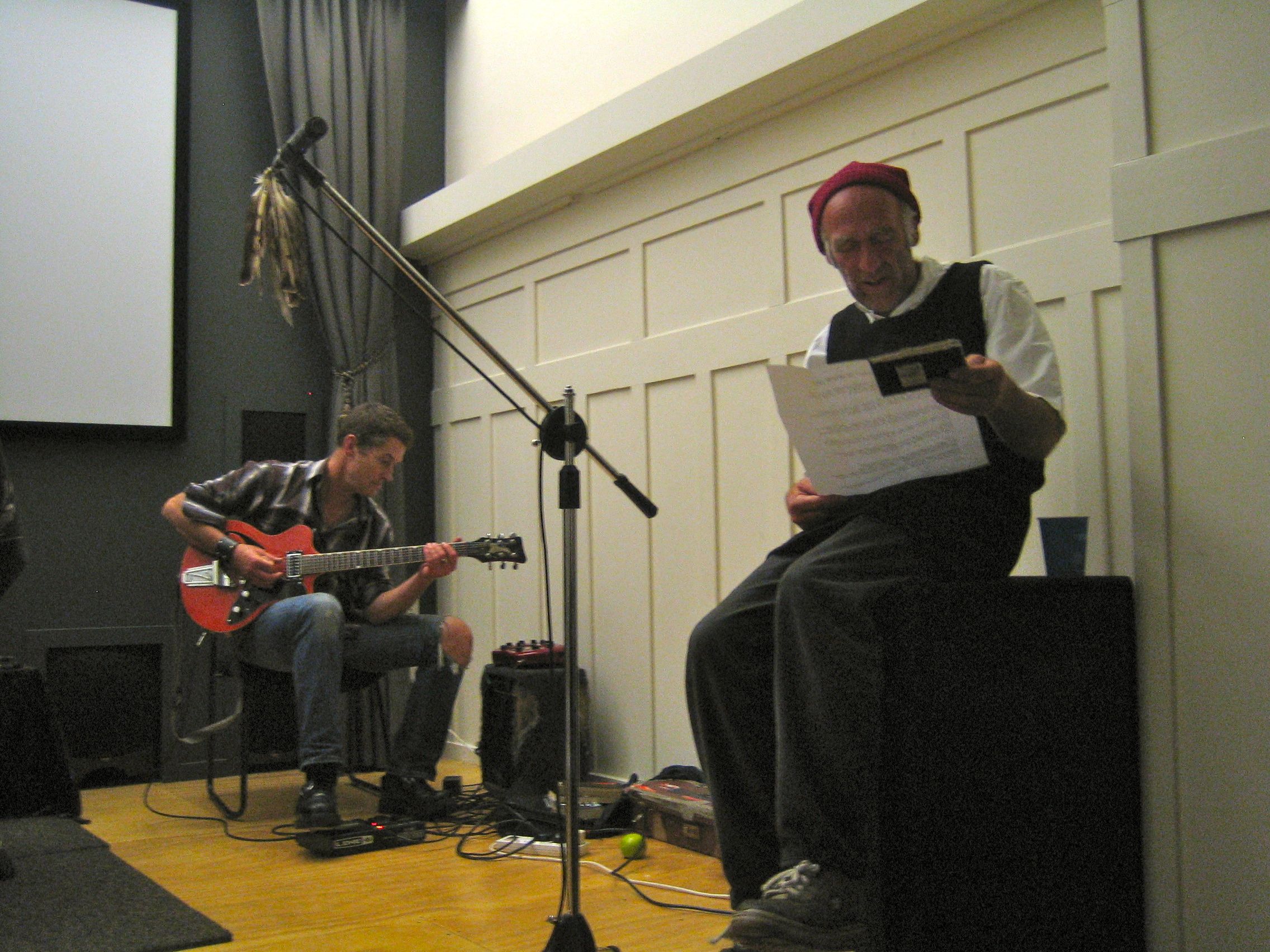
    The local ‘support’ act was Rob Thorne who does amazing things with Nga Taonga Puoru and effects pedals. Then David was accompanied by Chris Heazlewood (formerly of King Loser) on guitar playing incidental music between and behind the poems. The guitar playing was subtle and interesting and enhanced the poetry very well.

    There is no doubt from his poetry that David is a romantic – nature is beautiful and pure, jobs are for sell-outs, the disenfranchised are heroic, relationships with women are either high-romance or hate – however, I am entirely susceptible to this manner of romance, so heartily enjoyed it and found myself crying at one of David’s ‘barbaric yawp’-style poems exhorting the reader to shoot him if he finds himself in a litany of deadening situations – the kind that probably most of the audience dwell – suburban housing, day jobs etc.

    I had a great night and went home fizzy with ideas and inspiration. If the David Merritt Experience passes through your town – I reckon you should definitely make the effort go. It is entertaining, involving, funny, moving and much, much better than anything on the TV.


  • open heart

    (Life is)

    “…a slow, elated, awed recovery

    from humiliation.”

    -Geoff Cochrane

    On New Year’s Eve we climbed the hill behind the house and drank wine until the sun had gone. I gnawed on grass stems because they tasted like peas. When clouds crossed the moon, I couldn’t see your face and you talked about the ways next year would be ‘awesome’. I say ‘I can’t remember much about this year except that most days I felt tired and thought it would get better tomorrow.’

    We talk for a long time about ‘isms’. You are giving them up. I am keeping a couple. ‘Why can’t you just do Helenism?’ you say. The isms start to cause schisms. I switch to home-decorating. I tell you that a warm colour would be better for you in winter – Indian spice colours to warm you up, but you are set on hot pink, ‘1977 punk-rock pink’ you call it.

    Then it’s midnight and the countryside doesn’t care. We wait for the clouds to clear so we can find our way down again. The dog has come to find us, and the two cats, their bells tinkling in the long grass. Sheep are nestled under the ridge and don’t stir as we walk past. Around the north side of the hill we cast long moon-shadows.

    ‘Look’ I say ‘We have moon-shadows, like the Cat Stevens song! And there I was thinking that was a load of hippy bollocks all these years.’

    I make tea for drinking on the porch because the wine is making my gut sour, but then it feels very late and too cold to be outside. I have so much to tell you but I can’t think where to begin so I talk about the band playing in the Square on Waitangi Day and how long it takes to drive to Paekakariki from here.

    I start to shiver. ‘I need some sleepism’ I say. You swallow down a handful of vitamins with the last of your wine. The animals bolt off inside to avoid being shut out.

    I go into dark rooms to check that my children are still breathing. I notice how the quieter I want to be, the more the floorboards creak. The microwave casts a dim light across the kitchen, it’s LCD screen says ‘Err’.


  • ‘The Comforter’ launches (1)

    It’s early Monday morning and I just said to my editor, Helen Rickerby ‘Isn’t love the best drug? because I am still high from all the love at the launches!’.

    Helen and I did two launches, in two cities in two days! They were both really beautiful and special in their own ways.

    For a taster of the Wellington launch, Emma McCleary has written a post about it HERE.

    I held it together pretty well through both launches, but at the blessing part of the Wellington launch, (the very end of the formal bit) I lost it completely and cried like a baby, which was a little embarrassing, but then my friend Ben said: ‘Don’t worry. It just made it more ‘Helen’.’ Interpret that however you like.

  • snatched creativity

    Mothers who are also creatives (writers/artists/musicians etc) are extremely resourceful in terms of snatching creative time from days that fill up (and sometimes overflow) with children and domestic stuff and work.

    I feel like everything I make is done in intense short bursts, taking half an hour here, an hour there, ten minutes over here to quickly write/stitch/grow.

    Like most creative mothers, I look back on how I spent my pre-children time and shake my head at the ‘waste’….ha ha. But to do that is silly and ‘mooching’ is an important part of being young.

    It’s an interesting issue. On one hand, I get enormously frustrated at the lack of time I get to spend on creative work, I long for the space to deeply engage with the thinking and processing needed for quality creative work. I daydream about what I could create with more time.

    On the other hand, my creative ‘muscle’ is in peak condition. I can whack out a poem draft in a stolen ten minutes, I can add another layer to a journal collage while I wait for pasta to boil, I draft writing in my head while taking the kids to the park – scrawling notes on the back of receipt.

    Something about the urgency of snatching the time makes me more determined, more tenacious. I value my time more than I ever have before and I try not to waste it. I am good at saying ‘no’ to things I don’t really want to do (a skill which took YEARS of conscious work.)

    I feel like I could write lots, lots more about the topic of mothers who are creatives (maybe I will when I get time – lol). I would love to hear from you about how you cope with the twin demands of children and the creative compulsion…? How do you cope? What methods have you employed to stay sane and keep in the flow?