Category: eco

  • the L-family’s beautiful permaculture garden

    One of my favourite things to do is to visit other people’s vegetable gardens and have a good nose around…I always learn so much and get inspired to go home and get into my own.

    Here are some photographs from a beautiful, well-established permaculture garden on the Kapiti coast I visited in late spring last year.

    Here is their garden photographed from just beyond their porch, you can see this from the house:

    aands_1

    I loved the way they had their main crops (potatoes, corn) in large clear beds, their salad crops growing more ‘wildly’ in the shadey edges, and they had planted an orchard at the foot of the garden which doubles as the chicken run…the chickens keep the grass from around the base of the trees (most fruiting trees don’t like grass growing around their bases), and the chickens fertilize the trees with their poo…meanwhile, the trees offer shade to the chooks, and food, too. (Unfortunately for my chickens, the two huge trees in their run are feijoa trees, and it seems chooks don’t like feijoas, so no happy harvest for my lot!)

    aands_2

    Everywhere I turned there were different crops – here you can see salad vegetables, calendula, dark leafy greens and garlic…

    aands_7

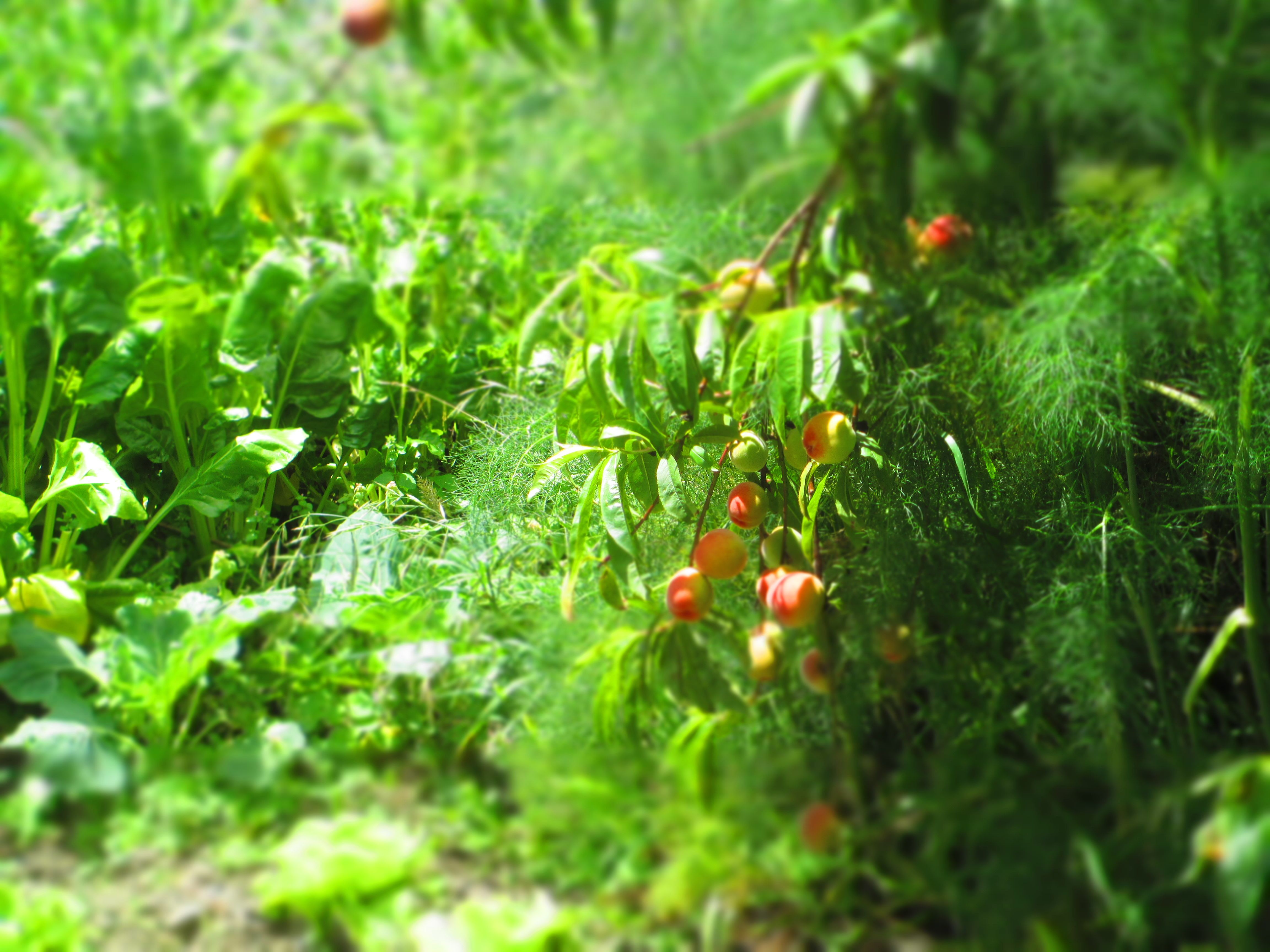
    Near the house was an absolutely beautiful peach tree sorrounded by fennel, with flawless fruit dripping off it. I sat under it for a while – it sure was a special tree – and took a bazillion photographs…but I’ll just share a couple with you here as you may not find photographs of peaches so mesmerising as I do.

    aands_8

    aands_9

    Beautiful hand-woven baskets and seedling pots made from newspaper…

    aands_4

    aands_5

    I noticed they had a ground cover of red clover, too.

    aands_10

    I have another vegetable garden visit to share with you, soon. I hope you enjoyed this one!

  • recent reading, ongoing thinking

    readinggirl

    I noticed a theme in my reading recently – lots of books with ‘Wild’ in the title! I am reading and writing about nature/bioregionalism/ecology/contemporary spirituality….so I guess ‘wildness’ is a thread through all of these things.

    The Wild Places, by Robert McFarlane

    Wild, by Jay Griffiths (This book remains my favourite book IN THE WORLD EVER.) 

    Wild, by Cheryl Strayed

    Wild Mind, by Natalie Goldberg

    Maybe I would read anything with WILD in the title?

    Robert McFarlane’s book led me to…

    Waterlog, by Roger Deakin – a remarkable account of Deakin’s desire to swim in as many wild waterways as he could across the UK. (Roger Deakin was an incredible person who seemed to live almost in an alternate universe where he was part-tree himself. )

    In fact, this is the trajectory so much of contemporary nature writing takes – a person leaves the urban environment and takes off to the waterways or the wilds, the forests, the mountains and then experiences the edges of their pathetic humanity and learns a pile of stuff about themselves. It’s compelling stuff! Escape, edge-dwelling, deep nature….

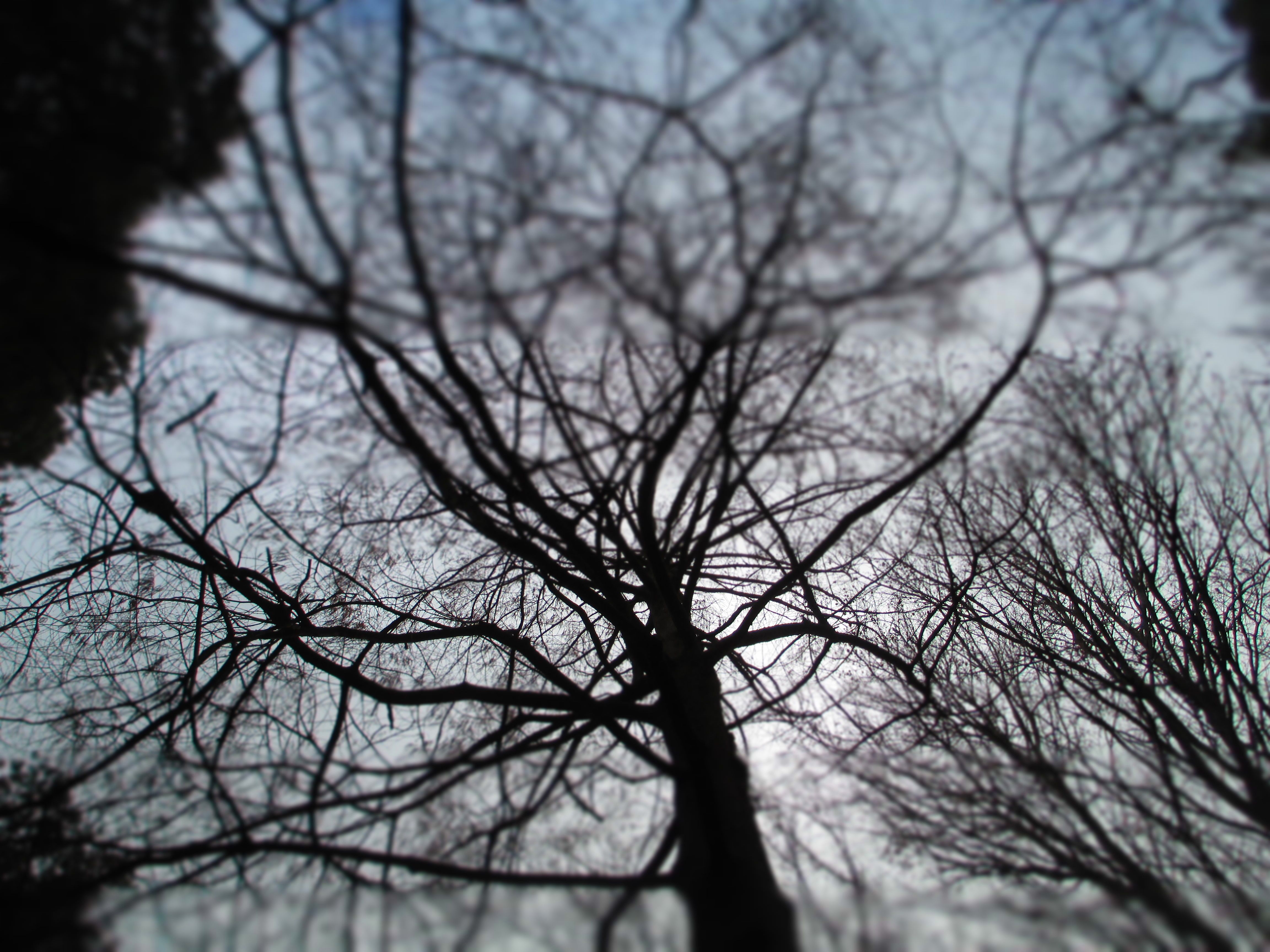
    tree_reaching

    As inspiring and firing as these books are, though, I cannot write this kind of book. I am a mother of two children, tethered by family to a small suburban piece of land in a medium-sized, unsensational city. So my challenge is how to extrapolate a compelling narrative from my own situation.

    To my rescue (to some extent) comes bioregionalism, Urban Resilience movements and Transition Towns giving me a steadfast political framework to staying put in the urban environment and making the best of it, or making it better more to the point.

    I am on the hunt for any books which address the URBAN ‘wilds’, or ‘domestic’ nature narratives, so please do suggest some if you know of any.

    One I read and thoroughly loved recently was ‘Feeding Orchids to The Slugs’, a book about a woman becoming a Zen Retreat cook.

    How do you write a compelling nature-based narrative when you live in suburbia and can’t stray very far? This question is at the heart of my project.

    So far, I’m finding it’s all about ATTENTION, rather than literal travel. That the ‘wild’ is as much within as without.

    ‘To pay attention, this is our endless and proper work.’ -Mary Oliver

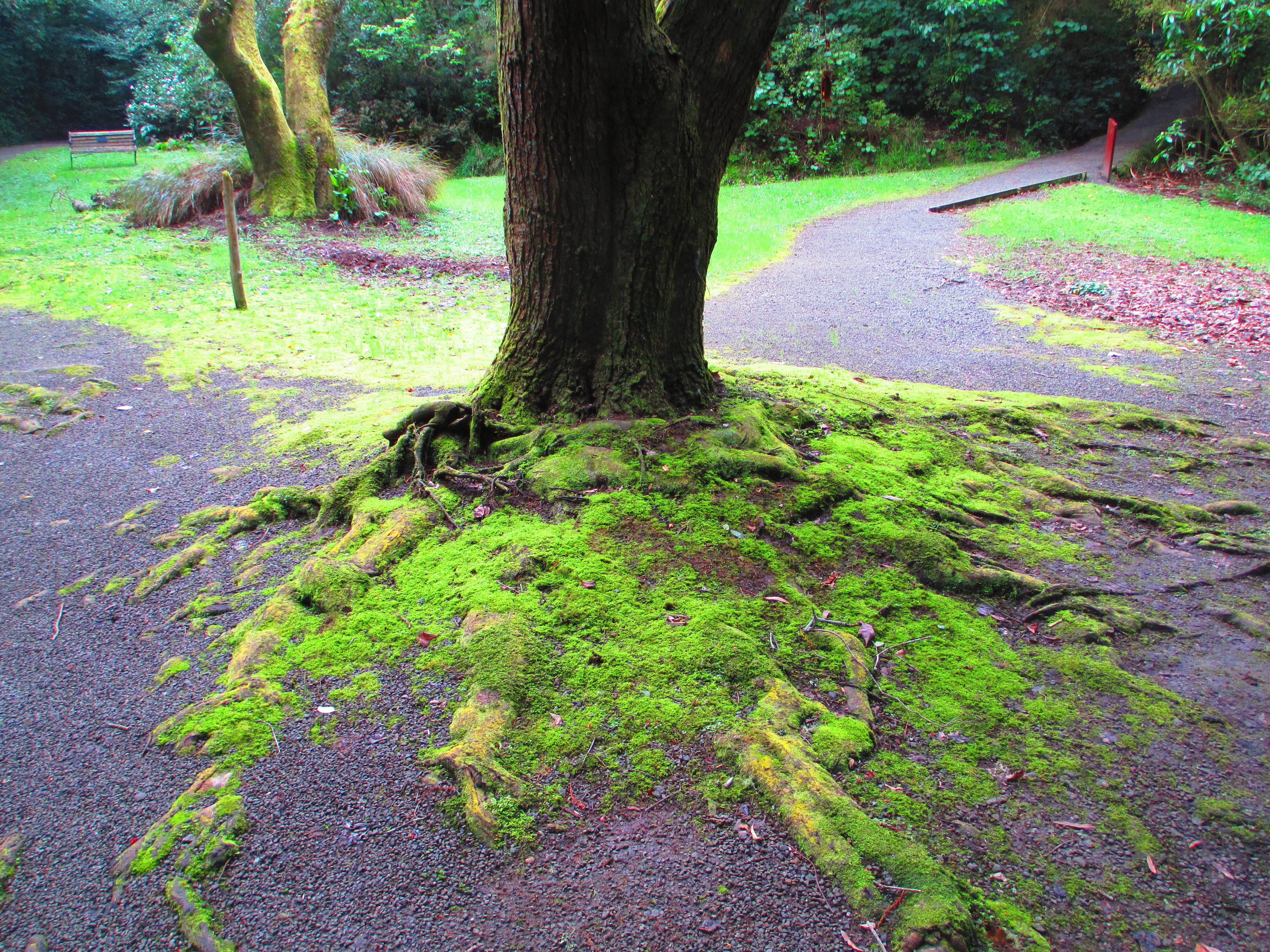
    treeroots

  • picking up what the wind drops

    I took a walk to a nearby section where an old house had recently been demolished. They are building shops there. I dug up a wormwood plant and rescued an iron gate from a skip which I’ll use as a frame for beans in the vegetable garden. 

    When I walk I am looking for stray plants and clues of what other humans are doing, their leavings, their signs.

    So many gardens are neglected and full of mistakes – odd plantings, strange schemes gone wrong. It’s a lexicon of thwarted plans, migration, human error. But I love all the gardens, all of them. I love where weeds come in and grow where no one thought there was any dirt. I love the twee tidy gardens around the brick units where the widows live – all pansies and polyanthus and tight little roses. I love the student flat gardens with the crushed comfrey and the gnarled old lemon trees. There is a place deep in my heart for the gardens inside the gates of kindergartens – old tractor tyres full of marigolds and strawberry plants, glitter and matchbox cars.

    These dahlias were planted behind a tin-shed, hard up against a damp bank…..in entirely the wrong place and where no one can see them (except me, because I creep and snoop) so I pick them and drop them at a friend’s door.

    white_dahlias

    I pick up windfall apples from the house across from the supermarket. They are a bit bruised but will do for pie. At another house someone has left ice-cream containers of passionfruit for $2 each on their fence. I take one and leave a coin in the letterbox.

    I don’t fully understand my own instinct for gleaning. It’s more than acquisition. It’s something to do with control, and side-stepping capitalism and burrowing into a universe where people trade in fruit and the urban environment is one big shared playground. I like my own company but I spend too much time in it and then I read the street and try to draw meaning from the random and the incidental.

    Occasionally a garden is stunning and special and makes perfect sense, but these gardens are rare:

    holloway_1holloway_2

    Right now, there is an American oil company doing exploratory drilling in the hills near Dannevirke. If they find enough, they have plans to frack for oil. Local farmers and  Iwi have been protesting there this week and it is getting almost no media coverage. There are similar exploratory tests going on near Whangarei, but for gold.

    I have been following the effects of fracking in Pennsylvania, USA where fracking for natural gas has been happening for some years now. None of the news is good. Profound pollution, deformities and stillbirths in animal stock, rising cancer rates and the tap water is flammable.

    Hold a lighter to your running tap and it lights up. Imagine.

    Parts of the Manawatu River are so polluted from intensive dairy farming and factory run-off IT SPONTANEOUSLY CATCHES FIRE.

    Water on fire. Water on fire.

    On the way to pick the youngest up from school I pass a house with a big walnut tree. There are walnuts all over the path, so I pick them up. I always carry a cloth bag in my hand bag for spontaneous foraging. It’s like maybe if I notice the trees enough, maybe if I honour the fruit enough, maybe if I pick up enough windfalls and rescue enough plants….maybe then…? Maybe then.