Category: food

  • Winter is a great time for harvesting volunteer ‘microgreens’ from your garden (or local park)

    (Above: today’s bounty from a little wander around my own garden.)

    Do you buy sprouts, bags of mesclun mix or microgreens from the supermarket?

    Winter is a great time to find volunteer (‘weed’) microgreens, or young greens, around your garden or local park for FREE!

    Because of winter’s rain and damp, the young weeds will be beautifully bright green, healthy and not heat-stressed.

    To share some likely contenders with you, I took a walk around my small urban yard and here’s what I harvested.

    I took care to only harvest volunteers/weeds and nothing that I’d planted intentionally. (Violet grows like a weed in my yard.)

    The trick is to just harvest the young leaves, or the tips in the case of the dead nettle.

    These wild ‘microgreens’ can be used in a salad, or chopped and sprinkled on top of soup, or in sandwiches, or blended into a smoothie…the same as you would use supermarket or homegrown microgreens.

    I numbered the plants for ease of ID-ing them:

    1. Nasturtium leaves. These are peppery in flavour so great in salads and on sandwiches, not so great in smoothies.
    2. Dead Nettle tips. Great stand-in for lettuce.
    3. Young violet leaves and flowers. Use in salad or cook as your would spinach.
    4. Young ribwort plantain leaves. Important to pick the young ones as the older ones get stringy. The young leaves have a nutty flavour.
    5. Chickweed. Such an enthusiastic garden volunteer. Use the young growth and chop finely.
    6. Young dandelion leaves. These add a nice bitter element to a salad or sandwich. Not so great in smoothies.
    7. Oxalis (known in the UK as ‘wood sorrell’ and the USA as ‘sour grass’) Has a sour, lemony flavour similar to sorrell. Use just a little at a time as it contains oxalic acid. Treat it more like a herb than a main vegetable.
    8. Young mallow leaves. Mallow (also know as ‘Malva’) is a much-used vegetable in Middle-Eastern cuisine and parts of Italy. You can make dolmades with the leaves in place of grape leaves, making it useful during the winter when there are no grape leaves about. Young leaves are good in salad or cooked like spinach.

    & of course, these plants have medicinal properties as well, (most plant food does.

    I hope this inspires you to have a close look at what might be growing in your own back yard and save yourself a little money (or time) by eating some of the weeds around you.

    Let me know in the comments if you have any questions.

    Do you eat any of the weeds in your garden?

  • Slow-Small Media for the Weekend

    Introducing … Slow-Small Media for the Weekend, a weekly digest of things which have caught my eye lately. My hope for these digests is that you can curl up with with a cup of tea over the weekend and enjoy these things as an antidote to the overstimulation of social media. 

    A read

    I’ve been enjoying Kirsten Bradley’s new art/writing project about moon literacy and garden tending.  If you like thoughtful writing about land tending and community care coupled with an art practice (cyanoptye) and folk herbalism…this is for you.

    Her article about progressive pickles and caring for her child particularly resonated with me. I, too, have had to let go of a lot of ideas about what loving family routines ‘should’ look like. I have a family member who dislikes eating with us. He eats his meals alone out on the porch.

    Kirsten writes: 

    ‘I have learned that insisting that we do things in the Family Way (…) was something I needed to let go of. (…) 

    Care can look like learning to pay close attention to what is actually doable for this kid, this day, rather than assuming I know better and pushing them too far.’ 

    Read the full essay here. 

    If you have time, read her other essays, too. All rich, contemplative stuff about nature and art and care. 

    A song

    When I find a song I love, I listen to it over and over and over. It feels like spending time with a friend. This has been my song of early autumn: ‘Time to Bide’ by New Zealand artist, Monty Bevins. It’s a whole journey in one song and a great example of song as storytelling.

    I love the spaciousness of the beginning. The song begins in Māori and then switches to English. Then just as you think you have a handle on what the song is going to be… changes pace. It is a song which demands close-listening. 

    + It’s a song that references cold weather and fires so it is a beautiful one to play loudly beside the fire. 

    Read more about Monty here. 

    A zine

    The Theme Zine is a project which brings together an international cohort of artists and writers to collaborate on zines based around set themes. Their latest issue’s theme is ‘Nature as Sanctuary. It’s beautiful short read (and best read on a laptop so you can enjoy the art). 

    An artist crush

    I love the work of American artist Chelsea Granger. I have her plant oracle deck The Dirt Gems and it is just stunning. Her work is so beautiful, humane, colourful, intimate. It feels like steeping into another world…a better one. If you tap the first tile on the top left, you can then view all her art as a slideshow. Trust me, it’s worth it. You’ll feel better about the world afterwards. 

    A watch 

    I found this short (12 minute) film about the ARK (Acts of Restorative Kindness)rewilding movement so soothing and nourishing for my nervous system, I’ve rewatched it four times over the last week.

    It’s got me thinking about where in my small garden I can intervene even less and ‘rewild’ small pockets for all the other creatures I share this little patch of land with. We (humans) like to try to be in charge of our gardens…it takes some real reprogramming (deprogramming?) to let go of control and let nature do what it is so good at, romping greenly. 

    Read more about the ARK movement.

    + I recommend Mary’s two books, also. I’ve read both and they are beautiful and inspiring. 

    A recipe

    If you were too busy in late summer to make a tomato kusundi, Nicola Galloway has a fantastic version made from feijoas.  If you like Indian flavours and haven’t tried kusundi before you will love this spicy, aromatic pickle. It’s a great thing to have around to liven up winter sandwiches. 

    Or if you are in the northern hemisphere, where spring weeds are springing…here’s a great recipe for wild weed pesto with a guide to some suitable weeds. 

    *

    This weekend I’m planning on sharing a morning tea with friends, making Nicola’s kusundi with our feijoa abundance, painting a new sign for the sharing shelf (the orange one in this post got stolen) and digging up some of my abundant strawberry and yarrow plants to share. 

    Tell me what you’re getting up to in the comments. Happy weekend, friends! 

  • ‘now we recognise ourselves less and less’

    (Above: plastic rubbish I picked out from my vegetable beds last week. I collect around this much rubbish each time I tend or harvest from my vegetable beds.)

    I enjoy the writing on The Dark Mountain Project. It’s an ongoing project (based in the UK) that publishes ‘uncivilised writing’, holds gatherings, creates a space for conversations about all manner of unsettling and challenging elements of living at this point of human history. There you will find writing beyond polite eco poetics or nature writing that merely holds nature in a human/nature binary of saccahrine reverence. I don’t always agree with what I read there and that is why I like it.

    Last week I read this piece by Amy Kennedy from the most recent issue with the theme of ‘bodies‘.

    At first it seems a deceptively simple piece of writing, Amy describes a group of parents at a childrens’ birthdday party. One of them brings up the subject of the finding of microplastics in human placentas. The piece explores plastic: our culpability and the unavoidable enormity of the tsunami of plastics in our lives.

    I have a fairly high threshold for ingesting media about climate collapse and environmental degradation. I don’t have my head in the sand.This is not because of courage but more that I am an anxious person who approaches life in a ‘forewarned is forearmed’ sort of way. I like to know something of what’s coming so I can consider in advance how I might respond. (I’d prefer not to be built this way but there is only so much you can do about your neurological wiring.)

    I was surprised by my visceral reaction to this piece with it’s blunt presentation of human culpability in terms of the use of plastics and refusal to look away from the idea of microplastics in human placentas, in human bodies. ‘Now we recognise ourselves less and less’, Amy writes. A familiar feeling for the eco-anxious amongst us and a statement that works on many levels.

    A few years back I wrote a poem in a similar vein about digging up the backyard of my crappy Wellington flat to grow food for my oldest son when he was a baby …only to years later find out that backyard had been a dumping ground for old car bodies and broken machinery and was no doubt full of petrol and lead and other toxins. In my youthful naiveté, I hadn’t considered the urban soil’s history.

    These human missteps we make in the name of love: a birthday cake served with a plastic fork, feeding a baby mashed carrots grown in polluted soil…the hell we plod towards on our road of good intentions.

    The depth to which I was triggered by Amy’s writing surprised me at first (I thought I was made of tougher stuff by now). But then when I thought about it, I realised it touched on a tender spot in my own gardening practice…a spot where I choose to put blinders on.

    I live in the centre of a city. Every time I weed or harvest from my front yard garden (tended so carefully with the best organic soil amendments and lovingly homemade compost) I fish bits of plastic out of my garden: plastic bag fragments, fruit stickers, junk food packaging, lollipop sticks. Some of it seems to get into our compost somehow, despite careful sorting at the kitchen end. The plastic in the vegetable beds seems to blow in from the street.

    (I wondered if this plastic trash were an urban problem but a friend who lives rurally said that there is just as much plastic trash out her way, in the road gutters, in streams, from the plastic packaging of hay bales and farm products.)

    I throw the bits of plastic into a colander that I have with me in my harvest basket then put them in the rubbish bin where they will travel in a plastic bag to the plastic afterlife, which is to say slowly deteriorating into microplastics in the city’s landfill.

    I dwell in a space of both knowing that I have my stubborn blind spots (the macro and micro plastics in my own food garden and in the soil I am creating in my compost) and also having no inclination to stop. I will carry on composting. I will carry on growing food in this microplastick-y soil I am making.

    I enjoyed this essay about composting by Scottish writer Fraser MacDonald (found via Pip Lincolne) He, too, is carrying on composting on despite tangible evidence of plastics in his compost. He writes:

    ‘I make my own compost so that I can convince myself that even when the world seems socially and ecologically broken there are still mechanisms for recovery: it shows that change is possible. Composting is a simple habit of composition or gathering together that integrates past fragments into a future whole, so that what matters is not the individual ingredients but the fertile new thing they can become.

    & that ‘fertile new thing’ possibly contains microplastics…yet still I persist in habits which put me squarely in the ‘doing’ space of the world, in flawed creative acts which give me a sense of agency and regenerate my spirit if nothing else.

    For that purpose alone I believe they are worthy.

  • the L-family’s beautiful permaculture garden

    One of my favourite things to do is to visit other people’s vegetable gardens and have a good nose around…I always learn so much and get inspired to go home and get into my own.

    Here are some photographs from a beautiful, well-established permaculture garden on the Kapiti coast I visited in late spring last year.

    Here is their garden photographed from just beyond their porch, you can see this from the house:

    aands_1

    I loved the way they had their main crops (potatoes, corn) in large clear beds, their salad crops growing more ‘wildly’ in the shadey edges, and they had planted an orchard at the foot of the garden which doubles as the chicken run…the chickens keep the grass from around the base of the trees (most fruiting trees don’t like grass growing around their bases), and the chickens fertilize the trees with their poo…meanwhile, the trees offer shade to the chooks, and food, too. (Unfortunately for my chickens, the two huge trees in their run are feijoa trees, and it seems chooks don’t like feijoas, so no happy harvest for my lot!)

    aands_2

    Everywhere I turned there were different crops – here you can see salad vegetables, calendula, dark leafy greens and garlic…

    aands_7

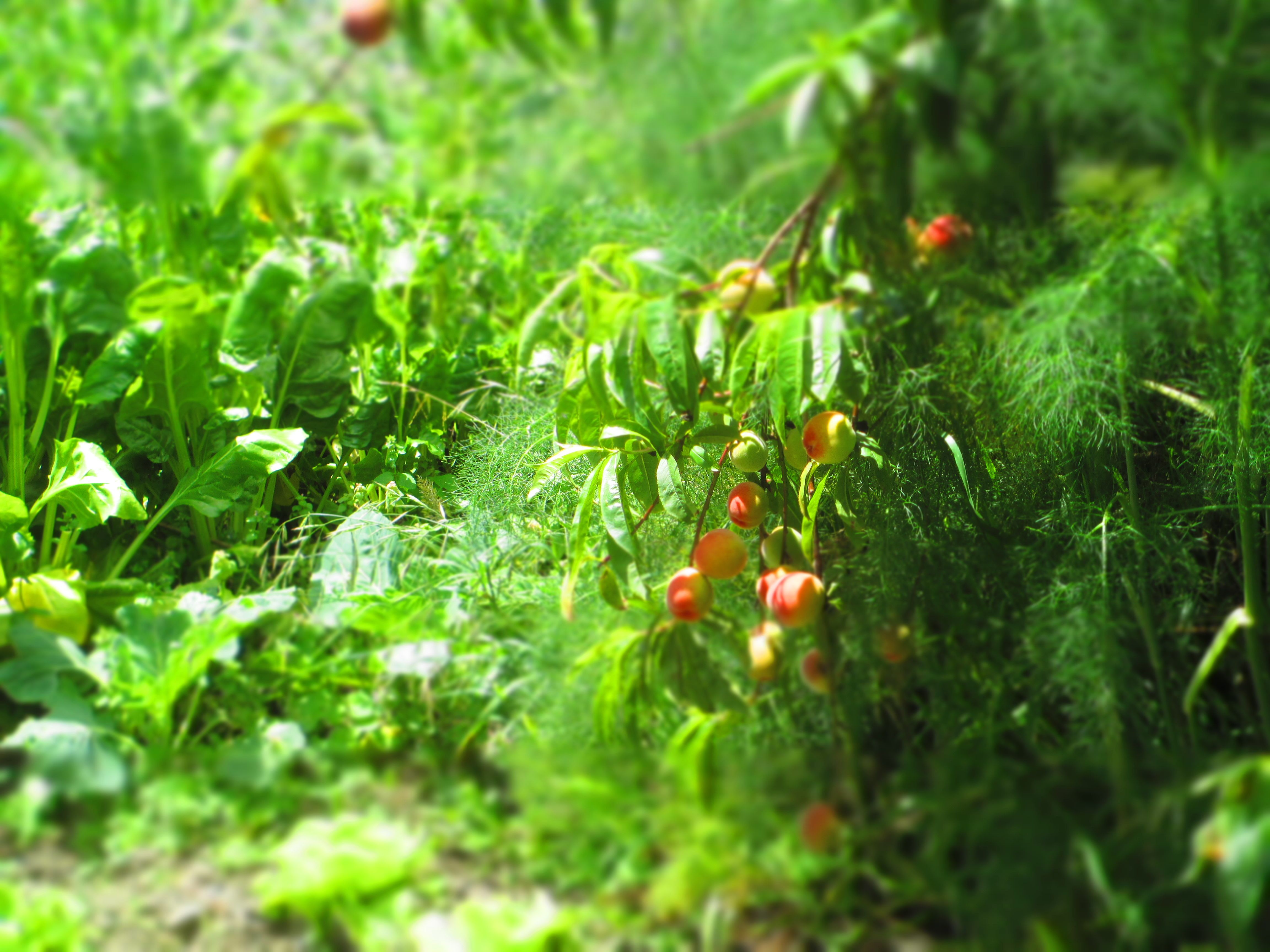
    Near the house was an absolutely beautiful peach tree sorrounded by fennel, with flawless fruit dripping off it. I sat under it for a while – it sure was a special tree – and took a bazillion photographs…but I’ll just share a couple with you here as you may not find photographs of peaches so mesmerising as I do.

    aands_8

    aands_9

    Beautiful hand-woven baskets and seedling pots made from newspaper…

    aands_4

    aands_5

    I noticed they had a ground cover of red clover, too.

    aands_10

    I have another vegetable garden visit to share with you, soon. I hope you enjoyed this one!

  • Walnuts, irises, peas….

    Over autumn I foraged HEAPS of walnuts, plus my parents gave me a big box….they’ve been drying off for six weeks. I’ve just started cracking into them and they are good, fresh, earthy, delicious. Now I have a happy walnut glut and will be thinking of ways to use walnuts so if you have any good recipes or food combinations, let me know! I started with cake, because…..cake. I made an Alison Holst Date & Walnut Cake recipe, a rich combination of finely chopped dates and walnuts with only two tablespoons of flour! I made ginger icing for it and we devoured it for afternoon tea. It was more like a pudding in consistency….no bad thing!

    walnut_cake

    On Saturday, I bought these irises at the vegetable market and also a twin bunch for my mother who was visiting. When I bought them they were very tightly closed. She took hers back to Taupo. Mine all opened at the same time the next day, hers didn’t open until today! Swamp-plain versus mountain-plain, I guess. What do plants MAKE of being shipped away from their home-terroir? Do they feel it?

    iris

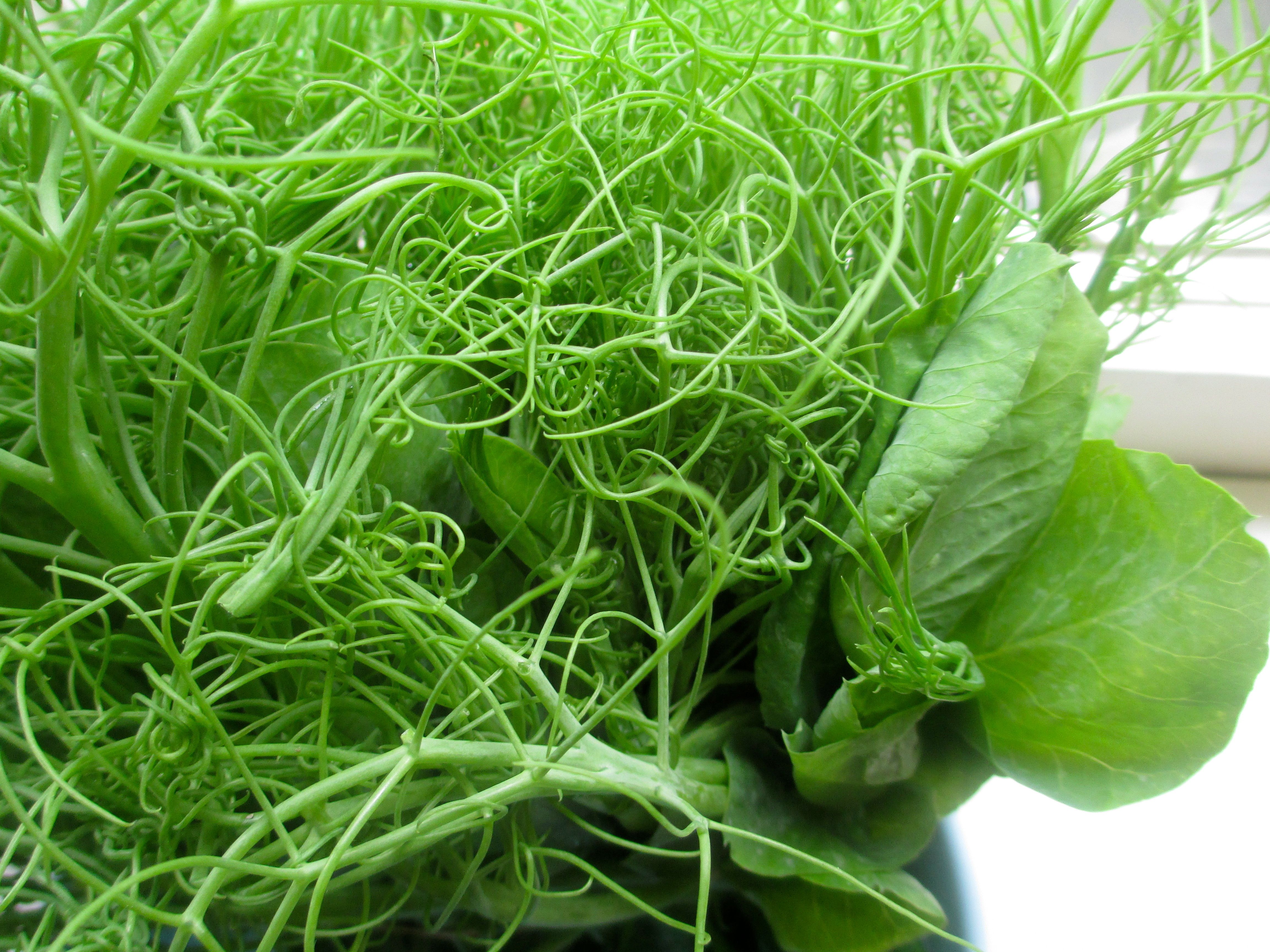
    Finally, also at the vegetable market I bought this bunch of pea tops. I have a bit of a fetish for pea plants – I love them! Something about those curly little climbing tendrils makes me feel all strange and happy. I hadn’t seen such a thing for sale as a vegetable before. I would be happy to buy them every week!

    peas_1

    They taste slightly of pea, but mainly just of chlorophyl, of healthy green. I ate them in sandwiches and threw them into a soup I was making.

    peas_2

    I am writing a long, ongoing poem about vegetables in the vegetable garden and the way they grow. It’s an odd project – I’m trying to capture each plants ‘essential nature’ in a short 4-8 line stanza. Why am I doing this? I don’t know…a combination of fun and to get to know the things I grow more intimately? Here is the ‘pea’ stanza:

    peas_3

    Pea:

    fragile bright filigree

    upwards gentle

    spirals intently

    tiny hands holding

    tender opaque baby

  • mycology walk

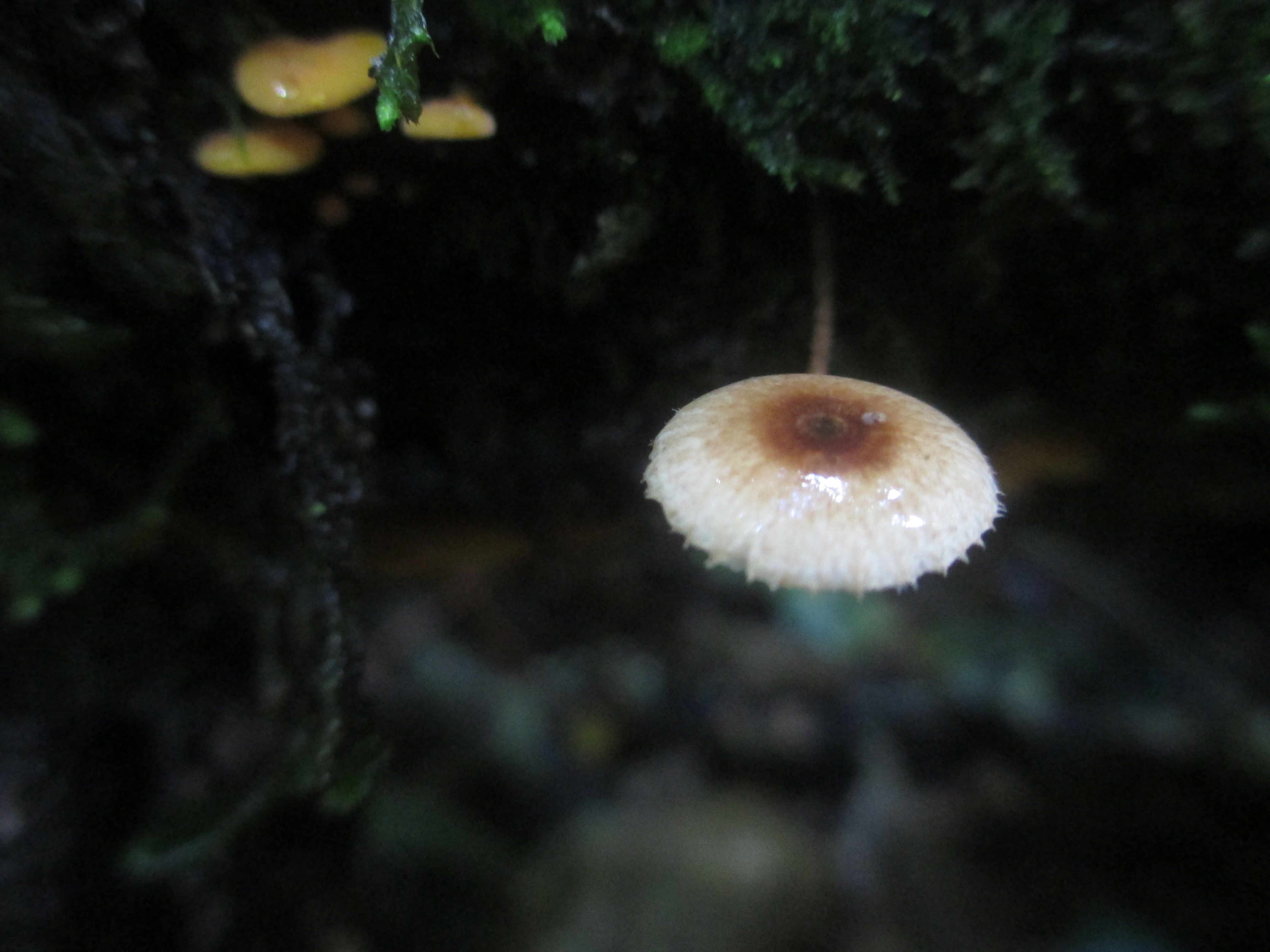
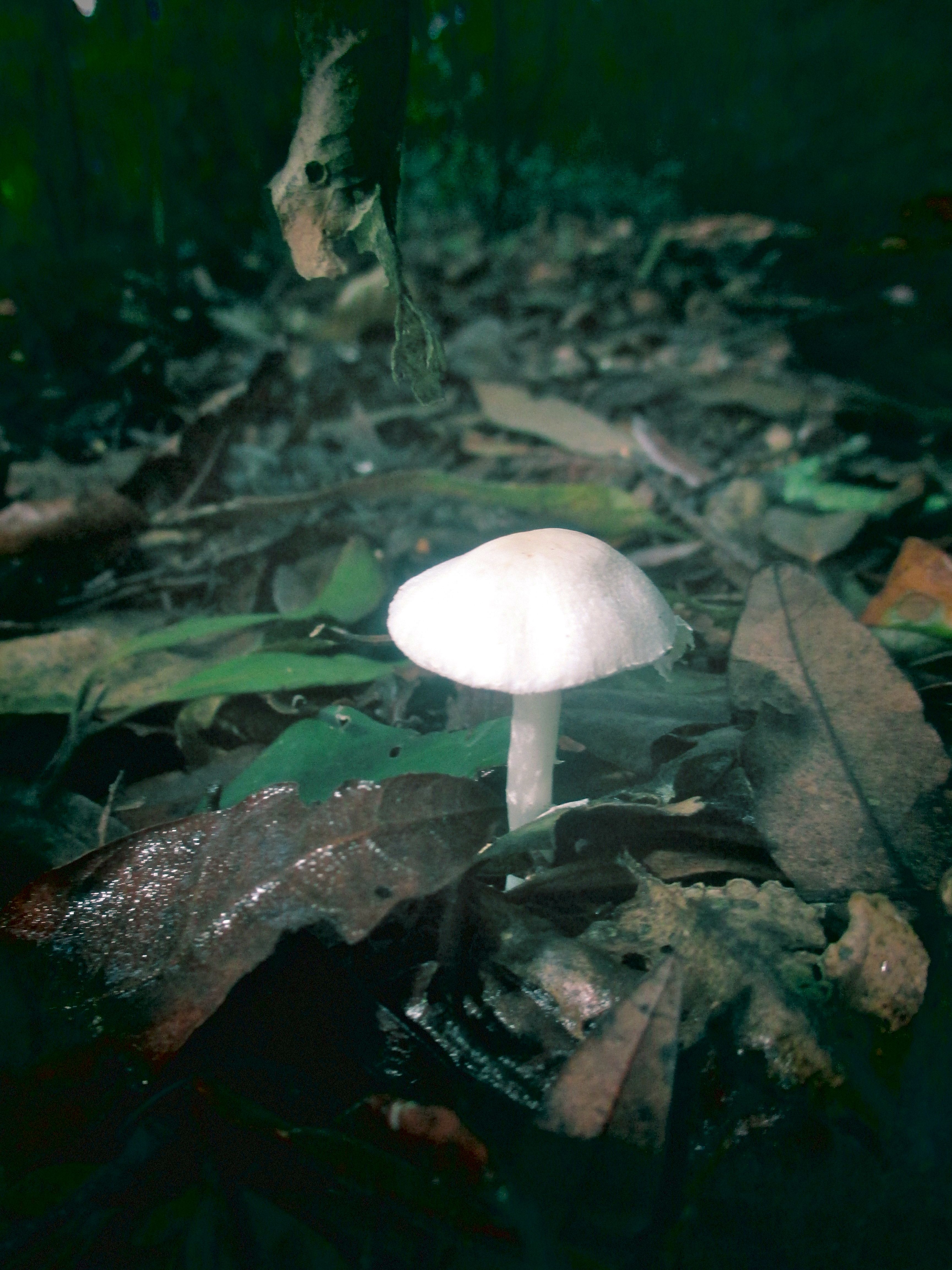
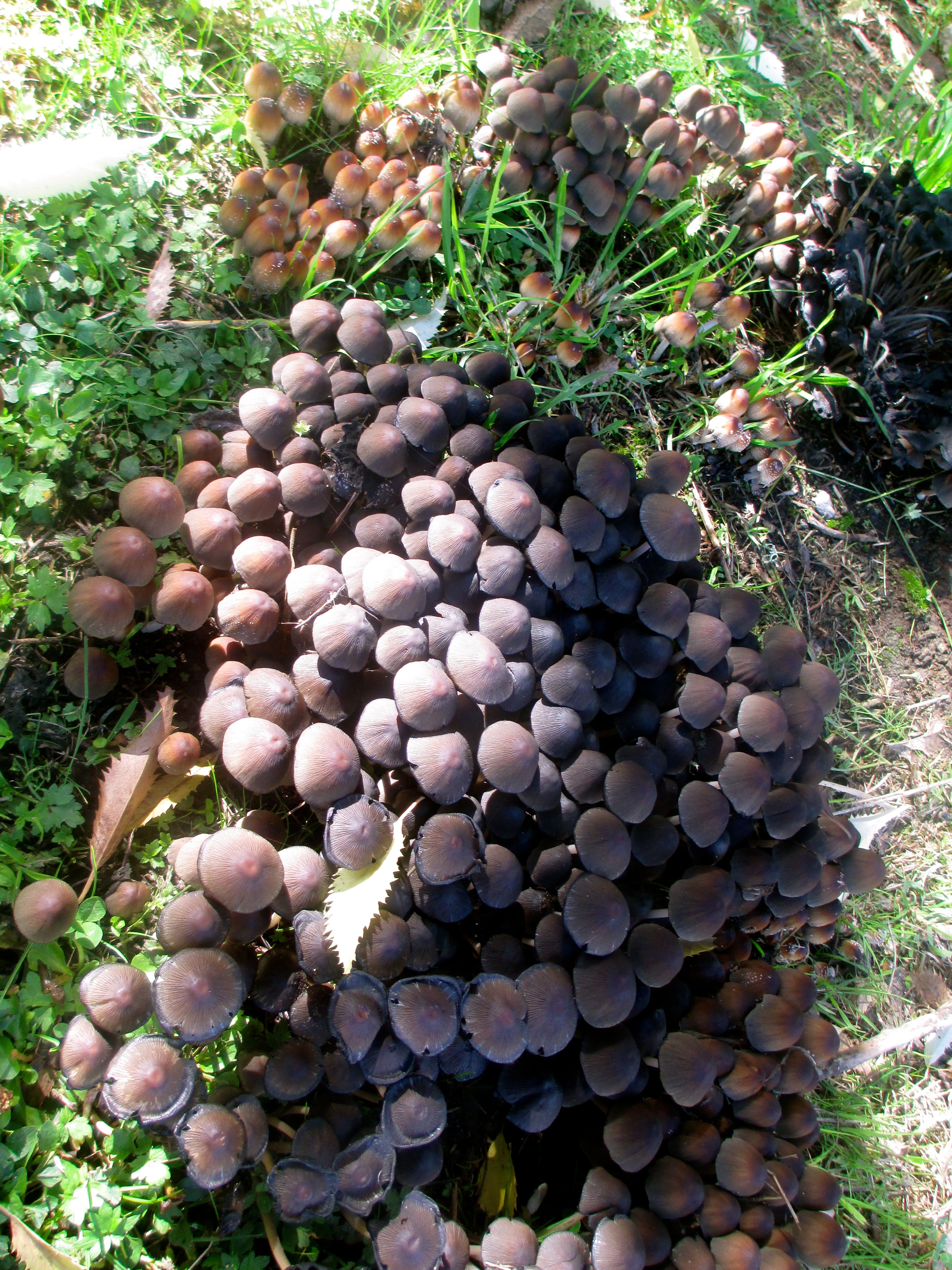
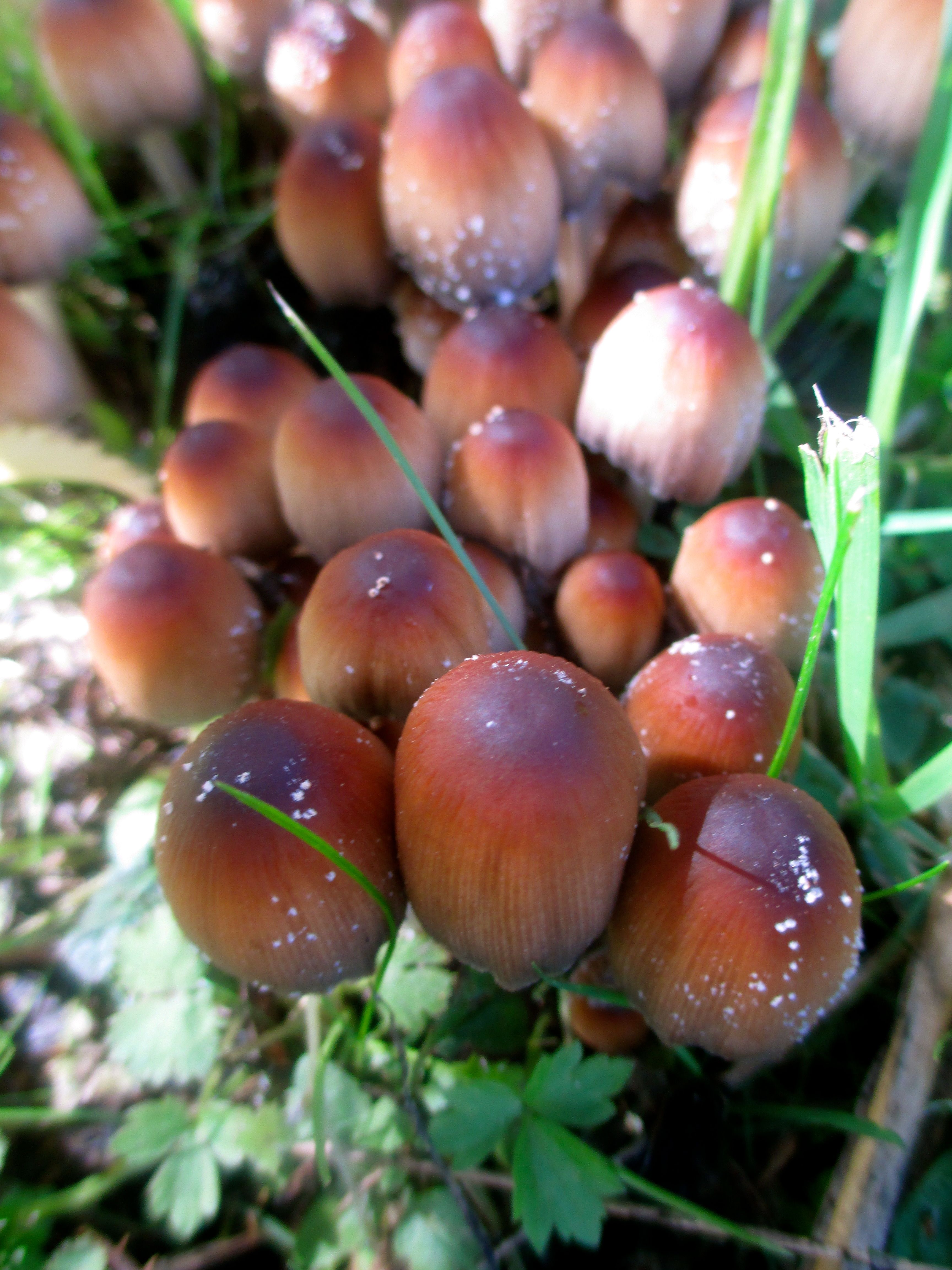
    Last weekend I had a yearning to go on a mushroom/toadstool hunt in the bush.  I took my family out for a ramble around a bush track on the Woodville end of the Manawatu Gorge, looking out for autumnal fungi. I was not disappointed!

    myc_5

    myc_6

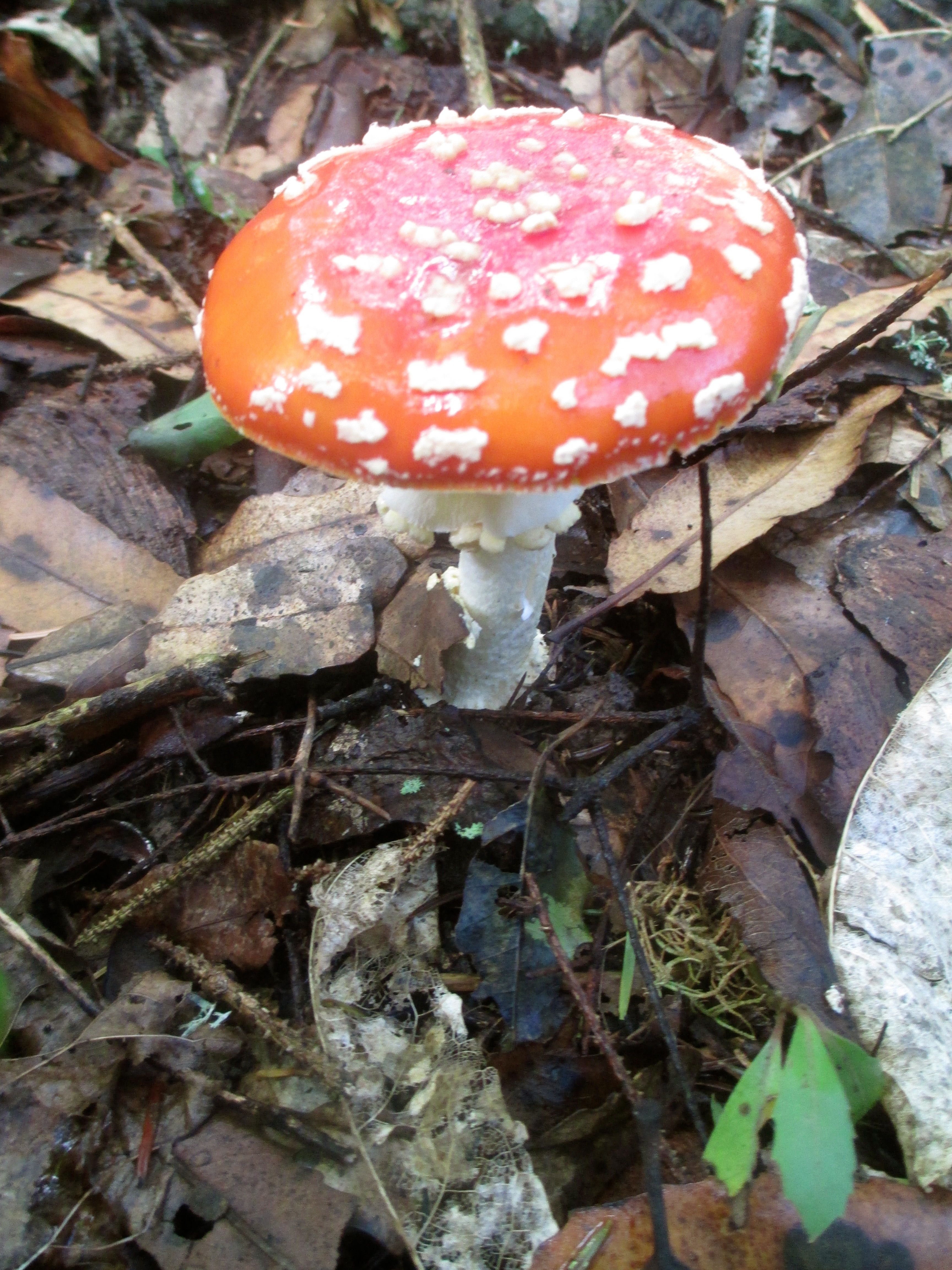
    There were some wonderful red toadstools.

    myc_1 myc_2 myc_3

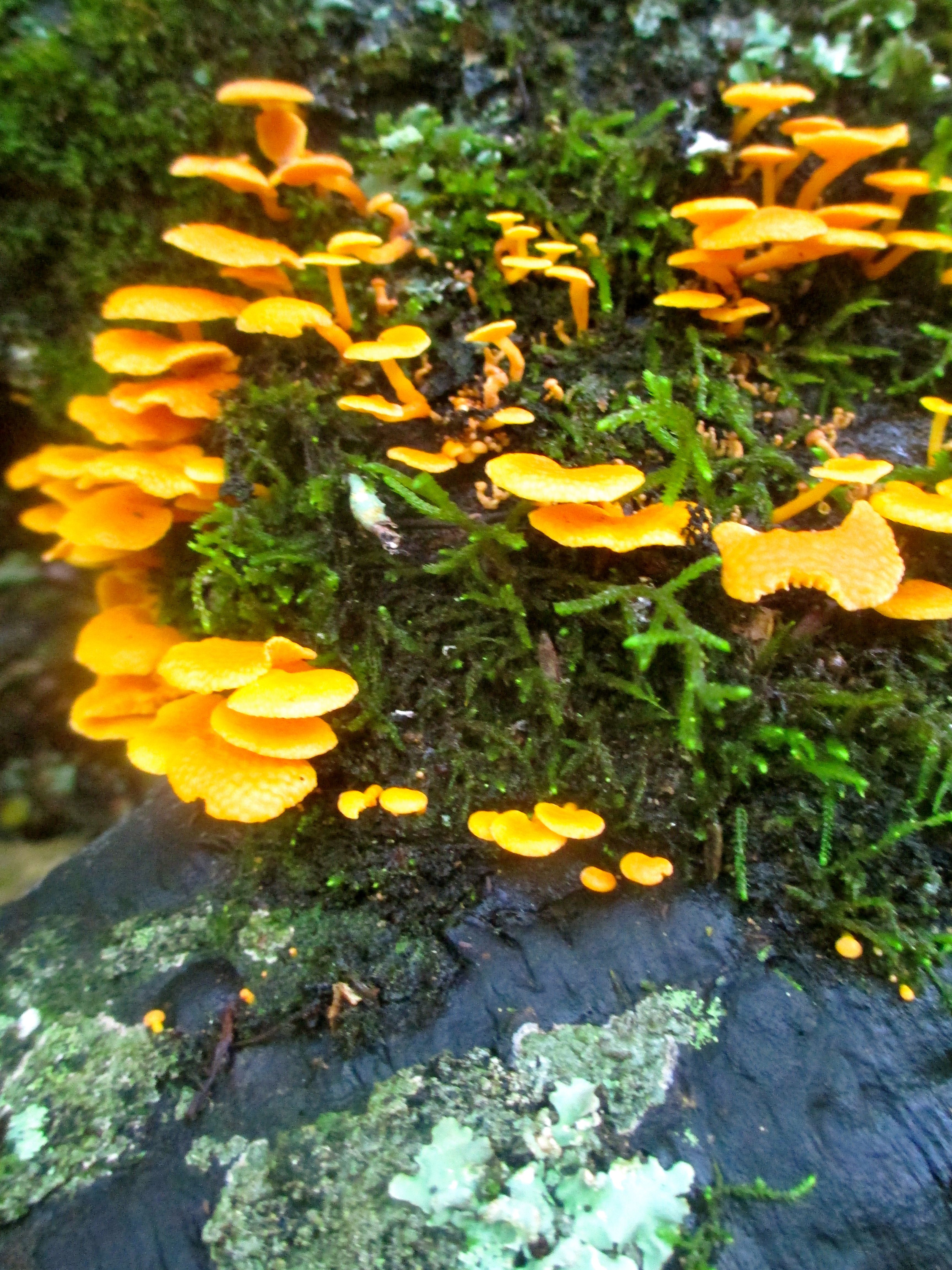
    Bright orange fungus:

    myc_7

    Tiny ethereal mushrooms (hard to photograph! This one was not much bigger than a pea and I liked the way it was growing upwards towards the light from underneath a log.)

    myc_8

    myc_9

    Warty armies of toadstools:

    myc_11 myc_10

    Odd phallic looking ones with speckles:

    myc_13

    I don’t know enough about wild mushrooms to know if any of these are edible, so I let them be and just took photographs.

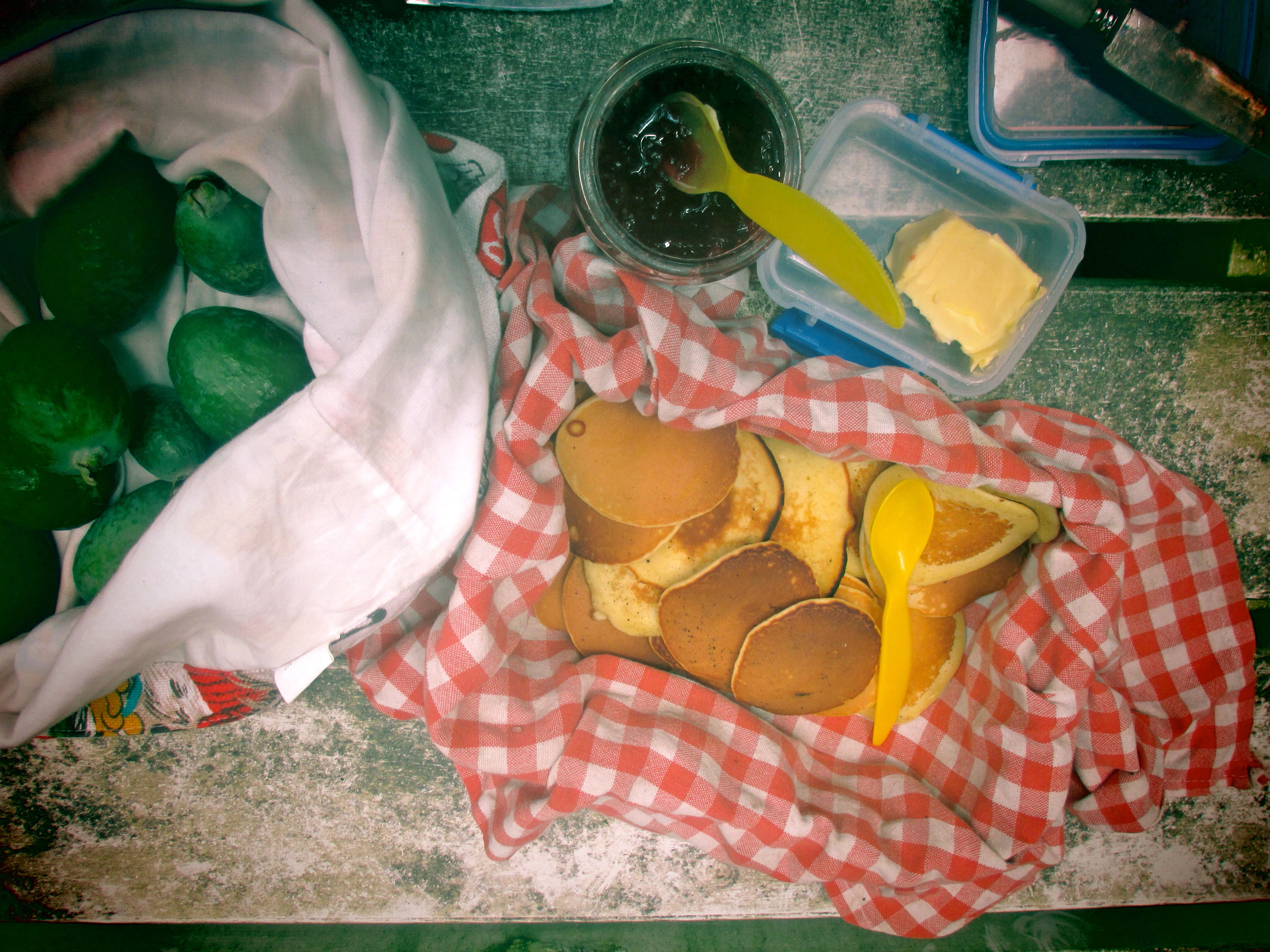
    After our walk, we stopped for a simple picnic of pikelets and feijoas.

    myc_14

    Back home in the fridge was a package of field mushrooms a friend had picked from her farm. I cooked them in garlic, onions and lots of green herbs, stirred in cream right at the end of cooking and ate it on pasta. Amazing.

    myc_15

  • the last

    I write about the seasons a lot, don’t I? I can’t help it. I grew up in a small town in the middle of farmland – my Dad was (still is) a hunter and fisherman and so we ate with the seasons and the seasons were meaningful in a way they may not be for city-folks. Most of my friends lived on farms, so the drying off of cows marked the start of winter, new lambs heralded spring. Because I do write about the seasons so much, the editor of The Comforter, Helen Rickerby, organised the book into seasonal parts. I still can’t believe it didn’t occur to me to do that – but that’s why you need a good editor, right? To show you things which are right under your nose but you can’t see because you are over-exposed to your own work.

    Anyhow, of all the seasons, autumn is my favourite. The harvest, the golden days with cold edges, the sense of melancholy. Garden fires, washing the woolens which have been in storage since September, quinces, feijoas, walnuts…picking apples – we have two apple trees at our place:

    In my book, there is a poem about the beginning of autumn, the final day of daylight saving. There is a point at the end of summer/early autumn, if you are a gardener and eat seasonally, like we do, where you know it is likely to be the ‘last’ time you taste that particular thing for some time. That final meal has autumnal melancholy all over it – it’s a farewell to summer. In the poem, ‘the last’ has a deeper resonance – because of my beliefs about the environment, I feel that anything could be our ‘last’ time, because our existence on this ailing earth is so precarious right now, and growing more so.

    Late summer this year, we ate corn for a good eight weeks, thanks to the 60 corn plants I grew – & no, I didn’t tire of it, like I do with some gluts. With the last of our fresh corn, I made a bean succotash which also contained the last of our tomatoes:

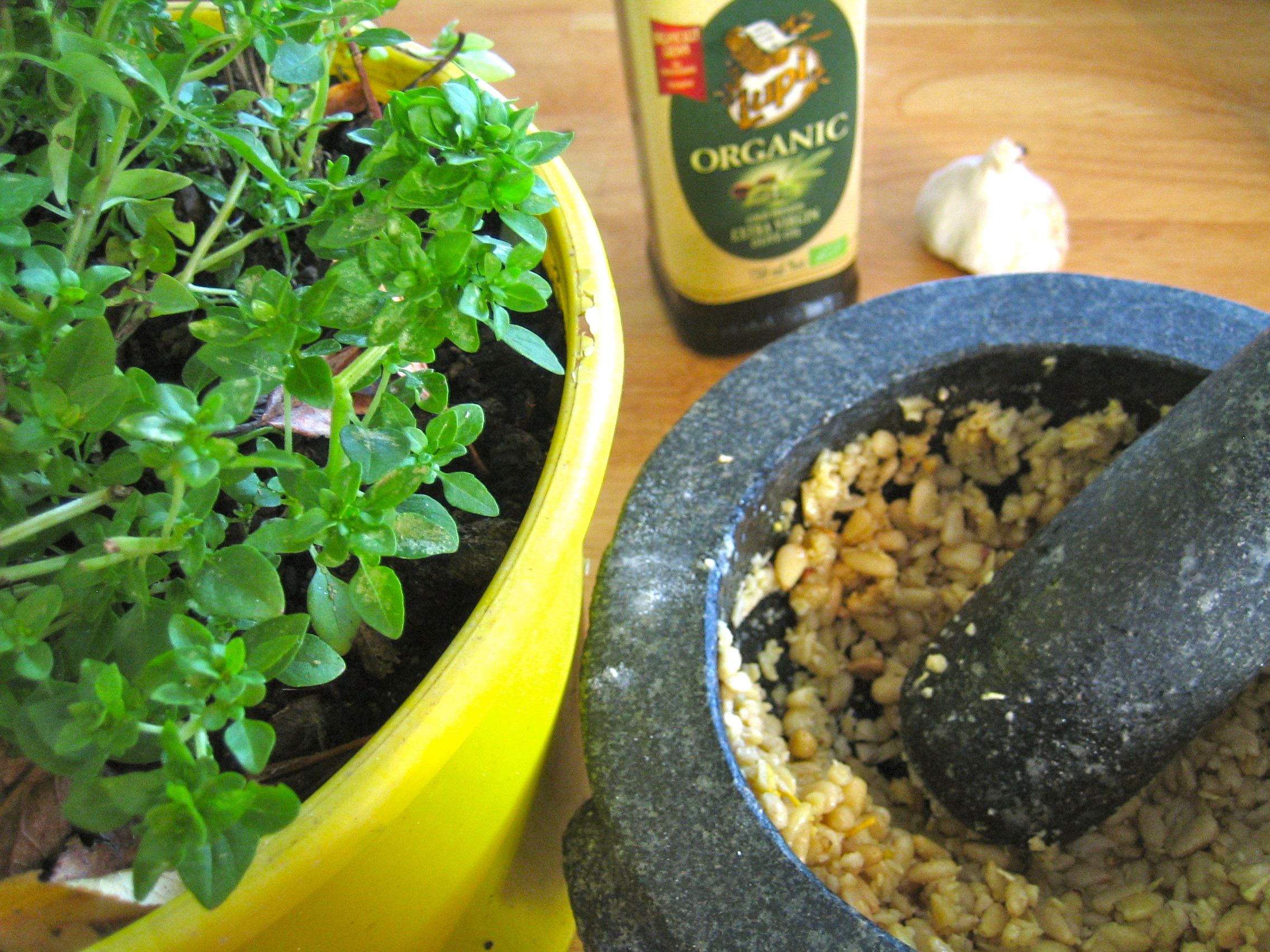
    Also, ‘last’ for the season – I made a ‘pistou’ or paste with the last of our bush basil, some pine-nuts, garlic, olive oil and salt. It’s always a sad day when the last of the basil goes. We ate it on pasta.  I like to grind such things up in my big mortar and pestle, rather than blitzing with an electronic device. It’s calming and meditative to hand-grind.

    (A Wellington friend who has never visited me at home was surprised to learn that I don’t live on a farm – he thought I did from reading my blog. I don’t know if it was just him, or if others have that impression as well – but just to be clear, I live on a very average not-quite quarter-acre section right in the heart of Palmerston North. You can take a girl out of the country, but she’ll bring her small-town/country ways to the city!)

    Anyway, here’s that poem I mentioned, from The Comforter:

    FALL BACK

    Insects everywhere – dead bees in the garden, moths

    stud the bathroom ceiling like dusty ornaments, praying

    mantises crawl out of the compost bucket. The flies.

    The last day of daylight saving. Everyone

    tired and wistful on Sunday. That feeling

    like you lost something all day.

    The last-day-of-summer pasta sauce – made with the last aubergines,

    last cherry tomatoes, the last zucchini. The garden now

    full of fledgling winter vegetables: spindles of cabbage, arrowheads of spinach.

    Manawatu gothic. Even these bright days are tinged

    with a kind of violence. There is a black velvet ribbon

    threaded through your head, collecting debris.

    The last dinner on the dehydrated lawn.

    *

  • In the garden…

    The tomatoes are ripening by the bowlful every day and we are eating lovely pasta sauces and soups which taste of the sun and make me realise how insipid tinned tomatoes are! The chillies are starting to fruit – just in time for the cold of autumn, which will stunt their growth in no time. Every year I try to grow chillies – every year I get about two weeks worth of fruit before the autumn shrivel. You’d think I’d learn, right? Hope springs eternal. One day I’ll build a little glasshouse for year-round chillies.

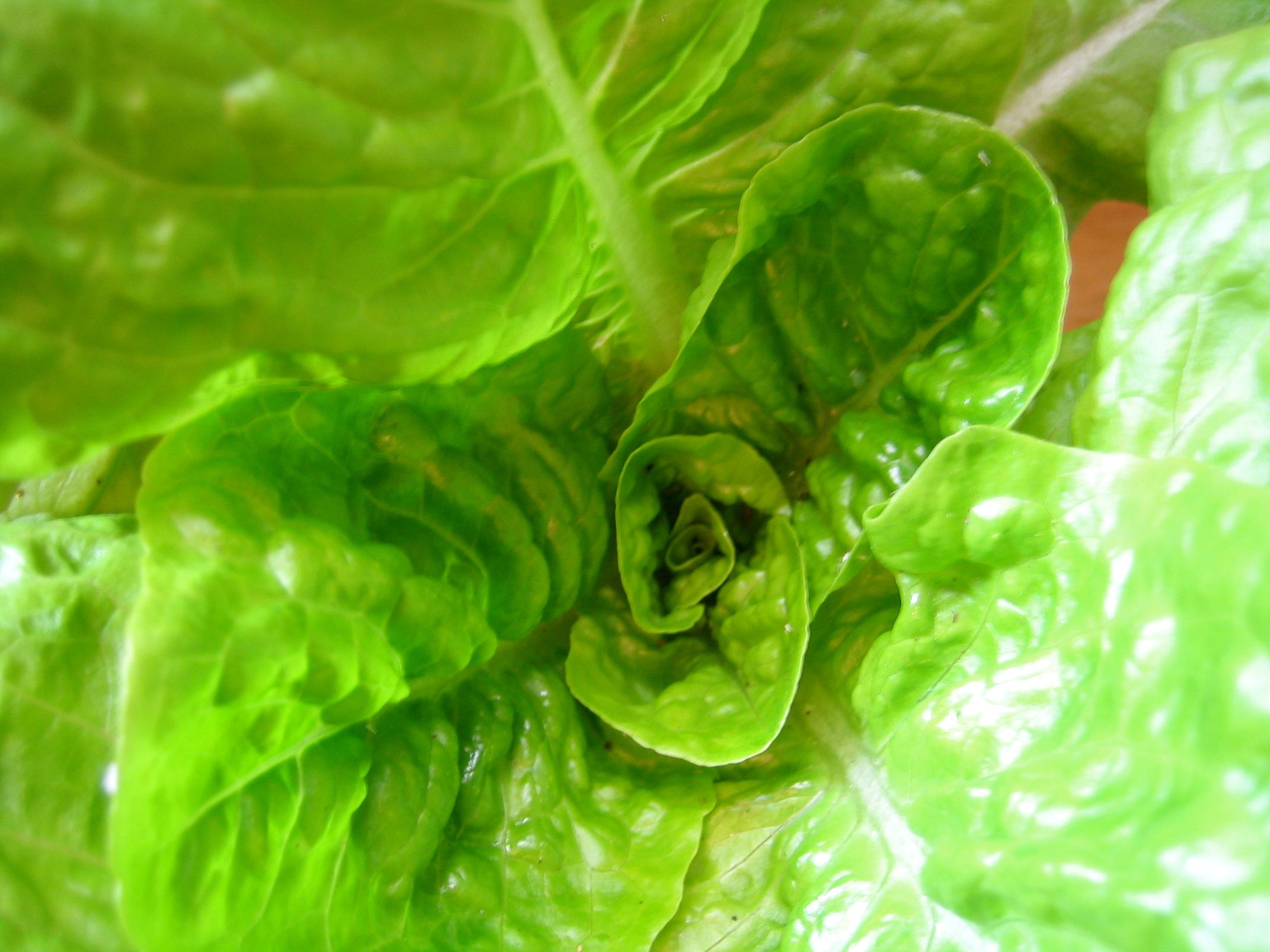
    I love these lush little gem lettuces, so much nicer than ice-berg and I eat one a day. They grow very quickly – from seedling to edible head in about three/four weeks.

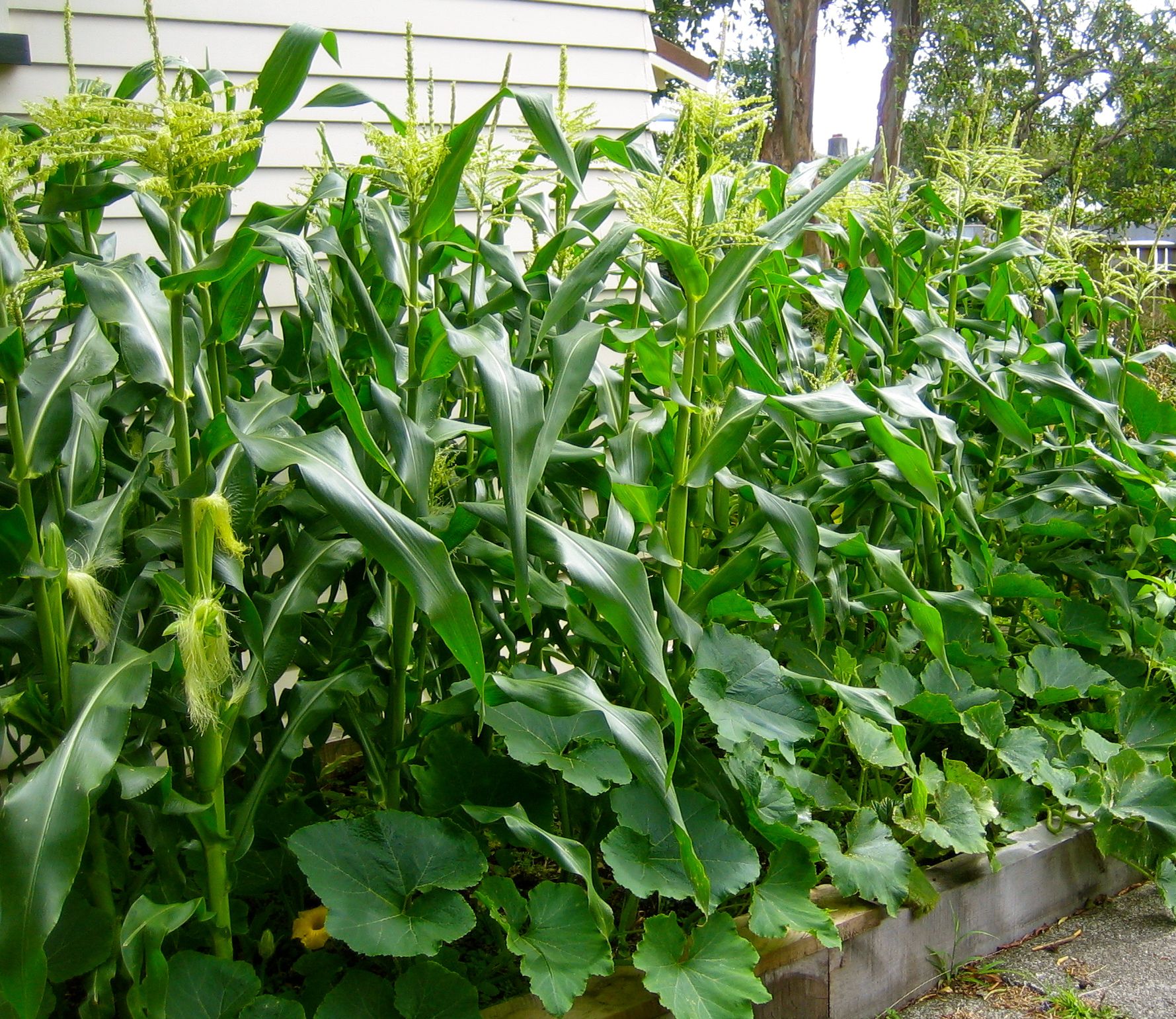
    The corn is nearly there – it seems like only yesterday I was pushing corn seeds into the warm earth…there are lots of pumpkins growing around the corn’s ‘feet’ too – we are going to have an abundant autumn!

    This is going to sound like such a cliche – but I swear, when I started growing my own vegetables, aged around 28 when I had my first baby, time seemed a lot slower and I was aware of my plants growing and can remember waiting patiently for crops to appear.

    Twelve years on, time seems to go a lot faster -I’m not sure if it is because of getting older, or because life is busier – and the seasons romp around. I feel like I turn my back for a second and the garden changes, vegetables appear, or plants die before I realised they were ailing.

  • corn bones

    I am always walking up or down the driveway – and the corn is getting bigger or it is just starting or it is gone. There is always something I am worrying about but the focus of the worry changes but the worry doesn’t change – it is tinnitus. Brain plaque. I am always wondering why my body is the way my body is because it is a curious nearly-40 body and it walked away and left my mind behind. Something happened to time that I don’t understand. How did I get so tired? When can I lay down? I don’t want to lie down. I have too much to do. I take photographs to remind me but they don’t remind me they just open windows, or maybe valves. The corn was hard seeds dropped into holes poked into the earth with my finger and now it is nearly as tall as me and I encourage it when I walk away and greet it as I come home. I’ll eat it with a bit of butter and too much salt when the time comes, if it stays standing, if it hasn’t been plagued by bugs. Will it be tough enough corn to hold a summer? Magnus calls corn cobs ‘corn bones’. The corn bones take years to break down in the compost so we are always throwing them back, and throwing them back but If I wait long enough it will all rot down.
  • What the garden was doing at the turn of the new year…

    Happy New Year! I’m starting my year on the blog as I mean to go on – with excessive photographs of plants.

    Here is a snapshot of the garden on January 1 2012.

    There are new peas everyday – they never make it inside because we always eat them right there, standing beside the garden. It is my personal garden snack bar…

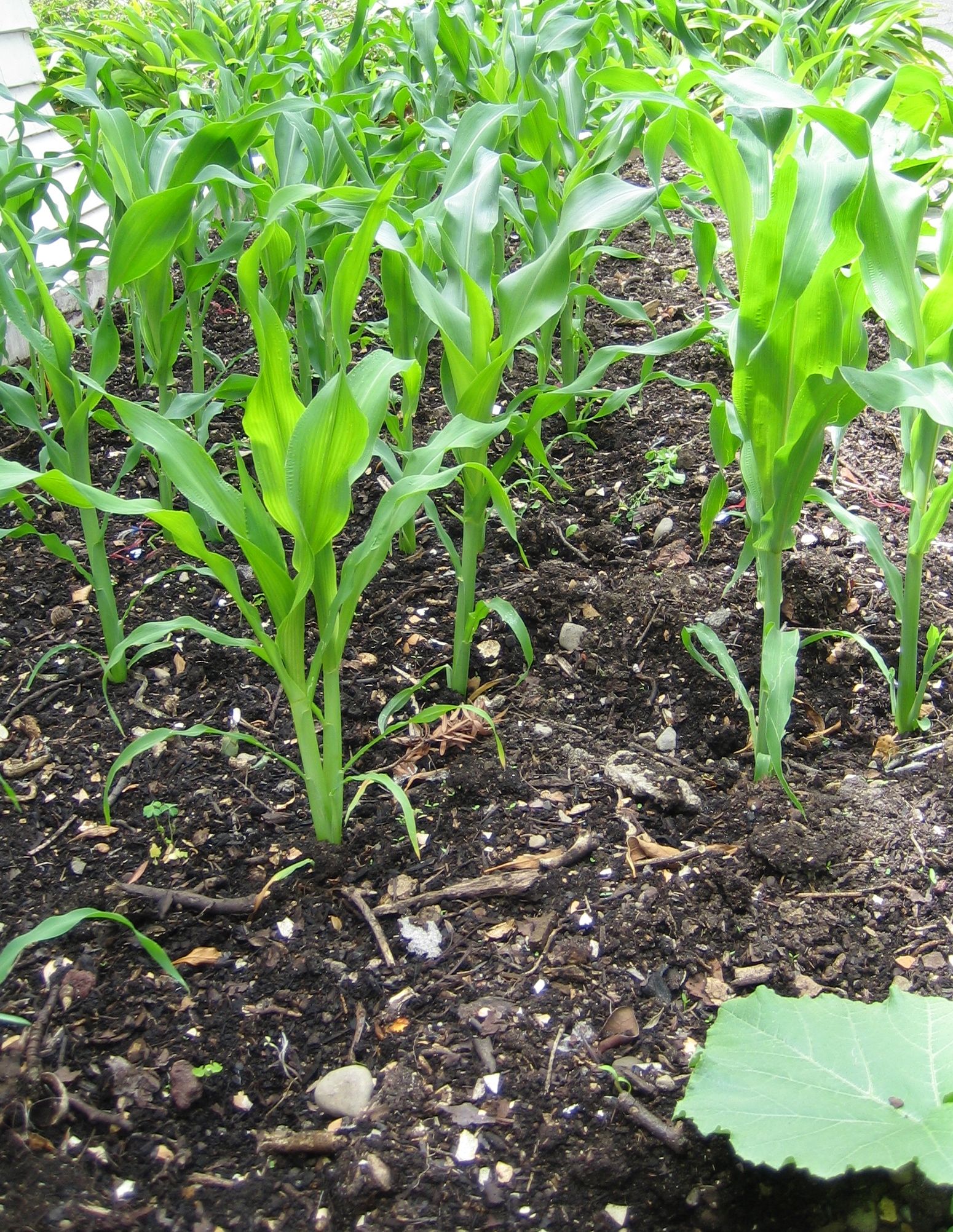
    The corn is getting taller…

    The apples we will enjoy in autumn are starting to look like apples, rather than little swollen buds….

    The herb garden is running riot: oregano, marjorum, sage, borage, mint, parsley, chives…

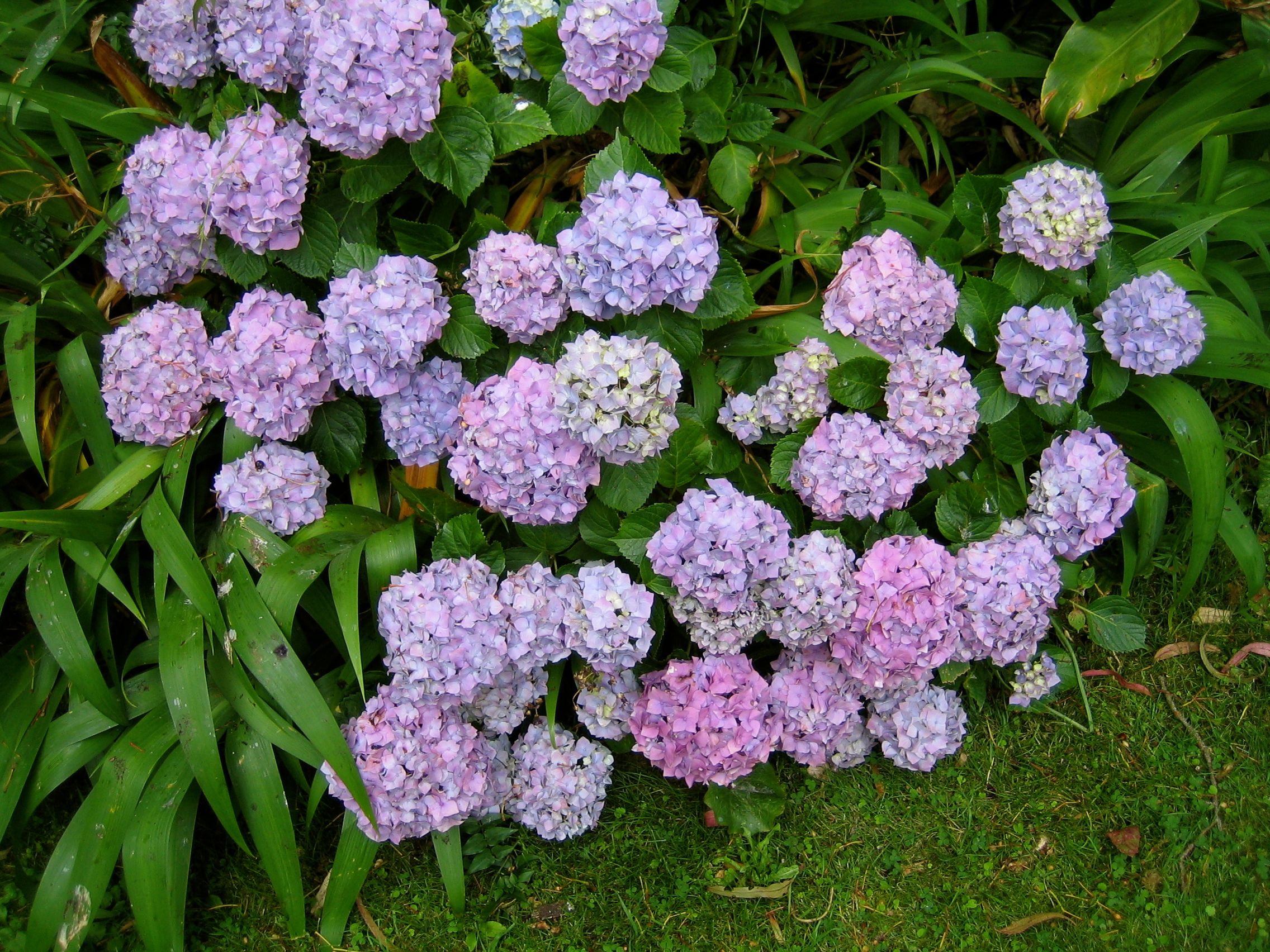
    The hydrangeas are doing their purple-pom-pom thing to the fullest…

    & the poppies continue to pop, then flop…