Author: helenlehndorf

  • recent reading, ongoing thinking

    readinggirl

    I noticed a theme in my reading recently – lots of books with ‘Wild’ in the title! I am reading and writing about nature/bioregionalism/ecology/contemporary spirituality….so I guess ‘wildness’ is a thread through all of these things.

    The Wild Places, by Robert McFarlane

    Wild, by Jay Griffiths (This book remains my favourite book IN THE WORLD EVER.) 

    Wild, by Cheryl Strayed

    Wild Mind, by Natalie Goldberg

    Maybe I would read anything with WILD in the title?

    Robert McFarlane’s book led me to…

    Waterlog, by Roger Deakin – a remarkable account of Deakin’s desire to swim in as many wild waterways as he could across the UK. (Roger Deakin was an incredible person who seemed to live almost in an alternate universe where he was part-tree himself. )

    In fact, this is the trajectory so much of contemporary nature writing takes – a person leaves the urban environment and takes off to the waterways or the wilds, the forests, the mountains and then experiences the edges of their pathetic humanity and learns a pile of stuff about themselves. It’s compelling stuff! Escape, edge-dwelling, deep nature….

    tree_reaching

    As inspiring and firing as these books are, though, I cannot write this kind of book. I am a mother of two children, tethered by family to a small suburban piece of land in a medium-sized, unsensational city. So my challenge is how to extrapolate a compelling narrative from my own situation.

    To my rescue (to some extent) comes bioregionalism, Urban Resilience movements and Transition Towns giving me a steadfast political framework to staying put in the urban environment and making the best of it, or making it better more to the point.

    I am on the hunt for any books which address the URBAN ‘wilds’, or ‘domestic’ nature narratives, so please do suggest some if you know of any.

    One I read and thoroughly loved recently was ‘Feeding Orchids to The Slugs’, a book about a woman becoming a Zen Retreat cook.

    How do you write a compelling nature-based narrative when you live in suburbia and can’t stray very far? This question is at the heart of my project.

    So far, I’m finding it’s all about ATTENTION, rather than literal travel. That the ‘wild’ is as much within as without.

    ‘To pay attention, this is our endless and proper work.’ -Mary Oliver

    treeroots

  • KUPU, part two

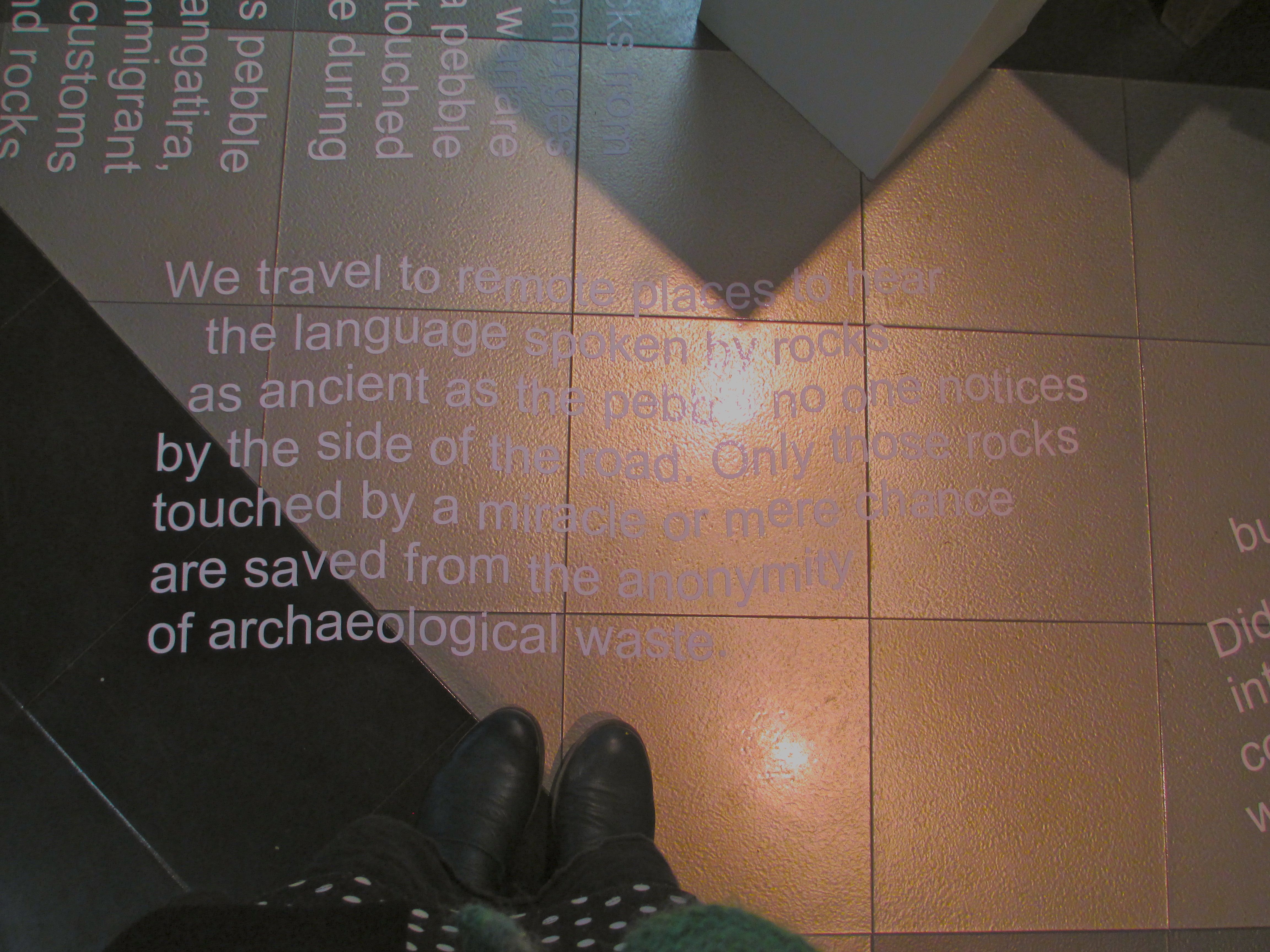
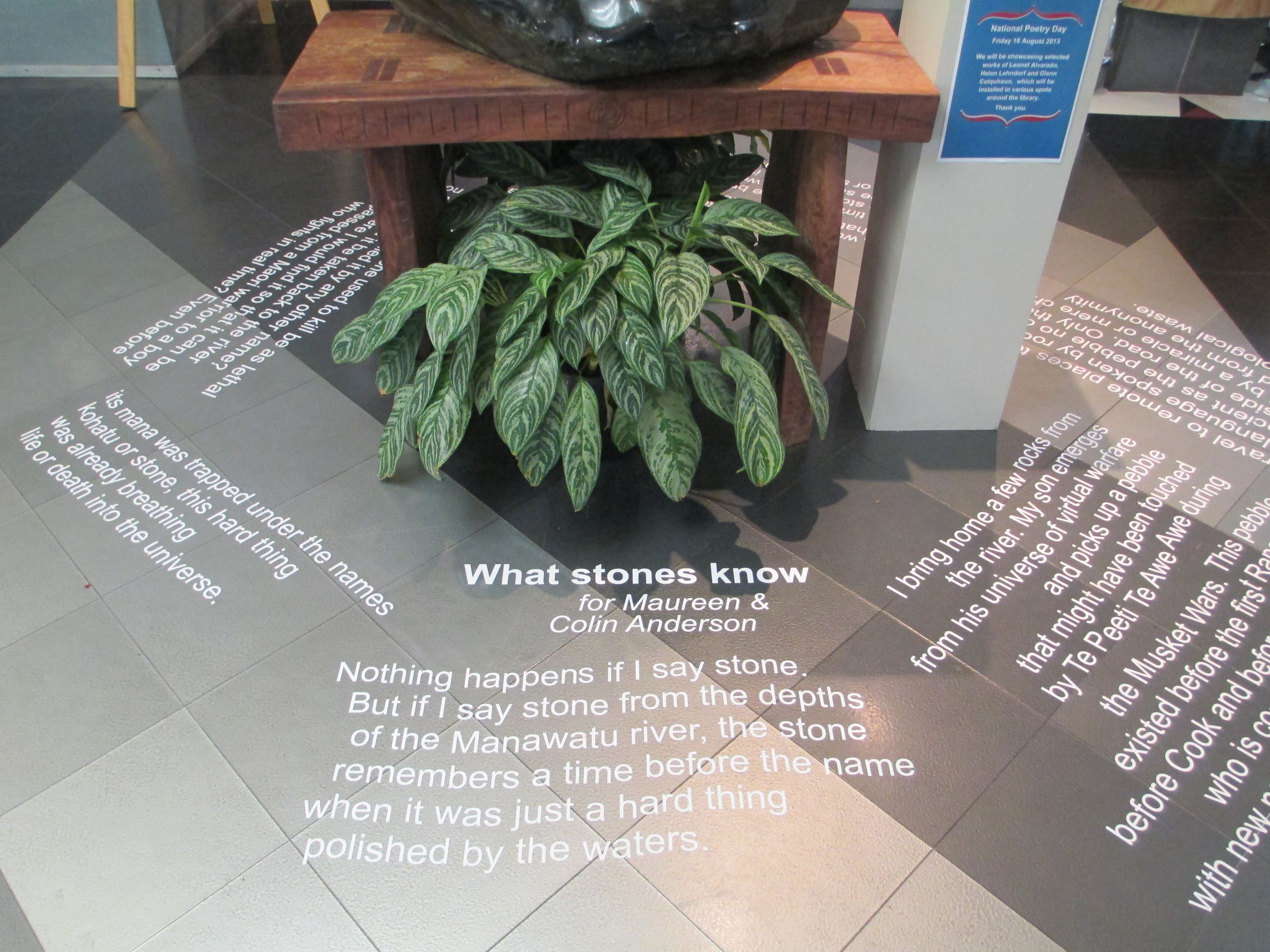
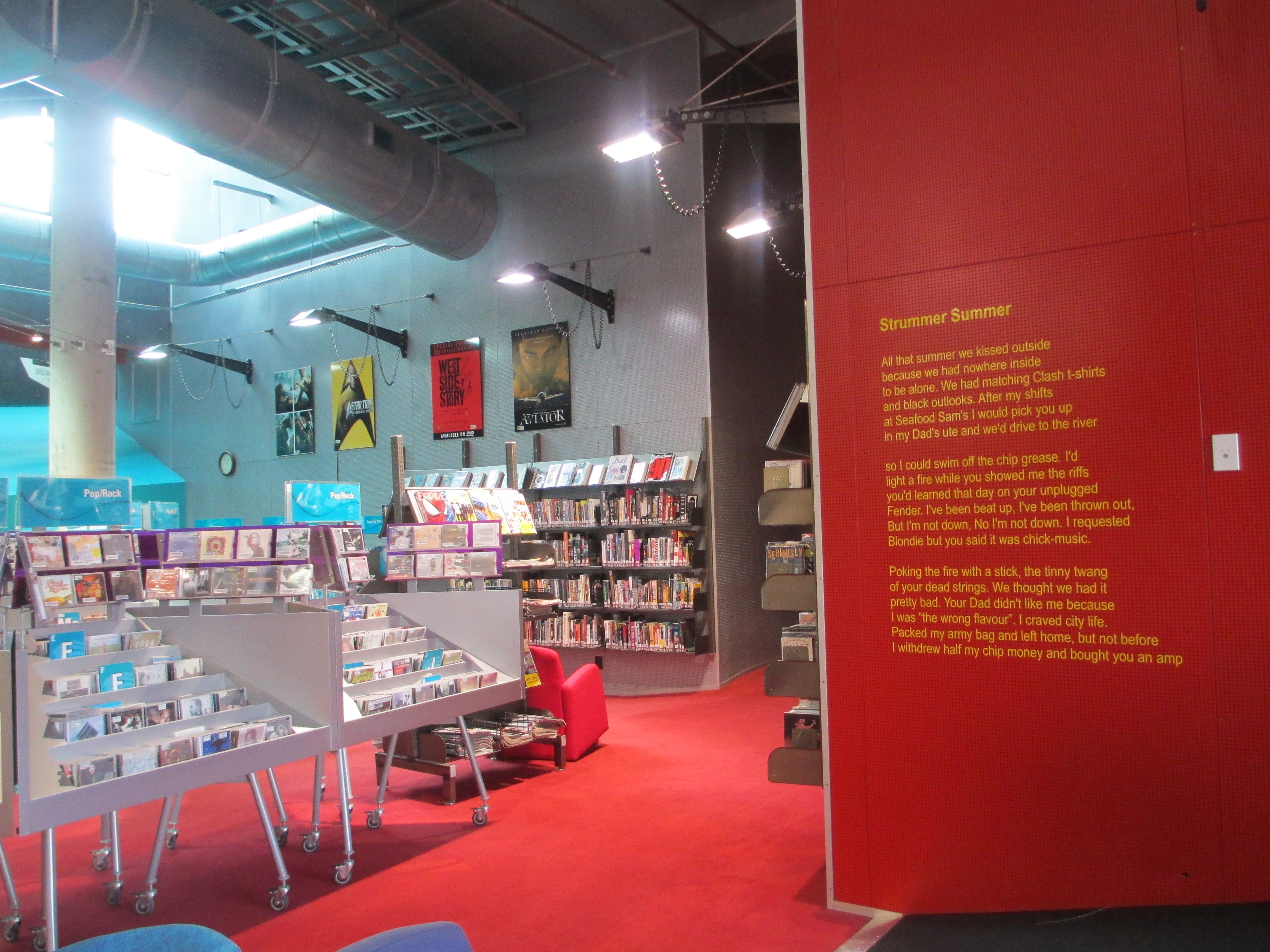
    Some photos of KUPU, the ‘poetry off the page’ installation which I did in the Palmerston North City Library with fellow local poet, Leonel Alvarado.

    First instalment was back HERE, when they had only installed one poem.

    Here are some photographs of the other poems.

    Glimpses of Leonel’s poems (his were harder to photograph in their entirety than mine):

    kupu_9 kupu_8 kupu_7 kupu_6

    And the other two of mine…

    kupu_5 kupu_3 kupu_2 KUPU_1

  • ‘KUPU’ – a poetry installation at the Palmerston North City Library

    Happy National Poetry Day! I have done something (read poems, handed out poems, chalked poems on the street, pot-luck poetry lunches, megaphone poetry on Cuba Street etc etc…) every year since Poetry Day began in the 1990s. Of course, every day is poetry day when you are a poet, but it’s lovely to have a day dedicated to celebrating poetry.

    This year, the Palmerston North City Library invited Leonel Alvarado and I to work together on ‘installing’ six of our poems (three each) somewhere around the library. Inside or outside – it was up to us.

    I had a wonderful time walking around the library with Leonel, looking for potential interesting sites.

    The installation was ‘launched’ at a gathering last night, where I read with Leonel and Glenn Colquhoun. (Glenn was there to unveil an artwork he had donated to the library.) Unfortunately I only have photographs of one of the poems, because it was the only one installed when I was in the library during the day yesterday, and last night I forgot to take my camera. But below is my piece ‘Poem Without the L Word’ going up a staircase, so you begin reading at the bottom. (You can read the whole poem here.) 

    Leonel is originally from Honduras but now lives here in Palmerston North. He recently came second in a very prestigious Latin American poetry prize, the Casa De La Americas Prize. (Read more about it here.) I love to hear Leonel read with his thick Latin American accent, and sometimes he reads in Spanish, too. If you’d like to hear his voice, he was recently on ‘Playing Favourites’ with Kim Hill. (You can hear it here.)

    Anyway, here is one of the installed poems….it was tricky to photograph, but hopefully you get something of an idea…I’ll get some photographs of the other poems soon.

    poetry_day_1 poetryday_2 poetry_day_3


  • The Rope Walk is launched!

    Before I blather on about the launch of this fine, artisanally-produced book THIS IS WHERE YOU CAN ORDER ONE. GO ON. SUPPORT NZ POETRY AND INDIE-PUBLISHING. 

    On the weekend, I attended my darling friend Maria McMillan’s (I wrote a bit about Maria HERE) book launch at the Aro Community Hall. This is her first book and it’s with Seraph Press. It was a wonderfully warm-hearted event. The large turn-out and delightful people who attended were testament to Maria’s standing in the community.

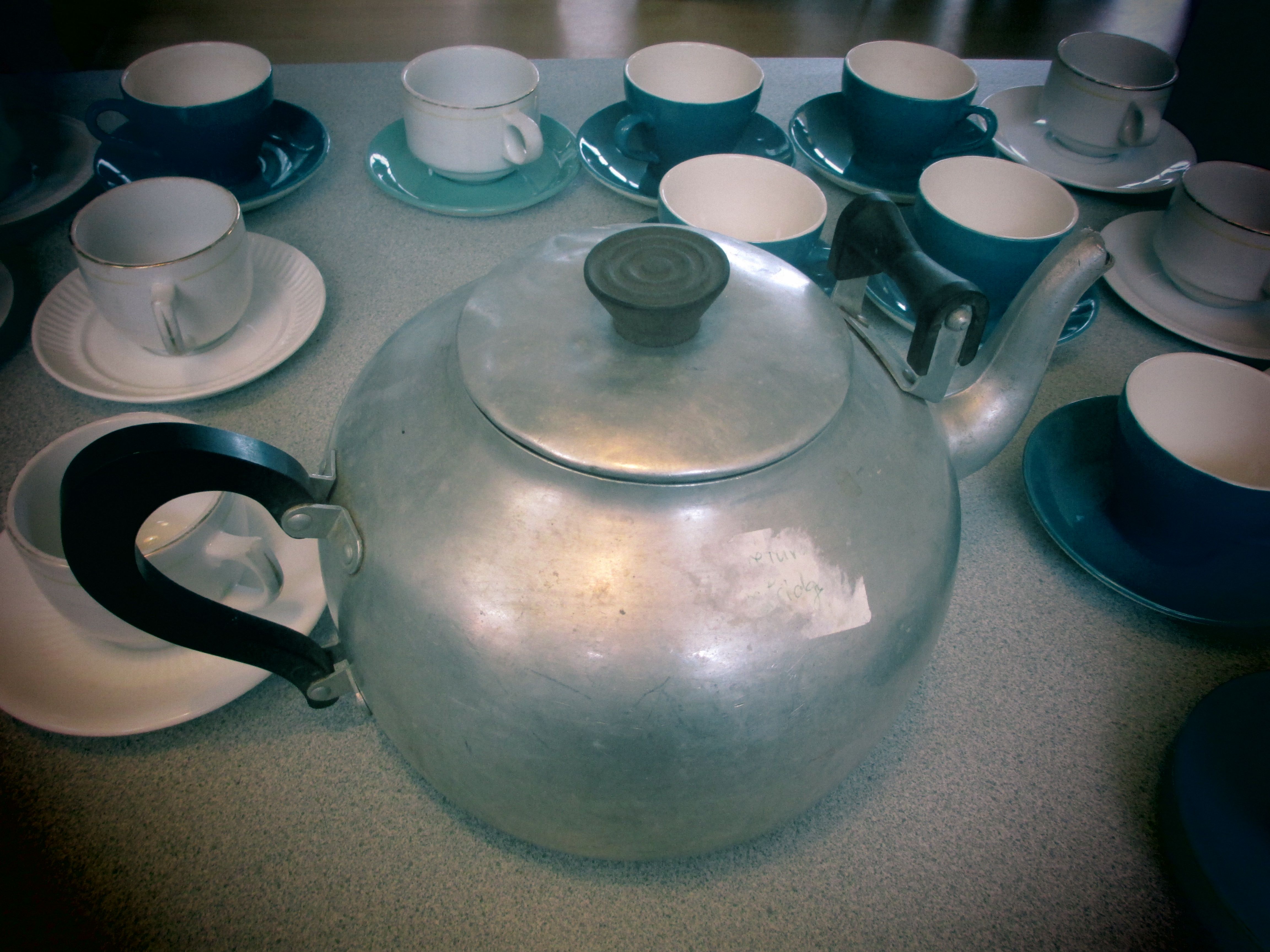
    TI associate Maria with tea and then another round of tea and then maybe some more tea but perhaps some toast this time, too….more butter please! I think I would like a giant ‘community-hall’ teapot for one-fill afternoon teas with all my mates.

    rw_2_cups

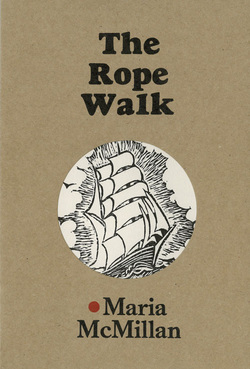
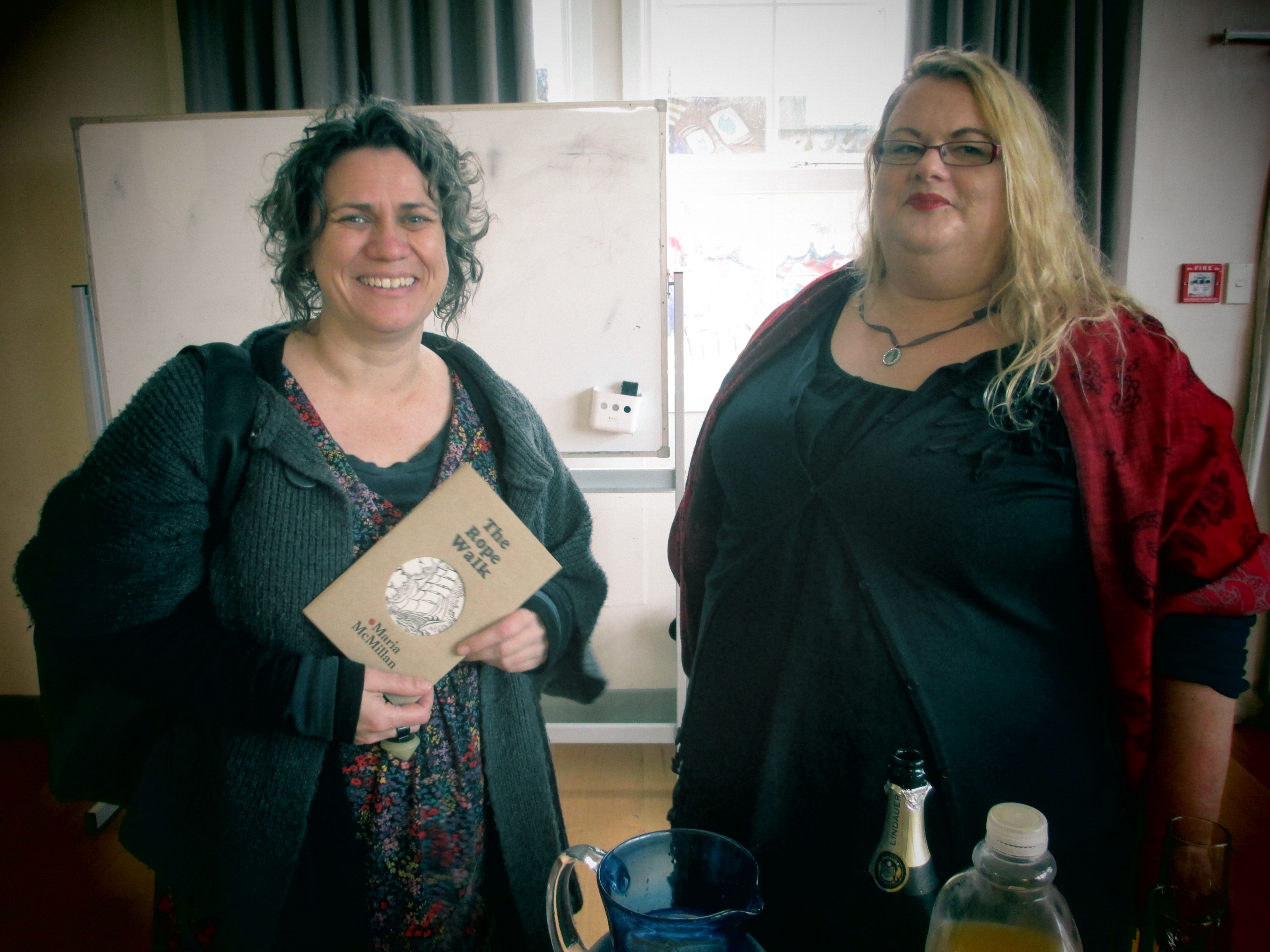
    Maria’s partner Joe Buchanan designed and letter-pressed the cover of the book, including the drawing of the ship on the cover. It is indeed a beautiful artefact with great attention played to paper, card, pressing, stitching. Book as objects d’art. But it is not all style over substance….the poems, an invented family history across multiple generations, starting with the first settlers are rich, detailed and poignant. For a chapbook, this collection is dense and satisfying. It has the heft of a full collection in a chapbook size.

    rw_cover

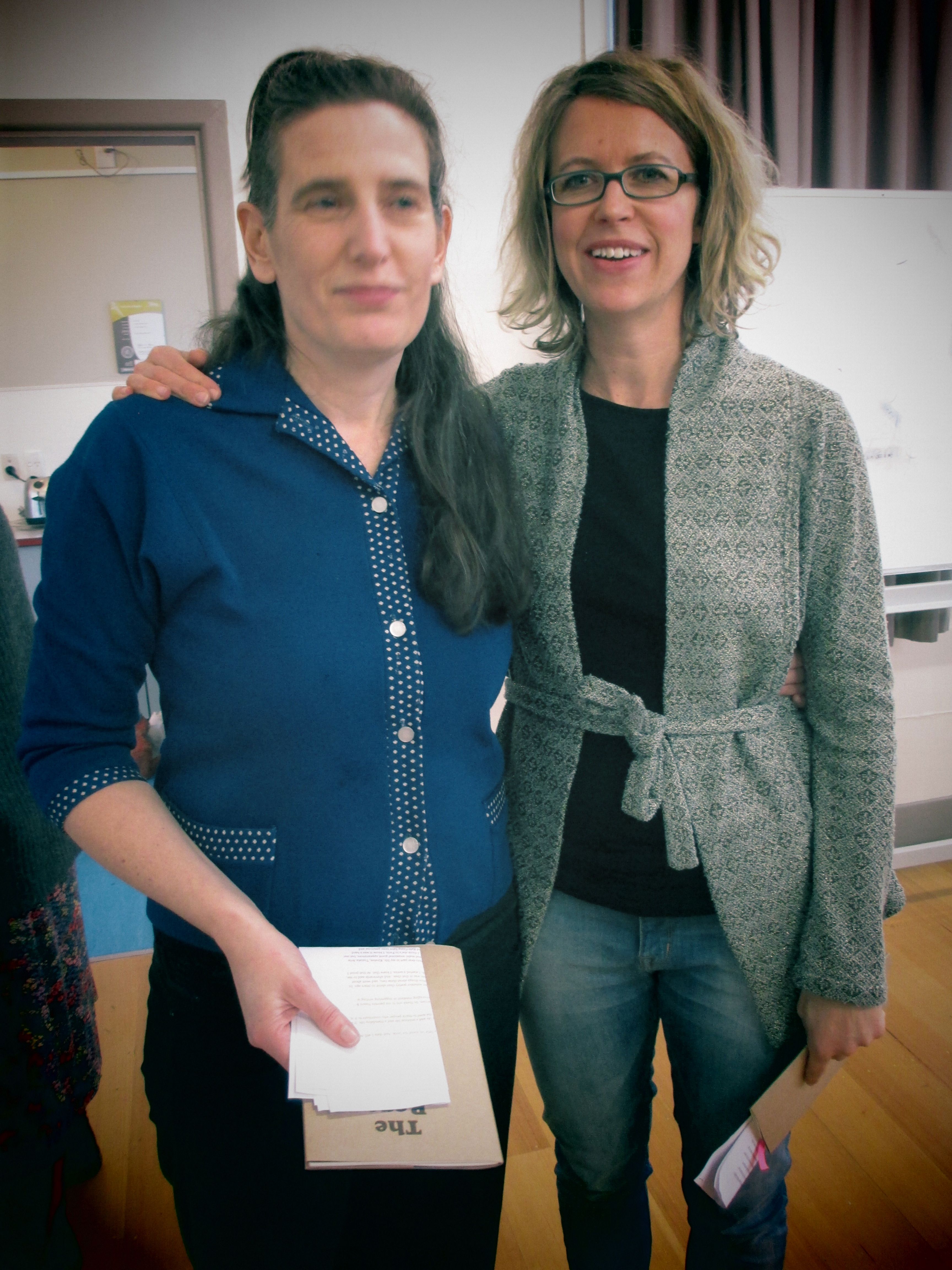
    Here writer Pip Adam (right) pulls her characteristic making-a-joke face and Maria displays her new shaved undercut…

    rw_3

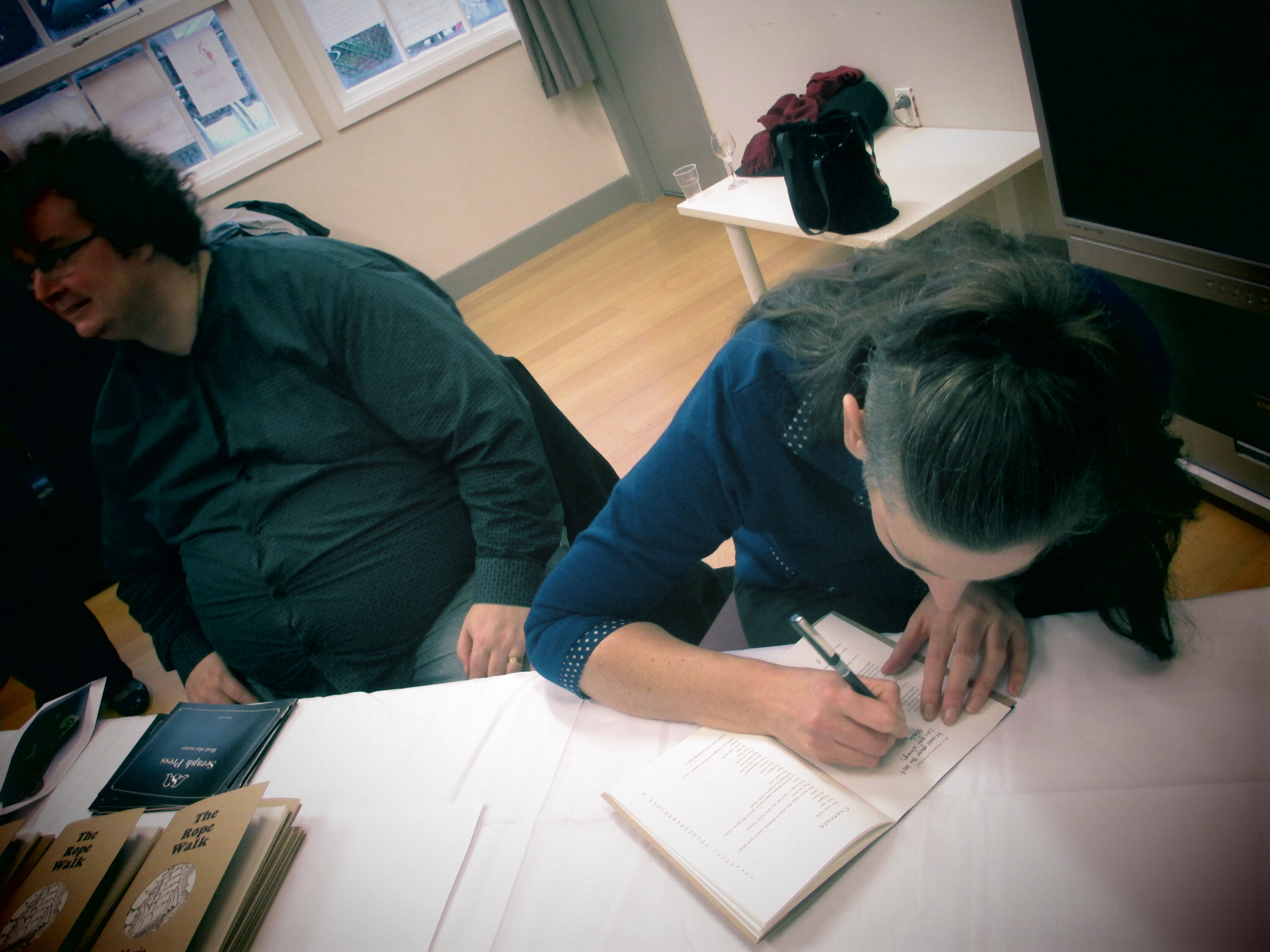
    Given our long writing history together, I felt all puffed up with pride during the launch…getting misty-of-eye during Maria’s speech, and feeling outright joy to see her signing books at the sale-table. This is the moment every writer longs for! (I remember how wonderful and weird it felt for me at my launch.)

    rw_7

    There were flowers everywhere – gifts from her friends. These ones on the piano were just a few of the gorgeous bouquets everywhere. Here is Maria giving her speech.

    rw_5

    Here is Maria with Kirsten McDougall who launched the book and gave a thoughtful and celebratory speech.

    rw_4

    Here is Maria talking while Seraph Press Editor Helen Rickerby looks on…I liked this shot because you can see HR’s trademark stripey tights:

    rw_6

    Here is Helen Rickerby again with writer Helen Heath who is doing a bit of unsubtle product placement:

    rw_1

    Congratulations, Maria and Helen, on a wonderful book and a delightful launch. x

    (Maria blogs HERE. )

    Finally, writer Janis Freegard bidding me (and now you!) farewell in her fantastic panda-with-paws hat/mitten ensemble. Janis always has the best accessories!

    rw_8

  • same same, but different

    The residency is over. I’m all moved out of the flat and I handed the keys back in. I’ve been feeling a little flat this week – since I found out I got the residency last November, it was the thing I was looking forward to about this year….then suddenly I was there and doing it, and it has been so wonderful, rich, busy, a true gift! Then just as quickly, it’s all done.

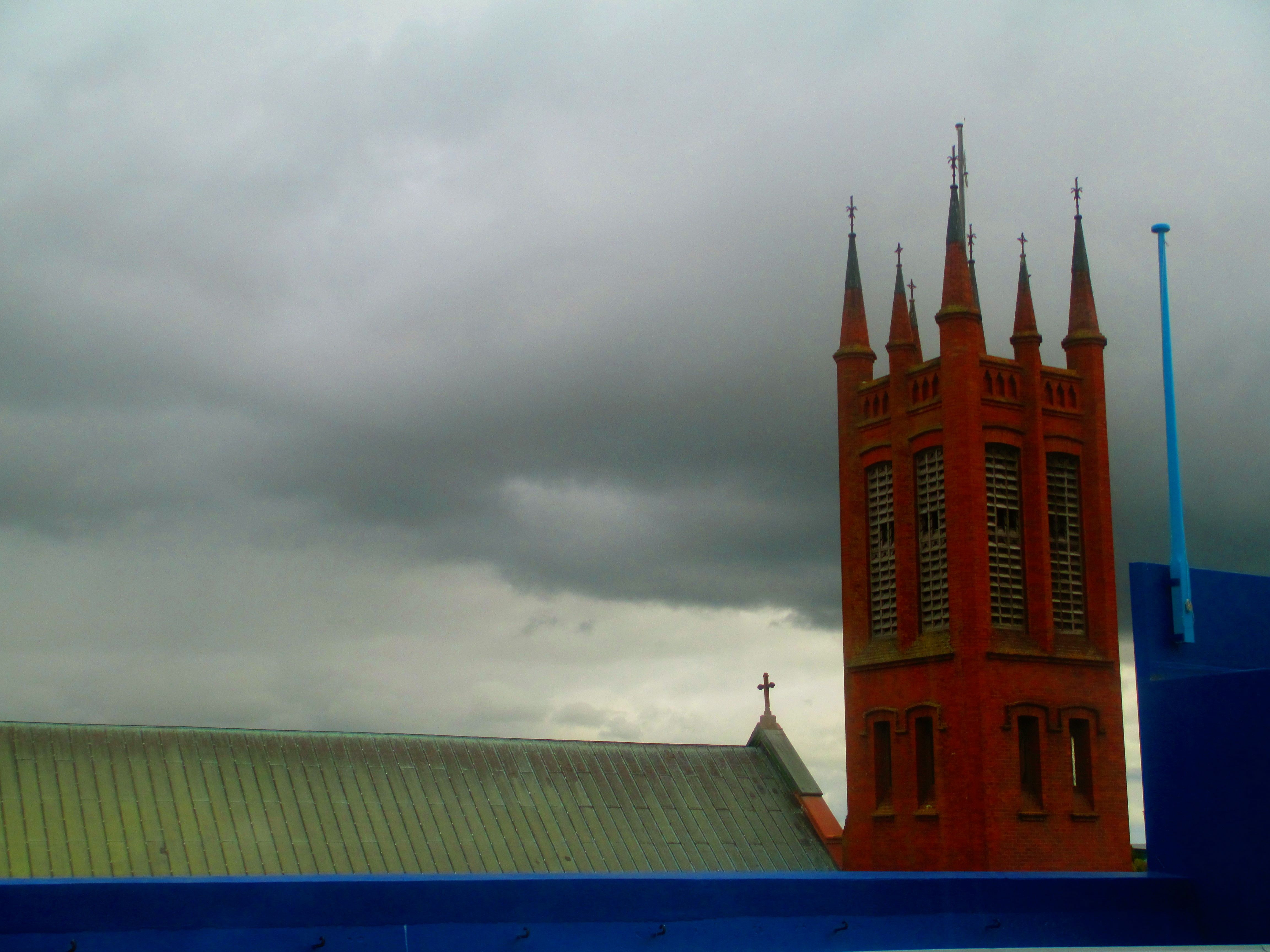
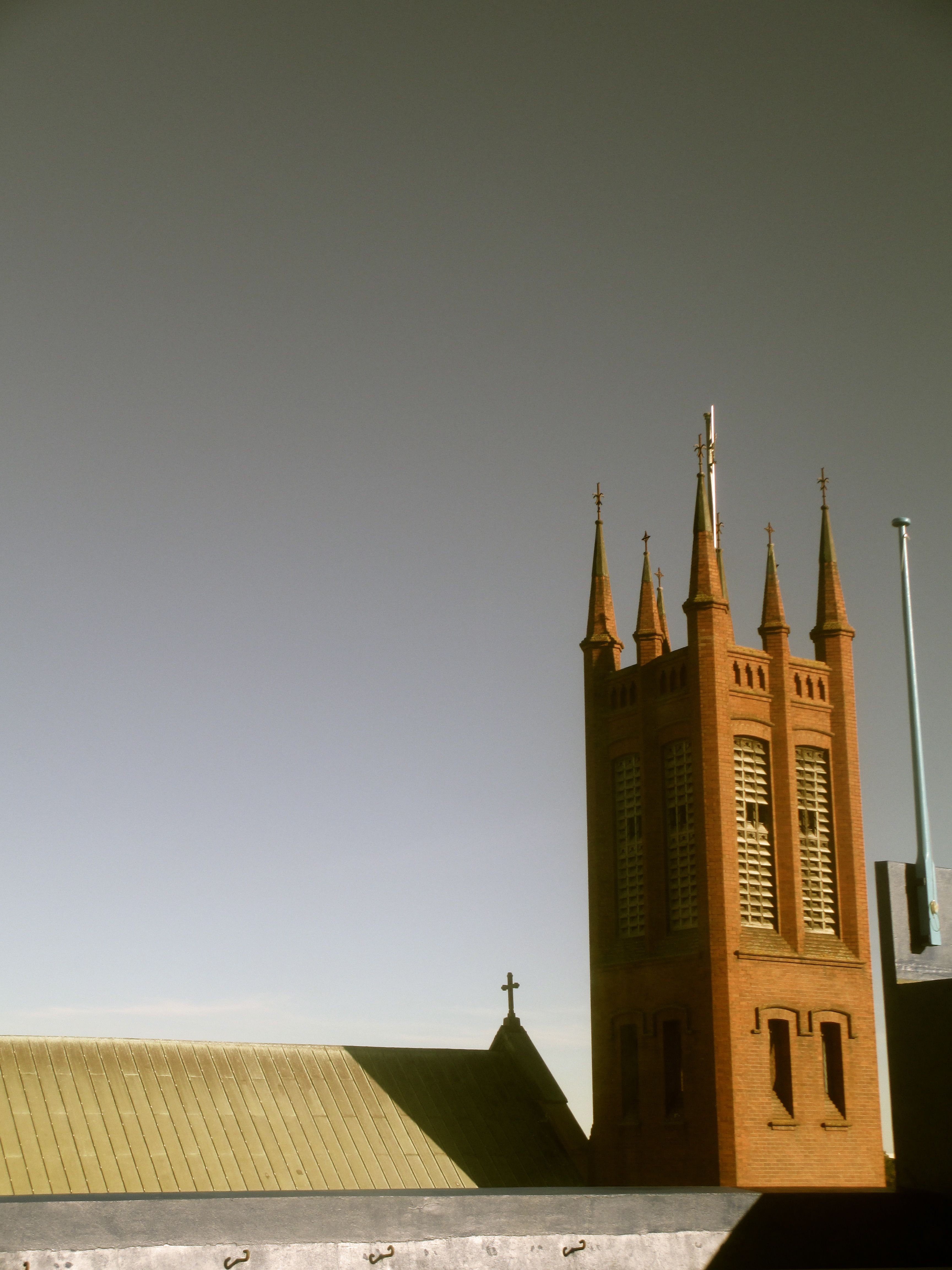
    Here is the first photograph I took of the All Saint’s steeple I could see from the flat window:

    as_16

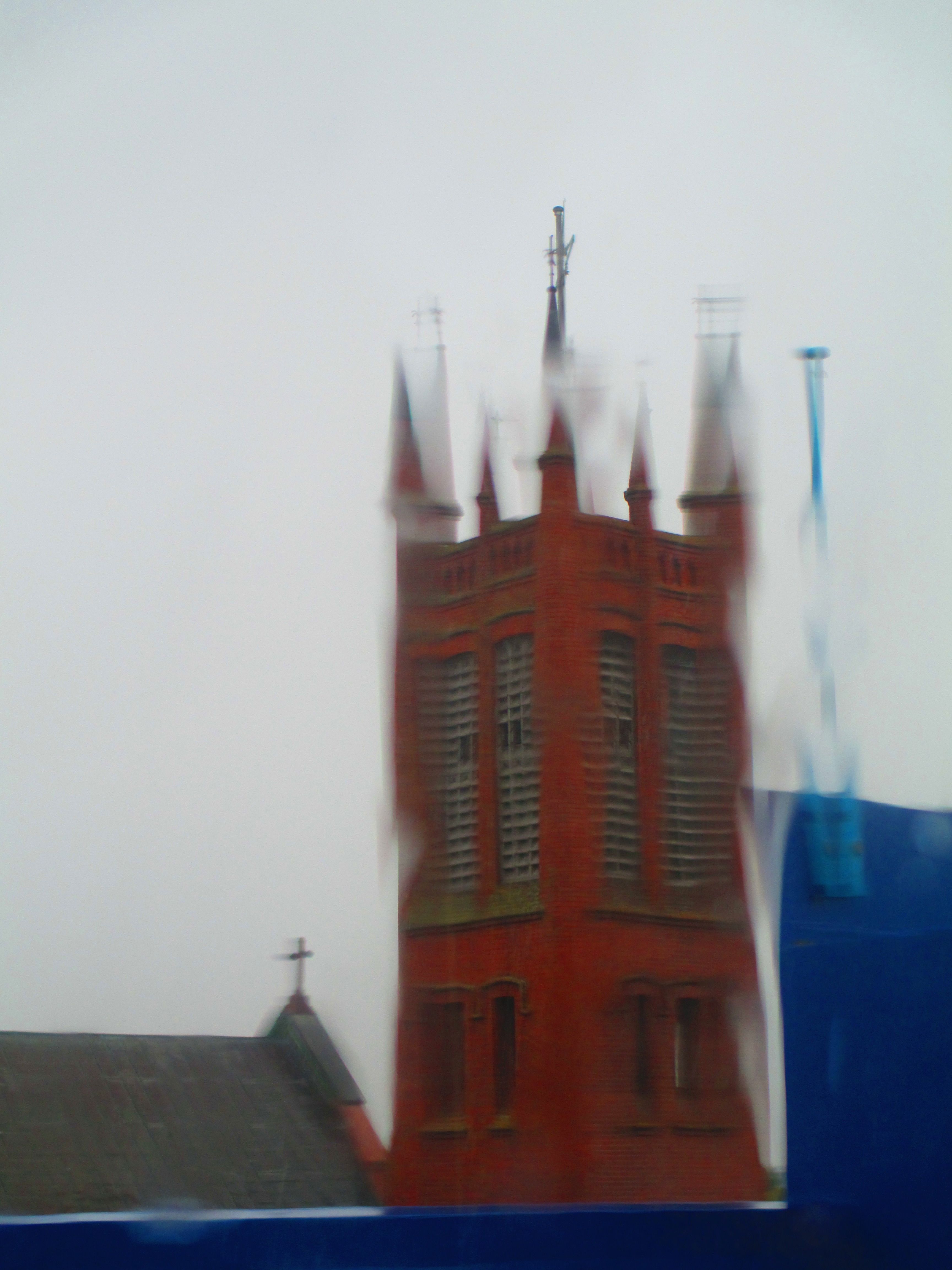
    I started taking a photograph of the steeple, not every time I went to the flat, but many times. Same view, different day. Same steeple, different sky.

    I got married in that church, so I have a special affection for it. It’s now obsolete because of earthquake risk. I hope it doesn’t get knocked down.

    as_14

    Apart from the writing time (which was amazing) here are some things about the residency:

    I loved having a cave up in the sky to hide in. It was like a retreat in many ways. (Admittedly a 9.30-2.30 retreat, with parenting and housework at both ends…but that’s the closest to a retreat I’m likely to get at this stage in my life, so I ain’t complainin’.)

    as_11

    I re-learned focus, and pro-longed attention, and diligence. After a decade of snatching writing time around work and children, it was incredible to have the gift of TIME. It took me about three weeks to sink into it, at first I had major ants-in-my-pants after the first few hours each day…but boy, am I used to it now.

    as_10

    I read 27 challenging, brain-stretching books, from Thoreau to Dillard to Liberty Hyde Bailey to Terry Tempest Williams….

    as_8

    I stayed off the internet during the days. It was peaceful. It was spacious. I sank into the quiet.

    as_7

    I ate a lot of toast and drank a lot of tea.

    as_6

    I enjoyed reading and thinking nearly as much as writing. I was happy to discover how much…that if I never publish another book, I don’t really mind. I’ll always have reading and thinking.

    as_5

    I really like my own company. I always suspected I did, but I haven’t had the space since I had kids to confirm it.

    as_4

    I listened to student radio and discovered lots of new music.

    as_3

    Pigeons roost in the steeple. They fly in late morning and out late afternoon.

    as_1

    I think that’s all I have to say…

    This week after moving out of the flat I’ve been working in the public library which is:

    a) noisier

    b) much warmer

    c) full of people with snotty noses and hacking coughs

    d) not as good as the flat

    e) perfectly fine

    I don’t know what the point of this post is. Except I wanted to share some of my steeple photographs, and to mark the end of the residency somehow.

    Thank you, All Saints steeple for being my companion through all of the weather this winter.  I will miss you! x

    as_2

  • what you hold on to

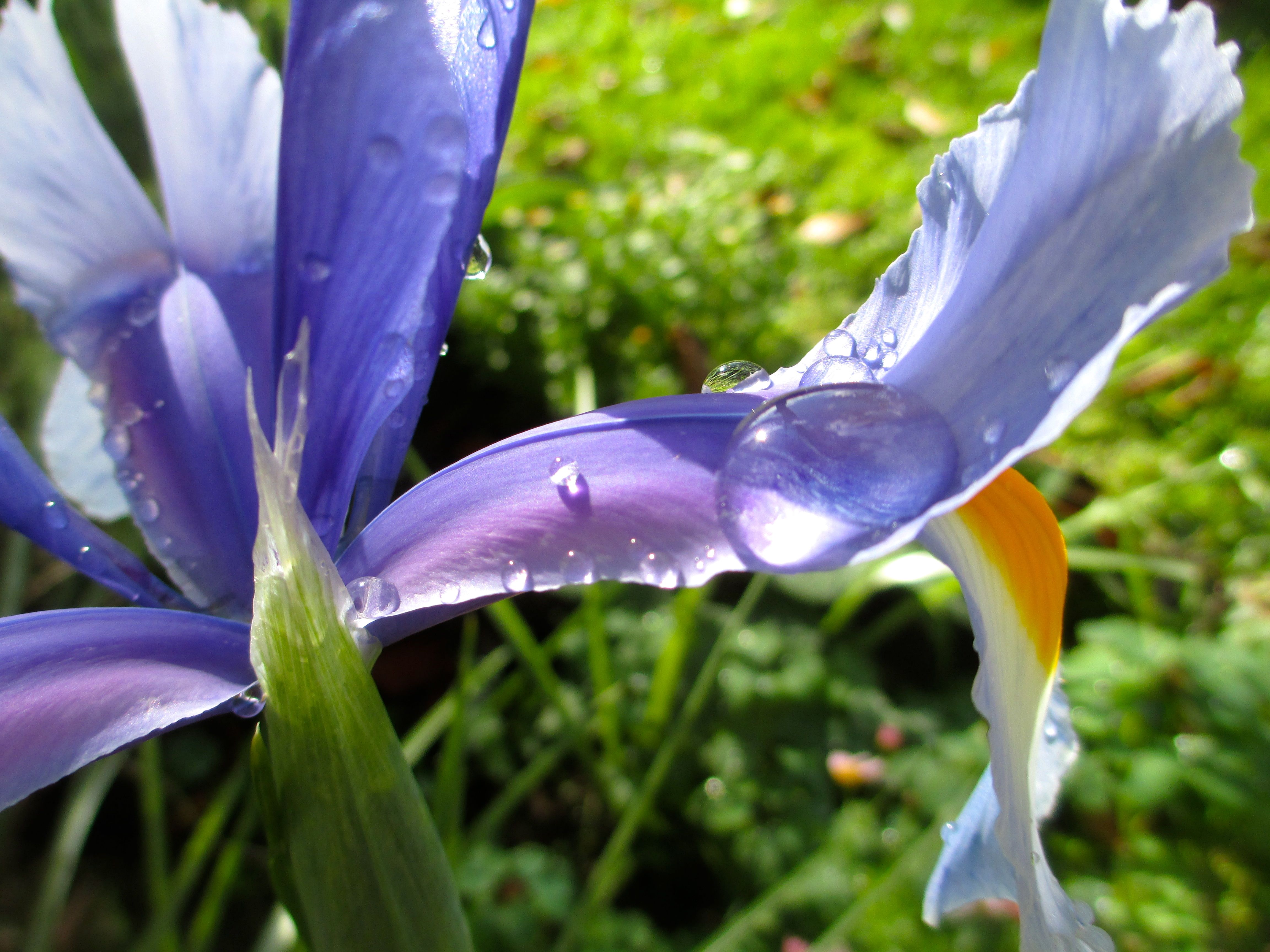
    On Sunday the sun came out after two days of heavy rain. Various plants were doing a beautiful job of holding water on their surface…jewel-like, shining in the sun.

    iris_drip_1

    iris_drip_2

    I have just two weeks to go of the residency! It’s gone SO FAST. BACK HERE I said I was going to write about it here on the blog. Well, looks like I didn’t. I’ve been too busy in it, living it, doing it to reflect on it much. You can take it as a good sign that I didn’t write about it much – all the writing was happening within the residency! It’s been so rich and rewarding and I’ve gotten lots of work done. It’s been a real gift and I feel so lucky!

    iris_drip_3

    There are various duties I have to do in my last couple of weeks as artist-in-residence, so I can see the last fortnight is going to romp by. The time of it being deep, contemplative, solo and quiet is over. Consequently, I’ve been a bit sad about that this week…ah well, time passes. Fact of life.

    iris_drip_4

    As part of my residency, I’m running a workshop soon – there are still five places if you’d like to come…. (it’s in Palmerston North, of course) Poster below. Maybe see you there…

    helen_workshop_eposter

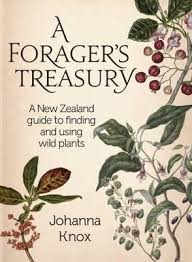
  • Review of ‘A Forager’s Treasury’ by Johanna Knox

    johanna_book_1


    A Forager’s Treasury

    By Johanna Knox

    Allen & Unwin, $36.95

    I’m late in writing this review – I’ve had the book for some weeks now and I was supposed to post a review last week, but it’s taken me a long time to gather my thoughts about it because, quite simply, I’m completely overwhelmed by how much I love this book and I couldn’t write the review sooner because it would have just been GUSH GUSH RAVE RAVE MAD WOMAN SPLUTTERINGS…

    I can’t promise much better today, but I will try! This book is a must for anyone interested in foraging (obviously), but also herbal healing, Rongoa, bushcraft, nutrition, ecological principles of sustainability and conservation, folk wisdom and so much more! The book is rich in it’s content, it’s so much more than a mere guidebook, the author is a terrific writer and her sparkling prose and dry wit infuse the text with life. She is funny, self-effacing, humble and also extremely intelligent – it’s a beguiling combination.

    The book is thoroughly researched and wonderfully New Zealand-specific (although there is plenty in here for overseas readers, also!) The writer brings her own direct experiences (and experiments!) into the text, which makes giving foraging a go seem so much more appealing. She is honest about her failures, her predilections and her biases, too. The book is not impartial and is all the richer for it! All through the text are small boxes of ‘extra for experts’ style gems of historical information and interesting stories relating to the text.

    As well as all the botanical and culinary details necessary for foraging, Johanna goes beyond the basics to provide a feast of recipe ideas, she covers cooking, tisanes, syrups,  oils, freezing, pickling and so much more. The most special thing about the book for me, though, is that Johanna’s enthusiasm for plants and foraging makes it seem exciting, vital and fun. I have no doubt that the book will turn many foraging-newbies in to keen plant spotters and pickers. I also love the way Johanna captures the romantic aspect of foraging, the sheer joy of knowing a wild plant’s name and what it’s good for – the final section of the book ‘Wild Ways’ celebrates the foraging ‘lifestyle’ with ideas for bodycare, medicine, picnics and a look at the language of flowers. In case you are worried the recipes will all be for green weedy salads, fear not – there are recipes for all kinds of desserts, cakes, rich sauces – the gourmand will be satisfied as much as the health nut.

    johanna_book_2

    My favourite recipe (again, appealing to the romantic part of me) is for ‘Lady Lindsay’s Feral Tea Sandwiches’ (I love the word ‘feral’ – it makes me want to dance around a blazing bonfire on a winter’s night!). I have copied Johanna’s description of these sandwiches for your entertainment:

    Tea sandwiches are dainty…..I named this collection of ideas for Joan, Lady Lindsay who is best known for her haunting novel ‘Picnic at Hanging Rock’ …an evocative and primal exploration of Antipodean settler unease and awe for the land. With her highly privileged background, creative eccentricity and fascination for the land’s dangers and mysteries, I think Joan Lindsay would have liked these sandwiches. I fancy they are like her, with their refined exteriors and wild insides.” 

    There follows a long recipe full of endless possibilities for a truly wild picnic!

    johannah_book_3

    My only criticism of the book is the lack of an index, which makes looking up plants tricky if you aren’t sure of their parent plant family….but I anticipate somewhere in the next dozen reprints of this book, sure to become a bible of plant lore in New Zealand, the publishers will eventually put an index in.

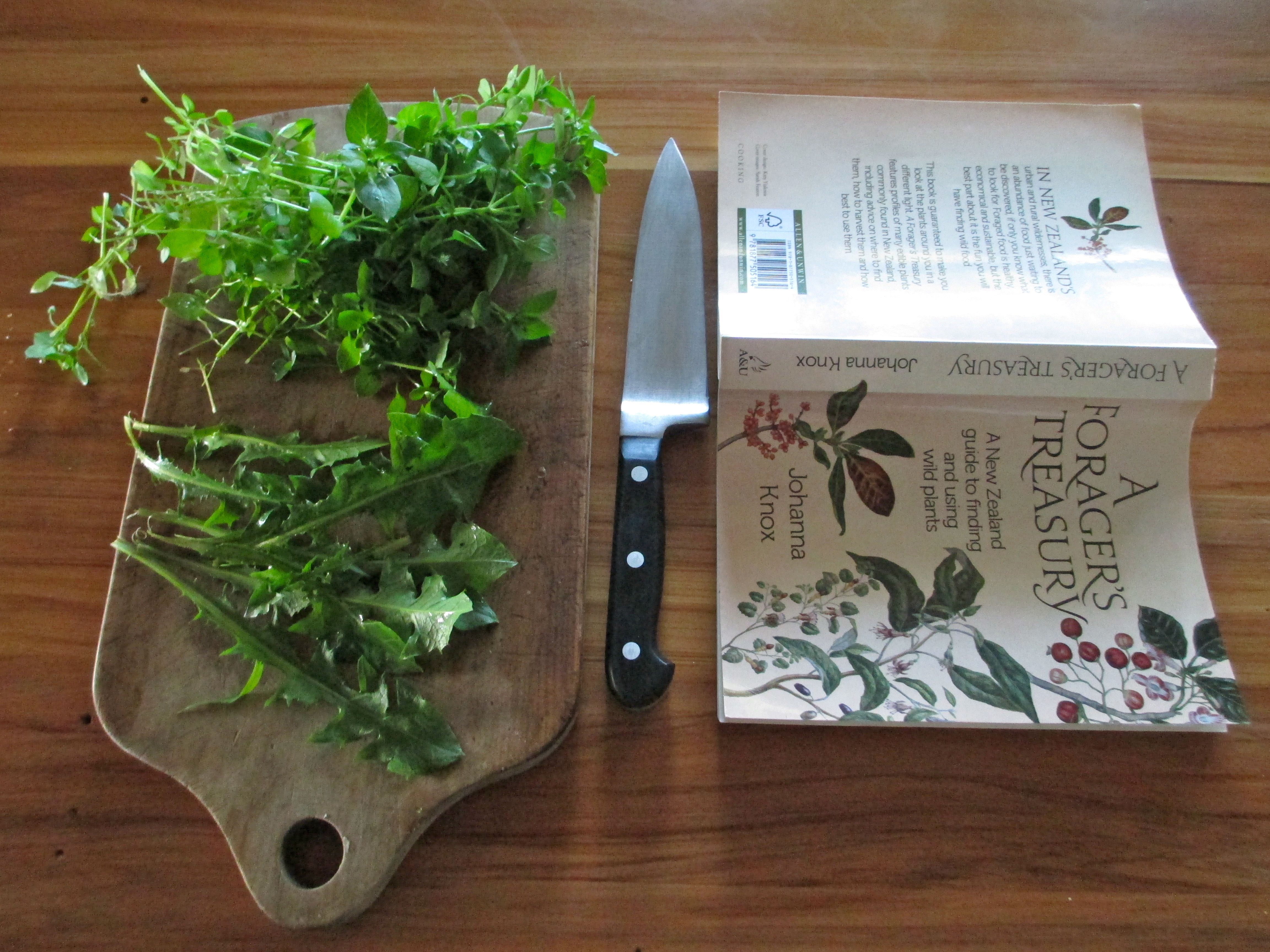
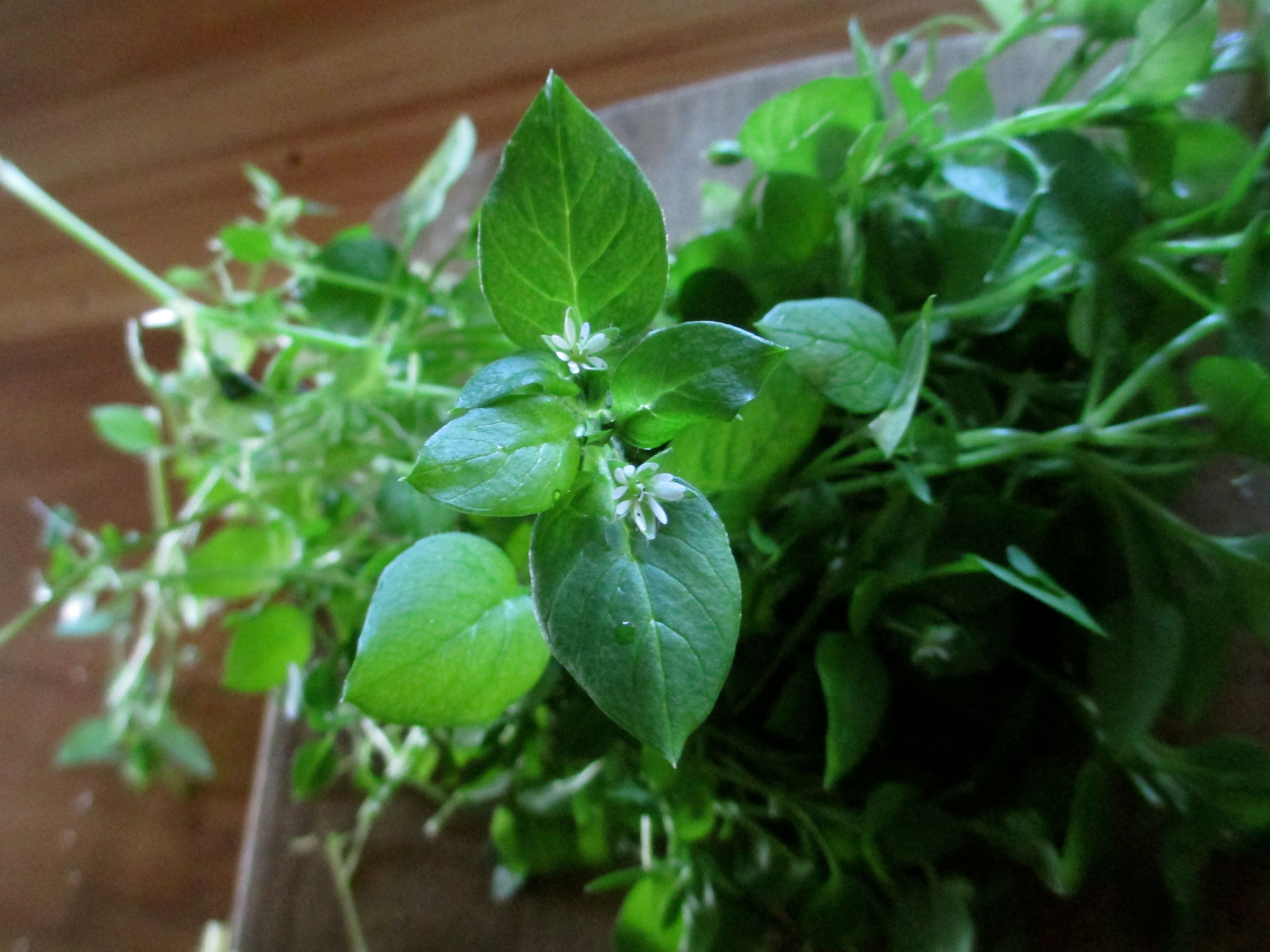
    I have already bought copies of this book for my father (keen bushman who likes to extend his bush-craft skills) and friends who love to garden and forage. It makes a wonderful gift for the green-minded, but first, buy a copy for yourself – even if you are new to foraging you are sure to catch the bug, and you will be amazed at what you can ‘forage’ even in your own backyard! (The chickweed and dandelion in the photographs came from my backyard, I chopped both finely and added to a pasta sauce.)

    Thank you, Johanna for your gift of this very special book.

    Don’t forget there is a website which accompanies the book HERE. I will share a foraging recipe which Johanna sent me with you sometime soon (I just need to cook it first so I can report on it’s flavour!)


  • Walnuts, irises, peas….

    Over autumn I foraged HEAPS of walnuts, plus my parents gave me a big box….they’ve been drying off for six weeks. I’ve just started cracking into them and they are good, fresh, earthy, delicious. Now I have a happy walnut glut and will be thinking of ways to use walnuts so if you have any good recipes or food combinations, let me know! I started with cake, because…..cake. I made an Alison Holst Date & Walnut Cake recipe, a rich combination of finely chopped dates and walnuts with only two tablespoons of flour! I made ginger icing for it and we devoured it for afternoon tea. It was more like a pudding in consistency….no bad thing!

    walnut_cake

    On Saturday, I bought these irises at the vegetable market and also a twin bunch for my mother who was visiting. When I bought them they were very tightly closed. She took hers back to Taupo. Mine all opened at the same time the next day, hers didn’t open until today! Swamp-plain versus mountain-plain, I guess. What do plants MAKE of being shipped away from their home-terroir? Do they feel it?

    iris

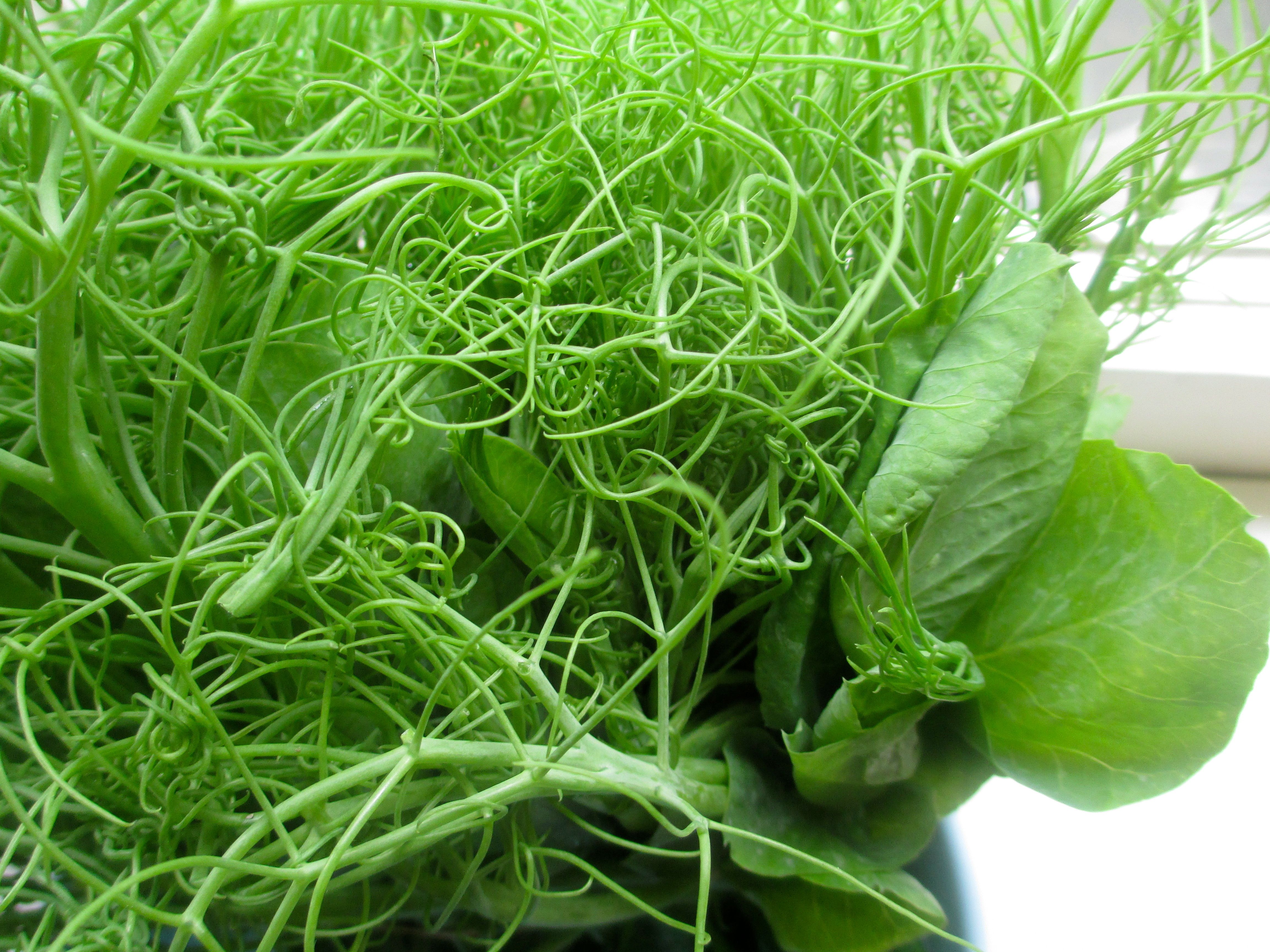
    Finally, also at the vegetable market I bought this bunch of pea tops. I have a bit of a fetish for pea plants – I love them! Something about those curly little climbing tendrils makes me feel all strange and happy. I hadn’t seen such a thing for sale as a vegetable before. I would be happy to buy them every week!

    peas_1

    They taste slightly of pea, but mainly just of chlorophyl, of healthy green. I ate them in sandwiches and threw them into a soup I was making.

    peas_2

    I am writing a long, ongoing poem about vegetables in the vegetable garden and the way they grow. It’s an odd project – I’m trying to capture each plants ‘essential nature’ in a short 4-8 line stanza. Why am I doing this? I don’t know…a combination of fun and to get to know the things I grow more intimately? Here is the ‘pea’ stanza:

    peas_3

    Pea:

    fragile bright filigree

    upwards gentle

    spirals intently

    tiny hands holding

    tender opaque baby

  • gifts from the thrift

    How is the first official week of winter treating you? (Game of Thrones fans will get the reference here….)

    june

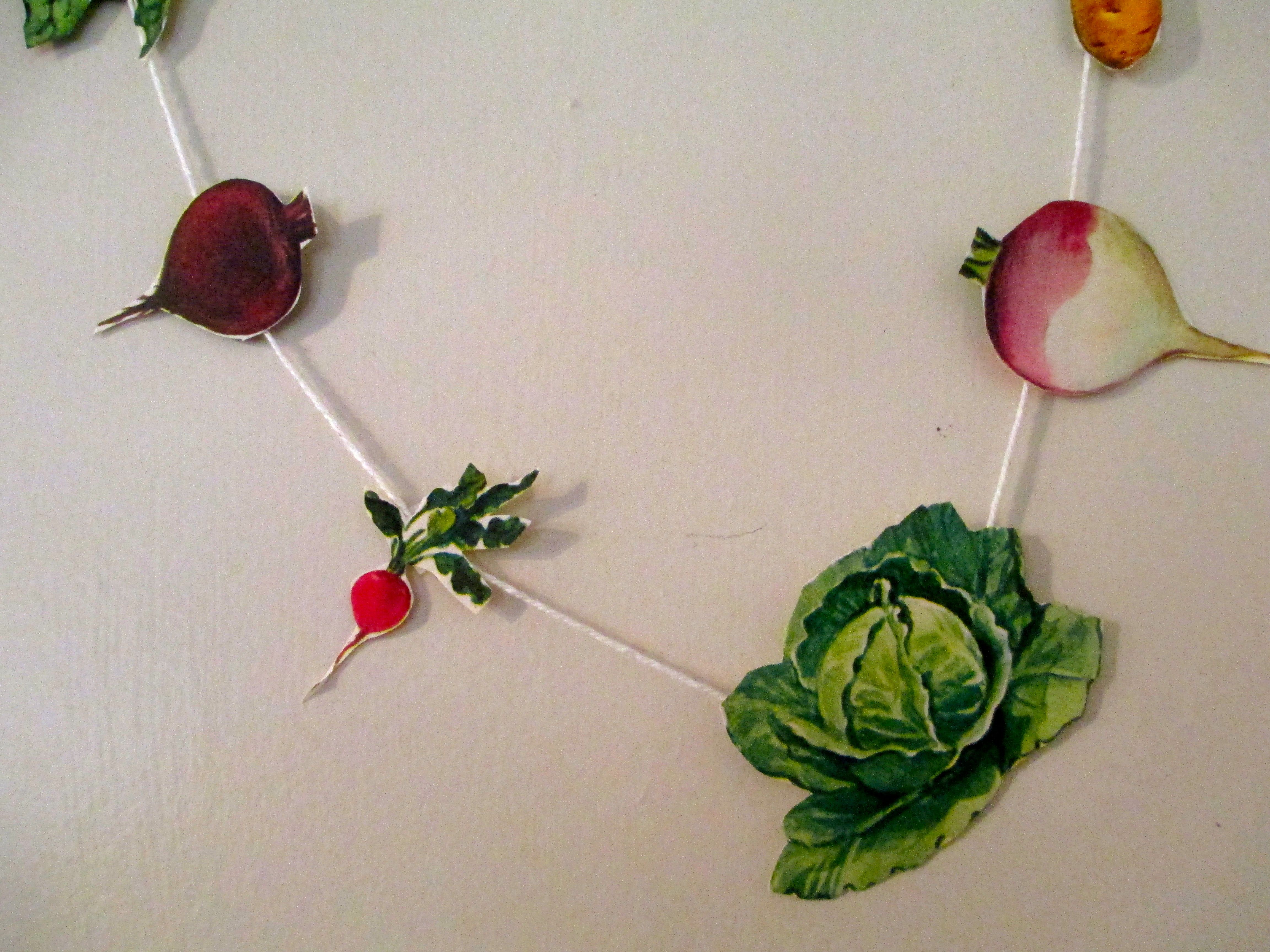
    Here is some vegetable bunting I made for the kitchen because….well, just because:

    vegbunting

    Here’s some stuff from the op-shop lately. (I buy most of my clothes from the op-shop also, but they aren’t all that exciting to photograph.) The sweet, the curious and the plain old strange have come my way…

    Something about this wee vintage dog appealed to me – the way he is obviously such a good dog and his face is on that angle of appealing to a person standing near….also he is standing on the tucker box – guarding it, or wanting to eat it’s contents…?

    op_june_1


    op_june_2

    New (to-me) art for the wall – an American Jay bird. I love the pencil of the foliage and the way only the bird is coloured. This is on wood and has a kind of enameled or something surface. Quite unusual.

    op_june_3

    A Holly Hobbie tile, mounted on wood. This will go to one of the manifold little girls in my life.

    op_june_4

    Not op-shopped, but these two sweeties were being thrown out when Fraser’s grandfather moved house, so I duly rescued them.

    op_june_6

    Finally, a strange little mushroom man. Yes, I am aware that he is quite penile in appearance…I think this is partly what appealed. He’s like a wee fertility totem! 🙂

    op_june_5

    This is why I love op-shopping – the randomness, the chance – you just never know what you might uncover. It really is a treasure hunt.


  • Interview with Johanna Knox author of ‘A Forager’s Treasury’

    forager_treasury_coverAs a keen forager myself, I was so excited to hear that my friend Johanna Knox was writing a foraging guide for New Zealand, but despite the fact I was pre-disposed to like it, I am truly impressed and in awe of what she has produced. It is a beautifully written, helpful and down-to-earth book with great illustrations and in a handy format for toting along on foraging expeditions. I talked to Johanna about foraging recently and here is what she said:

    HL: Congratulations on your new book, Johanna! Can you tell me how you got into foraging? 

    JK: Thanks Helen! I was always fascinated by all the uses of plants, and I experimented madly as a child and a teen. As an adult I got into it again after I had children. I saw the natural world anew – through a child’s eyes again. Plus I got interested in food activism, and foraging kept cropping up as part of that.

    HL: Why do you think foraging is an important skill to have? 

    JK: In the Western world we’ve grown so distant in our relationships with the plant kingdom. Obviously there are exceptions – all the amazing researchers and trampers and wanderers, and gatherers and growers like you, who are maintaining and developing give-and-take relationships with the plant world. But as a society in general we’ve become disconnected from the truth about how we need plants for our survival and wellbeing.

    If we forget how all that works, we also forget what plants need from us in return. That way lies disaster. So foraging is a fun and productive way to help revive that relationship.

    You can definitely save money foraging too! Plus it’s empowering to be able to look around you, wherever you are, and see the ingredients for food or medicine or perfume or dye. johanna_2 

    HL: What have you learned from your foraging adventures? 

    JK: To be patient about knowledge! To not try and identify everything and know all about every plant at once.  That’s just frustrating. You have to read and listen and think and observe, and gradually things dawn on you. You can short circuit parts of that process if you get someone to show you stuff directly, but you still have to do your own research and observation and thinking.

    HL: Do you dumpster dive, too, or is your ‘foraging’ restricted to natural foods? What do you think of dumpster diving? 

    JK: Dumpster diving is admirable. I haven’t been party to it since before I had kids. Maybe I’ll take it up seriously one day …  I like the idea of doing it as a 70 year old.

    HL: What would your ‘Absolute Top Five List of Things To Forage (even if you are not a keen forager)’ be, and why? 

    JK: This is hard! I reserve the right to change this list tomorrow.

    Today:

    Kawakawa: my first native plant friend, so easy to identify, so abundant, so useful in so many ways.

    Fennel: I never used to like fennel – it gave me a stomach ache, but once I learned to use it more subtly in cooking and also found you could dye things almost fluoro yellow with it, I gained a new appreciation for it.

    Nasturtium: Every part is edible – and nutritious – and medicinal in that mustardy old-time-remedy way … And it’s so decorative. Good for party foods.

    Elderberry: Gather the flowers around November, and the berries late in summer and gather heaps. Make bulk syrup and freeze it and then use it in everything all year round. It’s so expensive in shops, and so cheap to make your own. And this tree is not endangered in the slightest.

    New Zealand mint: I love it that New Zealand has a native mint. But like many New Zealanders it’s a bit reserved and self-deprecating. Tough though, with hidden depths … and it gets louder when you mix it with alcohol. If you can’t find it wild, grow it in your garden as a ground cover.

    HL: How has foraging changed the way you see the world? 

    JK: I think I have a much greater appreciation for New Zealand’s native plants now, what they need, and their enormous value in ecosystems, as well as all the amazing things you can do with them.

    HL: Do your family & friends ever get embarrassed when you forage and collect windfalls when you are out with them? 

    JK: Not so much embarrassed – just impatient! I always hope I can sweep them along in my own enthusiasm, but there are times when I have to accept they’ve got other things on their mind!

    HL: Do you forage for mushrooms? Just how dangerous is it? 

    JK: I have anxiety around fungi. I realise rationally that if you know what you’re doing it’s not dangerous. And I can identify certain fungi that are edible – like boletes and basket fungus… but I can’t bring myself to eat them.

    I gathered field mushrooms once, cooked them up, and ate them. I knew beyond reasonable doubt that they were field mushrooms. But for a couple of hours afterwards I was still hyper-aware of my body, and every odd twinge, wondering if I’d poisoned myself.

    I’ve been wondering if this goes back to reading the Babar books as a child.

    Do you remember that bit where the old king elephant eats a ‘bad mushroom’ and dies? There’s this awful picture of him lying on the ground all green and wobbly. That’s one of my most vivid book memories from my preschool years – staring and staring at that picture in horrified fascination, trying to comprehend it … Now I wonder if that book set me up for a lifetime of anxiety around wild mushrooms!

    Whatever the reason, A Forager’s Treasury takes a botanical approach rather than a mycological one.

    HL: Is there a foraged food you eat almost every day? 

    JK: There’s no one foraged food, but definitely a recipe I pull out more regularly than most others – that’s weed pakoras. It’s such an easy, substantial, satisfying way to use any edible weeds you can find near your house, and whip up a meal or a side dish when you’re running short of stuff in the pantry

    HL: What is your best discovery in terms of our native plants? (Recently, I had delicious tea at a cafe which had Kawakawa in it, and now I’m keen to try that.)

    JK: Perhaps harakeke. There are so many varieties, and you never stop learning about it. It’s just this most incredible multi-purpose plant – the nectar as a sweetener, the pollen as a nutritious condiment, the seedpods as a rich chocolate-brown dye (and I love the smell of them), the sap as a healing gel … and that’s not counting all the uses of the leaves as fibre.

    HL: Does foraging have a spiritual element to it for you, or is it strictly pragmatic? 

    JK: I’m not a very spiritual person I’m afraid. I was brought up in a family of geeky atheists. But I think science has served some of the same purposes for me as a spiritual or religious path might for some others.

    It’s given me a sense of awe and wonder about nature and the universe, a feeling of being just a small part of something grand and mysterious, and a reassuring sense of my own insignificance. It also helps provide the co-ordinates for a moral compass (however hard it is to follow that compass sometimes).

    I can’t say it’s helped me fully come to terms with human mortality – I’m still working on that one! But I have the impression many people on spiritual or religious paths struggle with that one too.

    When you’re out gathering, all those feelings and ideas certainly come into play.

    Thanks so much, Johanna! Over the next couple of weeks I intend to post a review of ‘A Forager’s Treasury’ and Johanna has also given me a recipe to share with you all as well.

    If you want to learn a little more about Johanna – look HERE. HERE is a recent review of the book, and there is a website which goes along with the book HERE.

    Happy foraging!