Author: helenlehndorf

  • Walnuts, irises, peas….

    Over autumn I foraged HEAPS of walnuts, plus my parents gave me a big box….they’ve been drying off for six weeks. I’ve just started cracking into them and they are good, fresh, earthy, delicious. Now I have a happy walnut glut and will be thinking of ways to use walnuts so if you have any good recipes or food combinations, let me know! I started with cake, because…..cake. I made an Alison Holst Date & Walnut Cake recipe, a rich combination of finely chopped dates and walnuts with only two tablespoons of flour! I made ginger icing for it and we devoured it for afternoon tea. It was more like a pudding in consistency….no bad thing!

    walnut_cake

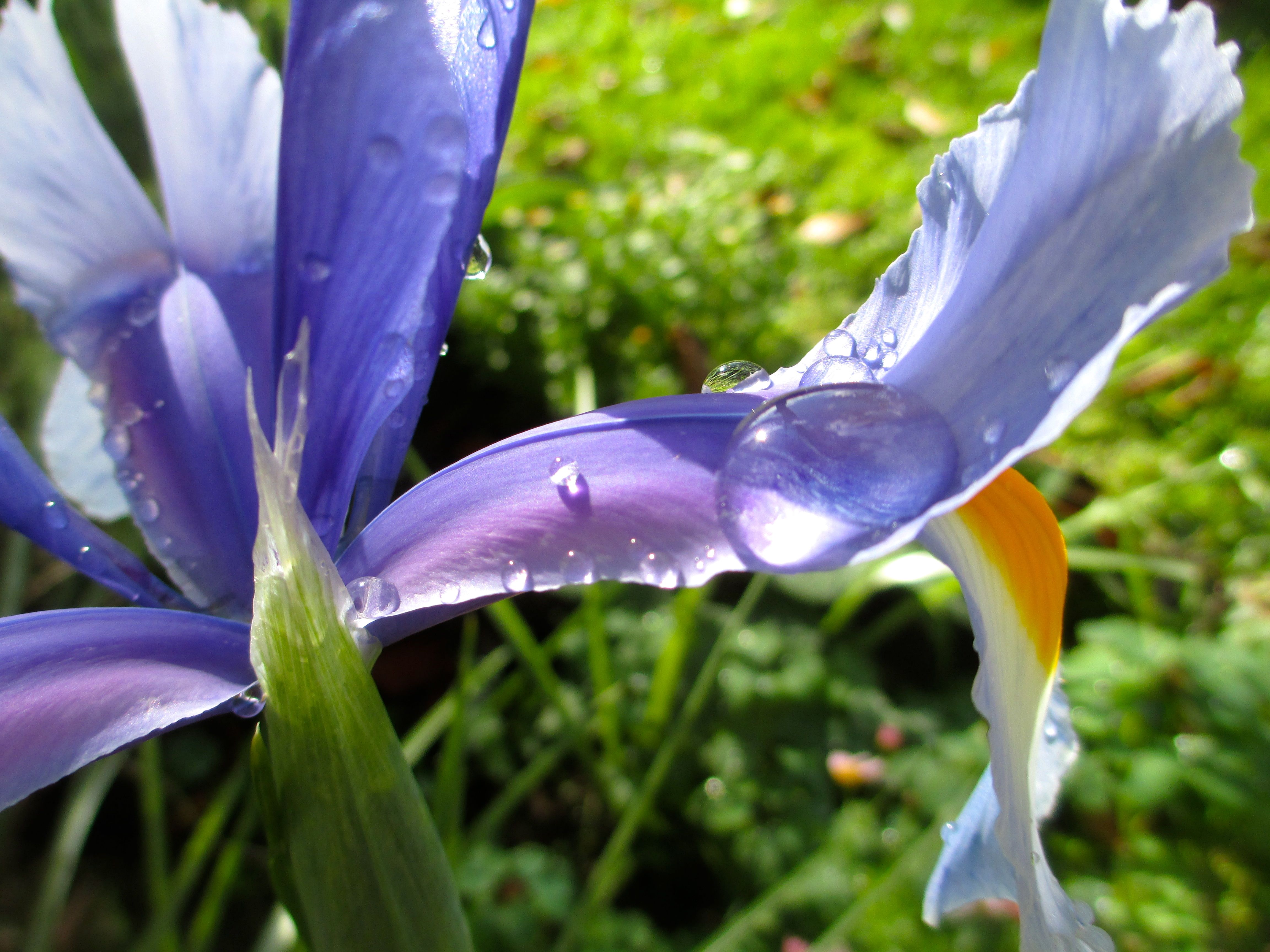
    On Saturday, I bought these irises at the vegetable market and also a twin bunch for my mother who was visiting. When I bought them they were very tightly closed. She took hers back to Taupo. Mine all opened at the same time the next day, hers didn’t open until today! Swamp-plain versus mountain-plain, I guess. What do plants MAKE of being shipped away from their home-terroir? Do they feel it?

    iris

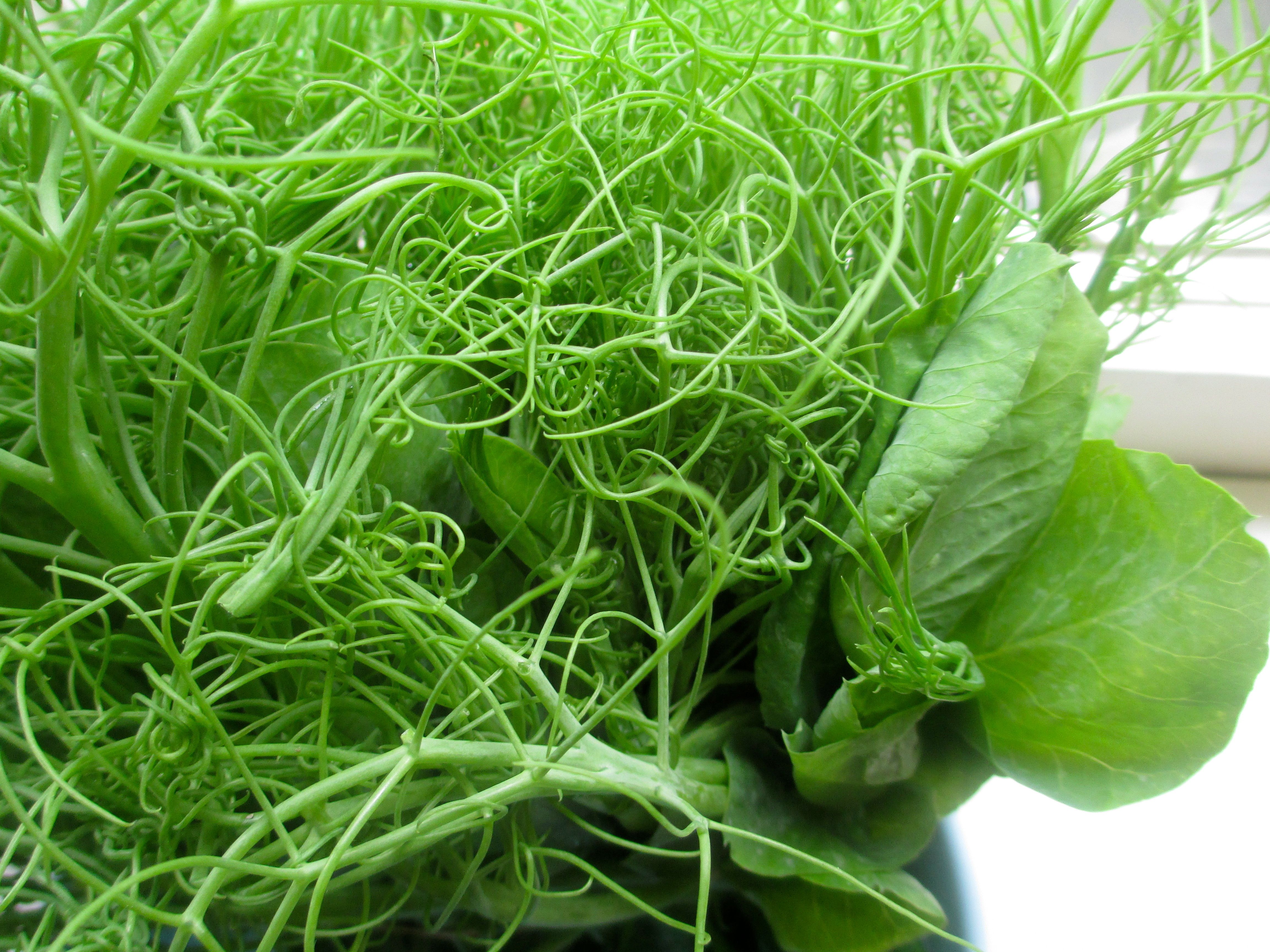
    Finally, also at the vegetable market I bought this bunch of pea tops. I have a bit of a fetish for pea plants – I love them! Something about those curly little climbing tendrils makes me feel all strange and happy. I hadn’t seen such a thing for sale as a vegetable before. I would be happy to buy them every week!

    peas_1

    They taste slightly of pea, but mainly just of chlorophyl, of healthy green. I ate them in sandwiches and threw them into a soup I was making.

    peas_2

    I am writing a long, ongoing poem about vegetables in the vegetable garden and the way they grow. It’s an odd project – I’m trying to capture each plants ‘essential nature’ in a short 4-8 line stanza. Why am I doing this? I don’t know…a combination of fun and to get to know the things I grow more intimately? Here is the ‘pea’ stanza:

    peas_3

    Pea:

    fragile bright filigree

    upwards gentle

    spirals intently

    tiny hands holding

    tender opaque baby

  • gifts from the thrift

    How is the first official week of winter treating you? (Game of Thrones fans will get the reference here….)

    june

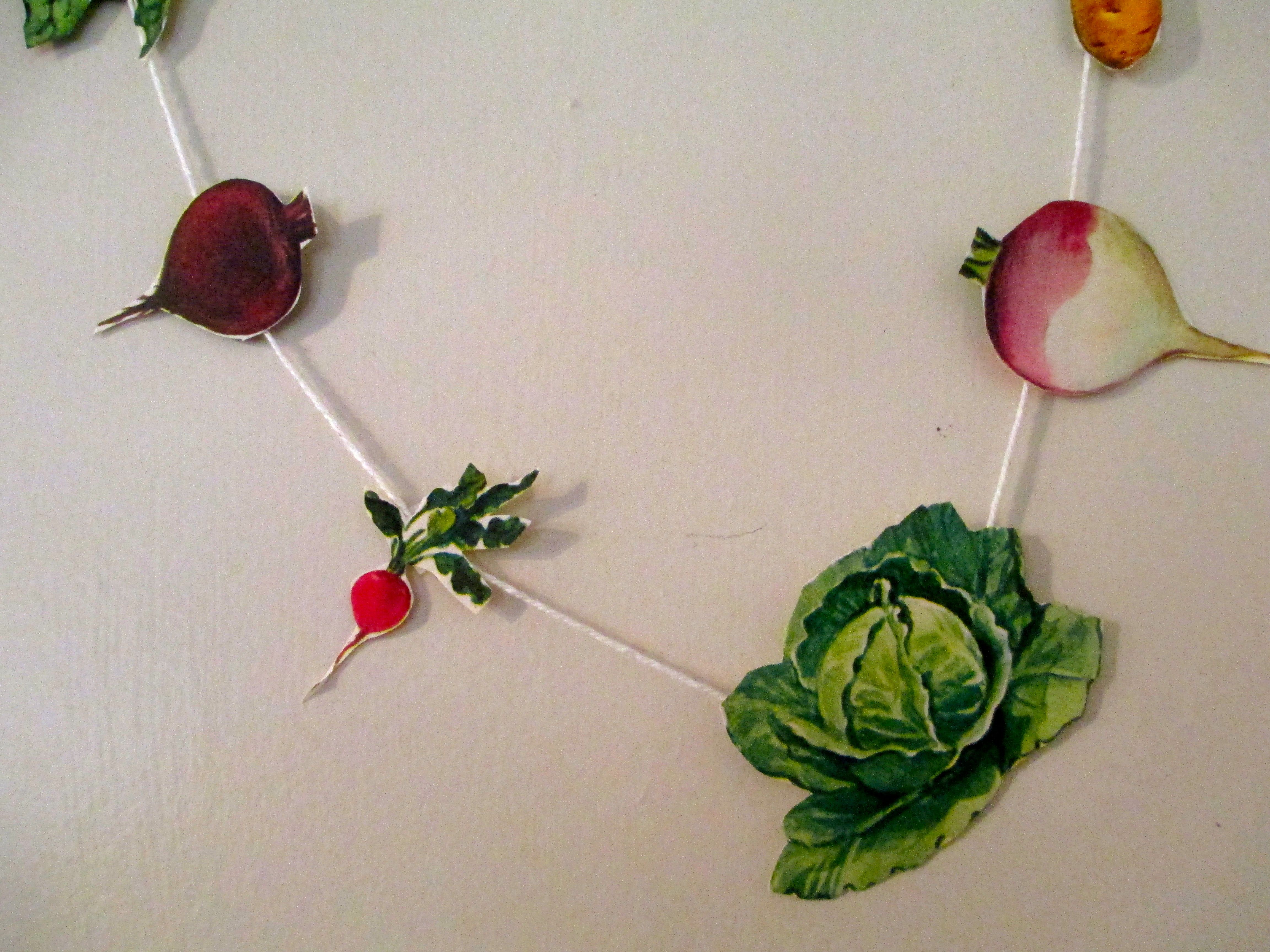
    Here is some vegetable bunting I made for the kitchen because….well, just because:

    vegbunting

    Here’s some stuff from the op-shop lately. (I buy most of my clothes from the op-shop also, but they aren’t all that exciting to photograph.) The sweet, the curious and the plain old strange have come my way…

    Something about this wee vintage dog appealed to me – the way he is obviously such a good dog and his face is on that angle of appealing to a person standing near….also he is standing on the tucker box – guarding it, or wanting to eat it’s contents…?

    op_june_1


    op_june_2

    New (to-me) art for the wall – an American Jay bird. I love the pencil of the foliage and the way only the bird is coloured. This is on wood and has a kind of enameled or something surface. Quite unusual.

    op_june_3

    A Holly Hobbie tile, mounted on wood. This will go to one of the manifold little girls in my life.

    op_june_4

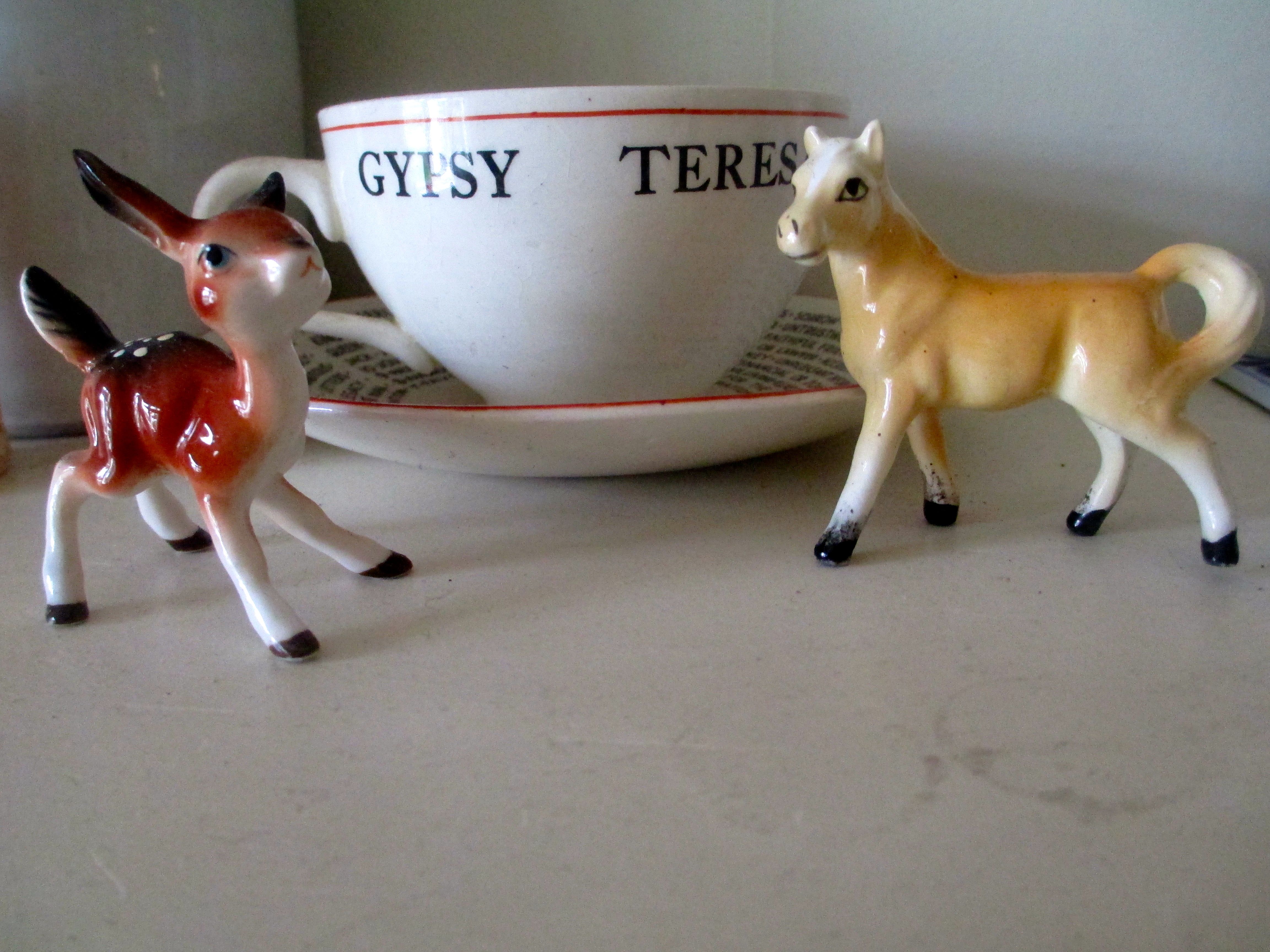
    Not op-shopped, but these two sweeties were being thrown out when Fraser’s grandfather moved house, so I duly rescued them.

    op_june_6

    Finally, a strange little mushroom man. Yes, I am aware that he is quite penile in appearance…I think this is partly what appealed. He’s like a wee fertility totem! 🙂

    op_june_5

    This is why I love op-shopping – the randomness, the chance – you just never know what you might uncover. It really is a treasure hunt.


  • Interview with Johanna Knox author of ‘A Forager’s Treasury’

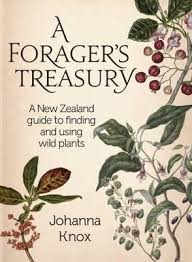
    forager_treasury_coverAs a keen forager myself, I was so excited to hear that my friend Johanna Knox was writing a foraging guide for New Zealand, but despite the fact I was pre-disposed to like it, I am truly impressed and in awe of what she has produced. It is a beautifully written, helpful and down-to-earth book with great illustrations and in a handy format for toting along on foraging expeditions. I talked to Johanna about foraging recently and here is what she said:

    HL: Congratulations on your new book, Johanna! Can you tell me how you got into foraging? 

    JK: Thanks Helen! I was always fascinated by all the uses of plants, and I experimented madly as a child and a teen. As an adult I got into it again after I had children. I saw the natural world anew – through a child’s eyes again. Plus I got interested in food activism, and foraging kept cropping up as part of that.

    HL: Why do you think foraging is an important skill to have? 

    JK: In the Western world we’ve grown so distant in our relationships with the plant kingdom. Obviously there are exceptions – all the amazing researchers and trampers and wanderers, and gatherers and growers like you, who are maintaining and developing give-and-take relationships with the plant world. But as a society in general we’ve become disconnected from the truth about how we need plants for our survival and wellbeing.

    If we forget how all that works, we also forget what plants need from us in return. That way lies disaster. So foraging is a fun and productive way to help revive that relationship.

    You can definitely save money foraging too! Plus it’s empowering to be able to look around you, wherever you are, and see the ingredients for food or medicine or perfume or dye. johanna_2 

    HL: What have you learned from your foraging adventures? 

    JK: To be patient about knowledge! To not try and identify everything and know all about every plant at once.  That’s just frustrating. You have to read and listen and think and observe, and gradually things dawn on you. You can short circuit parts of that process if you get someone to show you stuff directly, but you still have to do your own research and observation and thinking.

    HL: Do you dumpster dive, too, or is your ‘foraging’ restricted to natural foods? What do you think of dumpster diving? 

    JK: Dumpster diving is admirable. I haven’t been party to it since before I had kids. Maybe I’ll take it up seriously one day …  I like the idea of doing it as a 70 year old.

    HL: What would your ‘Absolute Top Five List of Things To Forage (even if you are not a keen forager)’ be, and why? 

    JK: This is hard! I reserve the right to change this list tomorrow.

    Today:

    Kawakawa: my first native plant friend, so easy to identify, so abundant, so useful in so many ways.

    Fennel: I never used to like fennel – it gave me a stomach ache, but once I learned to use it more subtly in cooking and also found you could dye things almost fluoro yellow with it, I gained a new appreciation for it.

    Nasturtium: Every part is edible – and nutritious – and medicinal in that mustardy old-time-remedy way … And it’s so decorative. Good for party foods.

    Elderberry: Gather the flowers around November, and the berries late in summer and gather heaps. Make bulk syrup and freeze it and then use it in everything all year round. It’s so expensive in shops, and so cheap to make your own. And this tree is not endangered in the slightest.

    New Zealand mint: I love it that New Zealand has a native mint. But like many New Zealanders it’s a bit reserved and self-deprecating. Tough though, with hidden depths … and it gets louder when you mix it with alcohol. If you can’t find it wild, grow it in your garden as a ground cover.

    HL: How has foraging changed the way you see the world? 

    JK: I think I have a much greater appreciation for New Zealand’s native plants now, what they need, and their enormous value in ecosystems, as well as all the amazing things you can do with them.

    HL: Do your family & friends ever get embarrassed when you forage and collect windfalls when you are out with them? 

    JK: Not so much embarrassed – just impatient! I always hope I can sweep them along in my own enthusiasm, but there are times when I have to accept they’ve got other things on their mind!

    HL: Do you forage for mushrooms? Just how dangerous is it? 

    JK: I have anxiety around fungi. I realise rationally that if you know what you’re doing it’s not dangerous. And I can identify certain fungi that are edible – like boletes and basket fungus… but I can’t bring myself to eat them.

    I gathered field mushrooms once, cooked them up, and ate them. I knew beyond reasonable doubt that they were field mushrooms. But for a couple of hours afterwards I was still hyper-aware of my body, and every odd twinge, wondering if I’d poisoned myself.

    I’ve been wondering if this goes back to reading the Babar books as a child.

    Do you remember that bit where the old king elephant eats a ‘bad mushroom’ and dies? There’s this awful picture of him lying on the ground all green and wobbly. That’s one of my most vivid book memories from my preschool years – staring and staring at that picture in horrified fascination, trying to comprehend it … Now I wonder if that book set me up for a lifetime of anxiety around wild mushrooms!

    Whatever the reason, A Forager’s Treasury takes a botanical approach rather than a mycological one.

    HL: Is there a foraged food you eat almost every day? 

    JK: There’s no one foraged food, but definitely a recipe I pull out more regularly than most others – that’s weed pakoras. It’s such an easy, substantial, satisfying way to use any edible weeds you can find near your house, and whip up a meal or a side dish when you’re running short of stuff in the pantry

    HL: What is your best discovery in terms of our native plants? (Recently, I had delicious tea at a cafe which had Kawakawa in it, and now I’m keen to try that.)

    JK: Perhaps harakeke. There are so many varieties, and you never stop learning about it. It’s just this most incredible multi-purpose plant – the nectar as a sweetener, the pollen as a nutritious condiment, the seedpods as a rich chocolate-brown dye (and I love the smell of them), the sap as a healing gel … and that’s not counting all the uses of the leaves as fibre.

    HL: Does foraging have a spiritual element to it for you, or is it strictly pragmatic? 

    JK: I’m not a very spiritual person I’m afraid. I was brought up in a family of geeky atheists. But I think science has served some of the same purposes for me as a spiritual or religious path might for some others.

    It’s given me a sense of awe and wonder about nature and the universe, a feeling of being just a small part of something grand and mysterious, and a reassuring sense of my own insignificance. It also helps provide the co-ordinates for a moral compass (however hard it is to follow that compass sometimes).

    I can’t say it’s helped me fully come to terms with human mortality – I’m still working on that one! But I have the impression many people on spiritual or religious paths struggle with that one too.

    When you’re out gathering, all those feelings and ideas certainly come into play.

    Thanks so much, Johanna! Over the next couple of weeks I intend to post a review of ‘A Forager’s Treasury’ and Johanna has also given me a recipe to share with you all as well.

    If you want to learn a little more about Johanna – look HERE. HERE is a recent review of the book, and there is a website which goes along with the book HERE.

    Happy foraging!


  • a portrait of the (visiting) artist

    Here’s some photos of the Massey Visiting Artist apartment where I am working during the day. The apartment is FREEZING. Thank goodness for tea – the instant hand-warmer.

    Here is the view from the living room – I can see the steeple of All Saint’s Church from the sofa where I sit to work.

    va_16

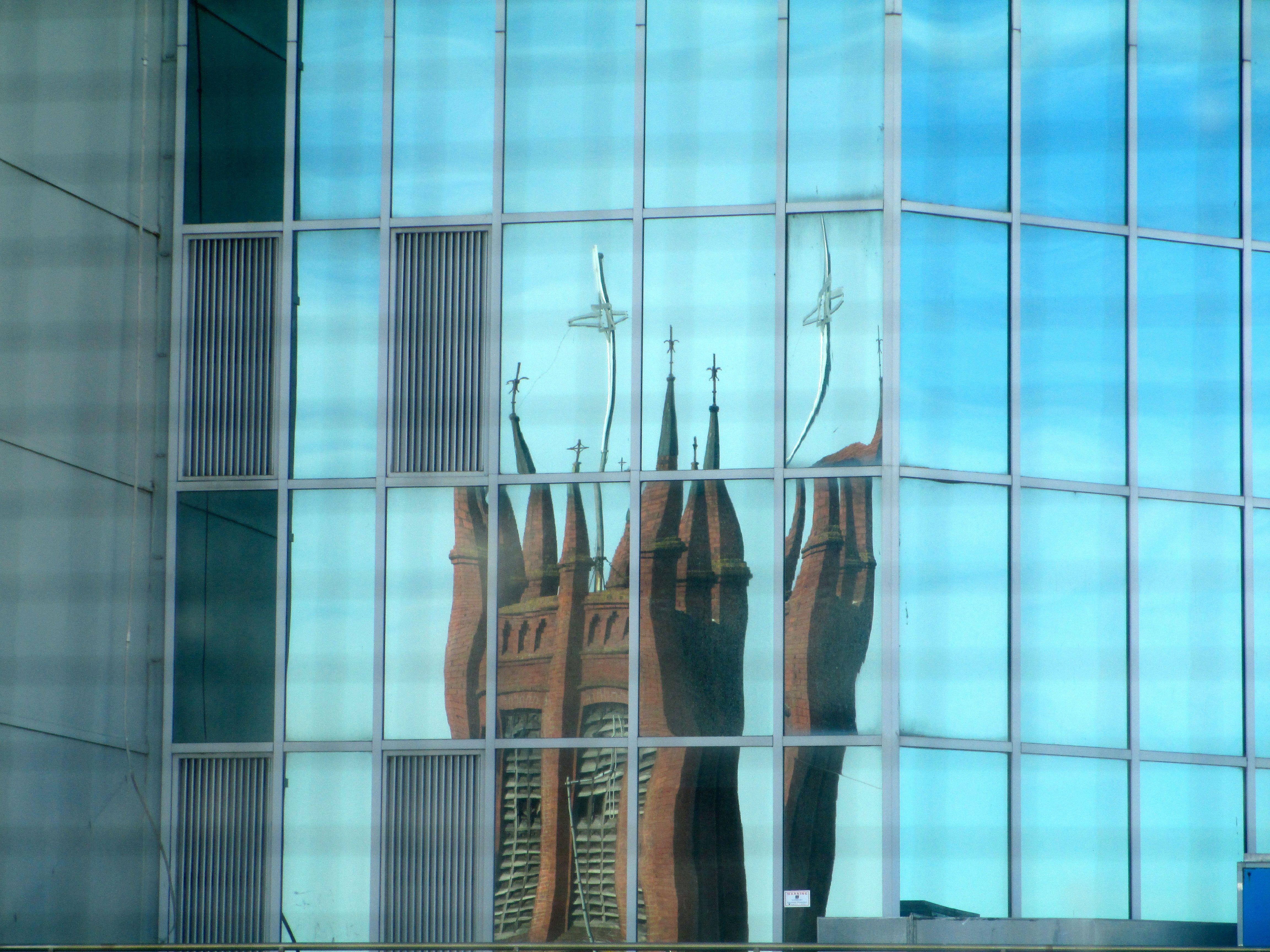
    And out of the bathroom window I can see the steeple again, reflected in a big blue skyscraper.

    va_6

    Black and white lino in the kitchen which reminds me of mountain topography…

    va_2

    If I’m looking down, I should look up, too… the ceiling is classic 70s pegboard…

    va_5

    Teacups on the kitchen shelf…I wonder which visiting artist contributed these? Johanna Aitchison? Vivienne Plumb? Jennifer Compton?

    va_3

    The flat’s only reading material…

    va_8

    I put some things on the wall to gaze at when I’m thinking…

    va_15

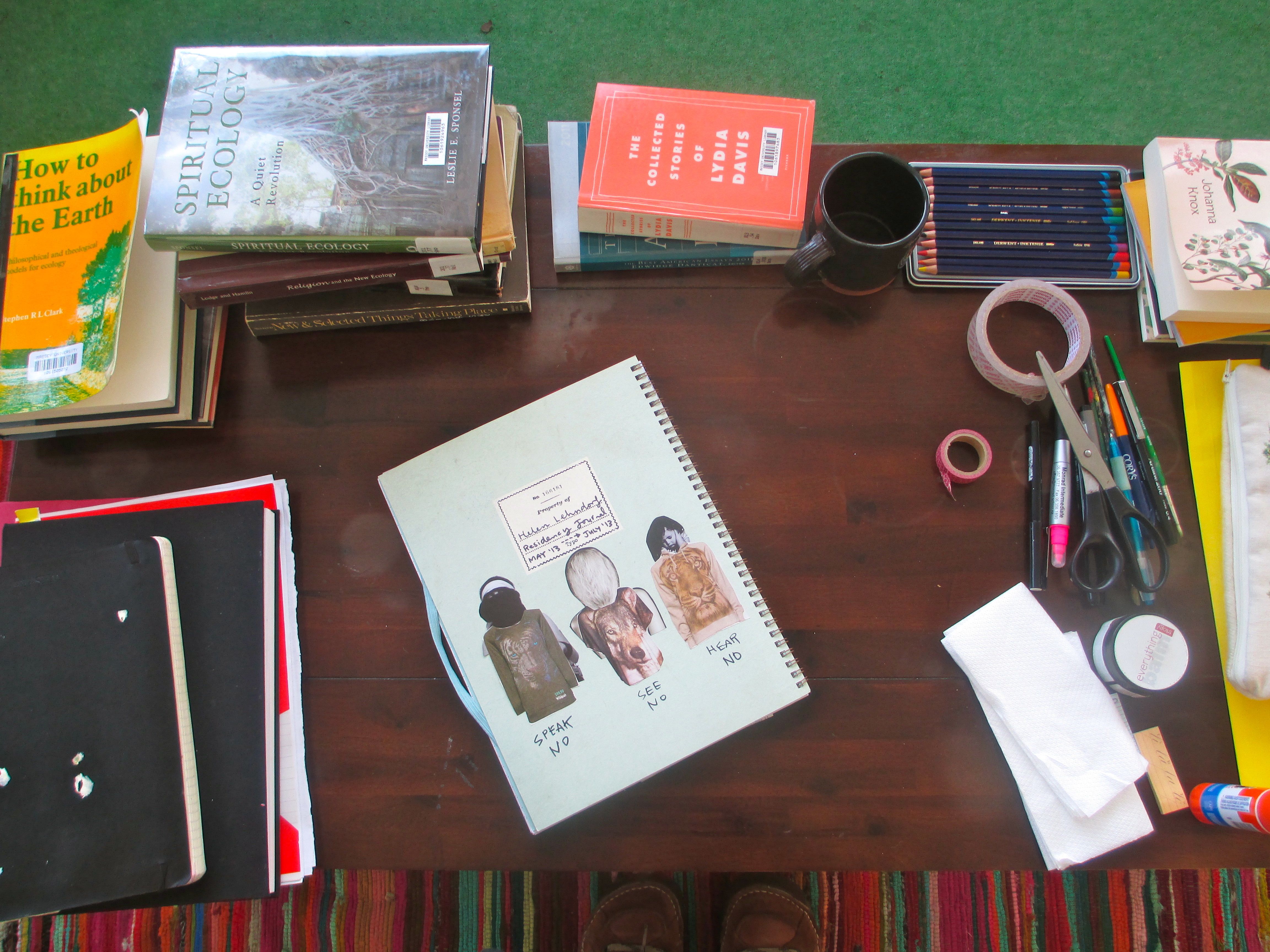
    Here is the coffee table I am using as a desk….

    va_10

    Here’s what I got out from the Massey Library this week. So many yummy books!
    va_11

    Here is where I sit to read and write….usually covered in blankets because of the cold.

    va_13

    Here’s me. Still in shock (and extremely grateful) that I get to come here every day and write for three whole months!  Lucky, lucky life.

    va_14

  • mycology walk

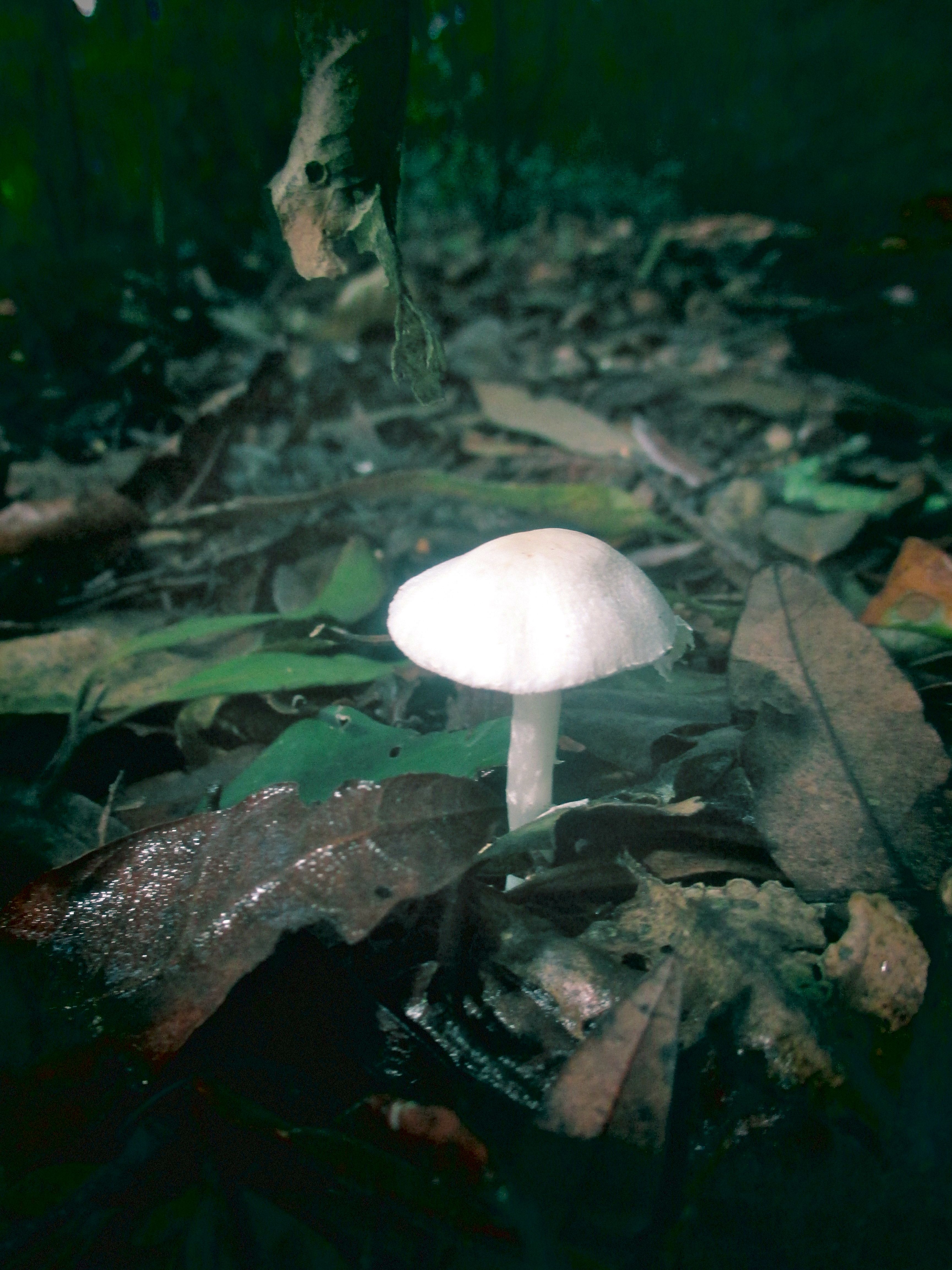
    Last weekend I had a yearning to go on a mushroom/toadstool hunt in the bush.  I took my family out for a ramble around a bush track on the Woodville end of the Manawatu Gorge, looking out for autumnal fungi. I was not disappointed!

    myc_5

    myc_6

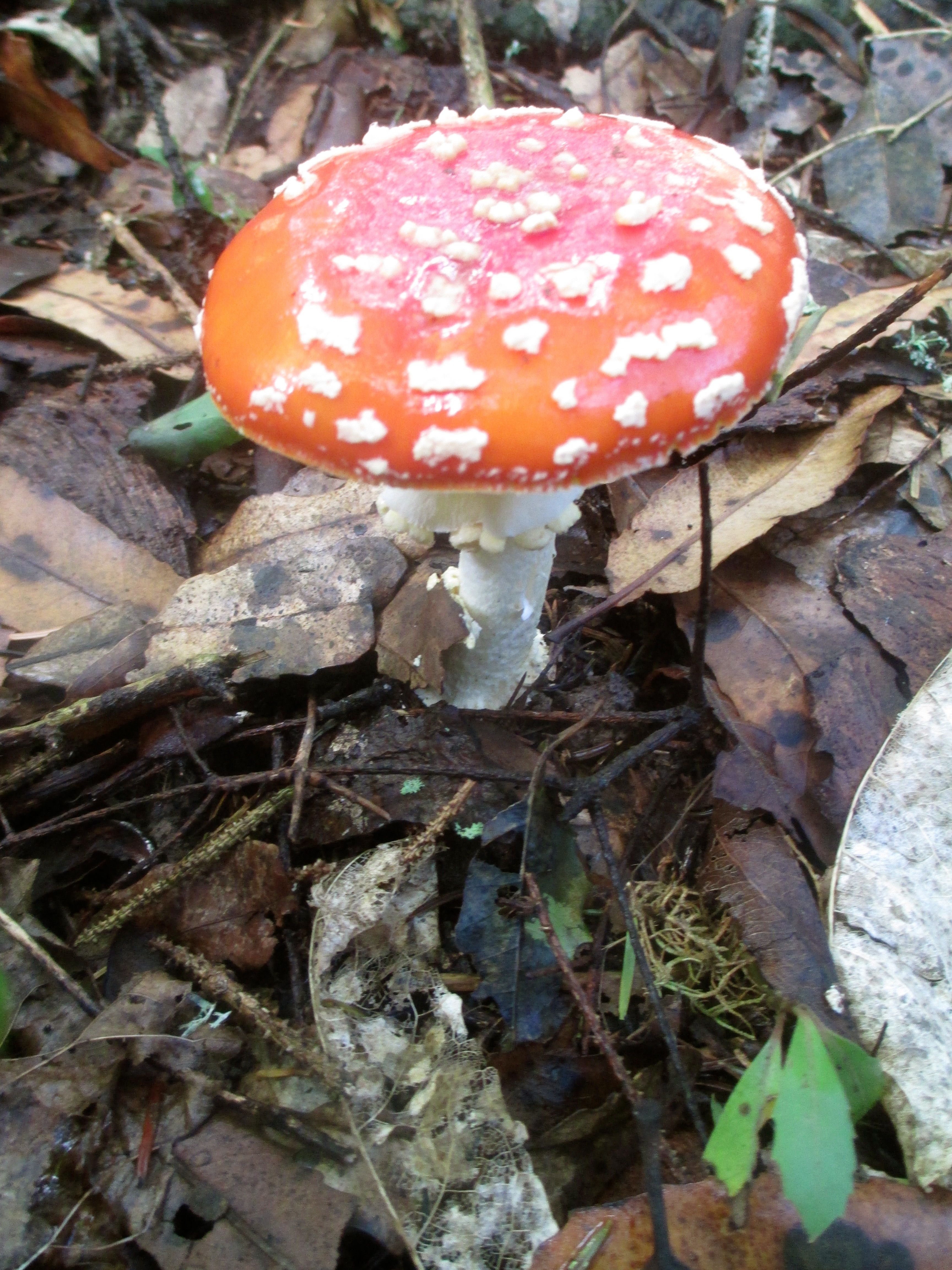
    There were some wonderful red toadstools.

    myc_1 myc_2 myc_3

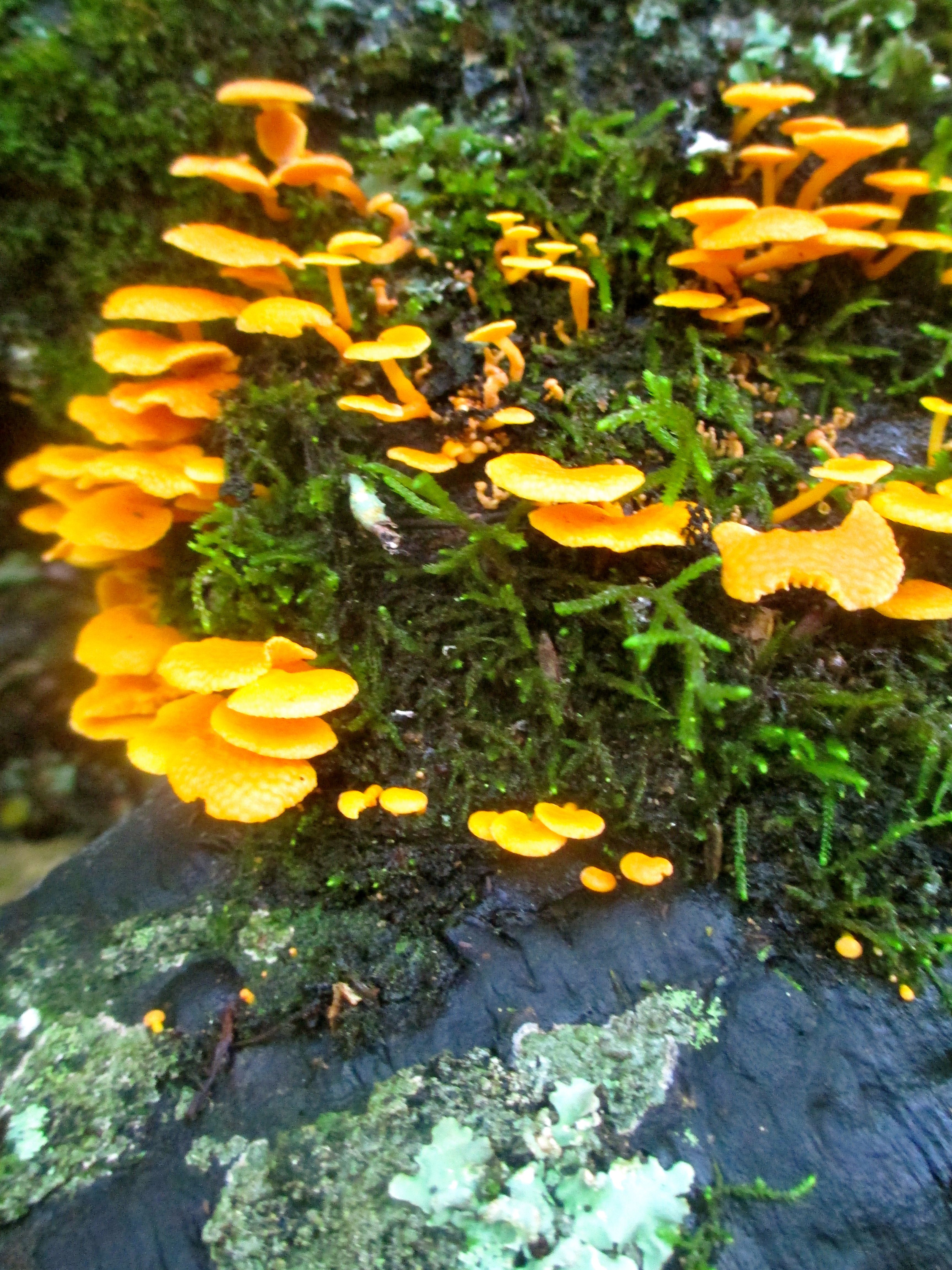
    Bright orange fungus:

    myc_7

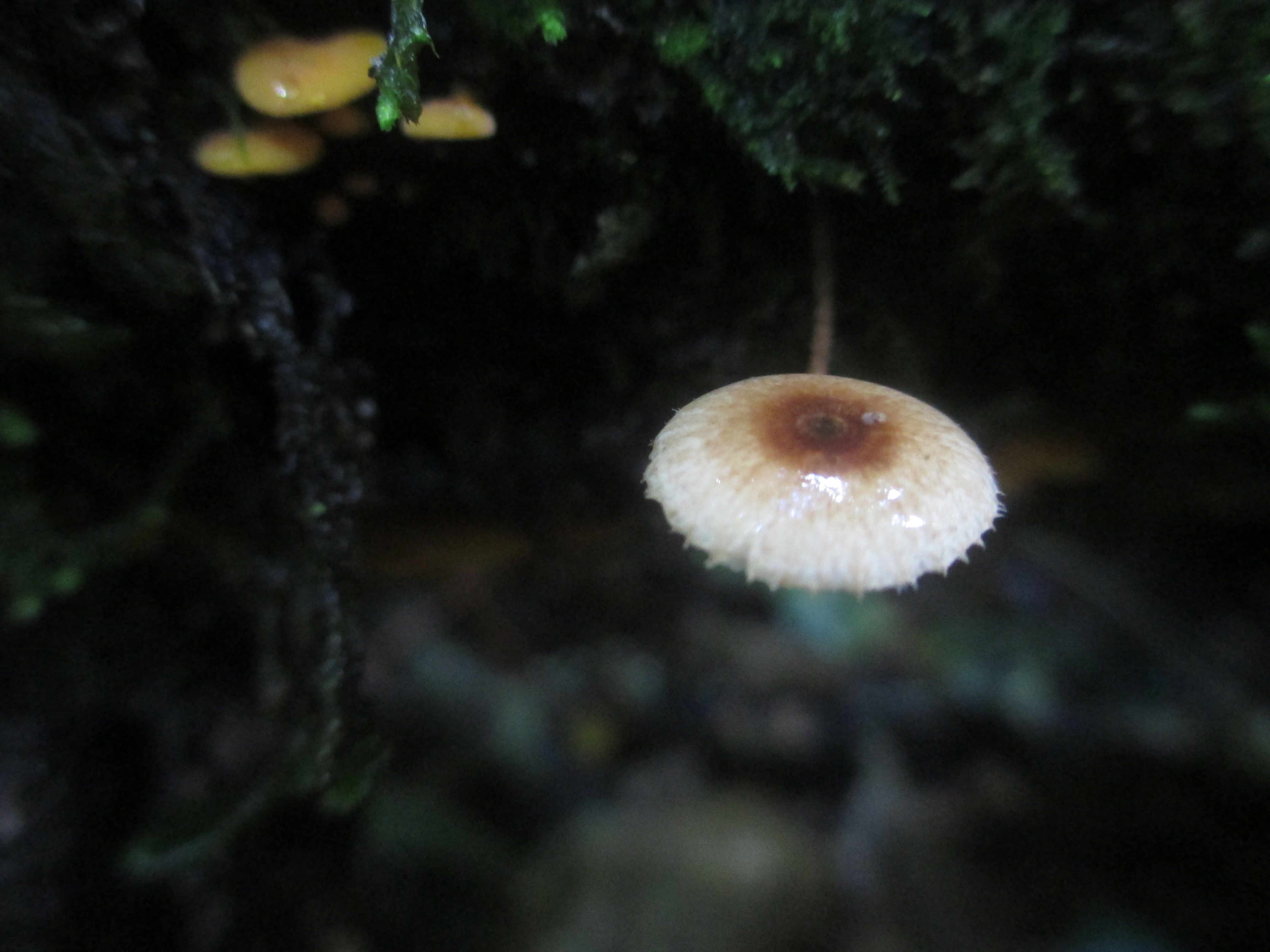
    Tiny ethereal mushrooms (hard to photograph! This one was not much bigger than a pea and I liked the way it was growing upwards towards the light from underneath a log.)

    myc_8

    myc_9

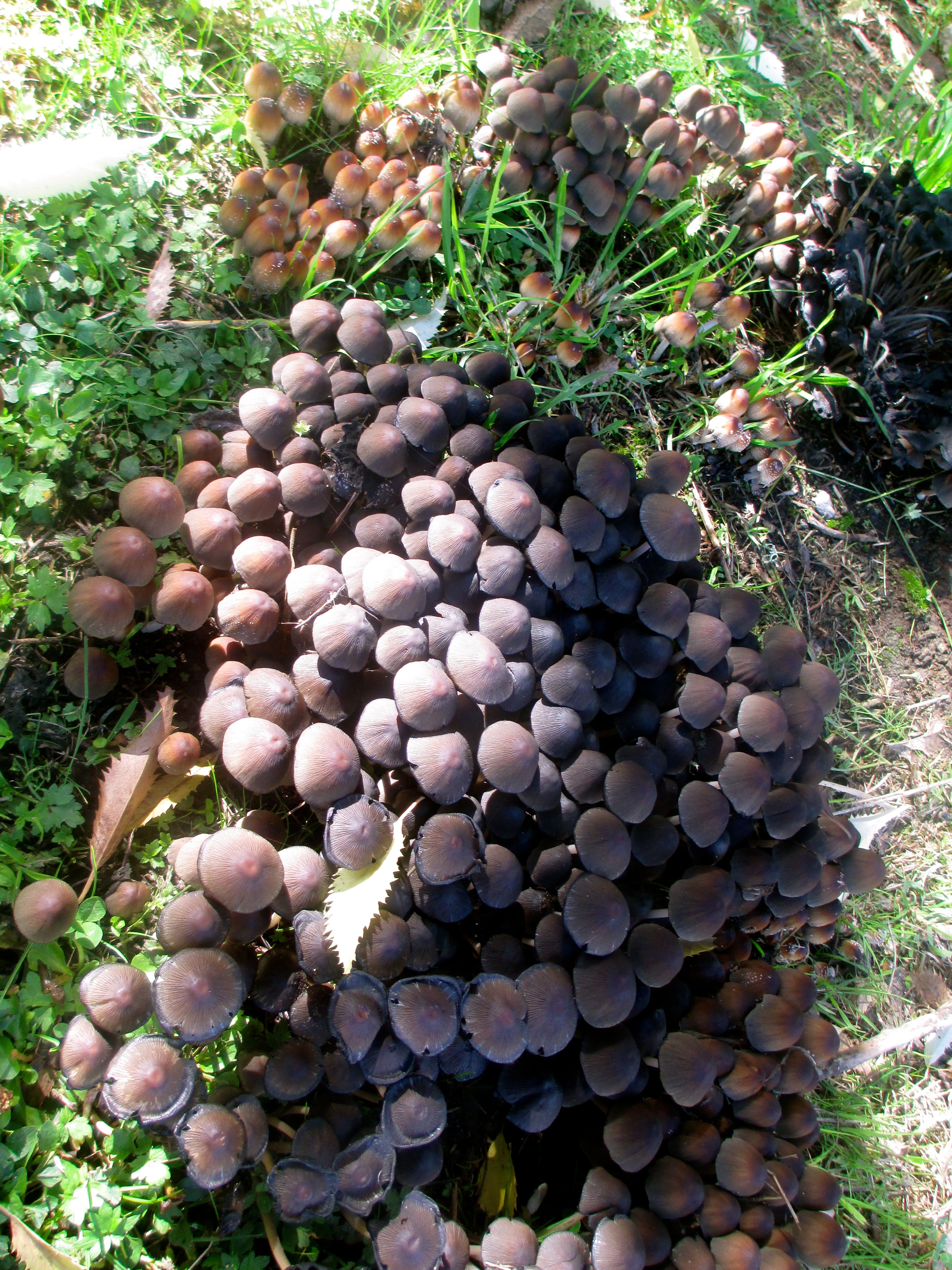
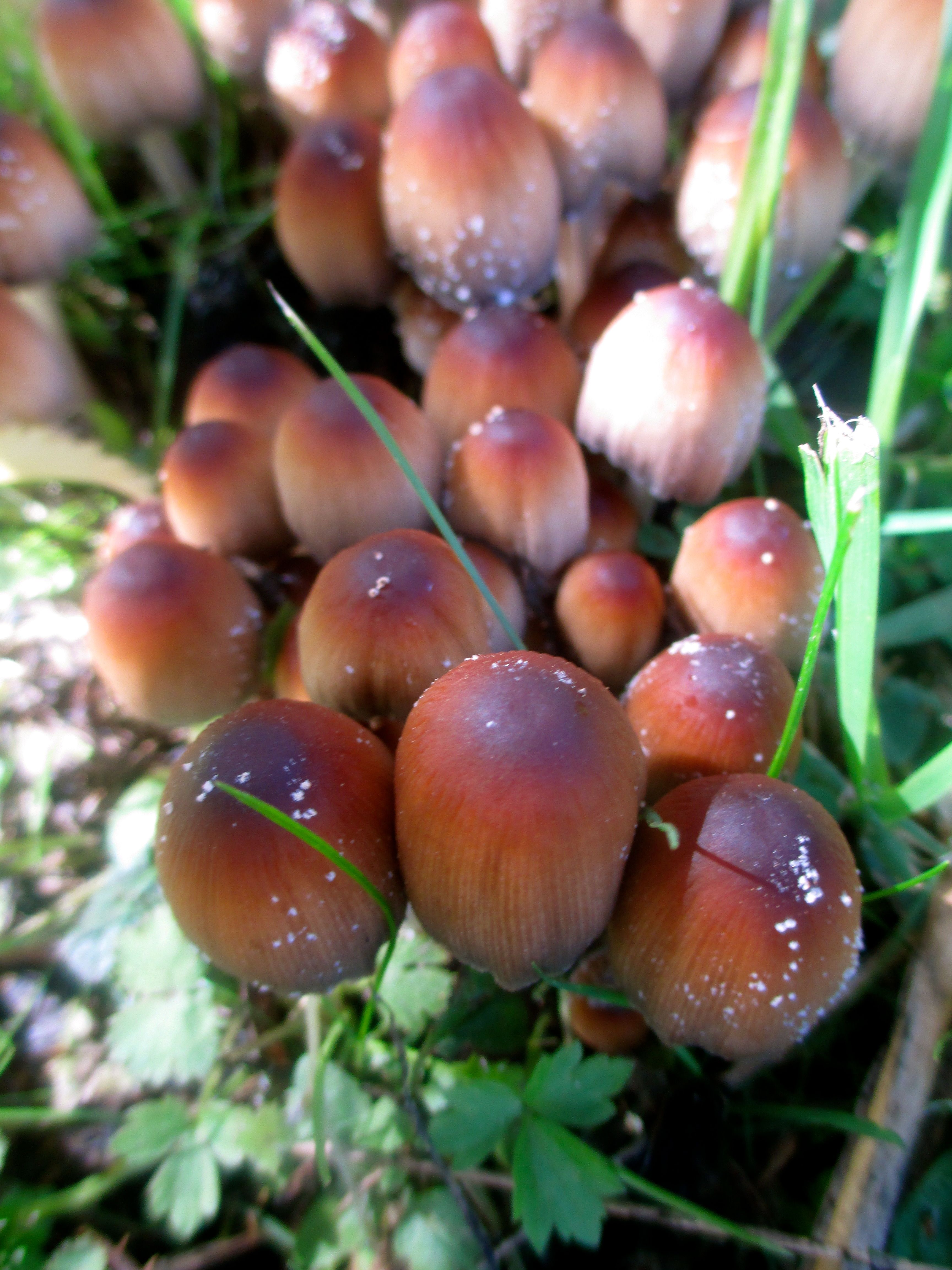
    Warty armies of toadstools:

    myc_11 myc_10

    Odd phallic looking ones with speckles:

    myc_13

    I don’t know enough about wild mushrooms to know if any of these are edible, so I let them be and just took photographs.

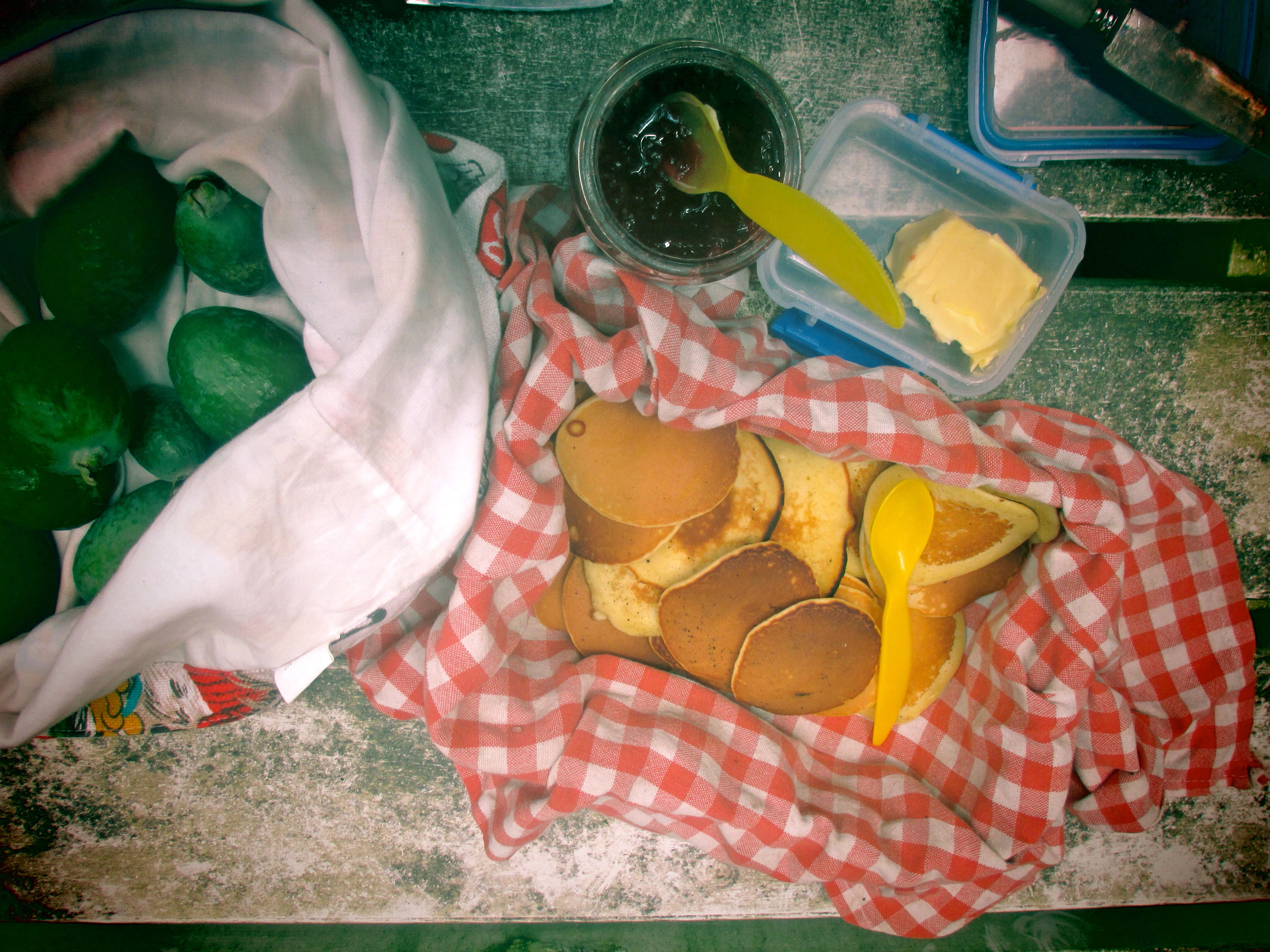
    After our walk, we stopped for a simple picnic of pikelets and feijoas.

    myc_14

    Back home in the fridge was a package of field mushrooms a friend had picked from her farm. I cooked them in garlic, onions and lots of green herbs, stirred in cream right at the end of cooking and ate it on pasta. Amazing.

    myc_15

  • celebrating a long apprenticeship

    Next Wednesday, 12.30pm, Theatre Lab 5D14, Massey University Wellington my dear friend Maria McMillan and I are giving a talk/poetry reading. It’s my first duty as visiting artist at Massey. We’ll be repeating it the following Wednesday 24 April, 6pm, at the Palmerston North City Library.

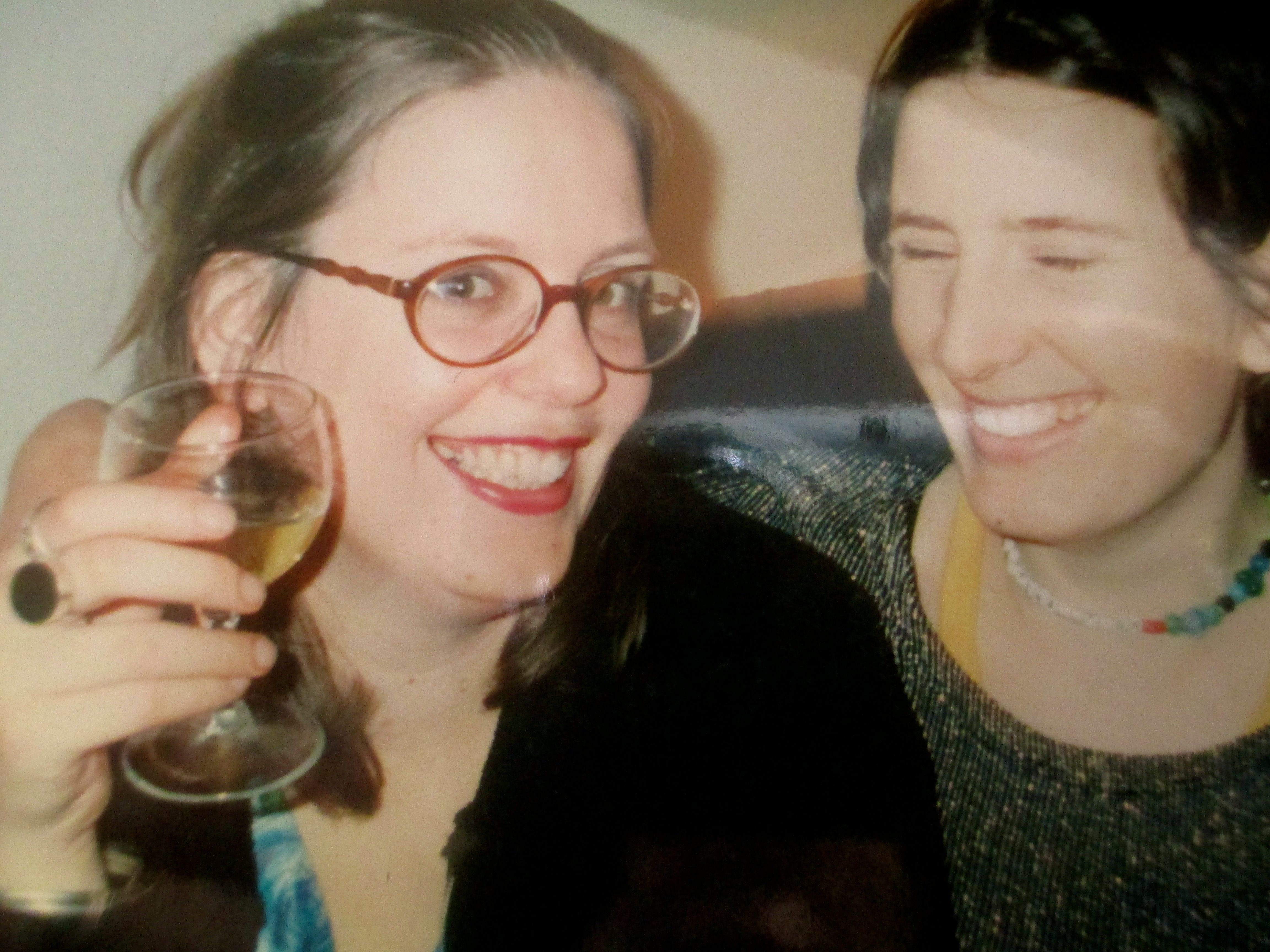
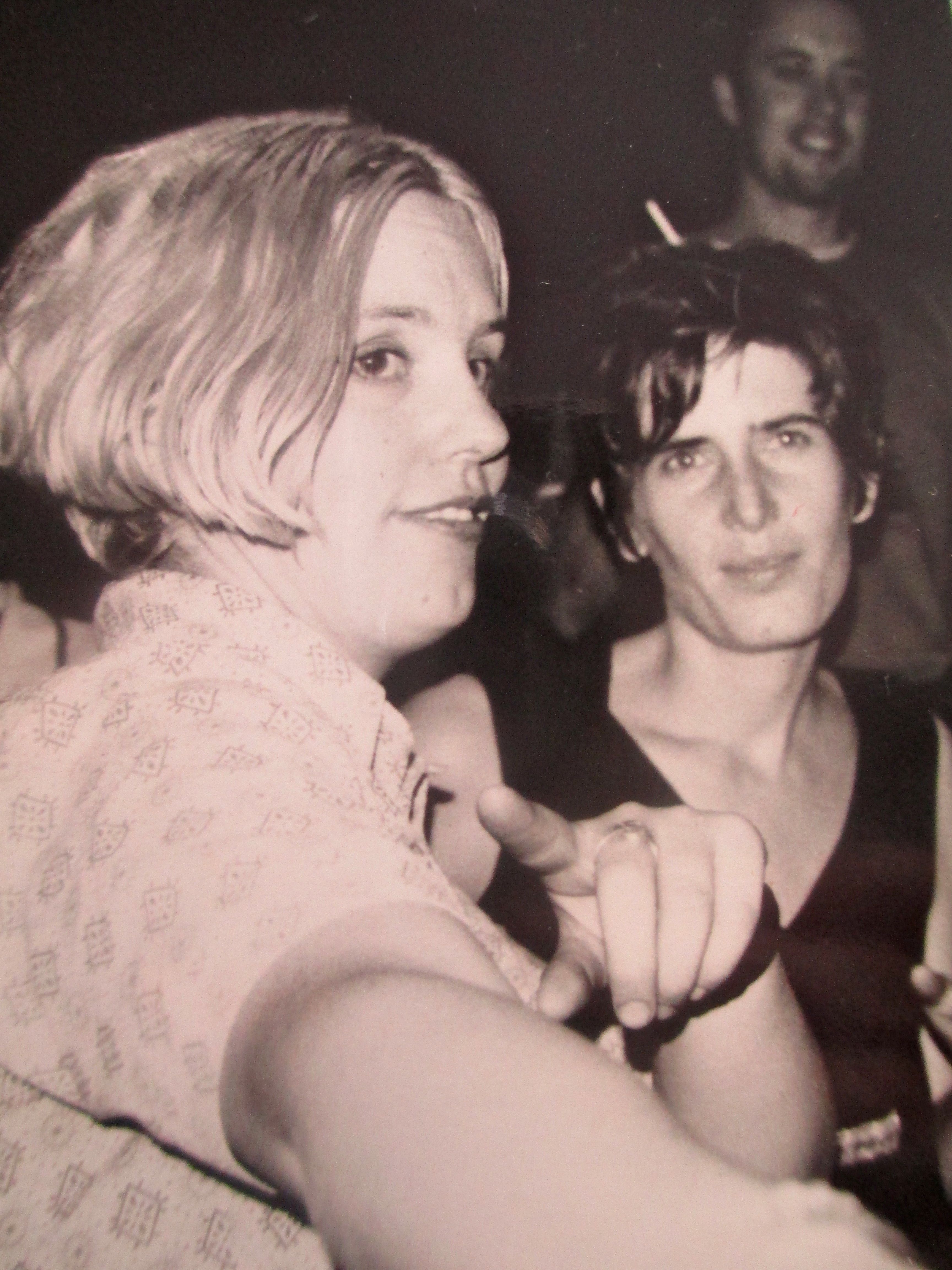
    I invited Maria to share the reading with me because we have been friends for almost twenty years and it has been a friendship with our shared love of writing at the core. Indulge me while I tell you a little bit about our history.

    We met just after finishing university, and quicky bonded over our love for poetry. We both took it very seriously, sharing books, discussing poetry, sharing our own writing with each other, even sitting and writing together. Our relationship was intense at it’s beginning and we were soon devoted friends.

    A couple of years into our friendship, Maria left for her OE and a year later, I followed (with my husband Fraser) and we lived with Maria in Brixton, London.

    Our time in London was wonderful – we called ourselves ‘Girl Germs’ and we wrote a lot, went on geeky literary pilgrimages (I actually cried when I sat in Virginia Woolf’s writing shed in Rodmell, Sussex), joined the Poetry Library on the South Bank, went to poetry readings (most notably Carol Ann Duffy and (for me) two of the ‘Liverpool Poets’: Brian Patten and Roger McGough who I adored as a teenager) and read at Open Mike Nights – all over London, but the best ones were always at The Poetry Place in Covent Garden. You were limited to read just one poem (always a good idea for Open Mike nights!) and the famous read with alongside the newbies. You never knew who might appear. Once John Cooper Clark popped up! For a while Maria interned with Michael Horowitz. Exciting times for poetry nerds.

    Here is Maria outside the Poetry Cafe with our friend, American poet Debbie Urbanski. (These days Debbie owns a Letter Press Studio – the Box Car Press.) 

    hm_poetry_place

    Anyway – like most friendships in your twenties (when you have no kids or mortgage) we had many great nights out together…

    hm_restaurant_1

    We danced together…

    hm_dancing_2

    hm_dancing

    We played a lot of hacky sack together…(in London we lived in overcrowded flats where people were sleeping in the living room or sharing bedrooms, so we made trips to nearby parks for hacky-sack compulsory for all flatmates. Hacky sack is both great for letting off steam and for discussions about stuff going on in the flat that cannot get tense because…dude, you are playing hacky-sack – it’s a collaborative game! Hacky sack stopped us all killing each other many a time.)

    hm_hacky_hhm_hacky_m

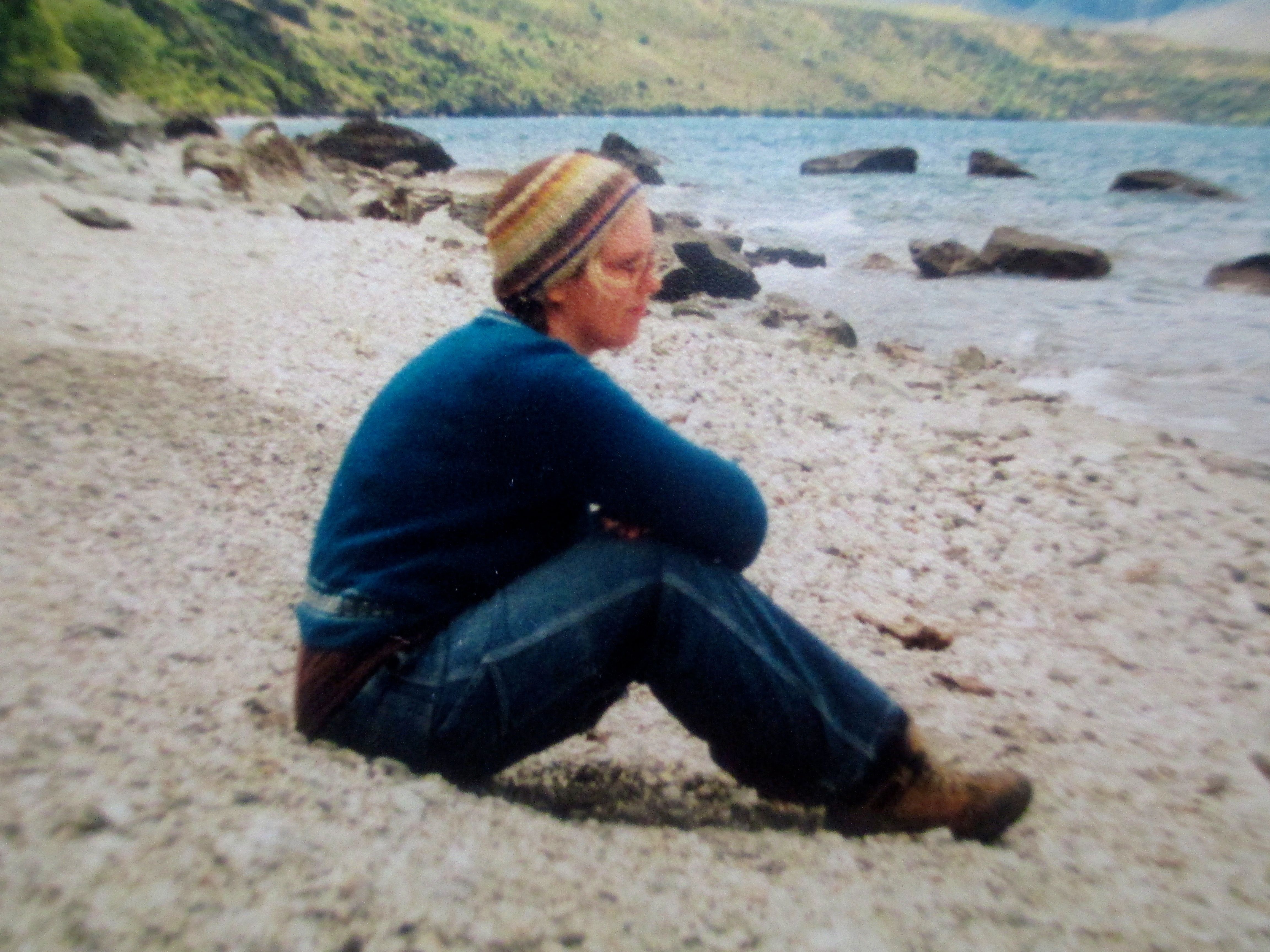
    We went on adventures together….

    hm_adventure

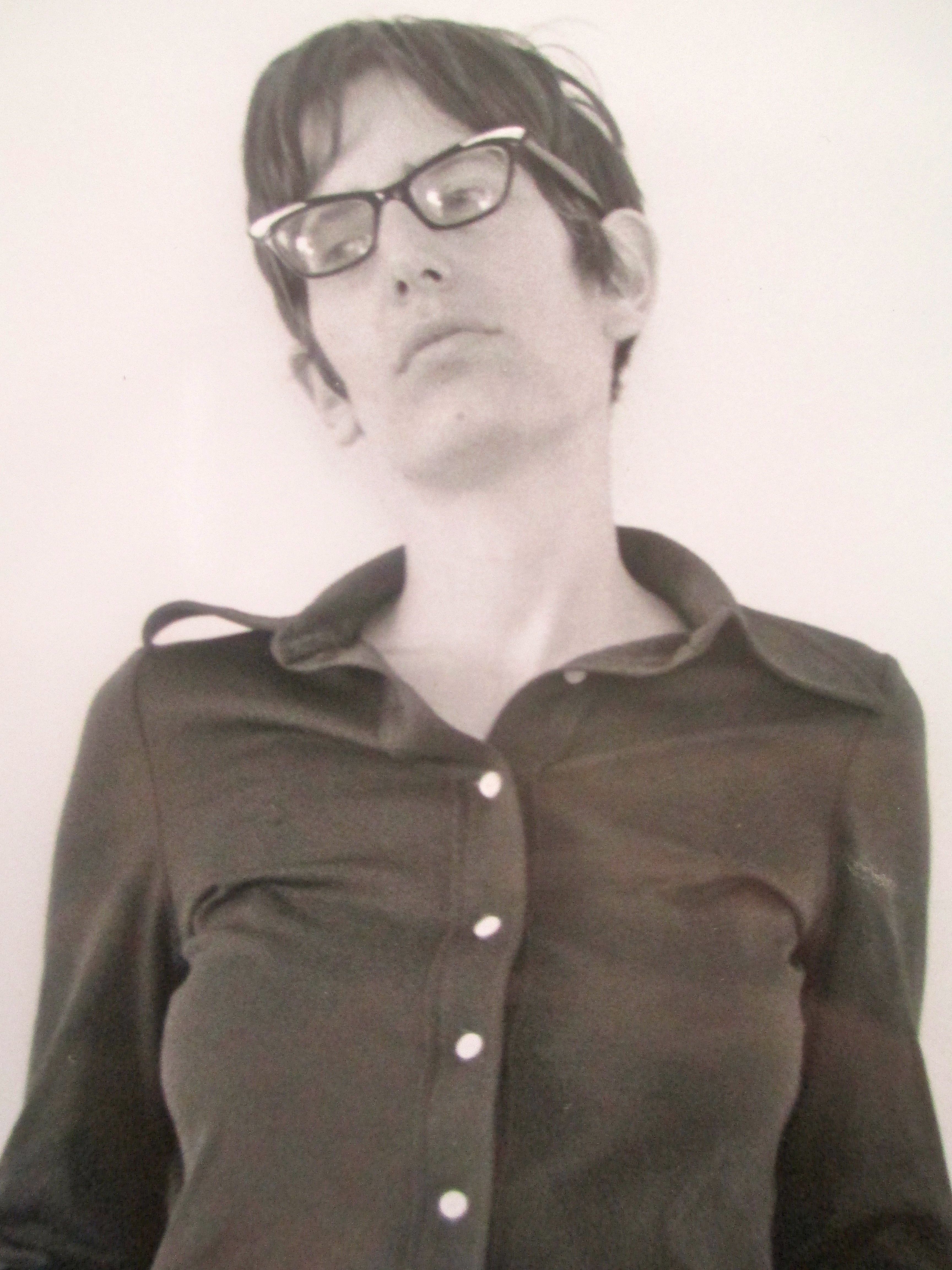
    Maria was a very patient model for my try-hard arty photo shoots:

    hm_jarvis_lefthm_jarvis_straighthm_jarvis_right

    We wore each other’s clothes. (Particular old men’s jerseys from op-shops were in hot demand. The kind that was old and worn enough to have lost all stretch around the bands. Holes were desirable, too, for scruffy street-cred.)

    hm_bluejersey_hhm_bluejersey_m

    But the thing that means the most to me, looking back, is how we shared writing. We both had an unassailable passion for writing, we were doing it by ourselves – outside of any academic institutions – we learned a lot together. The bed-rock of peer support we gave each other was a great ground for growth and experimentation. 

    Anyway, neither of us found particular success (in terms of traditional writing institutions and publications) during our twenties and it wasn’t until we hit our thirties+ that we moved from underground to the more expected terrain (publication in literary journals, anthologies and finally, publication of our own books.) We were not wunderkinds. But I am really grateful for our long apprenticeship and for the opportunity we had in our twenties to be zealots for poetry! To be poetry fundamentalists! To be so passionate and nerdy without the self-consciousness and self-doubt that academic creative writing programmes often breed. We were not cool or understated or moderate or measured or even particularly talented but we were passionate and dedicated and optimistic and eager to teach ourselves and each other. I love that about us-as-we-were.

    Anyway, when we were ready, we DID study creative writing – I did the Writing Programme at Whitireia Polytechnic and it was invaluable beyond words. Maria did courses at the International Institute of Modern Letters which I know she feels really helped her develop her work.

    This winter Maria has her first book coming out with Seraph Press (who are my wonderful publisher also) ‘The Rope Walk’, and next year she has a book coming out with Victoria University Press, ‘Tree Space’. As you may know, my first book ‘The Comforter’ came out in December 2011.

    So, yes, this talk is something of a celebration for me of our long apprenticeship, and a long and wonderful friendship, too. Girl Germs Forever!

    hm_brickwall

  • picking up what the wind drops

    I took a walk to a nearby section where an old house had recently been demolished. They are building shops there. I dug up a wormwood plant and rescued an iron gate from a skip which I’ll use as a frame for beans in the vegetable garden. 

    When I walk I am looking for stray plants and clues of what other humans are doing, their leavings, their signs.

    So many gardens are neglected and full of mistakes – odd plantings, strange schemes gone wrong. It’s a lexicon of thwarted plans, migration, human error. But I love all the gardens, all of them. I love where weeds come in and grow where no one thought there was any dirt. I love the twee tidy gardens around the brick units where the widows live – all pansies and polyanthus and tight little roses. I love the student flat gardens with the crushed comfrey and the gnarled old lemon trees. There is a place deep in my heart for the gardens inside the gates of kindergartens – old tractor tyres full of marigolds and strawberry plants, glitter and matchbox cars.

    These dahlias were planted behind a tin-shed, hard up against a damp bank…..in entirely the wrong place and where no one can see them (except me, because I creep and snoop) so I pick them and drop them at a friend’s door.

    white_dahlias

    I pick up windfall apples from the house across from the supermarket. They are a bit bruised but will do for pie. At another house someone has left ice-cream containers of passionfruit for $2 each on their fence. I take one and leave a coin in the letterbox.

    I don’t fully understand my own instinct for gleaning. It’s more than acquisition. It’s something to do with control, and side-stepping capitalism and burrowing into a universe where people trade in fruit and the urban environment is one big shared playground. I like my own company but I spend too much time in it and then I read the street and try to draw meaning from the random and the incidental.

    Occasionally a garden is stunning and special and makes perfect sense, but these gardens are rare:

    holloway_1holloway_2

    Right now, there is an American oil company doing exploratory drilling in the hills near Dannevirke. If they find enough, they have plans to frack for oil. Local farmers and  Iwi have been protesting there this week and it is getting almost no media coverage. There are similar exploratory tests going on near Whangarei, but for gold.

    I have been following the effects of fracking in Pennsylvania, USA where fracking for natural gas has been happening for some years now. None of the news is good. Profound pollution, deformities and stillbirths in animal stock, rising cancer rates and the tap water is flammable.

    Hold a lighter to your running tap and it lights up. Imagine.

    Parts of the Manawatu River are so polluted from intensive dairy farming and factory run-off IT SPONTANEOUSLY CATCHES FIRE.

    Water on fire. Water on fire.

    On the way to pick the youngest up from school I pass a house with a big walnut tree. There are walnuts all over the path, so I pick them up. I always carry a cloth bag in my hand bag for spontaneous foraging. It’s like maybe if I notice the trees enough, maybe if I honour the fruit enough, maybe if I pick up enough windfalls and rescue enough plants….maybe then…? Maybe then.

  • abandoned mattresses

    bry_1

    Some neighbours moved out and left two mattresses on their front verge. (Where they then stayed for some weeks, until finally the real estate agent selling the house hauled them away. Isn’t it funny how people think if they leave something on the curb it suddenly counts as ‘rubbish’ and will magically disappear….?)

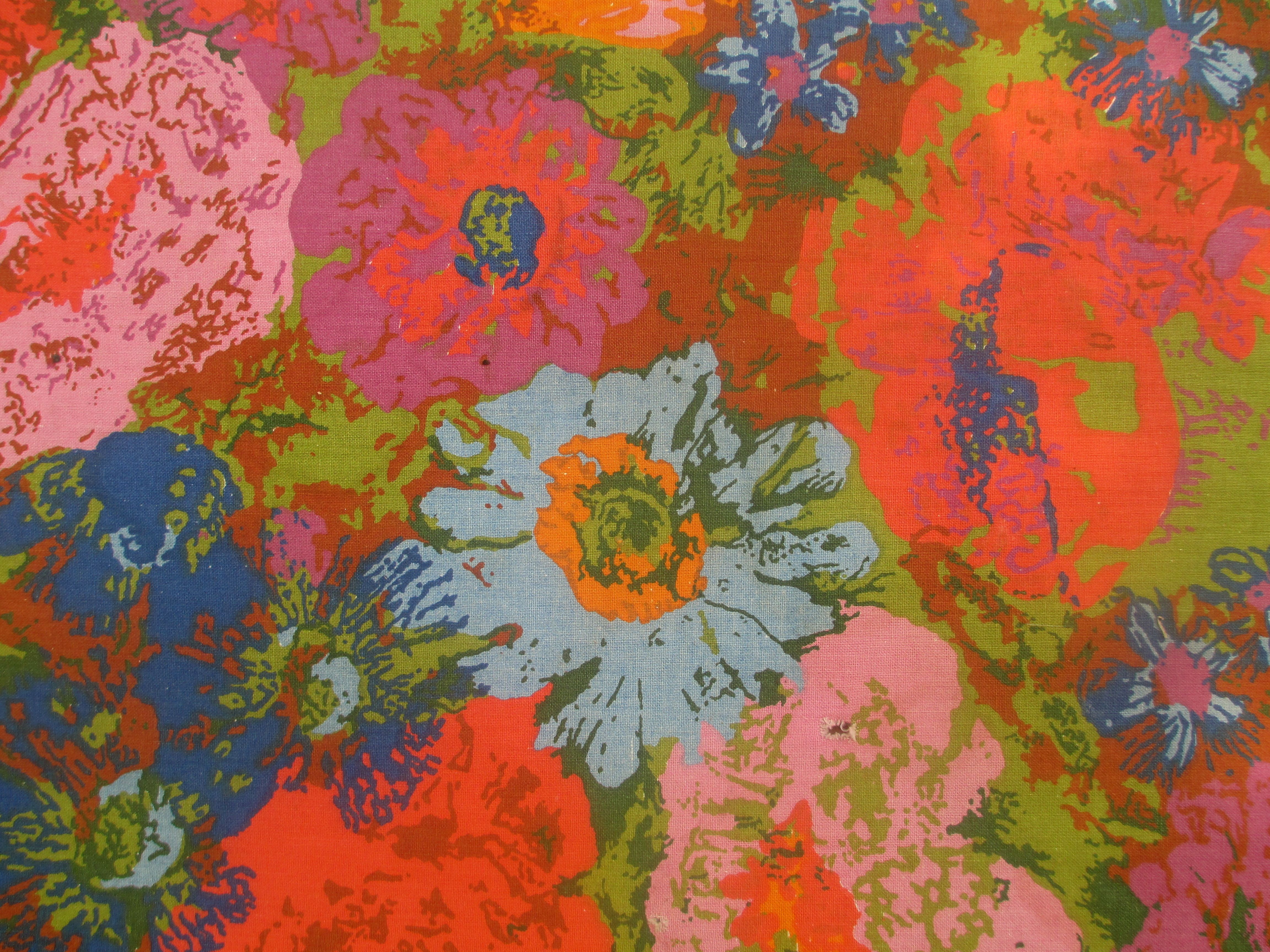
    I love the painterly quality of the first mattress. Classic sixties.

    bry_2 bry_3 bry_4

    And the second one is interesting how it has a geometric design behind the floral.

    bry_5 bry_6

    I think I’m slowly getting a reputation as the street’s dotty woman who a) walks up and down the road collecting all the leaves from the communal trees (I make leaf mold from them) with my wheelbarrow b) harvests the comfrey from the front garden of the student flats for fertiliser (I wouldn’t nick someone else’s comfrey if they were using it, but these folk aren’t & the plants regularly get run over by resident’s cars – maybe I should just dig them up and transplant them into my garden? When does ‘foraging’ turn into ‘theft’? I am not beyond nicking plants if I know they are destined for destruction c) grows vegetables in her front garden & along her drive and now d) takes photographs of trash.

  • a sudden break

    bunting_easter

    My writing has taken off over the last couple of weeks, which is a relief because I was feeling a bit barren and uninspired after the summer hols and obviously needed a good few weeks of thinking time before anything was ready to come out.

    Towards the end of last year I applied for and was accepted for the 2013 Massey University Visiting Artist programme. When you have kids, it’s pretty near impossible to uplift your whole family to move out of town for residencies, but this one is in my hometown so it works. (I am still hoping I can work out a way to do an out of town residency – homeschool the kids? But how much writing would I get done if I were in Wellington or Dunedin or Auckland homeschooling my children? Answer: not much.) I have the winter residency which starts late April and goes through until late July. The residency comes with an apartment, which I won’t move in to, but I am going to use it to write in during the day when the children are at school.

    I had to write a proposal of what I would be working on as part of the residency application and (in short) I proposed ‘a creative response to environmental decline’. It is interesting writing down your intentions for writing, because to be honest, who really knows what will happen once you begin? Already what I imagined last November when I wrote the application is changing, but in a good way…my ideas are gathering steam and substance.

    My first ‘duty’ as a visiting artist is to give two talks, one in Palmerston North and one in Wellington – these happen before the residency even begins, in April. (More details about these to follow.)

    Virginia Woolf’s ‘The Waves’ is one of the books which is really firing me up. When she started writing it she wrote in her diary: ‘I am writing to a rhythm, not to a plot’ and she was terrified at the beginning of ‘The Waves’, she had a notion of what she wished to achieve but no clear sense of how to go about it. Without wishing to suggest I am in any way similar to the literary giant of VW, that’s how I feel about what I’m doing now. At the moment it is a ‘sense’ rather than a clear plan – every day I try to find the courage to keep working through the vagueness and inscrutability to certainty and clarity, although I suspect the latter two will only come after the project is finished.

  • Poetry reading in Valhalla

    I’ve always wanted to visit the great heavenly hall of the Norse gods, so am very honoured to be not only visiting, but reading poetry there this Sunday. I wonder if we will be served  Sæhrímnir? (A boar-like beast cooked & eaten each day in Valhalla, which then appears whole again in the morning.)

    Of course I am just being silly – Valhalla is the name of a cafe in Raumati South which has a monthly poetry reading. I am reading with fellow Palmerston North poet Tim Upperton. I went to hear Bill Manhire at this poetry night when the cafe was called ‘Lembas’ and it was a top notch night out. I am always delighted to be invited to read, then I spend quite a bit of time getting very nervous and worked up about reading, then afterwards I am happy that I did it. If only I could skip step two of this pattern.

    helen_tim_poster