Category: impermanence

  • fresh inspiration

    When is an ‘inspiration wall’ not an inspiration wall?

    When it’s been up for almost two years and you’ve stopped seeing it anymore…

    I have a creative room out in my backyard. Our garage was converted to a sleepout by previous owners and now we’ve set it up so half of it is guest-room (well, guest-nook) and half is my creative space.

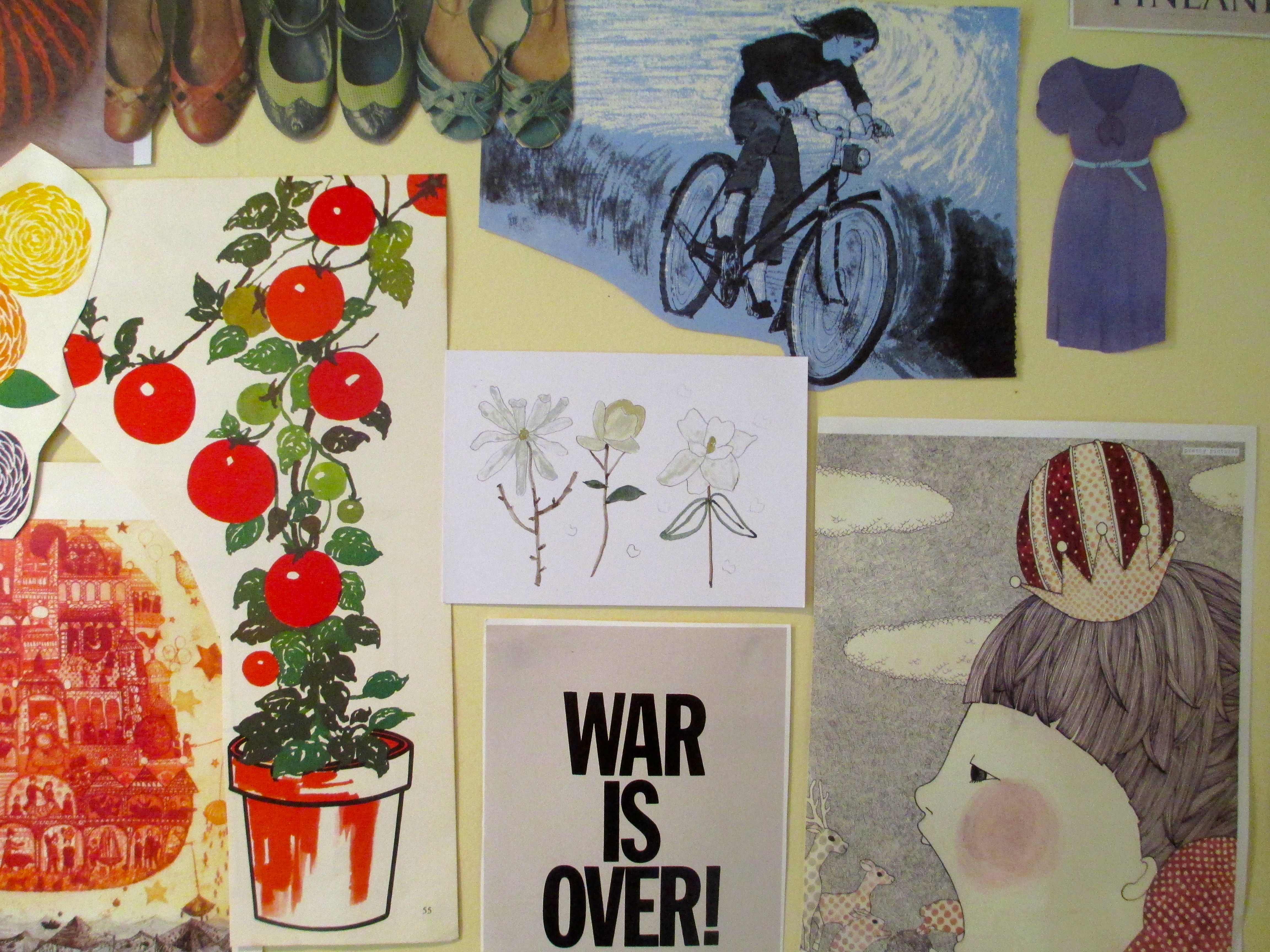
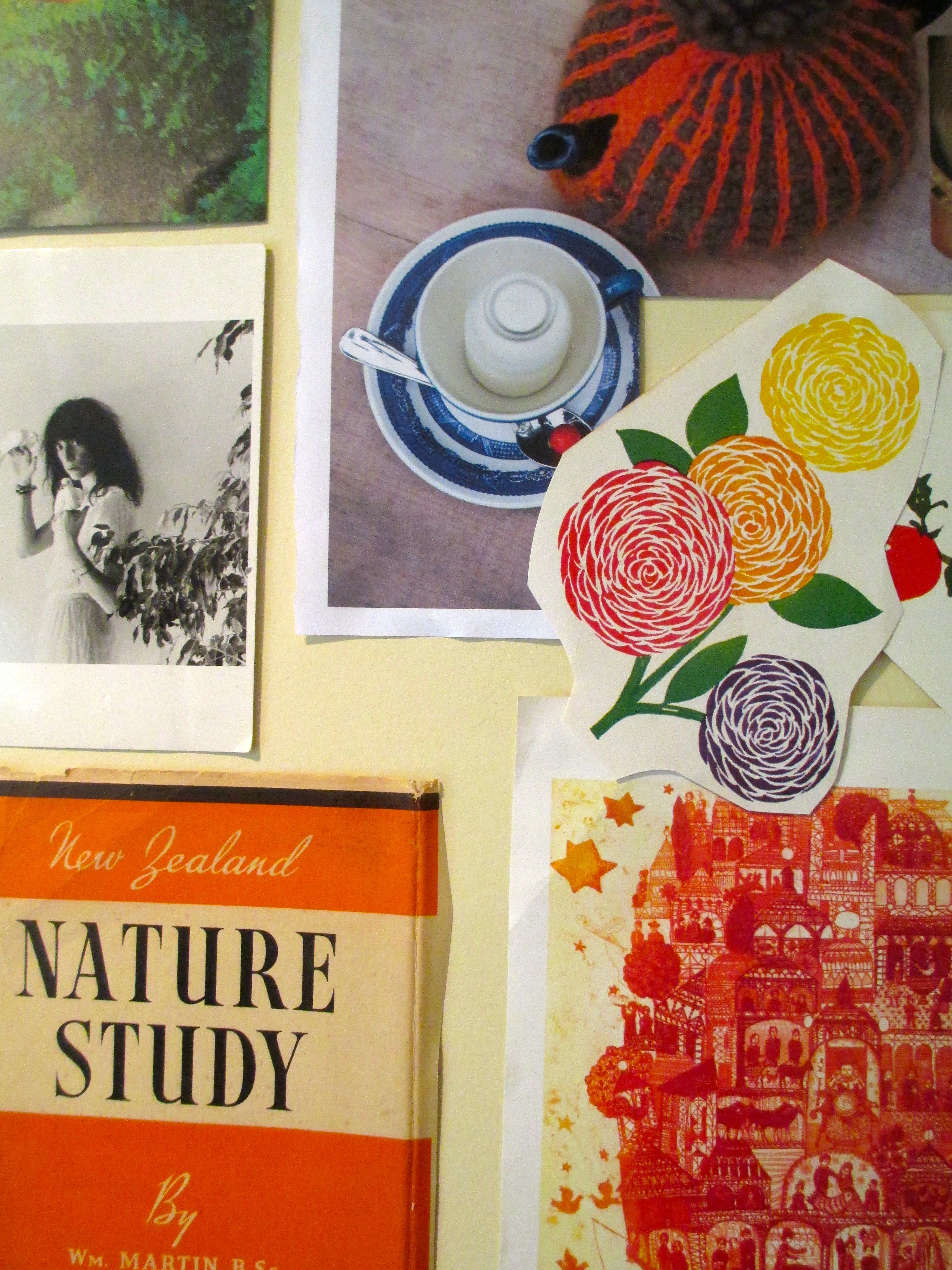
    The wall beside my desk I put up a montage of inspirational images. It was overdue for a freshen up, so for a couple of months I slipped anything that caught my eye into a folder (magazine cuttings, mail my friends sent me, vintage book pages etc etc) until I had enough material to redo the wall.

    Here is the old inspiration wall:

    sw_old

    & Here is the new:

    sw_2sw_3 sw_4

  • same same, but different

    The residency is over. I’m all moved out of the flat and I handed the keys back in. I’ve been feeling a little flat this week – since I found out I got the residency last November, it was the thing I was looking forward to about this year….then suddenly I was there and doing it, and it has been so wonderful, rich, busy, a true gift! Then just as quickly, it’s all done.

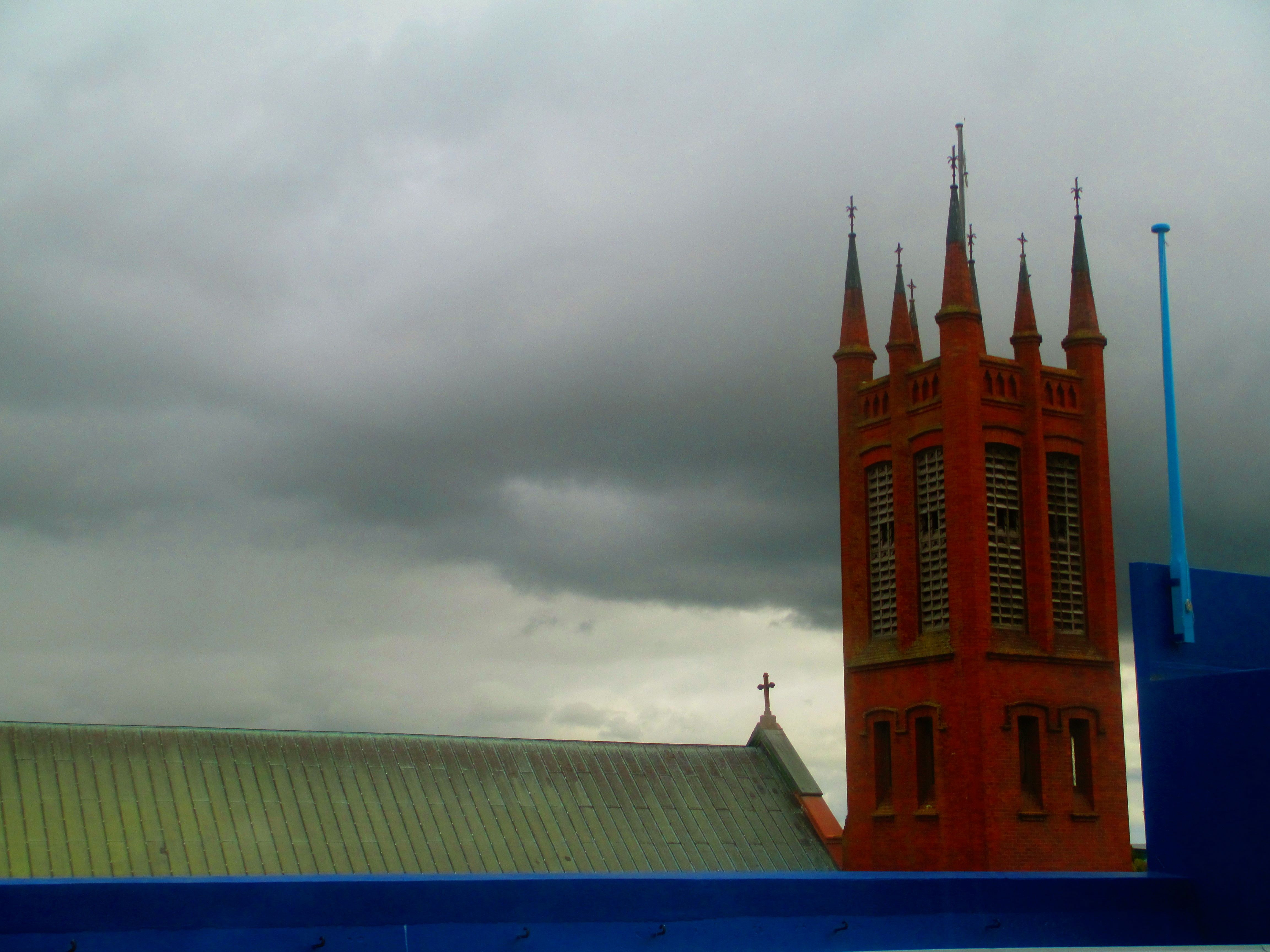
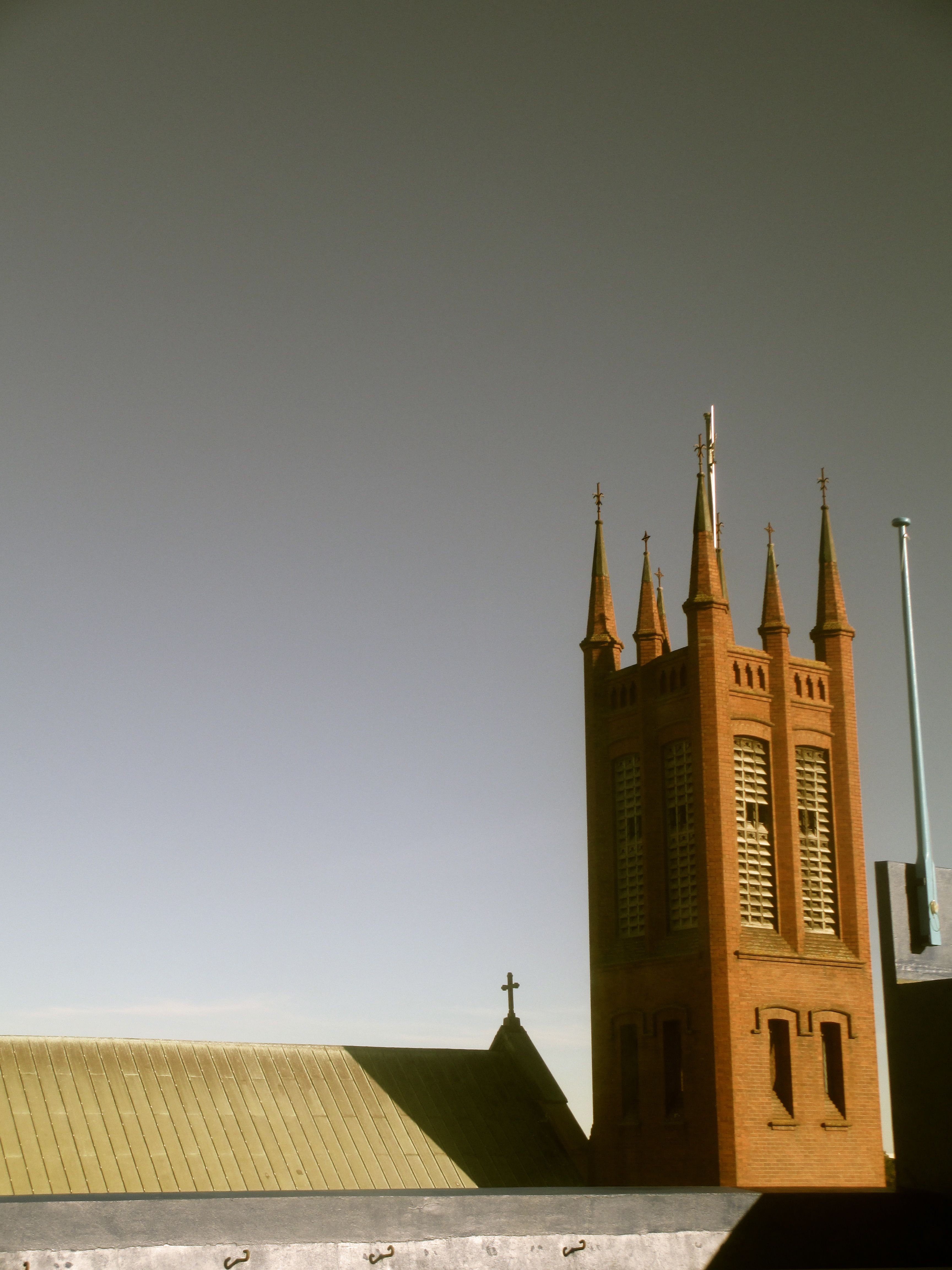
    Here is the first photograph I took of the All Saint’s steeple I could see from the flat window:

    as_16

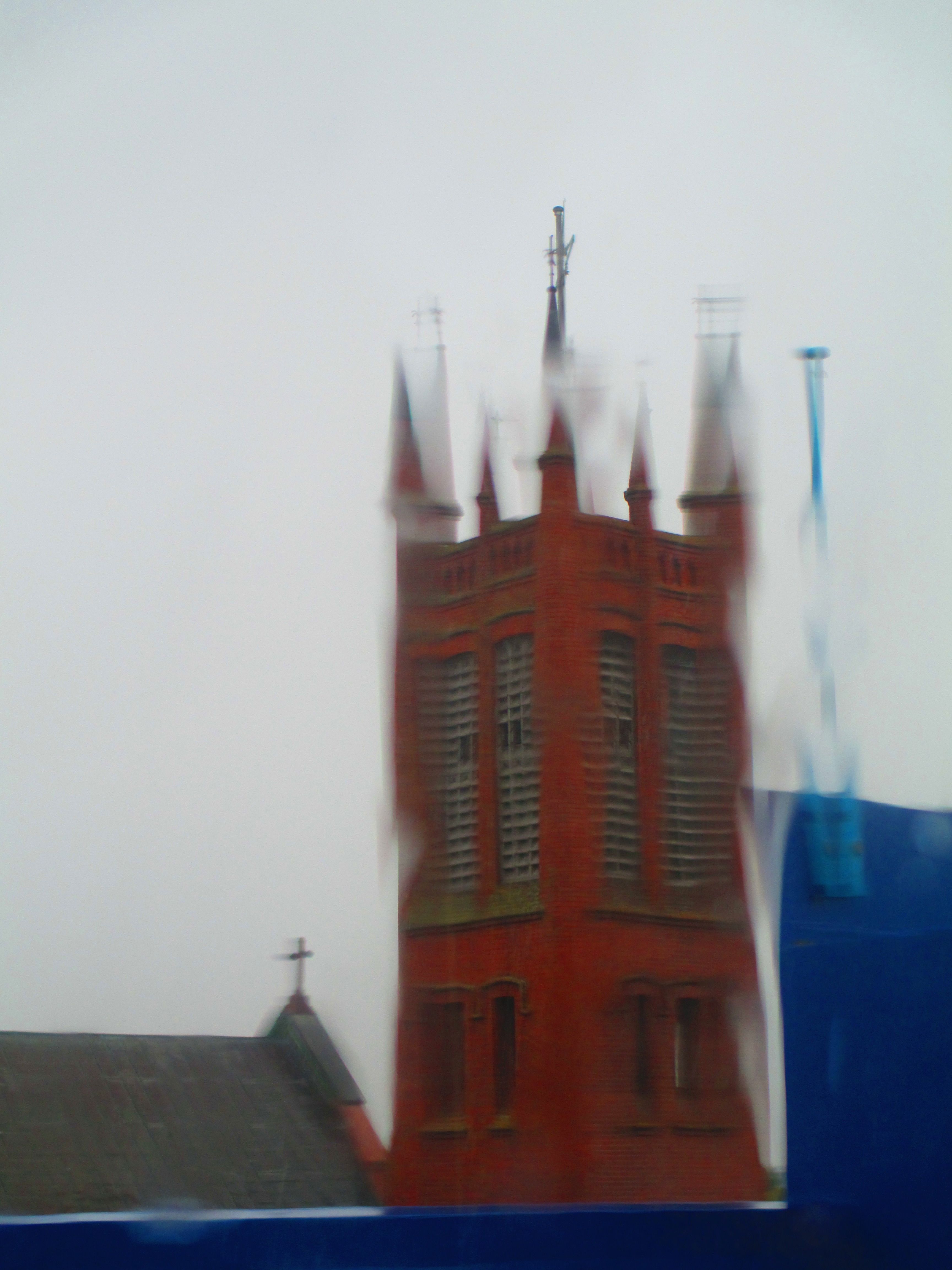
    I started taking a photograph of the steeple, not every time I went to the flat, but many times. Same view, different day. Same steeple, different sky.

    I got married in that church, so I have a special affection for it. It’s now obsolete because of earthquake risk. I hope it doesn’t get knocked down.

    as_14

    Apart from the writing time (which was amazing) here are some things about the residency:

    I loved having a cave up in the sky to hide in. It was like a retreat in many ways. (Admittedly a 9.30-2.30 retreat, with parenting and housework at both ends…but that’s the closest to a retreat I’m likely to get at this stage in my life, so I ain’t complainin’.)

    as_11

    I re-learned focus, and pro-longed attention, and diligence. After a decade of snatching writing time around work and children, it was incredible to have the gift of TIME. It took me about three weeks to sink into it, at first I had major ants-in-my-pants after the first few hours each day…but boy, am I used to it now.

    as_10

    I read 27 challenging, brain-stretching books, from Thoreau to Dillard to Liberty Hyde Bailey to Terry Tempest Williams….

    as_8

    I stayed off the internet during the days. It was peaceful. It was spacious. I sank into the quiet.

    as_7

    I ate a lot of toast and drank a lot of tea.

    as_6

    I enjoyed reading and thinking nearly as much as writing. I was happy to discover how much…that if I never publish another book, I don’t really mind. I’ll always have reading and thinking.

    as_5

    I really like my own company. I always suspected I did, but I haven’t had the space since I had kids to confirm it.

    as_4

    I listened to student radio and discovered lots of new music.

    as_3

    Pigeons roost in the steeple. They fly in late morning and out late afternoon.

    as_1

    I think that’s all I have to say…

    This week after moving out of the flat I’ve been working in the public library which is:

    a) noisier

    b) much warmer

    c) full of people with snotty noses and hacking coughs

    d) not as good as the flat

    e) perfectly fine

    I don’t know what the point of this post is. Except I wanted to share some of my steeple photographs, and to mark the end of the residency somehow.

    Thank you, All Saints steeple for being my companion through all of the weather this winter.  I will miss you! x

    as_2

  • picking up what the wind drops

    I took a walk to a nearby section where an old house had recently been demolished. They are building shops there. I dug up a wormwood plant and rescued an iron gate from a skip which I’ll use as a frame for beans in the vegetable garden. 

    When I walk I am looking for stray plants and clues of what other humans are doing, their leavings, their signs.

    So many gardens are neglected and full of mistakes – odd plantings, strange schemes gone wrong. It’s a lexicon of thwarted plans, migration, human error. But I love all the gardens, all of them. I love where weeds come in and grow where no one thought there was any dirt. I love the twee tidy gardens around the brick units where the widows live – all pansies and polyanthus and tight little roses. I love the student flat gardens with the crushed comfrey and the gnarled old lemon trees. There is a place deep in my heart for the gardens inside the gates of kindergartens – old tractor tyres full of marigolds and strawberry plants, glitter and matchbox cars.

    These dahlias were planted behind a tin-shed, hard up against a damp bank…..in entirely the wrong place and where no one can see them (except me, because I creep and snoop) so I pick them and drop them at a friend’s door.

    white_dahlias

    I pick up windfall apples from the house across from the supermarket. They are a bit bruised but will do for pie. At another house someone has left ice-cream containers of passionfruit for $2 each on their fence. I take one and leave a coin in the letterbox.

    I don’t fully understand my own instinct for gleaning. It’s more than acquisition. It’s something to do with control, and side-stepping capitalism and burrowing into a universe where people trade in fruit and the urban environment is one big shared playground. I like my own company but I spend too much time in it and then I read the street and try to draw meaning from the random and the incidental.

    Occasionally a garden is stunning and special and makes perfect sense, but these gardens are rare:

    holloway_1holloway_2

    Right now, there is an American oil company doing exploratory drilling in the hills near Dannevirke. If they find enough, they have plans to frack for oil. Local farmers and  Iwi have been protesting there this week and it is getting almost no media coverage. There are similar exploratory tests going on near Whangarei, but for gold.

    I have been following the effects of fracking in Pennsylvania, USA where fracking for natural gas has been happening for some years now. None of the news is good. Profound pollution, deformities and stillbirths in animal stock, rising cancer rates and the tap water is flammable.

    Hold a lighter to your running tap and it lights up. Imagine.

    Parts of the Manawatu River are so polluted from intensive dairy farming and factory run-off IT SPONTANEOUSLY CATCHES FIRE.

    Water on fire. Water on fire.

    On the way to pick the youngest up from school I pass a house with a big walnut tree. There are walnuts all over the path, so I pick them up. I always carry a cloth bag in my hand bag for spontaneous foraging. It’s like maybe if I notice the trees enough, maybe if I honour the fruit enough, maybe if I pick up enough windfalls and rescue enough plants….maybe then…? Maybe then.

  • the last

    I write about the seasons a lot, don’t I? I can’t help it. I grew up in a small town in the middle of farmland – my Dad was (still is) a hunter and fisherman and so we ate with the seasons and the seasons were meaningful in a way they may not be for city-folks. Most of my friends lived on farms, so the drying off of cows marked the start of winter, new lambs heralded spring. Because I do write about the seasons so much, the editor of The Comforter, Helen Rickerby, organised the book into seasonal parts. I still can’t believe it didn’t occur to me to do that – but that’s why you need a good editor, right? To show you things which are right under your nose but you can’t see because you are over-exposed to your own work.

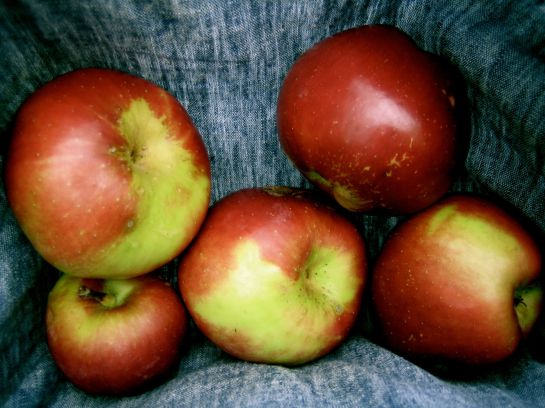
    Anyhow, of all the seasons, autumn is my favourite. The harvest, the golden days with cold edges, the sense of melancholy. Garden fires, washing the woolens which have been in storage since September, quinces, feijoas, walnuts…picking apples – we have two apple trees at our place:
    In my book, there is a poem about the beginning of autumn, the final day of daylight saving. There is a point at the end of summer/early autumn, if you are a gardener and eat seasonally, like we do, where you know it is likely to be the ‘last’ time you taste that particular thing for some time. That final meal has autumnal melancholy all over it – it’s a farewell to summer. In the poem, ‘the last’ has a deeper resonance – because of my beliefs about the environment, I feel that anything could be our ‘last’ time, because our existence on this ailing earth is so precarious right now, and growing more so.

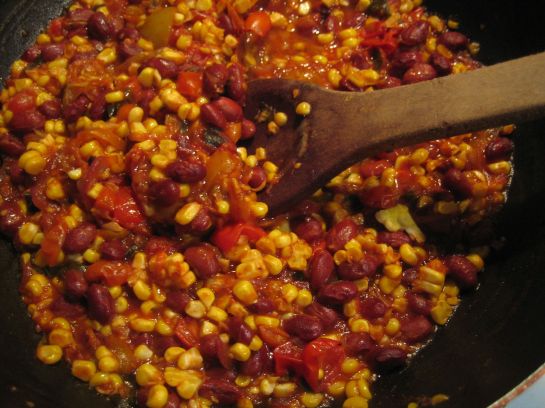
    Late summer this year, we ate corn for a good eight weeks, thanks to the 60 corn plants I grew – & no, I didn’t tire of it, like I do with some gluts. With the last of our fresh corn, I made a bean succotash which also contained the last of our tomatoes:
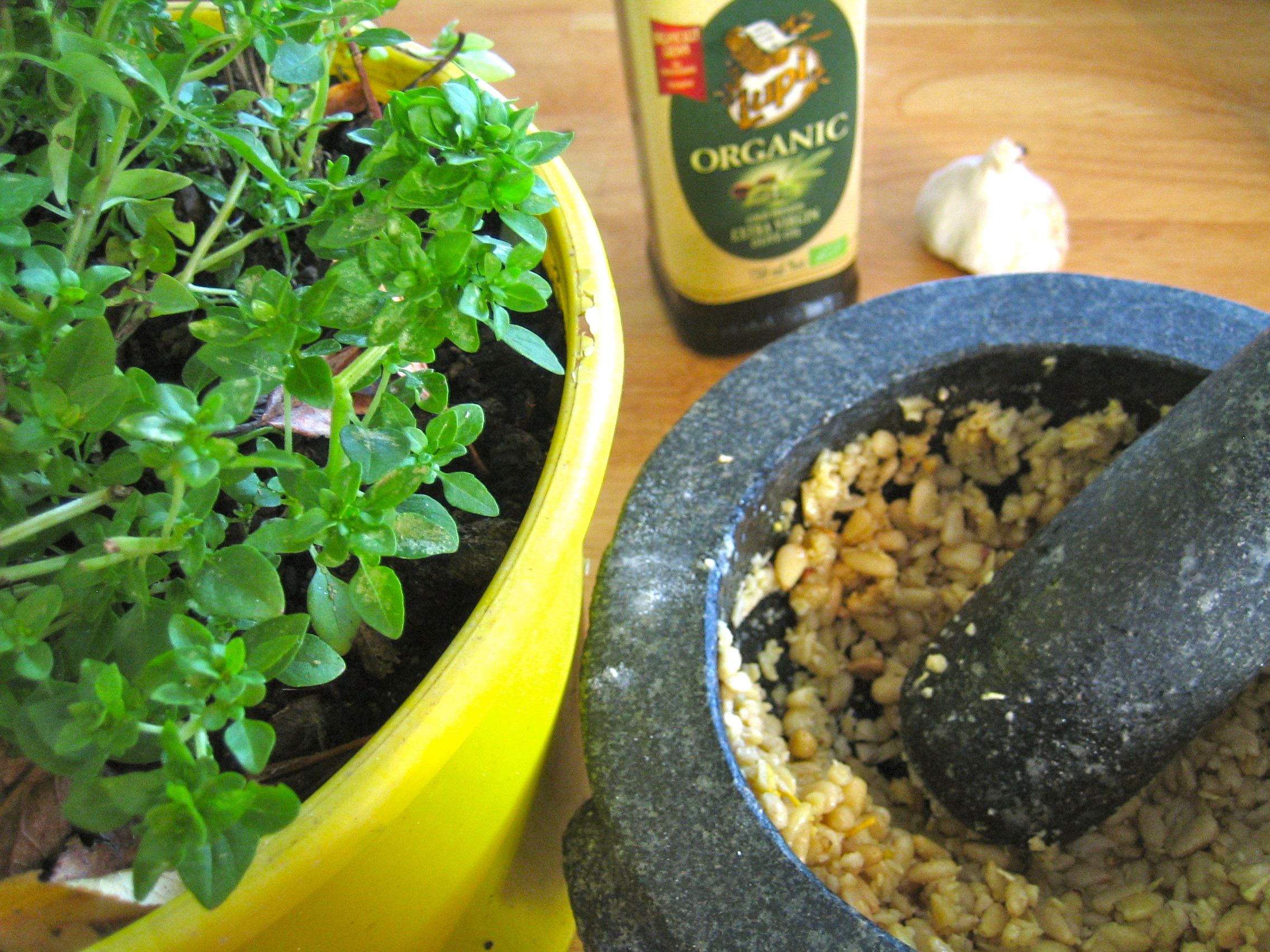
    Also, ‘last’ for the season – I made a ‘pistou’ or paste with the last of our bush basil, some pine-nuts, garlic, olive oil and salt. It’s always a sad day when the last of the basil goes. We ate it on pasta.  I like to grind such things up in my big mortar and pestle, rather than blitzing with an electronic device. It’s calming and meditative to hand-grind.

    (A Wellington friend who has never visited me at home was surprised to learn that I don’t live on a farm – he thought I did from reading my blog. I don’t know if it was just him, or if others have that impression as well – but just to be clear, I live on a very average not-quite quarter-acre section right in the heart of Palmerston North. You can take a girl out of the country, but she’ll bring her small-town/country ways to the city!)

    Anyway, here’s that poem I mentioned, from The Comforter:

    FALL BACK

    Insects everywhere – dead bees in the garden, moths

    stud the bathroom ceiling like dusty ornaments, praying

    mantises crawl out of the compost bucket. The flies.

    The last day of daylight saving. Everyone

    tired and wistful on Sunday. That feeling

    like you lost something all day.

    The last-day-of-summer pasta sauce – made with the last aubergines,

    last cherry tomatoes, the last zucchini. The garden now

    full of fledgling winter vegetables: spindles of cabbage, arrowheads of spinach.

    Manawatu gothic. Even these bright days are tinged

    with a kind of violence. There is a black velvet ribbon

    threaded through your head, collecting debris.

    The last dinner on the dehydrated lawn.

    *

  • leaf water stone sky

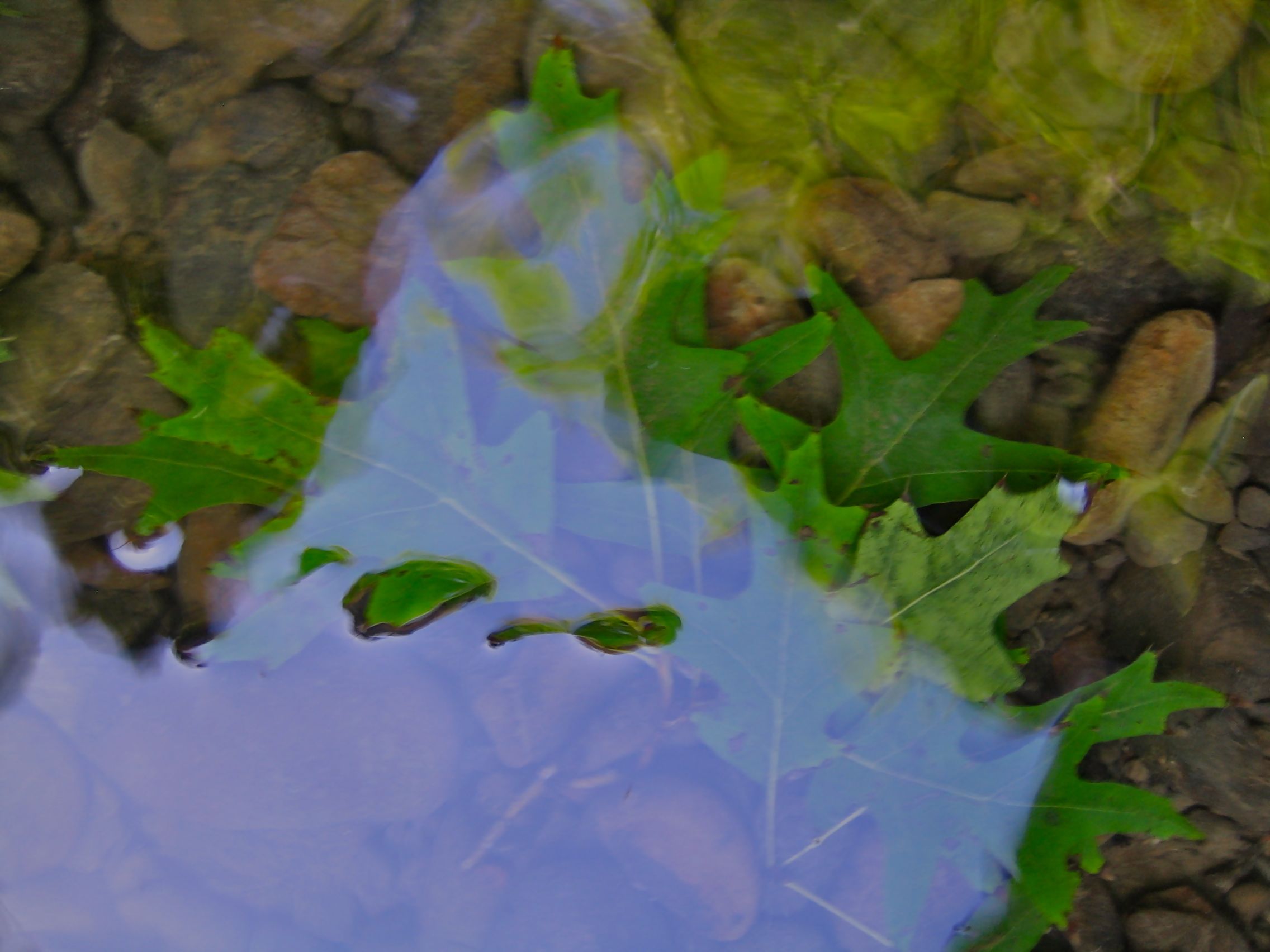
    I visited the creek.

    The stones hosted the leaves.

    The leaves bathed in the water.

    The water held the sky.

  • open heart

    (Life is)

    “…a slow, elated, awed recovery

    from humiliation.”

    -Geoff Cochrane

    On New Year’s Eve we climbed the hill behind the house and drank wine until the sun had gone. I gnawed on grass stems because they tasted like peas. When clouds crossed the moon, I couldn’t see your face and you talked about the ways next year would be ‘awesome’. I say ‘I can’t remember much about this year except that most days I felt tired and thought it would get better tomorrow.’

    We talk for a long time about ‘isms’. You are giving them up. I am keeping a couple. ‘Why can’t you just do Helenism?’ you say. The isms start to cause schisms. I switch to home-decorating. I tell you that a warm colour would be better for you in winter – Indian spice colours to warm you up, but you are set on hot pink, ‘1977 punk-rock pink’ you call it.

    Then it’s midnight and the countryside doesn’t care. We wait for the clouds to clear so we can find our way down again. The dog has come to find us, and the two cats, their bells tinkling in the long grass. Sheep are nestled under the ridge and don’t stir as we walk past. Around the north side of the hill we cast long moon-shadows.

    ‘Look’ I say ‘We have moon-shadows, like the Cat Stevens song! And there I was thinking that was a load of hippy bollocks all these years.’

    I make tea for drinking on the porch because the wine is making my gut sour, but then it feels very late and too cold to be outside. I have so much to tell you but I can’t think where to begin so I talk about the band playing in the Square on Waitangi Day and how long it takes to drive to Paekakariki from here.

    I start to shiver. ‘I need some sleepism’ I say. You swallow down a handful of vitamins with the last of your wine. The animals bolt off inside to avoid being shut out.

    I go into dark rooms to check that my children are still breathing. I notice how the quieter I want to be, the more the floorboards creak. The microwave casts a dim light across the kitchen, it’s LCD screen says ‘Err’.


  • the next step

    ‘Inspiration is for amateurs. The rest of us just show up and get to work.’ -Chuck Close

    Halfway through last year I started work on my second book. The first book was out of my hands while  it was being edited, laid out and designed.

    I had some notion of what I wanted the second book to be all about. Books begin with opening a new document on a word-processing package, so I opened one, gave it a working title and got started.

    I have written about a third of it. It is not going where I want it to go. It is not the book I had in my head when I opened that new document. This is a common experience.

    ‘A poem that doesn’t get out of hand isn’t a poem.’ -John Hollander

    The writing has been lurching off into strange side-alleys and cul-de-sacs – uncomfortable places.

    I don’t want to write the book that the book wants to become.

    ‘She’s lost control again’ -Joy Division

    Last week I hit a bit of a wall with it and thought I should give up writing. The writing life is hard, harder than you might think if you are outside looking in. I feel vulnerable and tired. I get sick of getting rejection letters 70% of the time, of missing out on funding. Keeping writing going in my life is a fight. Fighting takes a lot of energy.

    The new book is telling me this: Drag it out into the light. That is this book’s imperative.

    This post sounds a bit mental – like I’m hearing voices. What can I say? This is how I experience my writing self, my writing life.

    I feel like I’m fighting with myself. It is a violent fight. People are getting hurt.

    Everything I write lately is tangential, difficult and odd.

    ‘Sentimentality – that’s what we call the sentiment we don’t share.’ -Graham Greene

    A friend told me to ‘stop second-guessing yourself.’ Whenever anyone tells me to stop doing anything  it makes me do it more. The elephant is in the room. The emperor is naked.

    It is good advice.

    I feel extremely confused about who I am as a writer right now.

    ‘Find out who you are and do it on purpose.’ -Dolly Parton

    My friend Pip once interviewed David Vann and he told her that tragedy is when a protagonist is forced to make a choice and whichever way he chooses, he loses half of himself.

    I love imperatives and maxims and bold assertions because I feel so unsure of anything lately. Experiencing life as all nuance, all complexity, all ambivalence, all sensate and half-truth and murmur and roar and silence and spiritual nihilism and nothing that ends with an ‘ism’ makes certainty so attractive.

    I’m so hot for other people’s certainty.

    ‘Poetry springs from something deeper, it is beyond intelligence. It may not even be linked with wisdom.’ -Jorge Luis Borges

    I am going to keep writing. I feel as weak as a new-born kitten as I type that.

    I get more courage from THESE PEOPLE than from anyone who ever taught me writing.

    ‘Writing 101: moral courage is seldom the subject, but it is often the prerequisite.’ -D.A.Powell

  • corn bones

    I am always walking up or down the driveway – and the corn is getting bigger or it is just starting or it is gone. There is always something I am worrying about but the focus of the worry changes but the worry doesn’t change – it is tinnitus. Brain plaque. I am always wondering why my body is the way my body is because it is a curious nearly-40 body and it walked away and left my mind behind. Something happened to time that I don’t understand. How did I get so tired? When can I lay down? I don’t want to lie down. I have too much to do. I take photographs to remind me but they don’t remind me they just open windows, or maybe valves. The corn was hard seeds dropped into holes poked into the earth with my finger and now it is nearly as tall as me and I encourage it when I walk away and greet it as I come home. I’ll eat it with a bit of butter and too much salt when the time comes, if it stays standing, if it hasn’t been plagued by bugs. Will it be tough enough corn to hold a summer? Magnus calls corn cobs ‘corn bones’. The corn bones take years to break down in the compost so we are always throwing them back, and throwing them back but If I wait long enough it will all rot down.

  • manifest poetry

    Yesterday I found a bird skull in the garden while I was weeding.

    I like the way there is a little patch of feathers on the top of it’s head, like a macabre toupee.

    In one of those cases of art foreshadowing life, I wrote a poem a long while back about digging up bird skulls. It is in my book.

    I really did bury some bird bodies in the garden – however, that was at my old house, so this bird skull is not one of those that I buried.

    Since I wrote that poem, my cat died of throat cancer. I didn’t bury him in the garden, though. I had him cremated. His ashes are in a little white box on the mantlepiece, wrapped with a yellow ribbon.

    Here’s the poem:

    Latest Project

    I am curating the kills of my cat, collected

    with shovel, buried together in a yard-bird cemetery

    at the edge of the comfrey patch. Soil nourishment, for sure,

    but mostly because I want to dig up the skulls.


    A bird skull is a beautiful thing.

    Mechanics of bone, small sculpture with hinge of jaw,

    tiny teeth and spike of beak. When I dig them up

    I might make a necklace of skulls, like an urban Kali,

    goddess of change, of Your Time Is Up.


    Sparrow head, blackbird beak, thrush face,

    threaded on leather, fastened with wood.

    More likely, I would sit them in a neat row

    on a bookshelf in front of my orange Penguin classics.


    Or, more inevitably, I will forget.


  • the trail is not a trail

    One of my favourite poets is American poet Gary Snyder. He is described as the ‘poet laureate of deep ecology’ by some and I would agree with that. I guess he is a natural fit for me – he studied Zen Buddhism in Japan for years and writes a lot about the human spirit and nature.

    I have to defend his work from most of my poet friends who think his stuff is ‘obvious’ or romanticises nature or whatever – but I think a) the simplicity of his work often echoes that of the Zen Koan (short poems or spiritual conundrums) he is obviously schooled in.

    You could say this very famous poem by seventeenth century Japanese poet Masahide is ‘obvious’ and yet in its simplicity it also contains multitudes of meaning:

    Barn’s burnt down-

    now I can see

    the moon.

    *

    And b) I don’t find his nature writing to be ‘romantic’. I find it to be frank and direct. However, it is hard to write ANYTHING about nature in the 21st century and not be accused of being ‘romantic’ and Wordsworthian. Nature poetry has an undeserved bad rap, I think.

    Anyway, here is my current favourite Gary Snyder poem. Like a Zen koan, it is deceptively simple and yet depending on your reading of it can blow out and up and be a big existential gesture. As well as enjoying it aesthetically, I am returning to it lately as a reminder of mindfulness…because the trail is not a trail, there is no destination, ….or if there is it is only death – hence the pressing need to be present in the moment!

    Here it is:

    The Trail is Not A Trail

    by Gary Snyder

    (from Left Out In The Rain, North Point Press, 1986)

    I drove down the Freeway
    And turned off at an exit
    And went along a highway
    Til it came to a sideroad
    Drove up the sideroad
    Til it turned to a dirt road
    Full of bumps, and stopped.
    Walked up a trail
    But the trail got rough
    And it faded away—
    Out in the open,
    Everywhere to go.