Category: nature cure

  • Matariki: the public holiday we all needed

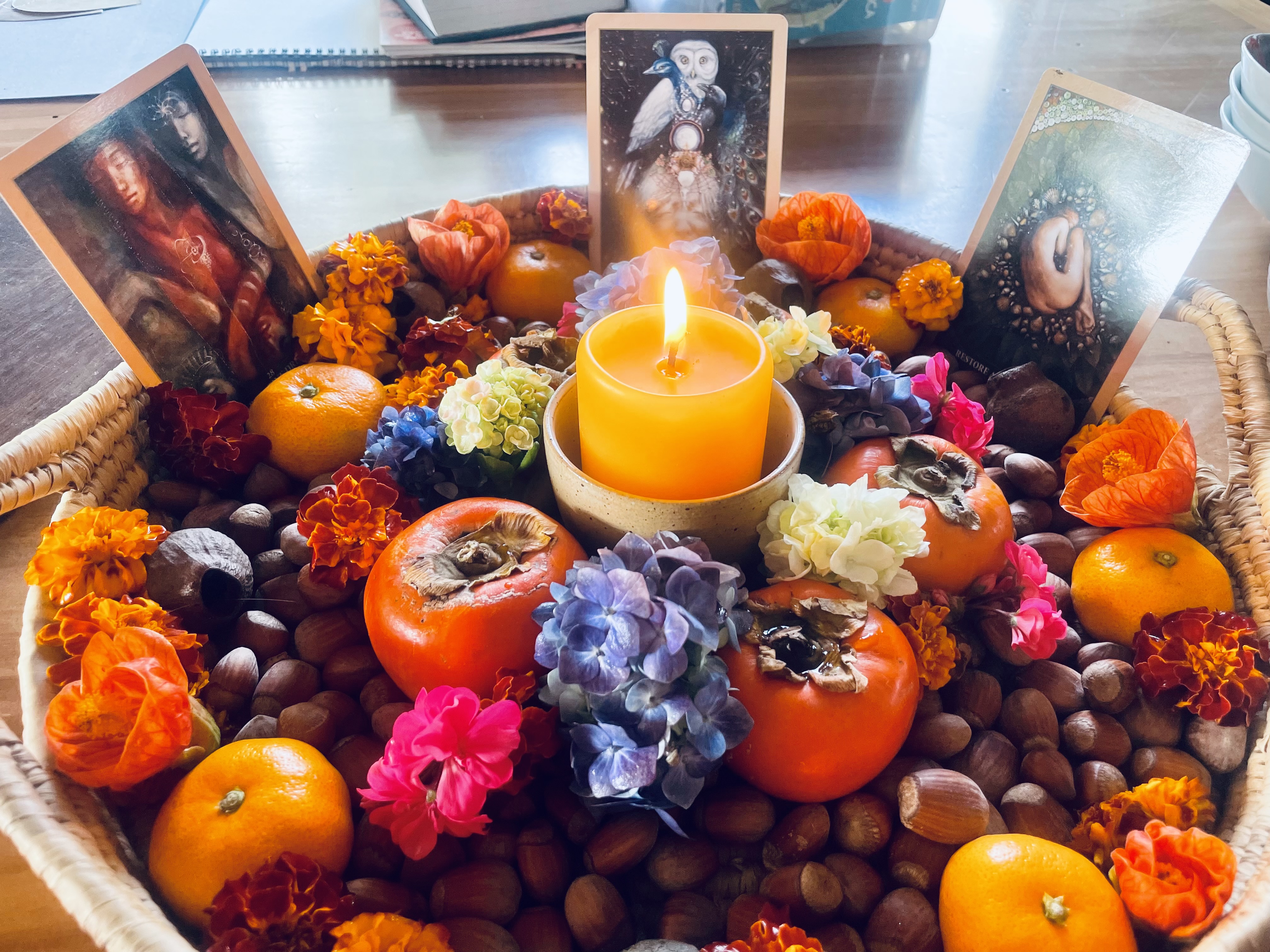
    (Above: our Matariki mandala this year.)

    I think Matariki is my new favourite holiday. Long before it was made a public holiday, I used to grizzle that New Zealand needed another public holiday in winter as it was a long stretch from (then) Queen’s Birthday in June until Labour Day in October.

    & because, as a pākeha, it is a new holiday, I’m really enjoying that we (my family) are creating our own celebrations for it: inviting friends to share kai and reflections, and focusing on rest.

    I was hoping for a cold, wet weekend so I could be lazy and give some attention to my teetering pile of delicious library books…alas, (hello, climate change?) our winter here in the Manawatū seems to come later every year. Spring is the season I brace for…here our springs are mizzling, windy (we have a phenomena known as ‘the November gales’) and cold. So the weekend, while chilly, was also sunny…which meant I had to get out into the garden.

    I did some satisfying chores that I only get to when the urgent business of harvest season is over: I tidied my junky heap of garden pots and paraphernalia into virgo-level neatness again. I cleared out the greenhouse, pruned and fed the fruit trees, planted more comfrey around their bases, dug up the dahlia bulbs. It was satisfying work that called for an afternoon tea of cinnamon pinwheels and a big pot of homemade masala chai (none of that syrupy nonsense.)

    (Above: just the Edmonds date scone mixture but rolled out, spread with fruit mince and sliced into pinwheels instead of dates.)

    Gardeners are always thinking a season (or more!) ahead. My winter food garden is all planted now…not too much to do. (Having said that I planted rockets seed and more broad beans on the weekend.) So now I’m dreaming ahead to summer flower/herb beds, by digging up clumps of perennial herbs and flowers and dividing them. I’ve been getting very inspired by urban rewilding books I’ve been reading (more on that in another post) so I’m eyeballing the little bits of lawn we still have and wondering if I might turn them into weedy spaces full of self-maintaining weeds and ‘wild’ flowers …for the pollinators and birds.

    It takes a leap deeper into wildness and unruliness which can have a mixed response in an urban setting…and yet is so important for urban biodiversity as central city housing gets denser and more and more gardens are lost.

    So, I ended up not being as lazy as I’d hoped for Matariki/Winter Solstice weekend…but it all felt good, a healthy-busy…not a pushing-hustle. Dreaming into summer is a kind of rest, I think.

    & I know we’ll get plenty of stormy, frigid days in spring.

    I get Koanga Garden’s newsletter and in the latest one, I like this, from founder Kay Baxter:

    ‘This is how regeneration works: a little effort now, in rhythm with nature, pays forward in resilience, nourishment and beauty.’

    Tell me what you’re up to in your gardens. x

  • How I auditioned to play myself and got rejected

    (An occasional series where I write about things that happened around my book, ‘A Forager’s Life’.)

    (Above: The audiobook as a tangible object!

    In winter 2023,  a few months after ‘A Forager’s Life’ came out, I received the exciting news that the book was going to be made into an audiobook with Bolinda Audio.   

    (By the way, it’s also available as an e-book) 

    Bolinda told me that they would soon be casting a voice artist and it would be recorded in Australia. They also asked me if there was anything particular criteria I would like for the voice actor. I replied that I’d like a warm, friendly voice and that it was very important to me that the Māori words in the book be pronounced correctly. 

    After I sent that email, I got to thinking ‘hang on a minute, don’t some authors read their own audiobooks?’. Of course they do…although it’s more common with celebrity authors or for celebrity memoirs. But in 2020, I’d had a bit of a go at recording some of my original meditations for the meditation app, Insight Timer.  I’d really enjoyed doing this and I thought my voice sounded pretty good… calm, composed. 

    So then I did something I almost never do…I advocated for myself and asked them if it would be at all possible that I be cast as Helen Lehndorf for the narration of the audiobook?

    They were very gracious and replied, ok, although it was unusual for the author to narrate their own audiobook, I could send them an audition ‘tape’ (MP3)  of me reading a part of the book. 

    I duly locked myself in my office and spent a couple of hours getting a decent recording of about five minutes of one of the chapters which had a bit of dialogue in it so they could hear me doing multiple voices. Listening back to it, I thought it sounded pretty good. I sent it off feeling reasonably confident. 

    A few weeks passed…and then I got an email to say they were sorry, but they didn’t feel I was suitable. 

    In other words, I’d failed the audition to play myself.

    They told me they had cast a young Australian actor, Ayesha Gibson. Then, (possibly because they felt sorry for me?) they asked if I would like to record the book’s epilogue. It would involve a trip to Wellington and a few hours in a recording studio. By this stage I felt a bit embarrassed by my bid to read the book myself, however I thought it would be an interesting experience so I said yes

    (Above: A photograph Ayesha sent me of herself in the Melbourne recording studio.) 

    I was booked to record in the same week as Ayesha. She recorded the whole book over just a few days. (The audiobook version is around eight hours long.) On the day I travelled to Wellington to record my little bit, Ayesha and I were in Whatsapp conversation about the recording process. She was (very sweetly) giving me little updates on how it was all going and would occasionally send me a question about pronunciation or meaning. It felt surreal to be getting these messages as I travelled on the train southwards…knowing we were both recording bits of the book at the same time in two different countries, timezones, studios. 

    My recording session wasn’t until the late afternoon. I was so paranoid about wearing out my voice so bought throat lozenges, a lemon honey drink and tried not to talk as I mooched around Wellington waiting. 

    I turned up at The Armoury Studio trying to look nonchalant and no doubt failing. I had around 3000 words to record. 

    Friends, it was challenging. It was harder than I imagined. Now I understand why Bolinda prefers to hire professional actors. I had to do retake after retake because of all manner of things…throat-clearing, dropped words, flubbed bits, weird nervous breathing. 

    (Above: one of the lovely (and patient) sound engineers at Armoury on my recording day.

    I don’t mean to make it sound like I did a terrible job…I didn’t..but nor am I a professional voice actor. And the sound engineers were lovely and reassured me everything that was happening was totally normal and I was ‘doing great’. However, it was precise, intense work. After just a few hours in the studio, I was so tired. 

    On the train on the way home, I felt relieved I had failed the audition to narrate the whole thing myself. Ayesha did an amazing job and I feel so proud of the audiobook version. 

    A few months later, I got sent a few copies of the Audiobook as a tangible object … an MP3 CD! It’s also available on Audible and, if your local library uses the service, Borrowbox

    And that is the story of how I failed an audition to play myself. 

  • warm autumn

    Here is how the big vegetable bed looks right now….because it has been such a warm autumn, everything has grown quickly and lushly, which you might think is a good thing, but it isn’t really. It means that everything will be read to eat soon, and then when the really cold weather hits, the garden will be empty. Aah, well. Not much I can do about the weather!

    (Go HERE FOR A REMINDER OF HOW IT LOOKED IN MARCH.)

    I’m growing lots of Kale, green and purple, now that I’ve learned the best ways to cook it – it’s a great crop that grows throughout winter, much like silverbeet does.

    My olive tree, which was about one foot high when I bought it, is now about six feet high and after seven years, has finally fruited! Maybe moving it from from the old garden to the new garden was ‘motivating’ for it?

    There are lots of these dandelion-clocks about in the garden – I used to see them as a weed-enemy before I learned all the wonderful properties of the dandelion plant. Now I can blow them with abandon, like I used to when I was a kid.

    Make a wish!

  • the last

    I write about the seasons a lot, don’t I? I can’t help it. I grew up in a small town in the middle of farmland – my Dad was (still is) a hunter and fisherman and so we ate with the seasons and the seasons were meaningful in a way they may not be for city-folks. Most of my friends lived on farms, so the drying off of cows marked the start of winter, new lambs heralded spring. Because I do write about the seasons so much, the editor of The Comforter, Helen Rickerby, organised the book into seasonal parts. I still can’t believe it didn’t occur to me to do that – but that’s why you need a good editor, right? To show you things which are right under your nose but you can’t see because you are over-exposed to your own work.

    Anyhow, of all the seasons, autumn is my favourite. The harvest, the golden days with cold edges, the sense of melancholy. Garden fires, washing the woolens which have been in storage since September, quinces, feijoas, walnuts…picking apples – we have two apple trees at our place:

    In my book, there is a poem about the beginning of autumn, the final day of daylight saving. There is a point at the end of summer/early autumn, if you are a gardener and eat seasonally, like we do, where you know it is likely to be the ‘last’ time you taste that particular thing for some time. That final meal has autumnal melancholy all over it – it’s a farewell to summer. In the poem, ‘the last’ has a deeper resonance – because of my beliefs about the environment, I feel that anything could be our ‘last’ time, because our existence on this ailing earth is so precarious right now, and growing more so.

    Late summer this year, we ate corn for a good eight weeks, thanks to the 60 corn plants I grew – & no, I didn’t tire of it, like I do with some gluts. With the last of our fresh corn, I made a bean succotash which also contained the last of our tomatoes:

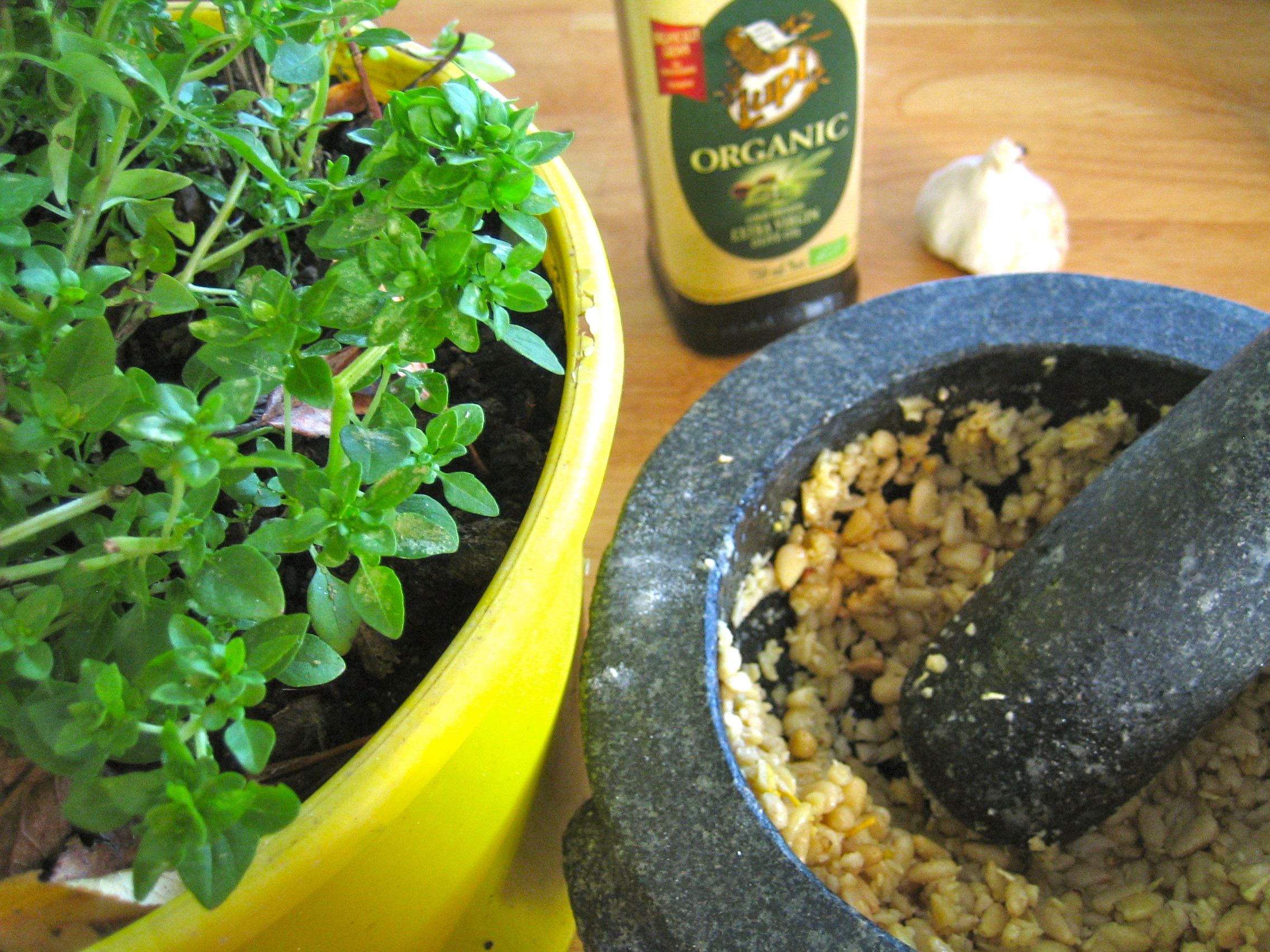
    Also, ‘last’ for the season – I made a ‘pistou’ or paste with the last of our bush basil, some pine-nuts, garlic, olive oil and salt. It’s always a sad day when the last of the basil goes. We ate it on pasta.  I like to grind such things up in my big mortar and pestle, rather than blitzing with an electronic device. It’s calming and meditative to hand-grind.

    (A Wellington friend who has never visited me at home was surprised to learn that I don’t live on a farm – he thought I did from reading my blog. I don’t know if it was just him, or if others have that impression as well – but just to be clear, I live on a very average not-quite quarter-acre section right in the heart of Palmerston North. You can take a girl out of the country, but she’ll bring her small-town/country ways to the city!)

    Anyway, here’s that poem I mentioned, from The Comforter:

    FALL BACK

    Insects everywhere – dead bees in the garden, moths

    stud the bathroom ceiling like dusty ornaments, praying

    mantises crawl out of the compost bucket. The flies.

    The last day of daylight saving. Everyone

    tired and wistful on Sunday. That feeling

    like you lost something all day.

    The last-day-of-summer pasta sauce – made with the last aubergines,

    last cherry tomatoes, the last zucchini. The garden now

    full of fledgling winter vegetables: spindles of cabbage, arrowheads of spinach.

    Manawatu gothic. Even these bright days are tinged

    with a kind of violence. There is a black velvet ribbon

    threaded through your head, collecting debris.

    The last dinner on the dehydrated lawn.

    *

  • In the garden…

    The tomatoes are ripening by the bowlful every day and we are eating lovely pasta sauces and soups which taste of the sun and make me realise how insipid tinned tomatoes are! The chillies are starting to fruit – just in time for the cold of autumn, which will stunt their growth in no time. Every year I try to grow chillies – every year I get about two weeks worth of fruit before the autumn shrivel. You’d think I’d learn, right? Hope springs eternal. One day I’ll build a little glasshouse for year-round chillies.

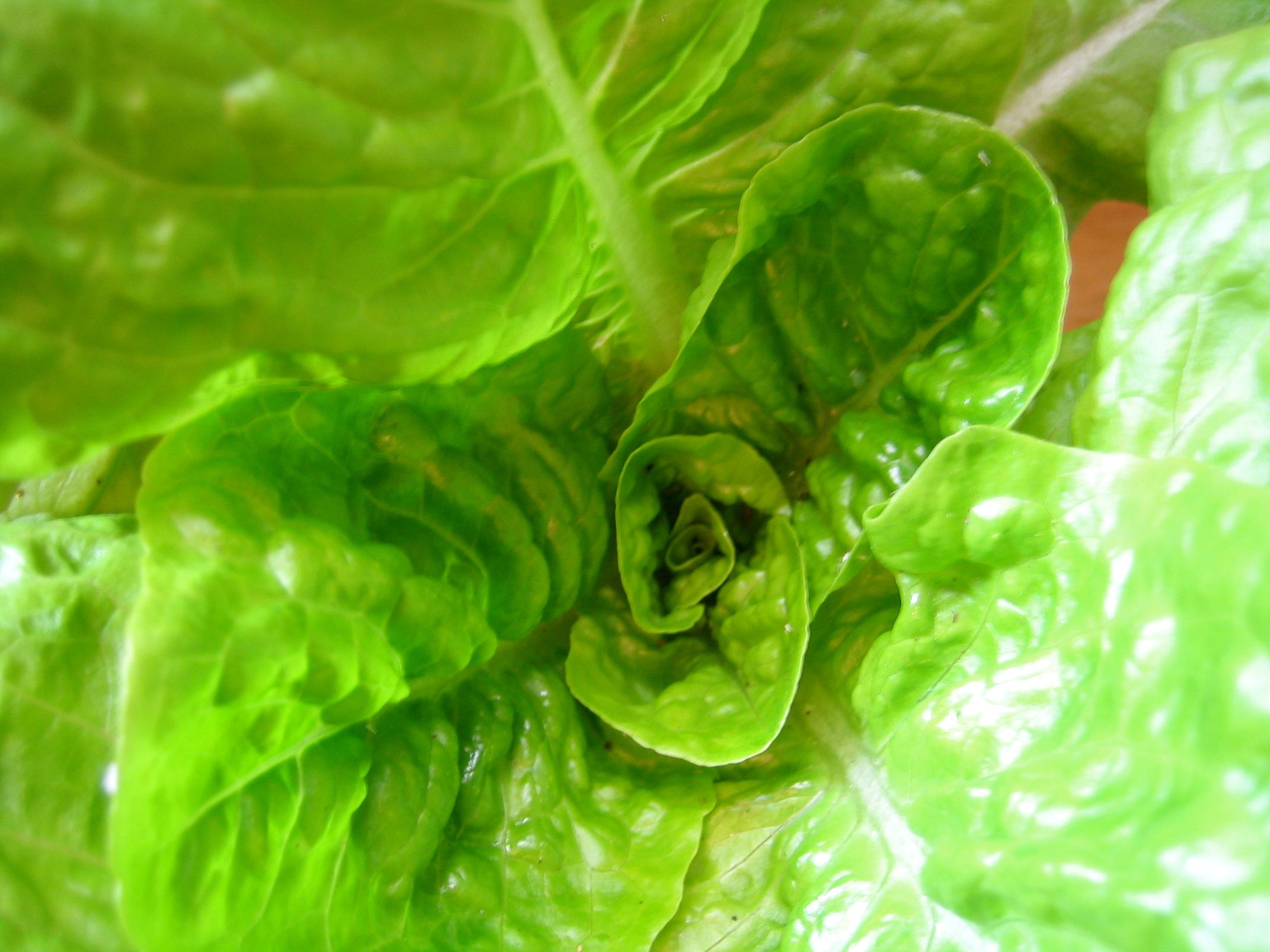
    I love these lush little gem lettuces, so much nicer than ice-berg and I eat one a day. They grow very quickly – from seedling to edible head in about three/four weeks.

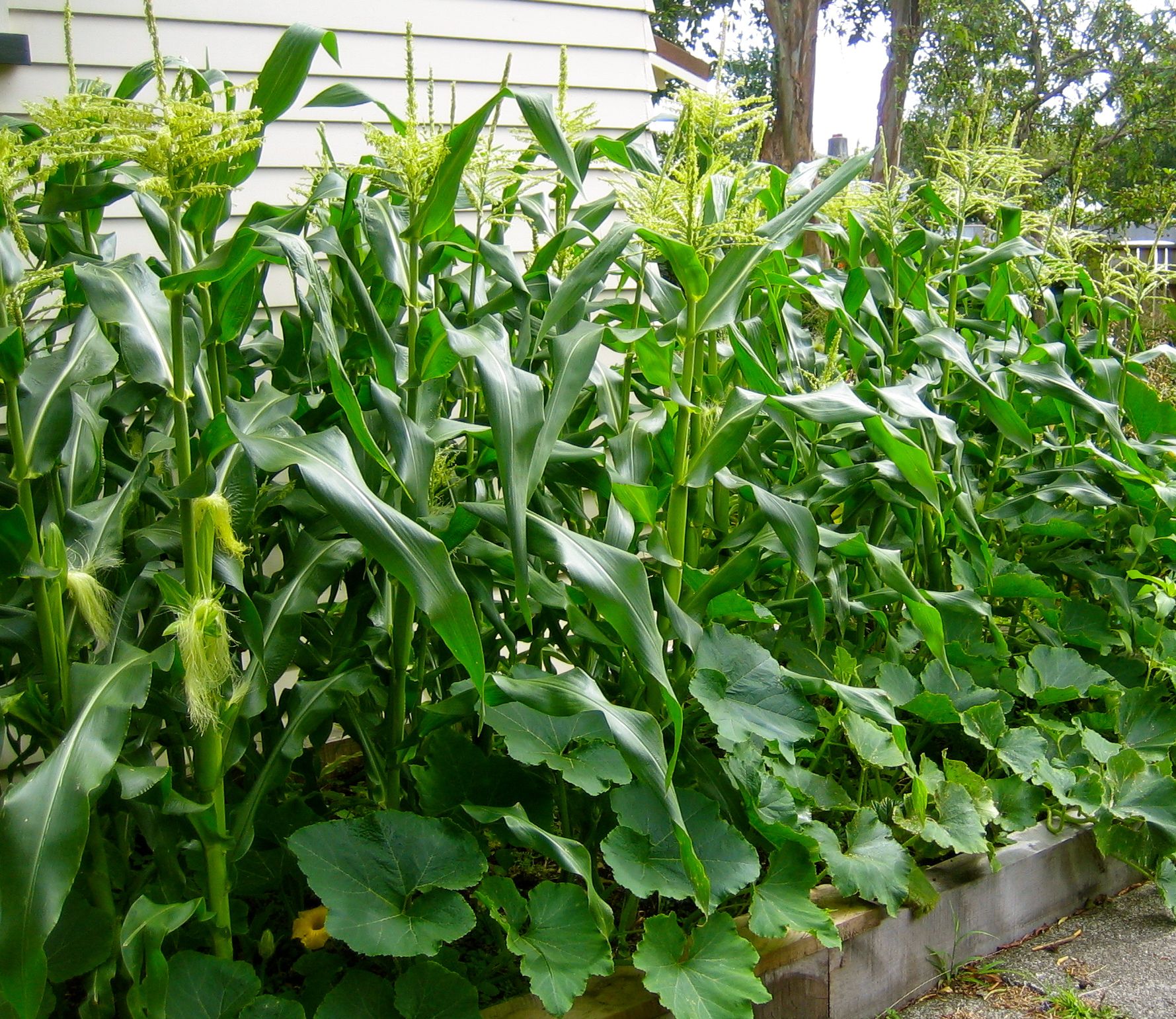
    The corn is nearly there – it seems like only yesterday I was pushing corn seeds into the warm earth…there are lots of pumpkins growing around the corn’s ‘feet’ too – we are going to have an abundant autumn!

    This is going to sound like such a cliche – but I swear, when I started growing my own vegetables, aged around 28 when I had my first baby, time seemed a lot slower and I was aware of my plants growing and can remember waiting patiently for crops to appear.

    Twelve years on, time seems to go a lot faster -I’m not sure if it is because of getting older, or because life is busier – and the seasons romp around. I feel like I turn my back for a second and the garden changes, vegetables appear, or plants die before I realised they were ailing.

  • This is not a gratuitous cute kitten photograph…

    it’s a cute chicken photo, instead.

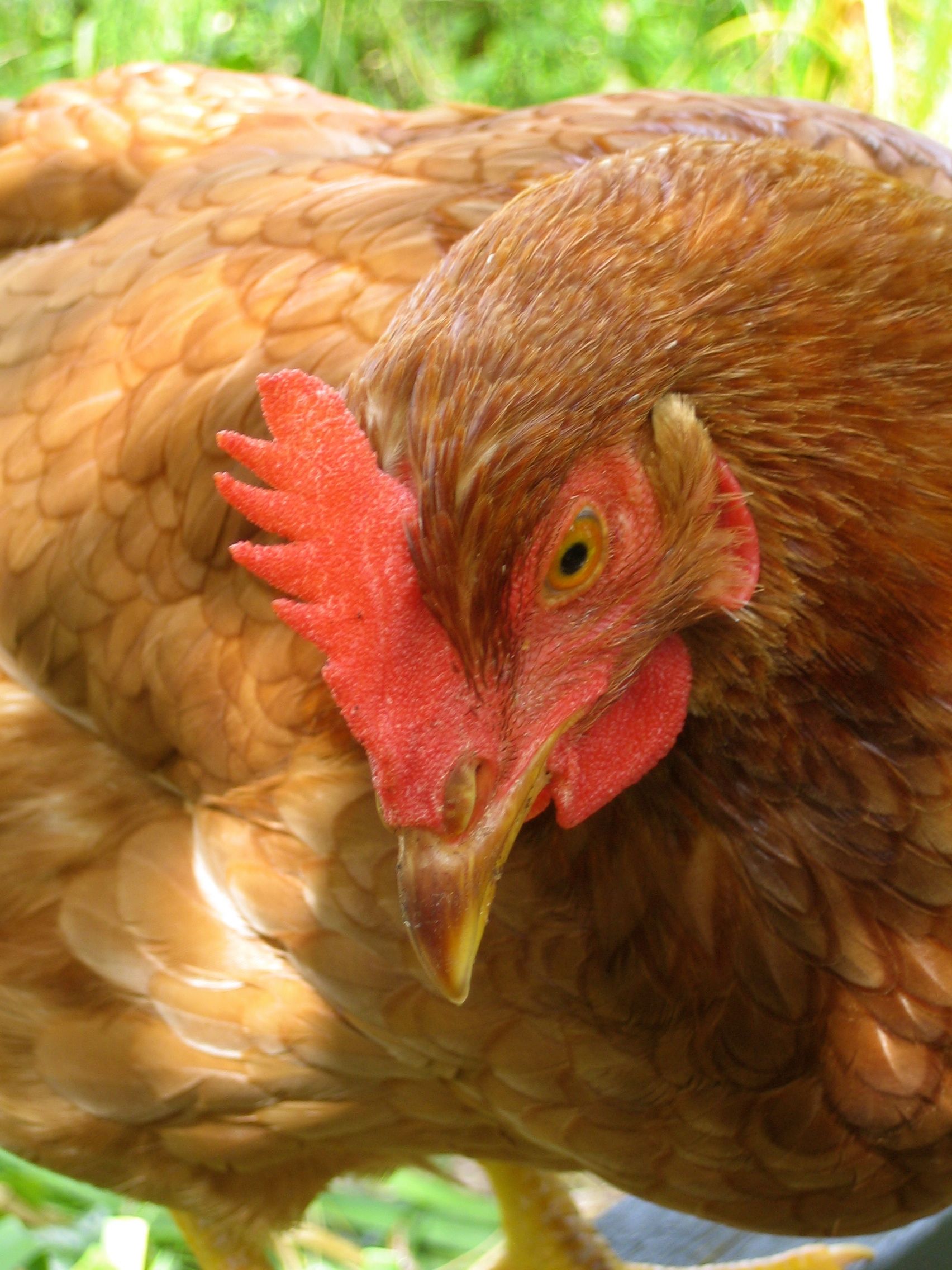
    This is Cockatrice – one of our hens. She is the leader of the pack, top of the pecking order and frankly, the brains of the bunch. She was also a quick developer – the first to grow her full comb and to start laying eggs.

    Cockatrice is intelligent, adventurous, nosey and demanding. She seems to be much more aware of us and interested in interacting with us than the other three chickens. She’s one of those animals who verges on being creepy, because you feel like she is way more sentient than she should be.

    (A Cockatrice is a mythological creature which is half-chicken, half-dragon. Willoughby, our resident dragon-lover, named her. She is his chicken.)

    My hen, Harriet, and Fraser’s hen, Hildegaard are bog-standard chickens. They are cute and charming, but don’t have the personality and boundary-pushing behaviour of Cockatrice.

    Magnus’s hen, Syndrome (named after the baddie in the movie The Incredibles) is a silly chook. She’s not very bright. She gets stuck, gets lost and gets easily confused.

    I swear Cockatrice knew what I was doing when I did this photoshoot with her – she stood patiently, stock-still in various poses, like a chicken supermodel.

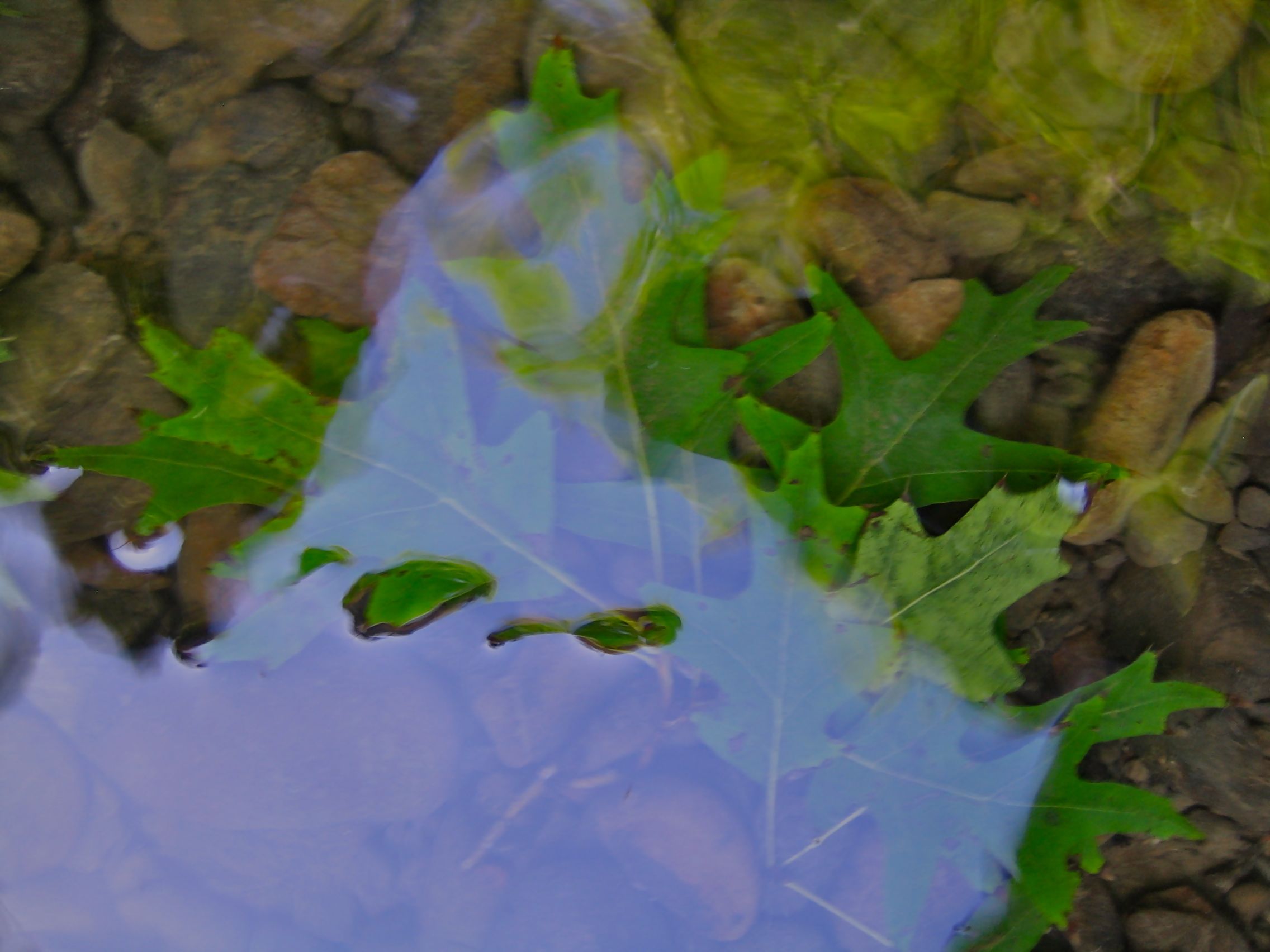
  • leaf water stone sky

    I visited the creek.

    The stones hosted the leaves.

    The leaves bathed in the water.

    The water held the sky.

  • seed heads

    Often, if a plant isn’t taking up space I need for something else, I’ll let it go to seed. Partly because then it will drop it’s seed everywhere and next year I might get plant babies, and partly because I love seeing what plants do when they go to seed.

    Have you ever let a leek go to seed?

    They grow up and up into a crazy tall spindles, with a Hundertwasser-like turret on the top which eventually explodes open into a purple pom-pom! It’s almost worth letting a few go to seed as temporary garden sculptures:

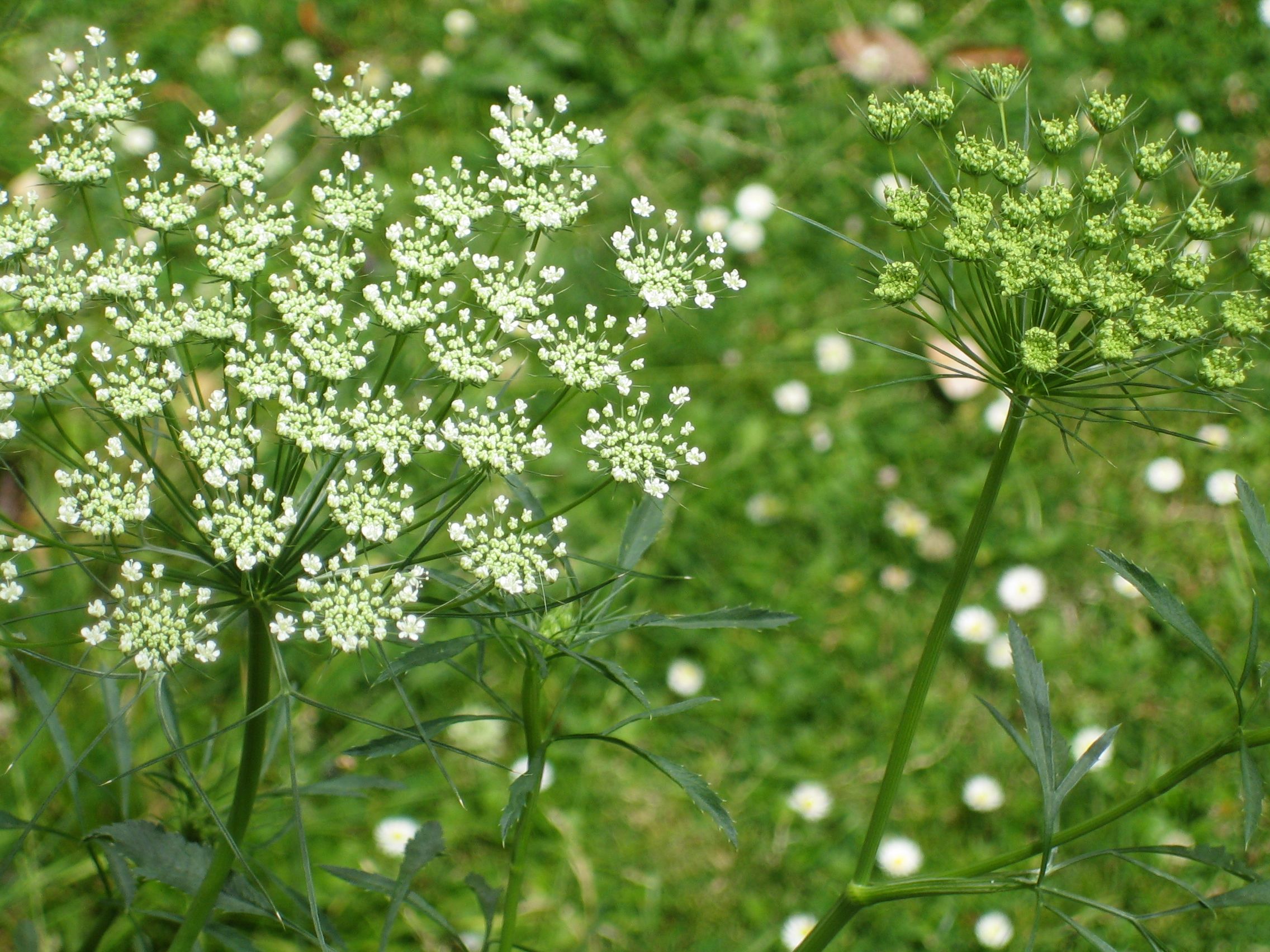
    I also like parsley seed heads. They are pretty and similar to their plant cousins, Cow Parsley which you often see growing on the edges of fields in the countryside, and Queen Anne’s Lace.

    I am somewhat in love with Queen Anne’s Lace and have tried to grow it in my garden this year, but because it prefers to grow in a grassy environment, it isn’t all that happy in my flower beds – it’s a bit droopy and lonely-looking. It is still lovely, though. It’s also known as wild carrot, because the roots are edible. This is the sort of thing I like to know, even though I’ll probably never dig up one to eat the root! Aah, useless esoteric knowledge…

    Seedheads I am not so fond of are dandelion seed heads, because even though they are lovely – everytime one blows in my garden I know it means a lot of weeding….and grass seedheads for the same reason.

  • lean in

    I went to the Pohangina valley.

    Clean spring green.

    PIcked up heart shaped rocks.

    Picked up broken glass.

    Picked up.

    They were throwing stones in the water. I walked away from the splashing.

    I walked past the Friday night fire pits, the Woodstock cans and pizza boxes.

    The trees along the bank were just flowering.

    I thought the trees were thrumming with their flowering, thought I could hear the flowers.

    Then I leaned in and it was bees. Trees were thick with bees.

    The bees sounded like effort and essence, it was a vital sound.

    Bee frequency. Bee transmission.

    I closed my eyes. I leaned in. I could smell new vegetation. Clean growth.

    The trees told me. The bees showed.


  • the trail is not a trail

    One of my favourite poets is American poet Gary Snyder. He is described as the ‘poet laureate of deep ecology’ by some and I would agree with that. I guess he is a natural fit for me – he studied Zen Buddhism in Japan for years and writes a lot about the human spirit and nature.

    I have to defend his work from most of my poet friends who think his stuff is ‘obvious’ or romanticises nature or whatever – but I think a) the simplicity of his work often echoes that of the Zen Koan (short poems or spiritual conundrums) he is obviously schooled in.

    You could say this very famous poem by seventeenth century Japanese poet Masahide is ‘obvious’ and yet in its simplicity it also contains multitudes of meaning:

    Barn’s burnt down-

    now I can see

    the moon.

    *

    And b) I don’t find his nature writing to be ‘romantic’. I find it to be frank and direct. However, it is hard to write ANYTHING about nature in the 21st century and not be accused of being ‘romantic’ and Wordsworthian. Nature poetry has an undeserved bad rap, I think.

    Anyway, here is my current favourite Gary Snyder poem. Like a Zen koan, it is deceptively simple and yet depending on your reading of it can blow out and up and be a big existential gesture. As well as enjoying it aesthetically, I am returning to it lately as a reminder of mindfulness…because the trail is not a trail, there is no destination, ….or if there is it is only death – hence the pressing need to be present in the moment!

    Here it is:

    The Trail is Not A Trail

    by Gary Snyder

    (from Left Out In The Rain, North Point Press, 1986)

    I drove down the Freeway
    And turned off at an exit
    And went along a highway
    Til it came to a sideroad
    Drove up the sideroad
    Til it turned to a dirt road
    Full of bumps, and stopped.
    Walked up a trail
    But the trail got rough
    And it faded away—
    Out in the open,
    Everywhere to go.