Category: grew it myself

  • ‘now we recognise ourselves less and less’

    (Above: plastic rubbish I picked out from my vegetable beds last week. I collect around this much rubbish each time I tend or harvest from my vegetable beds.)

    I enjoy the writing on The Dark Mountain Project. It’s an ongoing project (based in the UK) that publishes ‘uncivilised writing’, holds gatherings, creates a space for conversations about all manner of unsettling and challenging elements of living at this point of human history. There you will find writing beyond polite eco poetics or nature writing that merely holds nature in a human/nature binary of saccahrine reverence. I don’t always agree with what I read there and that is why I like it.

    Last week I read this piece by Amy Kennedy from the most recent issue with the theme of ‘bodies‘.

    At first it seems a deceptively simple piece of writing, Amy describes a group of parents at a childrens’ birthdday party. One of them brings up the subject of the finding of microplastics in human placentas. The piece explores plastic: our culpability and the unavoidable enormity of the tsunami of plastics in our lives.

    I have a fairly high threshold for ingesting media about climate collapse and environmental degradation. I don’t have my head in the sand.This is not because of courage but more that I am an anxious person who approaches life in a ‘forewarned is forearmed’ sort of way. I like to know something of what’s coming so I can consider in advance how I might respond. (I’d prefer not to be built this way but there is only so much you can do about your neurological wiring.)

    I was surprised by my visceral reaction to this piece with it’s blunt presentation of human culpability in terms of the use of plastics and refusal to look away from the idea of microplastics in human placentas, in human bodies. ‘Now we recognise ourselves less and less’, Amy writes. A familiar feeling for the eco-anxious amongst us and a statement that works on many levels.

    A few years back I wrote a poem in a similar vein about digging up the backyard of my crappy Wellington flat to grow food for my oldest son when he was a baby …only to years later find out that backyard had been a dumping ground for old car bodies and broken machinery and was no doubt full of petrol and lead and other toxins. In my youthful naiveté, I hadn’t considered the urban soil’s history.

    These human missteps we make in the name of love: a birthday cake served with a plastic fork, feeding a baby mashed carrots grown in polluted soil…the hell we plod towards on our road of good intentions.

    The depth to which I was triggered by Amy’s writing surprised me at first (I thought I was made of tougher stuff by now). But then when I thought about it, I realised it touched on a tender spot in my own gardening practice…a spot where I choose to put blinders on.

    I live in the centre of a city. Every time I weed or harvest from my front yard garden (tended so carefully with the best organic soil amendments and lovingly homemade compost) I fish bits of plastic out of my garden: plastic bag fragments, fruit stickers, junk food packaging, lollipop sticks. Some of it seems to get into our compost somehow, despite careful sorting at the kitchen end. The plastic in the vegetable beds seems to blow in from the street.

    (I wondered if this plastic trash were an urban problem but a friend who lives rurally said that there is just as much plastic trash out her way, in the road gutters, in streams, from the plastic packaging of hay bales and farm products.)

    I throw the bits of plastic into a colander that I have with me in my harvest basket then put them in the rubbish bin where they will travel in a plastic bag to the plastic afterlife, which is to say slowly deteriorating into microplastics in the city’s landfill.

    I dwell in a space of both knowing that I have my stubborn blind spots (the macro and micro plastics in my own food garden and in the soil I am creating in my compost) and also having no inclination to stop. I will carry on composting. I will carry on growing food in this microplastick-y soil I am making.

    I enjoyed this essay about composting by Scottish writer Fraser MacDonald (found via Pip Lincolne) He, too, is carrying on composting on despite tangible evidence of plastics in his compost. He writes:

    ‘I make my own compost so that I can convince myself that even when the world seems socially and ecologically broken there are still mechanisms for recovery: it shows that change is possible. Composting is a simple habit of composition or gathering together that integrates past fragments into a future whole, so that what matters is not the individual ingredients but the fertile new thing they can become.

    & that ‘fertile new thing’ possibly contains microplastics…yet still I persist in habits which put me squarely in the ‘doing’ space of the world, in flawed creative acts which give me a sense of agency and regenerate my spirit if nothing else.

    For that purpose alone I believe they are worthy.
  • witch sticks & autumn harvests

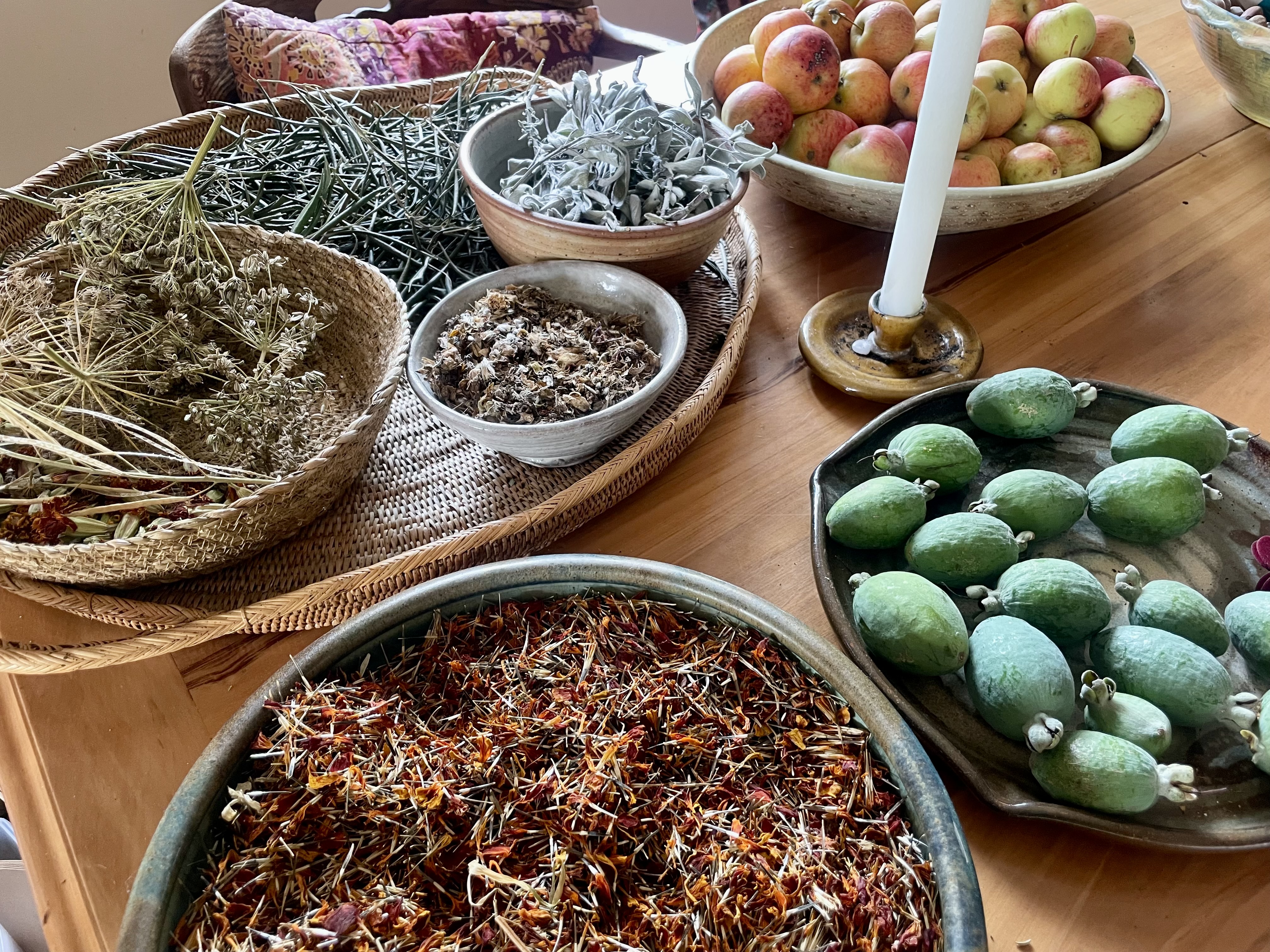
    (Above: Our kitchen table is a busy surface with often-changing bowls and baskets reflecting what is going on in the garden and the foraging season: things drying or waiting to be processed.)

    Autumn is my favourite season and, as a permaculture household, a busier season than summer with our labours to ‘capture and store’. There’s lots of picking and gathering and then kitchen work processing everything.

    (Above: Last sunday morning’s harvest chore was bottling a box of apples from our friend Bev’s orchard. These will turn into crumbles or top our porridge this winter.)

    Last week I gave my potted white sage plant a prune, ready to overwinter it in the greenhouse. White sage is a desert plant, native to the American southwest and Mexican northwest, so it doesn’t love the Manawatū winters.

    In the summer, I put it outside in full sun then prune it down to almost sticks at the end of summer and put it in the greenhouse where it sulks the winter away…but it (just) survives. Mine is about six years old now.

    (Above: white sage prunings, cotton thread. It’s on the sofa because I made the witch sticks while watching something in the evening. I do a lot of processing tasks (this, peeling fruit, cutting up herbs for tea, seed saving jobs) on the sofa…which might seem a bit odd…but I don’t see it as much different from knitting or hand-sewing in front of the TV. Does anyone else do this?)

    The prunings can be turned into what I call ‘witch sticks’ for burning by folding up the leaves on the stalk, weaving and rolling them longways and then tying with cotton thread. (Never use synthetic thread: it will melt and emit toxic smoke.) When the leaves have all burned down, you can burn the stalks, too.

    (White sage is a plant sacred to Indigenous people in USA and Mexico, so if you want some…have a go at growing it rather than buying imported sage. White sage is overharvested in the USA particularly. In ‘A Forager’s Life’, I write about alternative plants to white sage for making cleansing/burning sticks.)

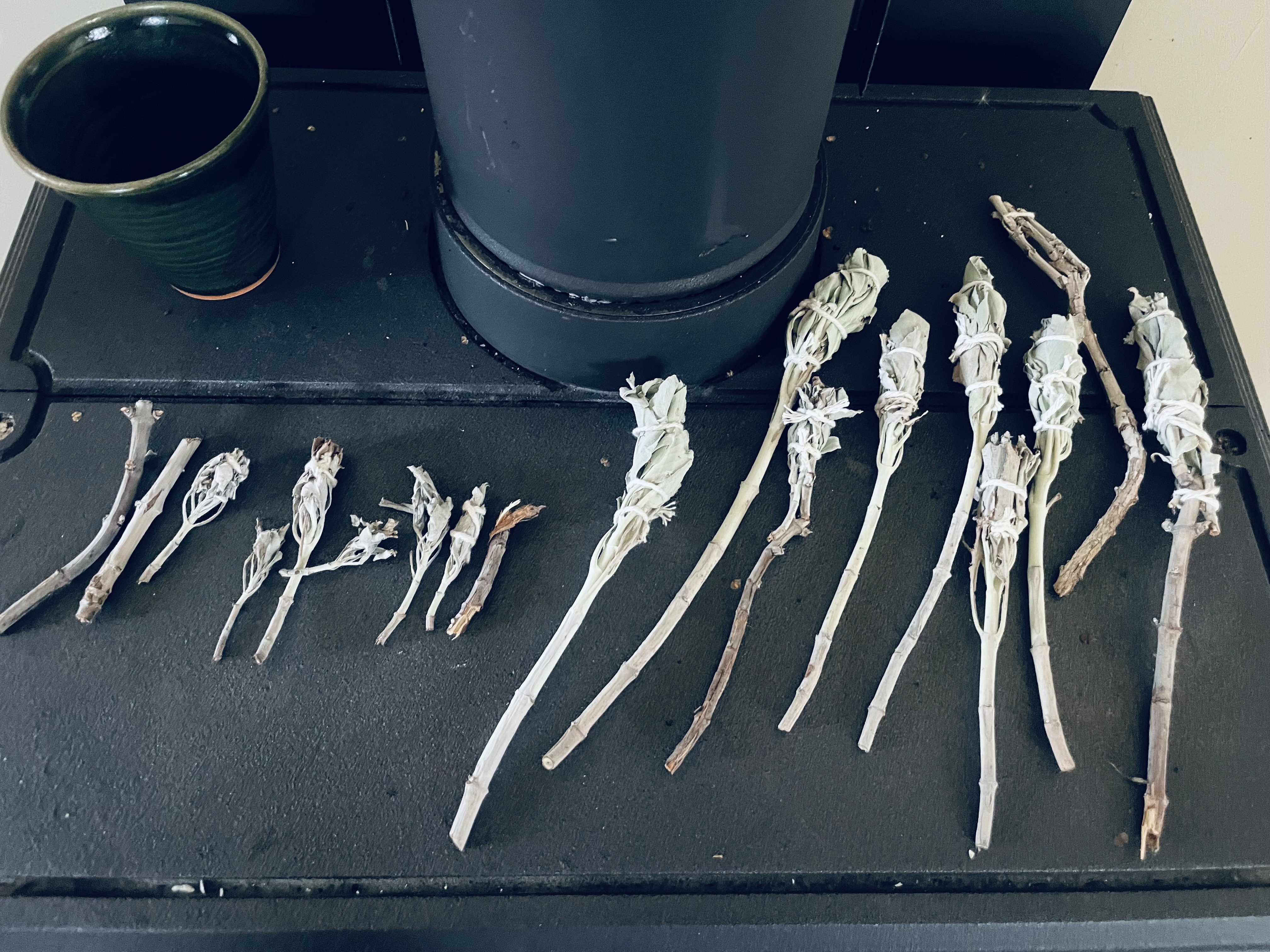
    (Above: I got eight decent witch sticks, plus some smaller bits and pieces of stalk…all of which can be burned. Here they are drying on my fire top.)
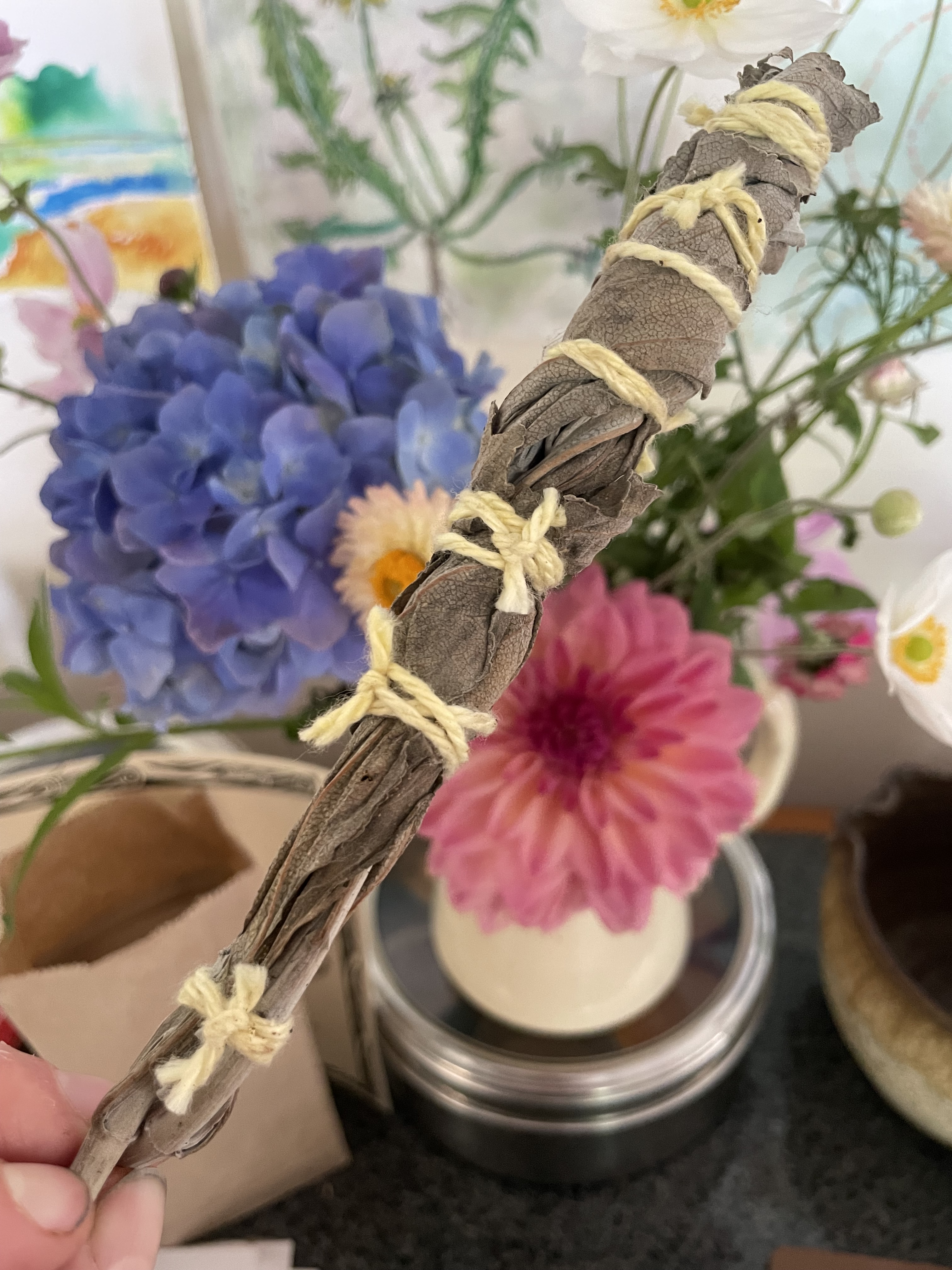
    I see a lot of ‘how-to’ articles about making cleansing/burning sticks around…but they often forget a detail which I think is important. For them to burn well and safely, don’t wind the string around and around the bundle, securing only at top and bottom. This will mean your stick will fall apart as the thread burns and you could have a higher risk of embers dropping off it. Instead, tie it tightly with small pieces of string at regular intervals, like in this photograph:

    (Above: please forgive my ‘dirt manicure’ as garden writer Gayla Trail calls it. I scrub* my nails regularly but folks who ‘touch soil’ (which is ilke ‘touching grass’ only more grubby) every day struggle to have photogenic hands. ((I have to buy a new nail brush every couple of months…so intent is my endless scrubbing.))

    Do you have a favourite season or are you one of those calm, rational people who loves them all equally?

    I’d love to hear what kitchen or garden chores you’ve been doing lately. Let me know below.

    “As long as autumn lasts, I shall not have hands, canvas or colours enough to paint the beautiful things I see.”

    -Vincent Van Gogh

  • Apple season

    Apple season

    Apple cheeks, apple weeks, the race against the birds…

    The inherited tree which has the codlin moth – I know it’s time to strip the tree when the birds begin to peck at the apple tops – this means they are sweet and ready. Cutting around the moth tunnels, making apple sauce which turn into breakfast or crumbles or just eaten with a teaspoon standing at the fridge when I realise I’m starving but have to do the school run in two minutes. (I continue to ‘battle’ against the codlin moth. They are determined creatures.) The commitment of using seasonal abundance. It’s a gift, sure, but it’s work. Sometimes hours and hour of work. Sitting at the table, making the meditation ‘can I take all the peel off in one go?’ Buckets and buckets of practice later tell me that I can’t, but it’s fun trying.

    apples_2 apples_3

    The Ballerina apple tree which was a wedding present 20 years ago, and moved with us from flat to flat in a big pot, finally planted into the ground here and produces the most beautiful green and red apples, like the ones from Snow White…

    apples_1

    This tree on an abandoned section – the way fruit trees give and give, regardless of how they are tended or neglected. Walking onto ‘private property’ to pick the apples. Respecting the tree’s gift more than the human’s claim. Not wanting the generosity of the tree to go unnoticed, unappreciated. Leaving plenty for the birds.

    apples_8

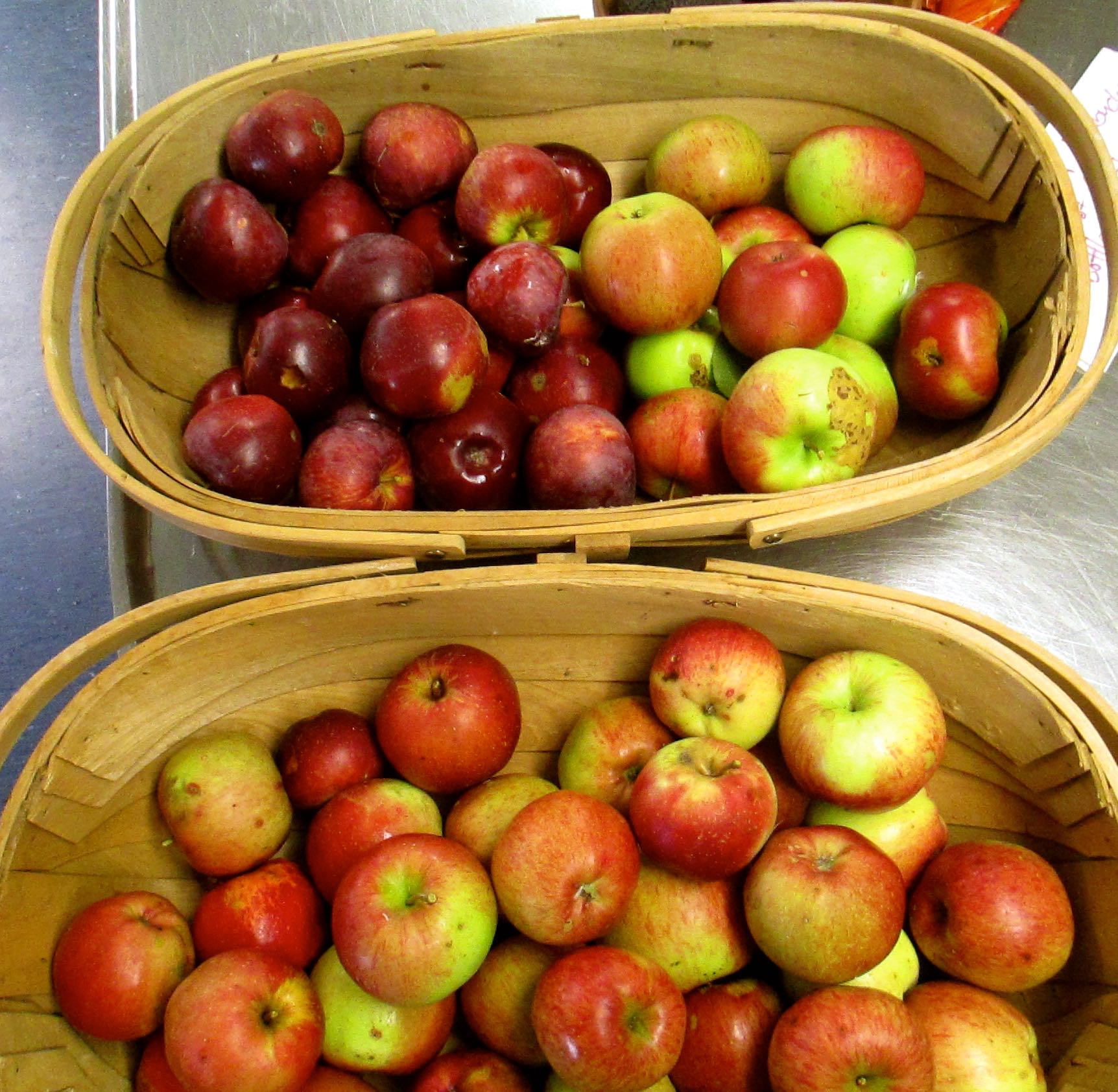
    At my permaculture course, Duncan brings two beautiful baskets of apples from his small farm. Four heritage varieties – enough for everyone to take a few home to taste. On the permaculture course, people are passionate about plants, about fruit trees, about the earth. People have strong opinions – in discussion time the debates are weighty, rich, sometimes a little heated…but at lunch time, we sit around munching Duncan’s apples. That they are fine, crisp, tasty apples, we all agree on.

    apples_5 apples_6 apples_7

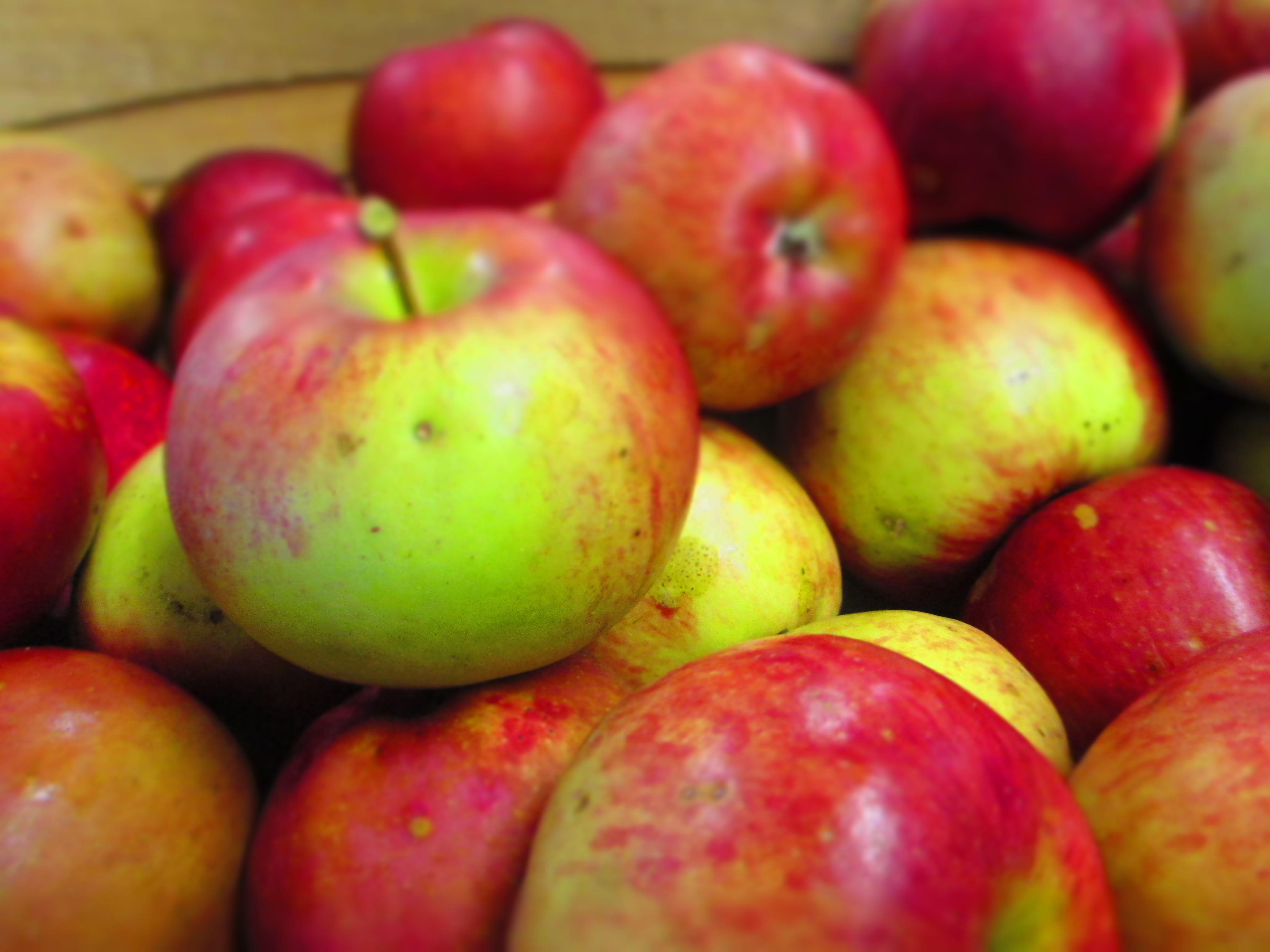
    The beauty of the simple backyard apple, wet from being rinsed in cold water, fresh-picked off the tree.

    apples_4

  • warm autumn

    Here is how the big vegetable bed looks right now….because it has been such a warm autumn, everything has grown quickly and lushly, which you might think is a good thing, but it isn’t really. It means that everything will be read to eat soon, and then when the really cold weather hits, the garden will be empty. Aah, well. Not much I can do about the weather!

    (Go HERE FOR A REMINDER OF HOW IT LOOKED IN MARCH.)

    I’m growing lots of Kale, green and purple, now that I’ve learned the best ways to cook it – it’s a great crop that grows throughout winter, much like silverbeet does.

    My olive tree, which was about one foot high when I bought it, is now about six feet high and after seven years, has finally fruited! Maybe moving it from from the old garden to the new garden was ‘motivating’ for it?

    There are lots of these dandelion-clocks about in the garden – I used to see them as a weed-enemy before I learned all the wonderful properties of the dandelion plant. Now I can blow them with abandon, like I used to when I was a kid.

    Make a wish!

  • the last

    I write about the seasons a lot, don’t I? I can’t help it. I grew up in a small town in the middle of farmland – my Dad was (still is) a hunter and fisherman and so we ate with the seasons and the seasons were meaningful in a way they may not be for city-folks. Most of my friends lived on farms, so the drying off of cows marked the start of winter, new lambs heralded spring. Because I do write about the seasons so much, the editor of The Comforter, Helen Rickerby, organised the book into seasonal parts. I still can’t believe it didn’t occur to me to do that – but that’s why you need a good editor, right? To show you things which are right under your nose but you can’t see because you are over-exposed to your own work.

    Anyhow, of all the seasons, autumn is my favourite. The harvest, the golden days with cold edges, the sense of melancholy. Garden fires, washing the woolens which have been in storage since September, quinces, feijoas, walnuts…picking apples – we have two apple trees at our place:

    In my book, there is a poem about the beginning of autumn, the final day of daylight saving. There is a point at the end of summer/early autumn, if you are a gardener and eat seasonally, like we do, where you know it is likely to be the ‘last’ time you taste that particular thing for some time. That final meal has autumnal melancholy all over it – it’s a farewell to summer. In the poem, ‘the last’ has a deeper resonance – because of my beliefs about the environment, I feel that anything could be our ‘last’ time, because our existence on this ailing earth is so precarious right now, and growing more so.

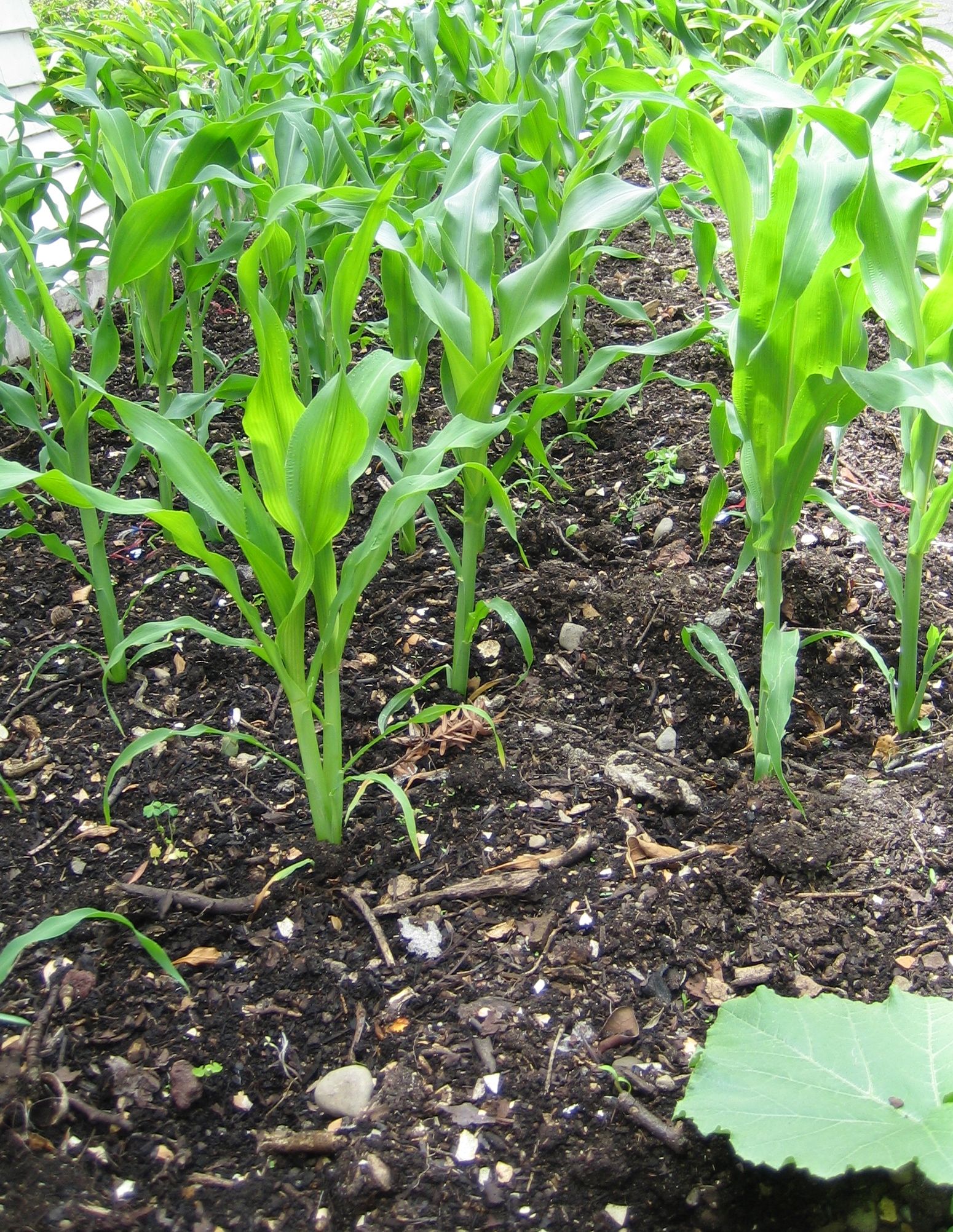
    Late summer this year, we ate corn for a good eight weeks, thanks to the 60 corn plants I grew – & no, I didn’t tire of it, like I do with some gluts. With the last of our fresh corn, I made a bean succotash which also contained the last of our tomatoes:

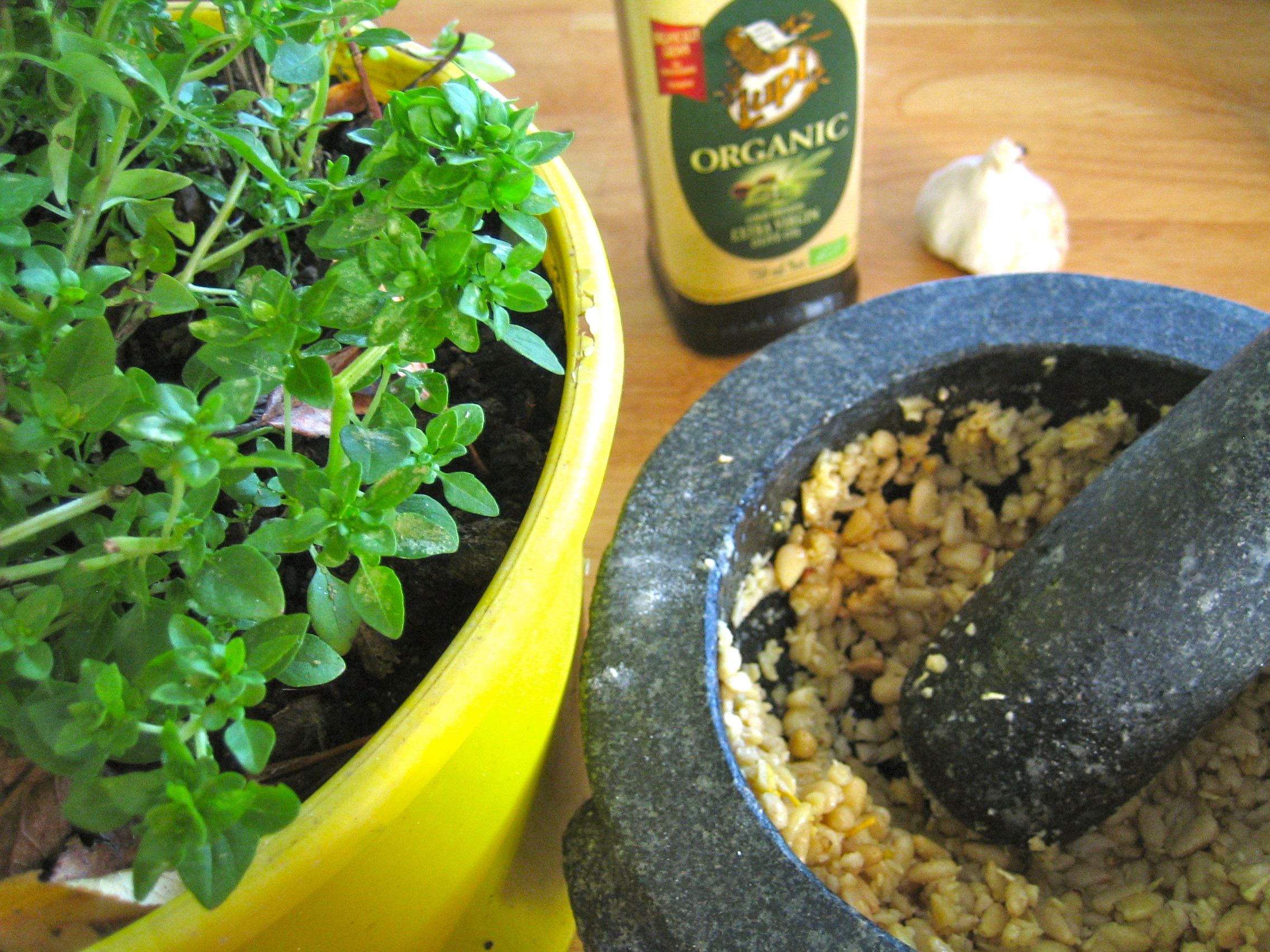
    Also, ‘last’ for the season – I made a ‘pistou’ or paste with the last of our bush basil, some pine-nuts, garlic, olive oil and salt. It’s always a sad day when the last of the basil goes. We ate it on pasta.  I like to grind such things up in my big mortar and pestle, rather than blitzing with an electronic device. It’s calming and meditative to hand-grind.

    (A Wellington friend who has never visited me at home was surprised to learn that I don’t live on a farm – he thought I did from reading my blog. I don’t know if it was just him, or if others have that impression as well – but just to be clear, I live on a very average not-quite quarter-acre section right in the heart of Palmerston North. You can take a girl out of the country, but she’ll bring her small-town/country ways to the city!)

    Anyway, here’s that poem I mentioned, from The Comforter:

    FALL BACK

    Insects everywhere – dead bees in the garden, moths

    stud the bathroom ceiling like dusty ornaments, praying

    mantises crawl out of the compost bucket. The flies.

    The last day of daylight saving. Everyone

    tired and wistful on Sunday. That feeling

    like you lost something all day.

    The last-day-of-summer pasta sauce – made with the last aubergines,

    last cherry tomatoes, the last zucchini. The garden now

    full of fledgling winter vegetables: spindles of cabbage, arrowheads of spinach.

    Manawatu gothic. Even these bright days are tinged

    with a kind of violence. There is a black velvet ribbon

    threaded through your head, collecting debris.

    The last dinner on the dehydrated lawn.

    *

  • In the garden…

    The tomatoes are ripening by the bowlful every day and we are eating lovely pasta sauces and soups which taste of the sun and make me realise how insipid tinned tomatoes are! The chillies are starting to fruit – just in time for the cold of autumn, which will stunt their growth in no time. Every year I try to grow chillies – every year I get about two weeks worth of fruit before the autumn shrivel. You’d think I’d learn, right? Hope springs eternal. One day I’ll build a little glasshouse for year-round chillies.

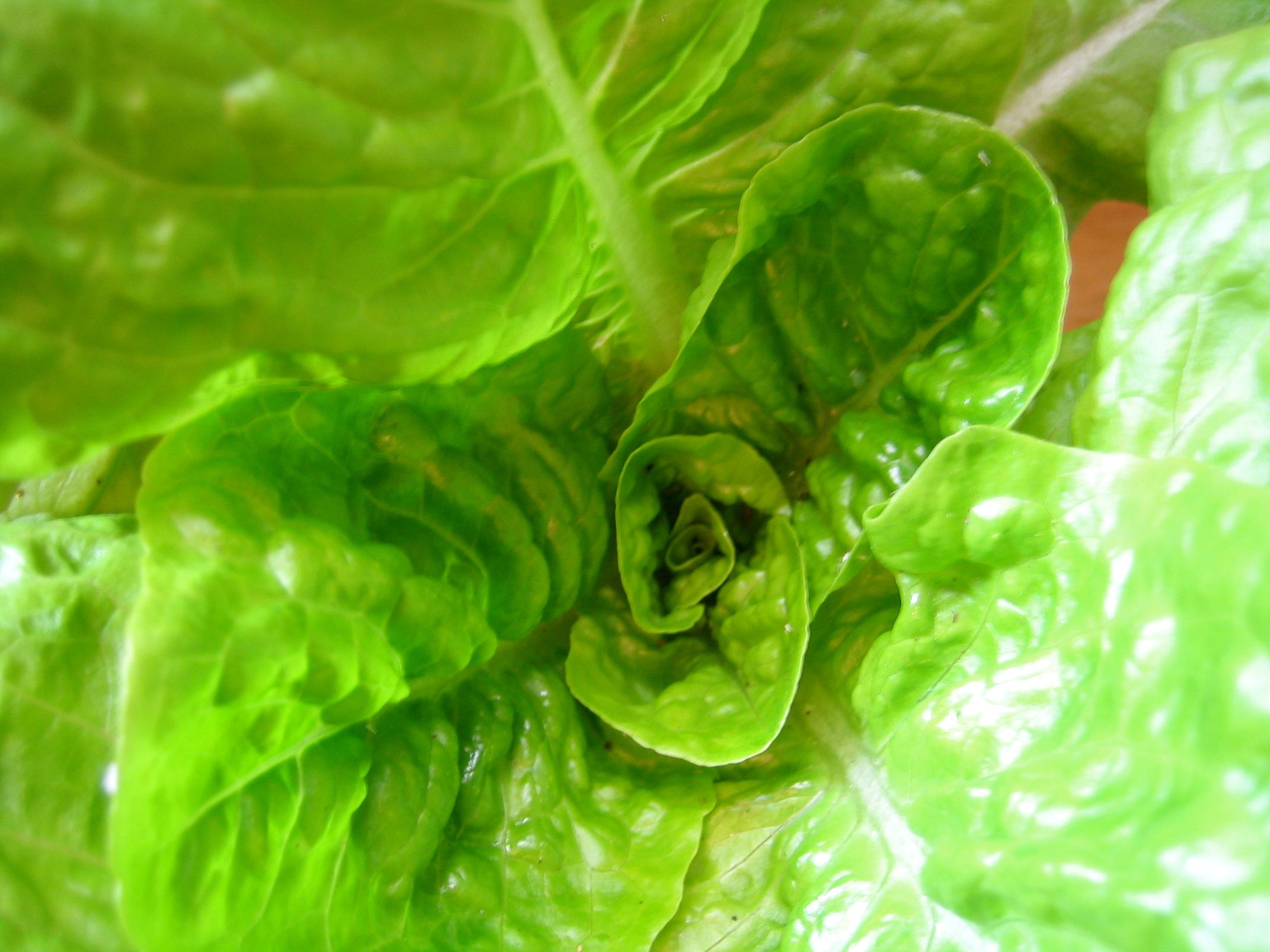
    I love these lush little gem lettuces, so much nicer than ice-berg and I eat one a day. They grow very quickly – from seedling to edible head in about three/four weeks.

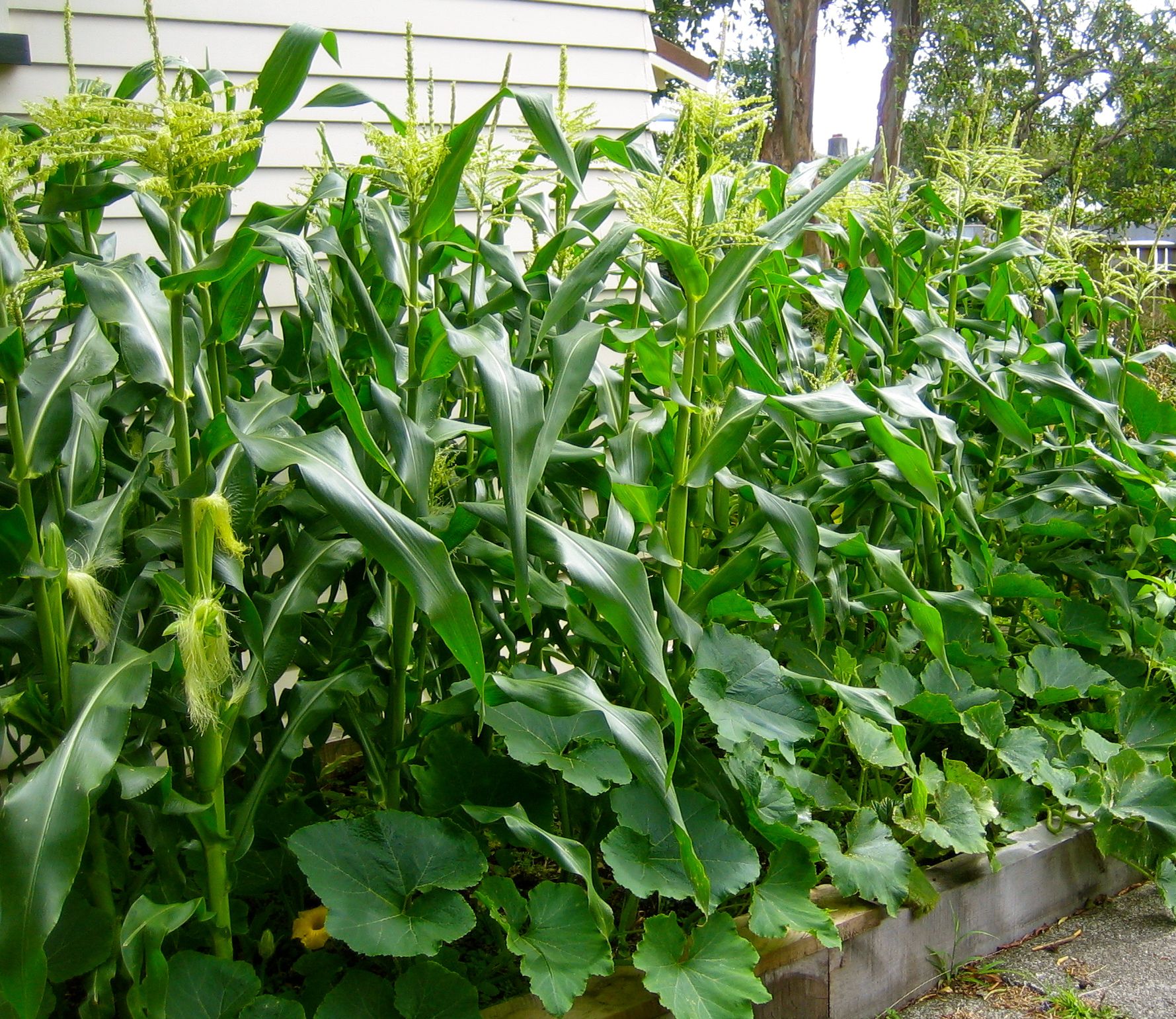
    The corn is nearly there – it seems like only yesterday I was pushing corn seeds into the warm earth…there are lots of pumpkins growing around the corn’s ‘feet’ too – we are going to have an abundant autumn!

    This is going to sound like such a cliche – but I swear, when I started growing my own vegetables, aged around 28 when I had my first baby, time seemed a lot slower and I was aware of my plants growing and can remember waiting patiently for crops to appear.

    Twelve years on, time seems to go a lot faster -I’m not sure if it is because of getting older, or because life is busier – and the seasons romp around. I feel like I turn my back for a second and the garden changes, vegetables appear, or plants die before I realised they were ailing.

  • seed heads

    Often, if a plant isn’t taking up space I need for something else, I’ll let it go to seed. Partly because then it will drop it’s seed everywhere and next year I might get plant babies, and partly because I love seeing what plants do when they go to seed.

    Have you ever let a leek go to seed?

    They grow up and up into a crazy tall spindles, with a Hundertwasser-like turret on the top which eventually explodes open into a purple pom-pom! It’s almost worth letting a few go to seed as temporary garden sculptures:

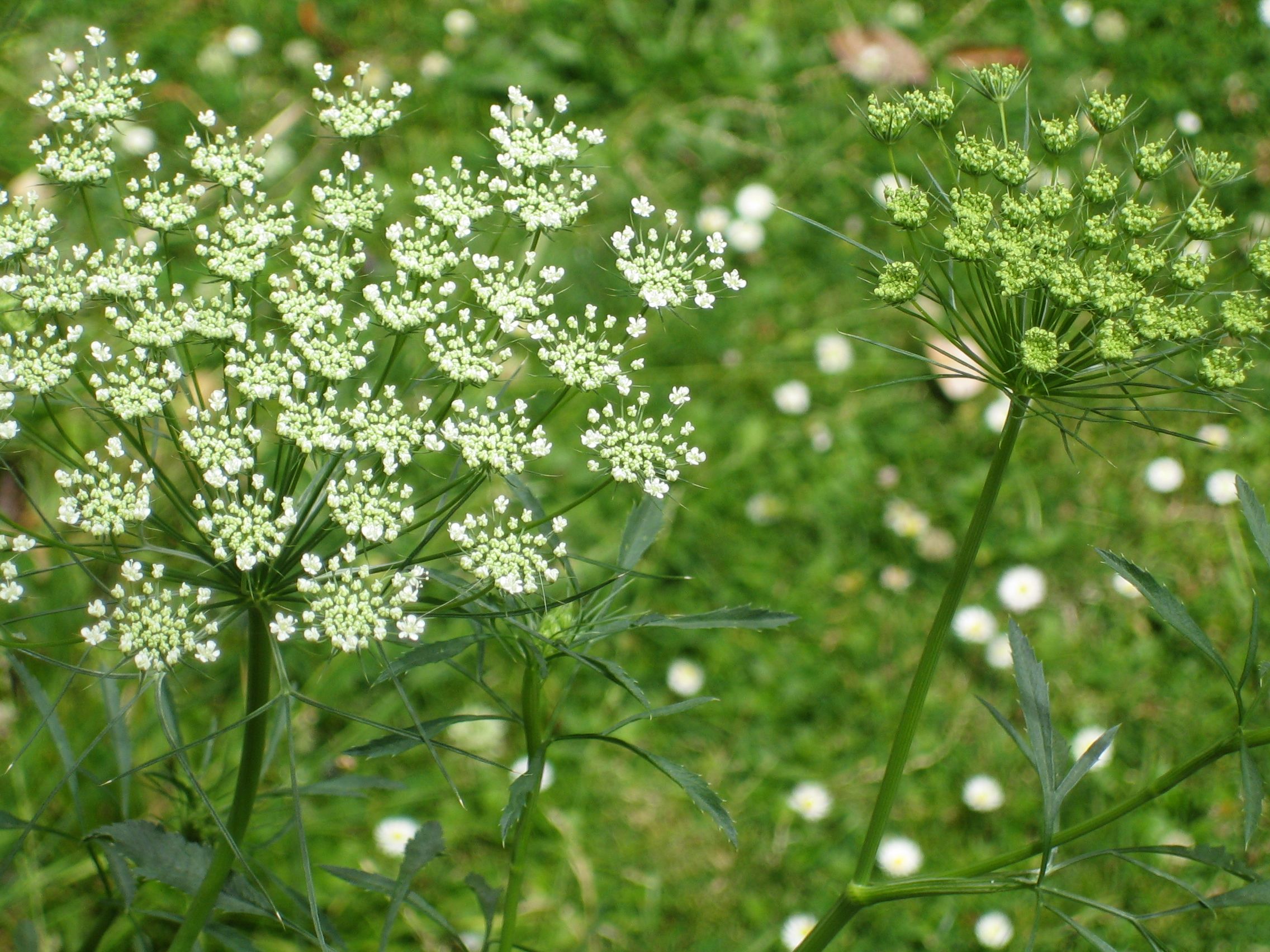
    I also like parsley seed heads. They are pretty and similar to their plant cousins, Cow Parsley which you often see growing on the edges of fields in the countryside, and Queen Anne’s Lace.

    I am somewhat in love with Queen Anne’s Lace and have tried to grow it in my garden this year, but because it prefers to grow in a grassy environment, it isn’t all that happy in my flower beds – it’s a bit droopy and lonely-looking. It is still lovely, though. It’s also known as wild carrot, because the roots are edible. This is the sort of thing I like to know, even though I’ll probably never dig up one to eat the root! Aah, useless esoteric knowledge…

    Seedheads I am not so fond of are dandelion seed heads, because even though they are lovely – everytime one blows in my garden I know it means a lot of weeding….and grass seedheads for the same reason.

  • What the garden was doing at the turn of the new year…

    Happy New Year! I’m starting my year on the blog as I mean to go on – with excessive photographs of plants.

    Here is a snapshot of the garden on January 1 2012.

    There are new peas everyday – they never make it inside because we always eat them right there, standing beside the garden. It is my personal garden snack bar…

    The corn is getting taller…

    The apples we will enjoy in autumn are starting to look like apples, rather than little swollen buds….

    The herb garden is running riot: oregano, marjorum, sage, borage, mint, parsley, chives…

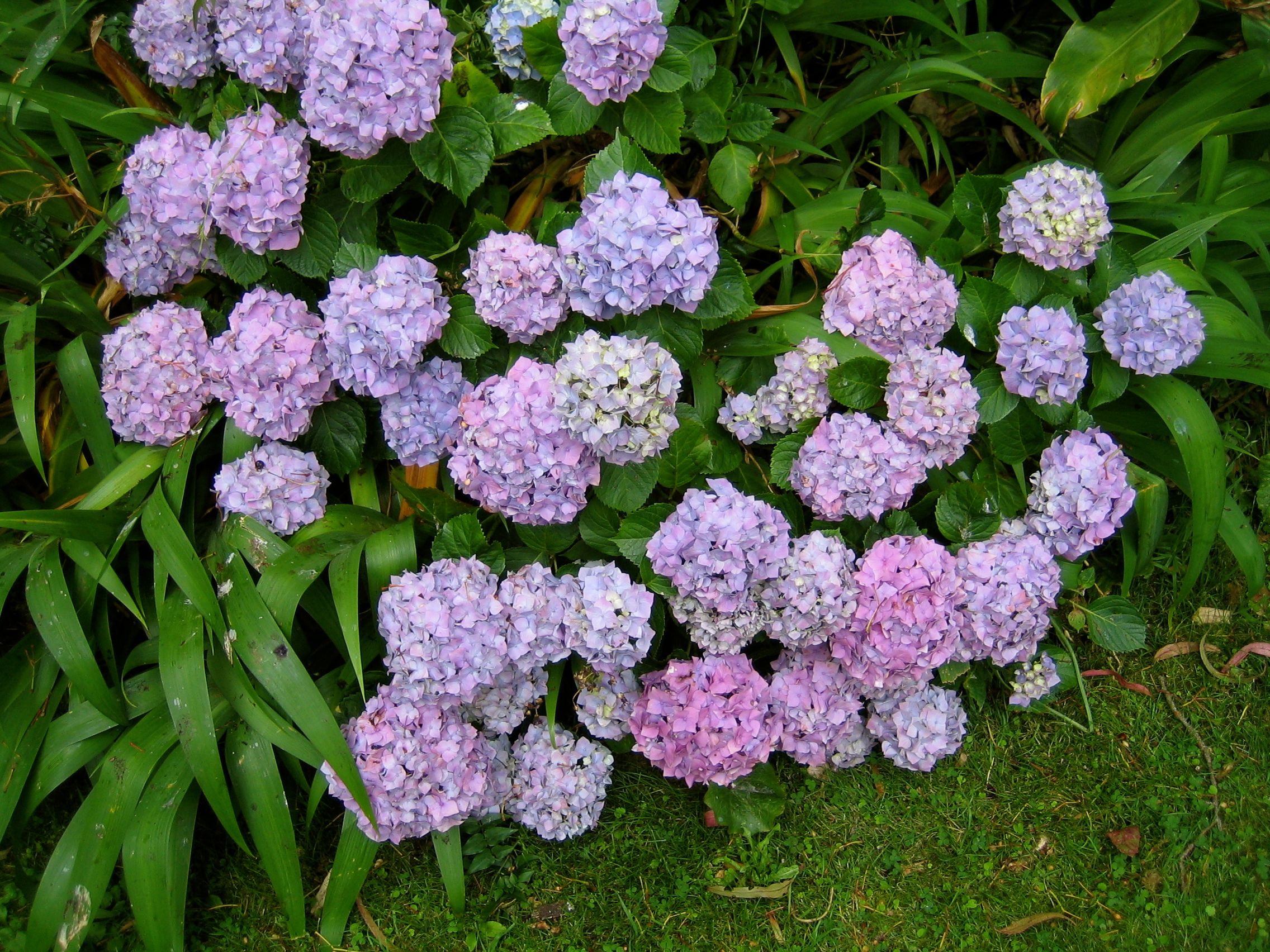
    The hydrangeas are doing their purple-pom-pom thing to the fullest…

    & the poppies continue to pop, then flop…


  • green bean serene

    Summer = season of green.

    Broad beans until we can’t face another broad bean.

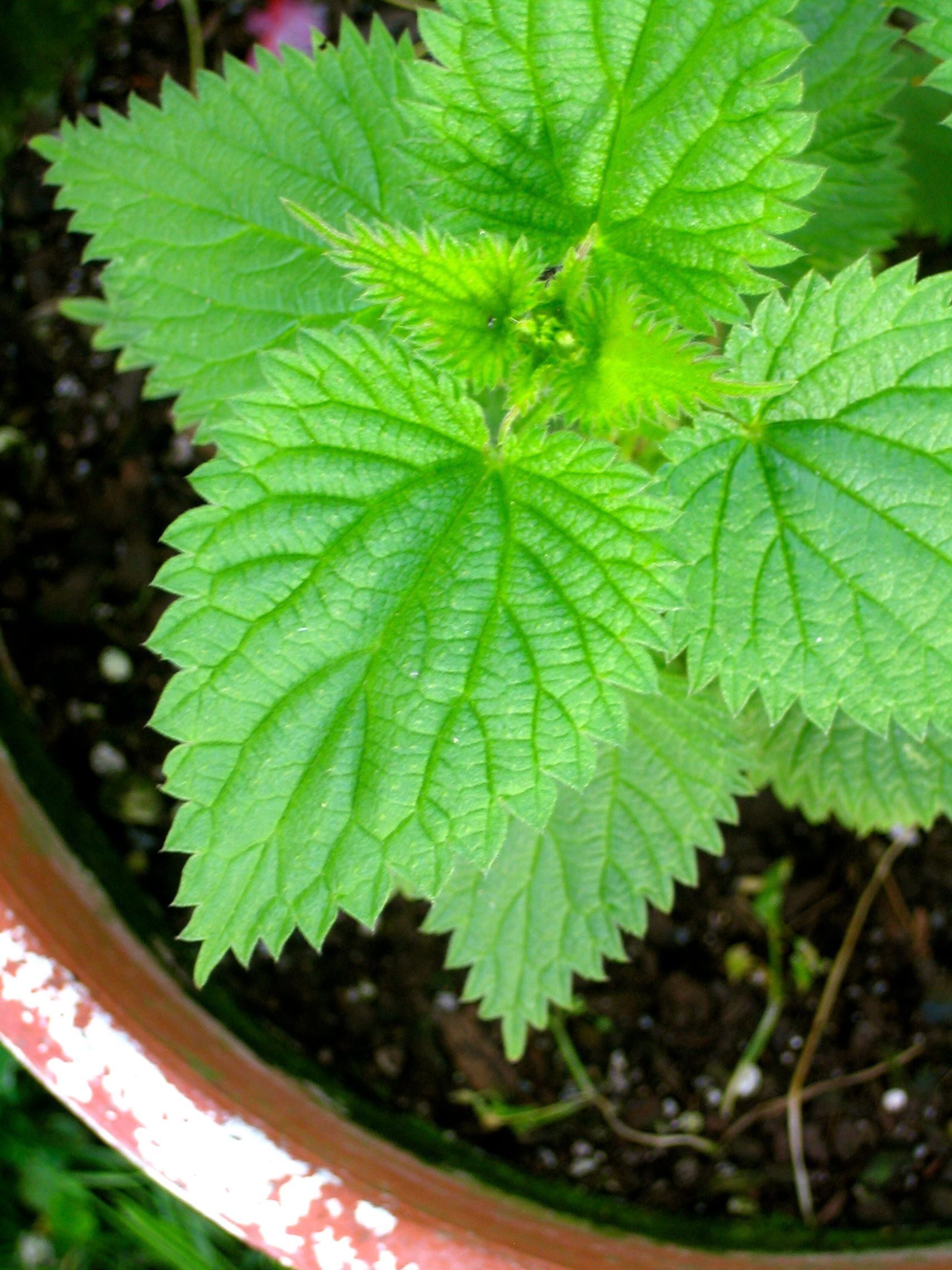
    I divided up my monster stinging nettle plant and now I have baby nettles thriving away. (Anyone local want a nettle plant?) Nettles are a wonder herb and are seriously good for you – very high in iron, it also builds healthy blood cells and clears chest congestion, among other things. It also tastes great in soup – very savoury and iron-rich tasting.

    Green polka dot sundress with my green roman sandals. Welcome in summer, you’ve been a long time coming this year!

  • unexciting gluts

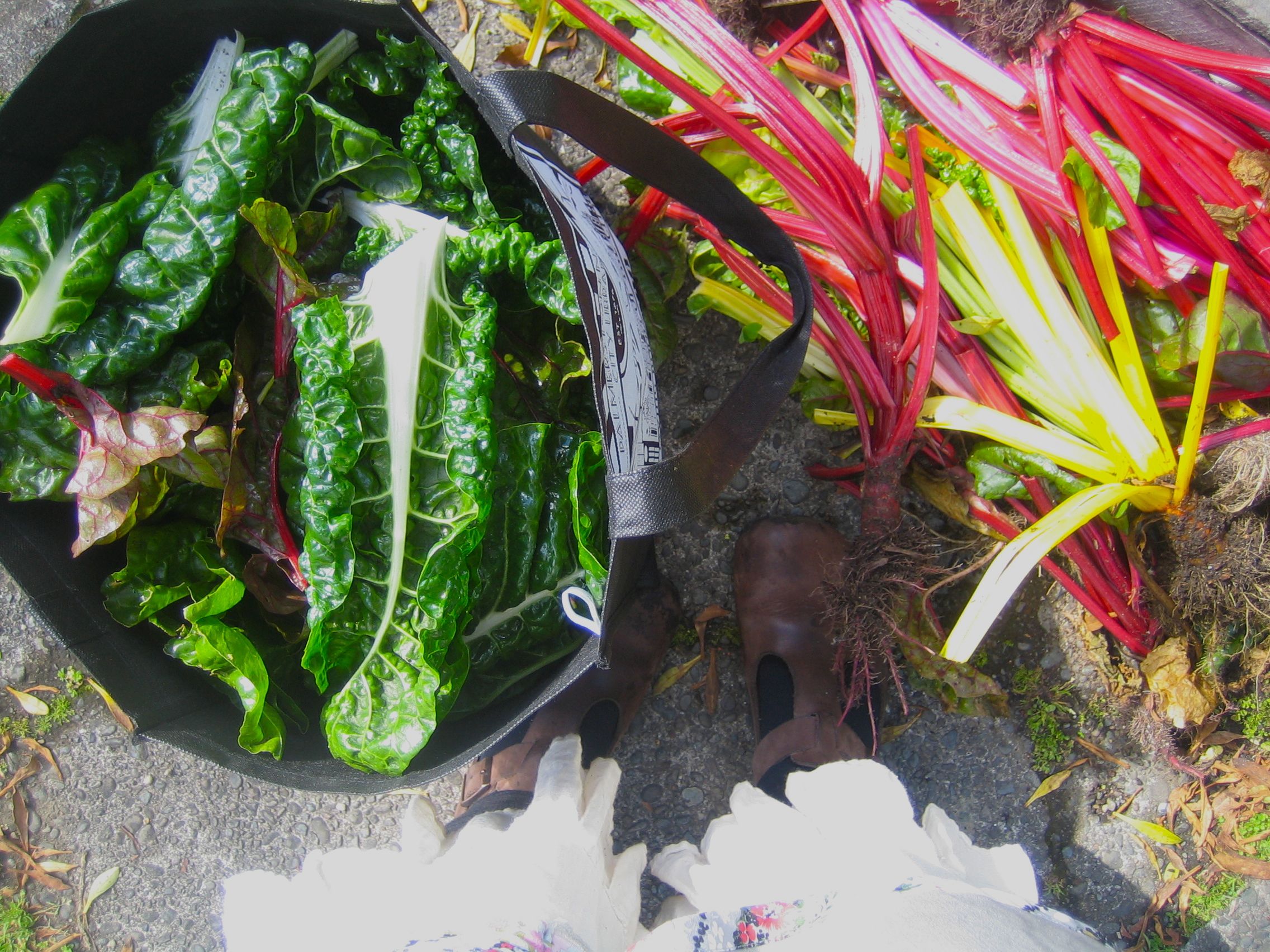
    Sometimes I end up with an unexciting glut in the garden. Recently it was silverbeet.

    A silverbeet glut is not like a tomato glut, or an apple glut – where your friends will get excited and happily take bagsful off your hands or you can make bulk delicious things like ketchup and apple sauce.

    I tried giving away some of my silverbeet and got either screwed-up faces or ‘No thanks, I’ve got lots of my own in the garden.’

    Poor old silverbeet.

    While it does freeze well – in the Manawatu I can grow silverbeet twelve months of the year, so I didn’t feel especially motivated to freeze what I know I will have on hand fresh. However, if you live somewhere with a snowy winter – there is an excellent photo-tutorial of how to prepare greens for freezing over on TEND BLOG HERE.

    I am, however, thrifty to the core and wasn’t going to let it go to waste – so I picked it all. It was a green supermarket bag absolutely chocka. Once cooked down, it was about twelve cups. That’s a lot of silverbeet.

    I love silverbeet, but it does have a strong iron flavour – so I thought, right, I’ll do something with it which will temper the iron flavour.

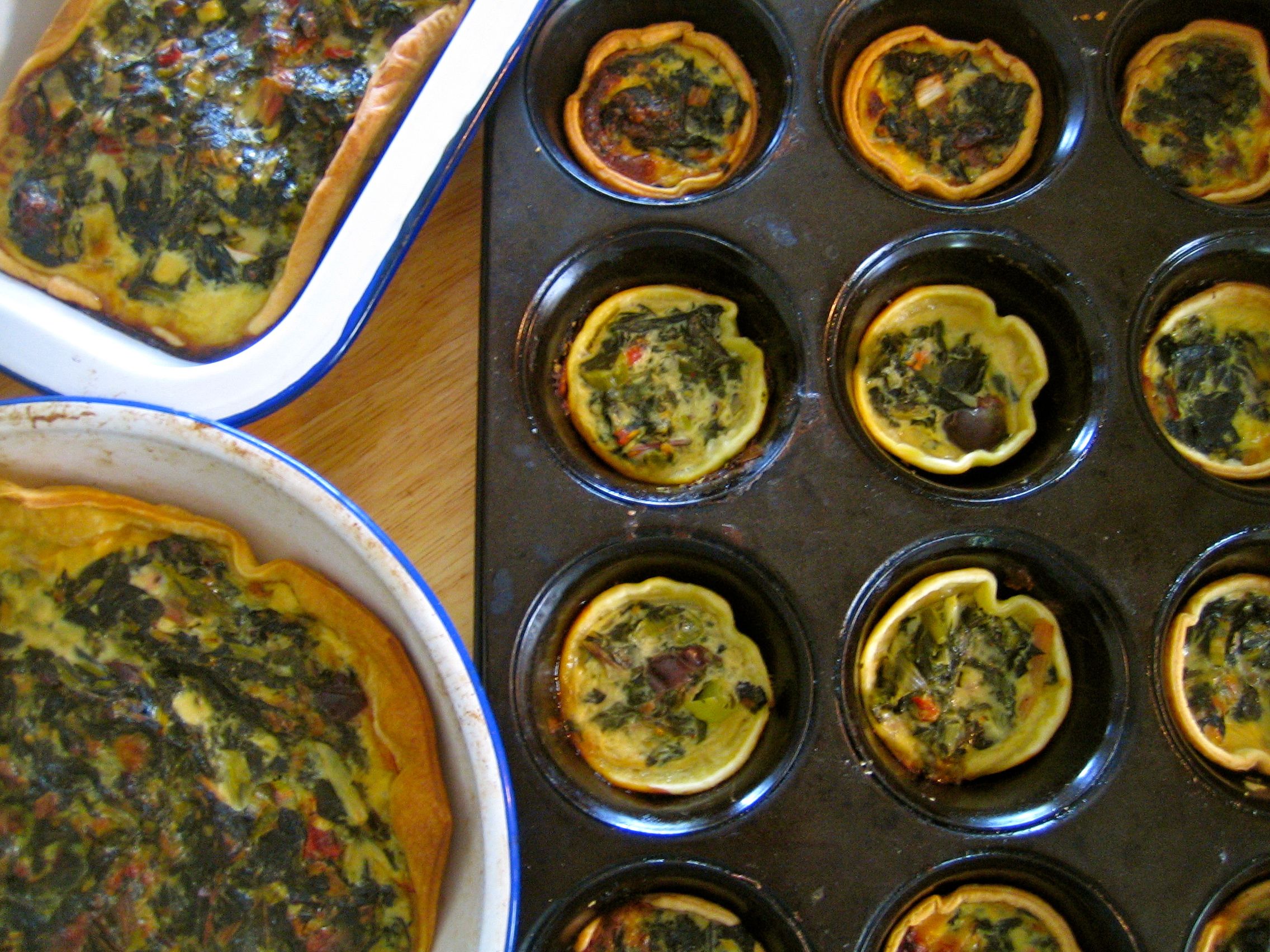
    I made a huge mixture of egg, strong cheese, fried onions, chopped olives and chopped sundried tomatoes – I figured the cheese and olives would be a good accompaniment to the strong flavour of the silverbeet. Then I made pies. And pies. And some more pies.

    I made four full sized pies and two dozen mini-pies. We ate one that day, and the rest I wrapped and  froze. The mini-pies have been great for taking to work for lunches.

    & that is the story of the great silverbeet glut of ’11.