Category: simple pleasures

  • i am back in town – do you hear me

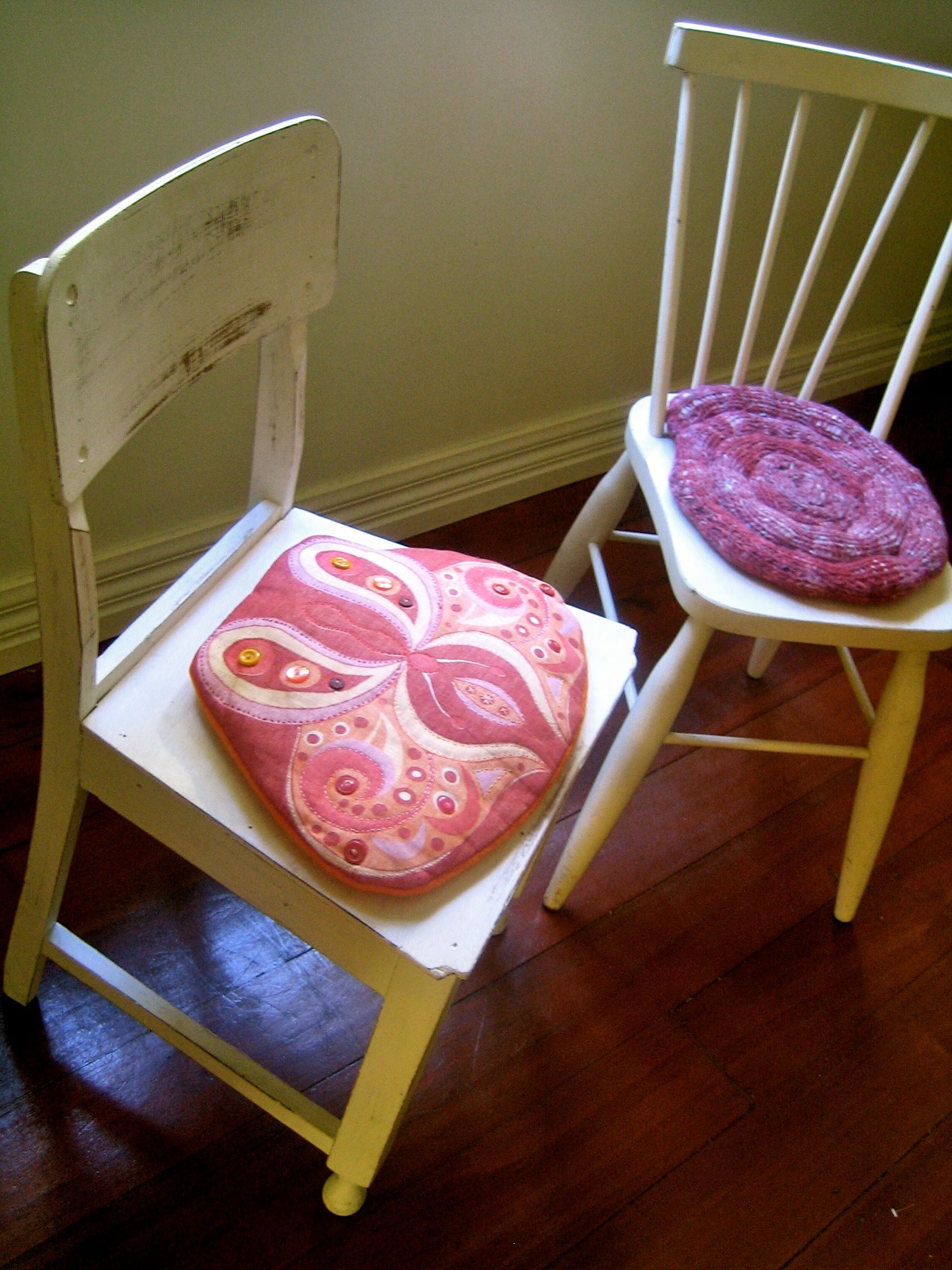
    The new chair sits next to the older chair and it looks like they are having a conversation. (Maybe I have been reading THIS book too much?)

    *

    I find this slid under my door. How intriguing!

    Except it isn’t. It turns out to be from a religious zealot, just letting me know if I don’t confess my sins I will burn in hell forever.

    How much more interesting if it had been from an old friend who wanted my attention….or a musician who really, really wanted me to come to his gig….or anything else, really. Still, great title!

    *

    When I took the kids to the museum, I experienced what I would look like with skinny legs in the hall of mirrors. I stood lookiing at my illusory skinny legs for far too long:

    *

    Then I became a giant on the new Museum carpet:

    *

    Finally, with the colder weather – the monsters return for hibernation. They leave their feet at our back door:

  • the last

    I write about the seasons a lot, don’t I? I can’t help it. I grew up in a small town in the middle of farmland – my Dad was (still is) a hunter and fisherman and so we ate with the seasons and the seasons were meaningful in a way they may not be for city-folks. Most of my friends lived on farms, so the drying off of cows marked the start of winter, new lambs heralded spring. Because I do write about the seasons so much, the editor of The Comforter, Helen Rickerby, organised the book into seasonal parts. I still can’t believe it didn’t occur to me to do that – but that’s why you need a good editor, right? To show you things which are right under your nose but you can’t see because you are over-exposed to your own work.

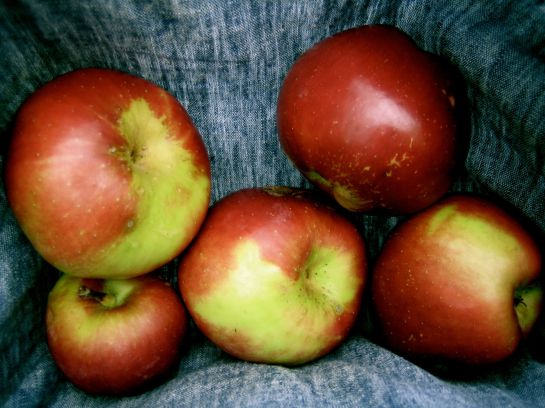
    Anyhow, of all the seasons, autumn is my favourite. The harvest, the golden days with cold edges, the sense of melancholy. Garden fires, washing the woolens which have been in storage since September, quinces, feijoas, walnuts…picking apples – we have two apple trees at our place:
    In my book, there is a poem about the beginning of autumn, the final day of daylight saving. There is a point at the end of summer/early autumn, if you are a gardener and eat seasonally, like we do, where you know it is likely to be the ‘last’ time you taste that particular thing for some time. That final meal has autumnal melancholy all over it – it’s a farewell to summer. In the poem, ‘the last’ has a deeper resonance – because of my beliefs about the environment, I feel that anything could be our ‘last’ time, because our existence on this ailing earth is so precarious right now, and growing more so.

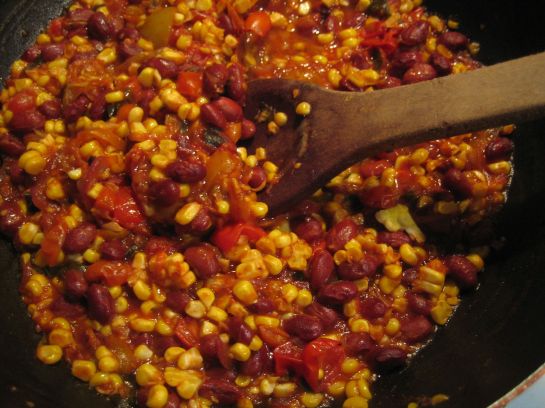
    Late summer this year, we ate corn for a good eight weeks, thanks to the 60 corn plants I grew – & no, I didn’t tire of it, like I do with some gluts. With the last of our fresh corn, I made a bean succotash which also contained the last of our tomatoes:
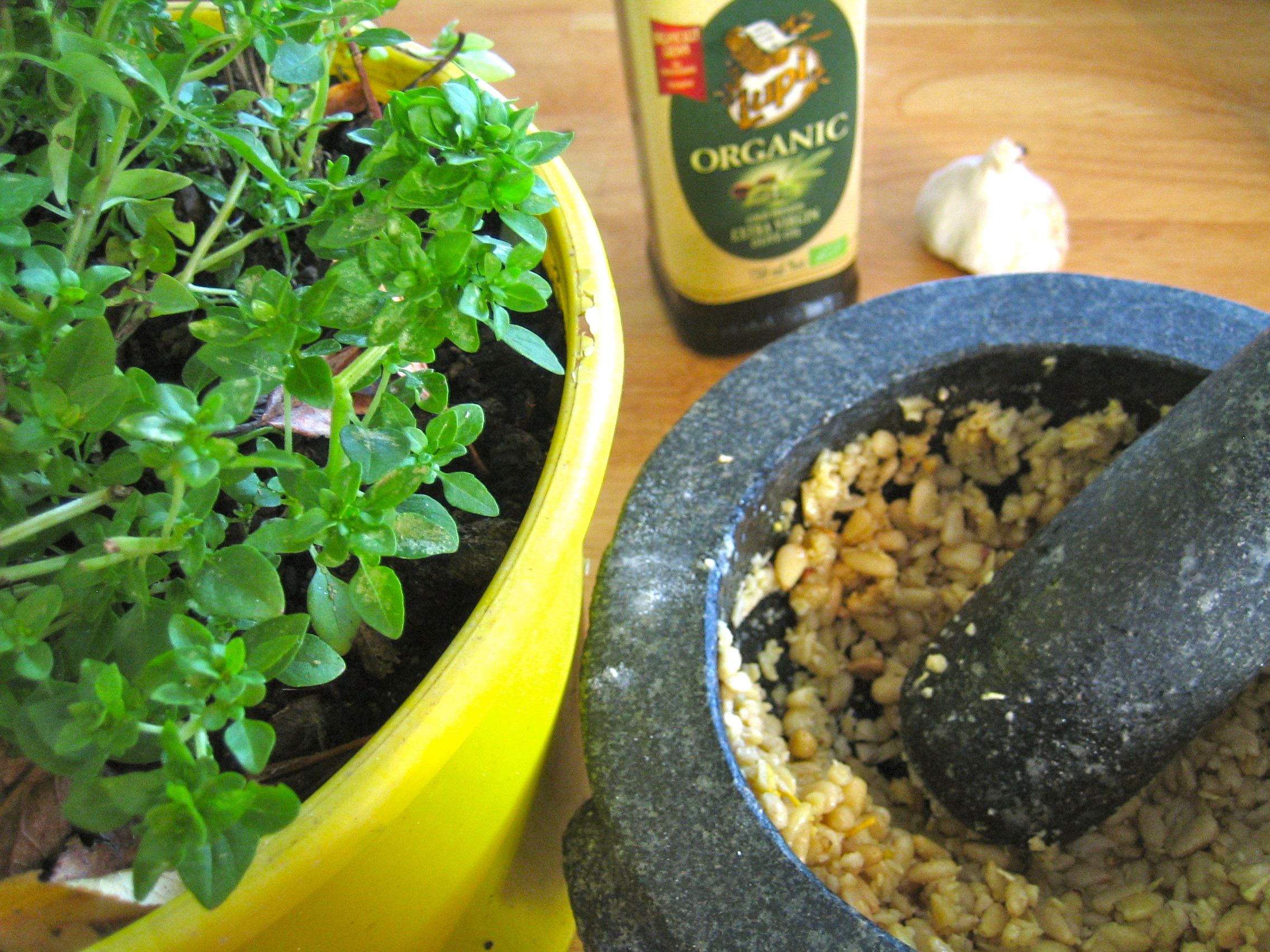
    Also, ‘last’ for the season – I made a ‘pistou’ or paste with the last of our bush basil, some pine-nuts, garlic, olive oil and salt. It’s always a sad day when the last of the basil goes. We ate it on pasta.  I like to grind such things up in my big mortar and pestle, rather than blitzing with an electronic device. It’s calming and meditative to hand-grind.

    (A Wellington friend who has never visited me at home was surprised to learn that I don’t live on a farm – he thought I did from reading my blog. I don’t know if it was just him, or if others have that impression as well – but just to be clear, I live on a very average not-quite quarter-acre section right in the heart of Palmerston North. You can take a girl out of the country, but she’ll bring her small-town/country ways to the city!)

    Anyway, here’s that poem I mentioned, from The Comforter:

    FALL BACK

    Insects everywhere – dead bees in the garden, moths

    stud the bathroom ceiling like dusty ornaments, praying

    mantises crawl out of the compost bucket. The flies.

    The last day of daylight saving. Everyone

    tired and wistful on Sunday. That feeling

    like you lost something all day.

    The last-day-of-summer pasta sauce – made with the last aubergines,

    last cherry tomatoes, the last zucchini. The garden now

    full of fledgling winter vegetables: spindles of cabbage, arrowheads of spinach.

    Manawatu gothic. Even these bright days are tinged

    with a kind of violence. There is a black velvet ribbon

    threaded through your head, collecting debris.

    The last dinner on the dehydrated lawn.

    *
  • golden sunflowers inside

    I didn’t have much luck with sunflowers last summer – I planted a whole packet in the corn bed but only three came all the way up and one of those got blown over and snapped in a storm.

    Still, the two that made it were glorious in the way that sunflowers are.

    There’s nothing like a sunflower to be a measure of spring/summer/autumn…green and growing up, up, up all through spring and most of summer….then finally the flower head opens and never fails to impress – such a heavy head, such a strong stalk…then you know autumn is here when the petals fall and the seeds start to dry on the head.

    Sunflower’s point-of-view…chasing that sun:

    A bee visits:

    I love Allen Ginsberg’s ‘Sunflower Sutra’ (I nearly chose this excerpt to go at the front of my book, but then I changed my mind at the last minute and felt the other one summed up the book more) – if you care to, you can read the whole thing HERE, there are also great clips on youtube of Allen Ginsberg reading the poem, otherwise here is my favourite part of the poem, which I repeat to myself like a mantra in challenging times:

    ‘We’re not our skin of grime, we’re not our dread

    bleak dusty imageless locomotive, we’re all

    beautiful golden sunflowers inside, we’re blessed

    by our own seed & golden hairy naked

    accomplishment.’

  • This is not a gratuitous cute kitten photograph…

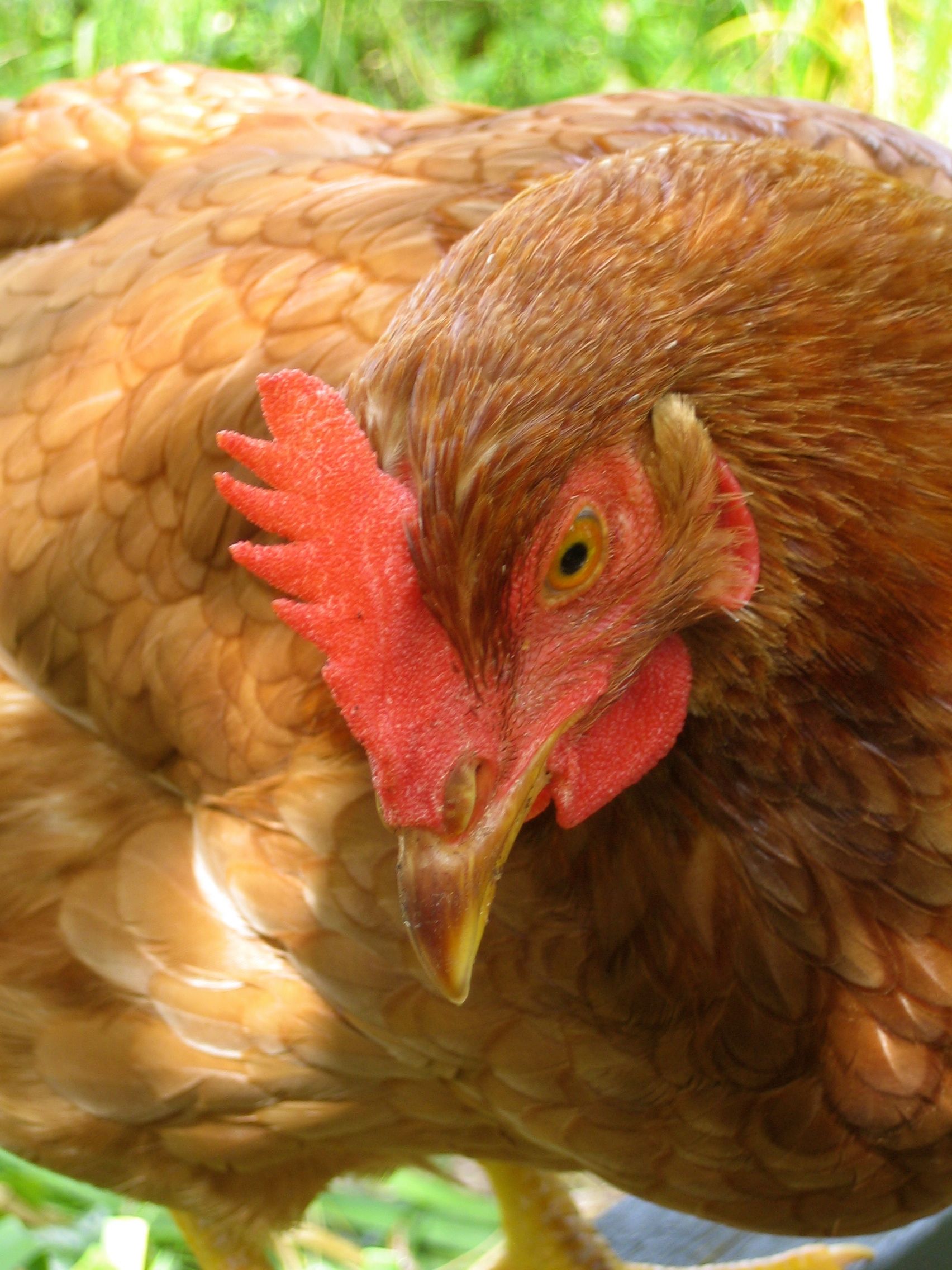
    it’s a cute chicken photo, instead.

    This is Cockatrice – one of our hens. She is the leader of the pack, top of the pecking order and frankly, the brains of the bunch. She was also a quick developer – the first to grow her full comb and to start laying eggs.

    Cockatrice is intelligent, adventurous, nosey and demanding. She seems to be much more aware of us and interested in interacting with us than the other three chickens. She’s one of those animals who verges on being creepy, because you feel like she is way more sentient than she should be.

    (A Cockatrice is a mythological creature which is half-chicken, half-dragon. Willoughby, our resident dragon-lover, named her. She is his chicken.)

    My hen, Harriet, and Fraser’s hen, Hildegaard are bog-standard chickens. They are cute and charming, but don’t have the personality and boundary-pushing behaviour of Cockatrice.

    Magnus’s hen, Syndrome (named after the baddie in the movie The Incredibles) is a silly chook. She’s not very bright. She gets stuck, gets lost and gets easily confused.

    I swear Cockatrice knew what I was doing when I did this photoshoot with her – she stood patiently, stock-still in various poses, like a chicken supermodel.

  • leaf water stone sky

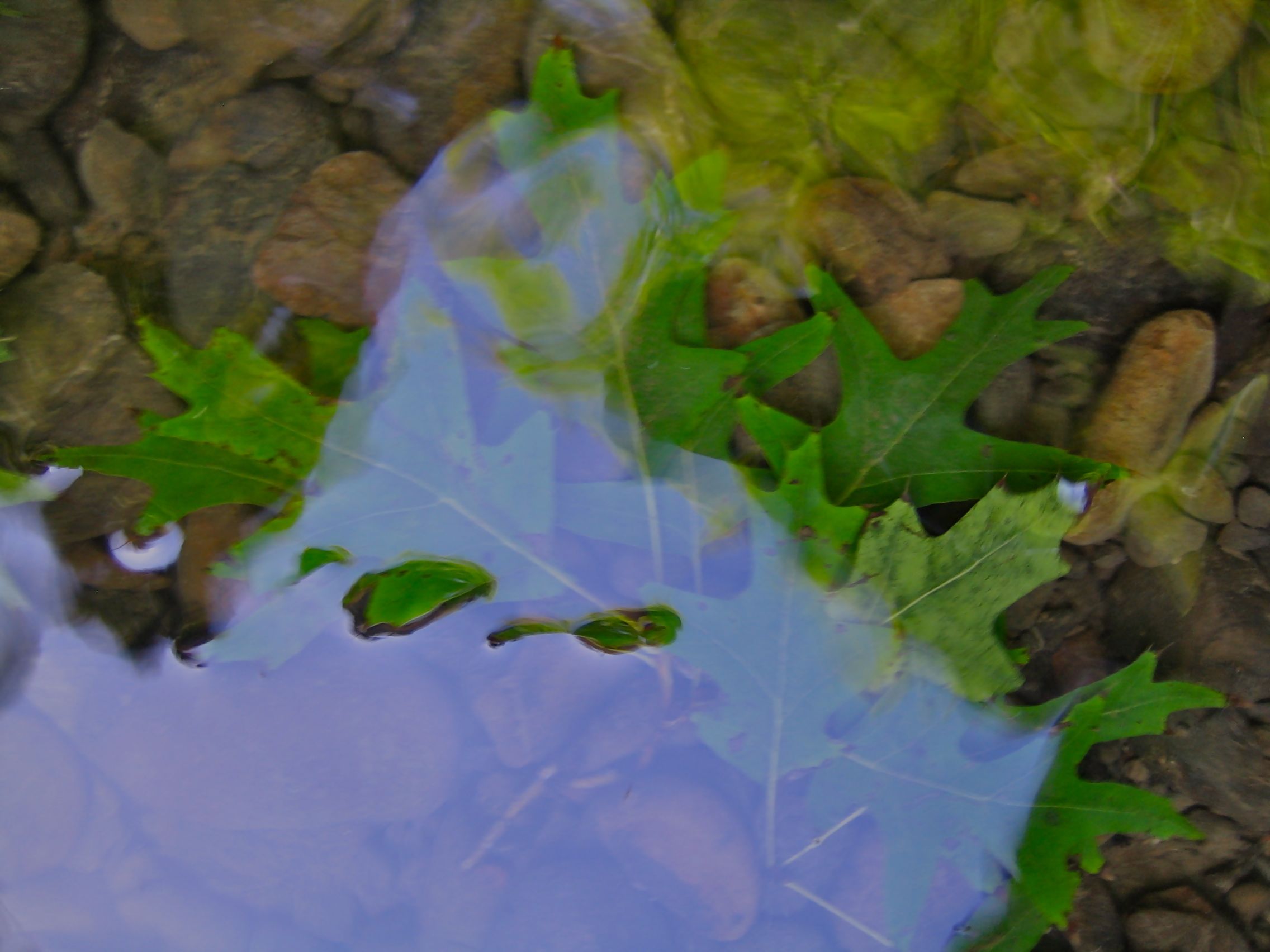
    I visited the creek.

    The stones hosted the leaves.

    The leaves bathed in the water.

    The water held the sky.

  • green bean serene

    Summer = season of green.

    Broad beans until we can’t face another broad bean.

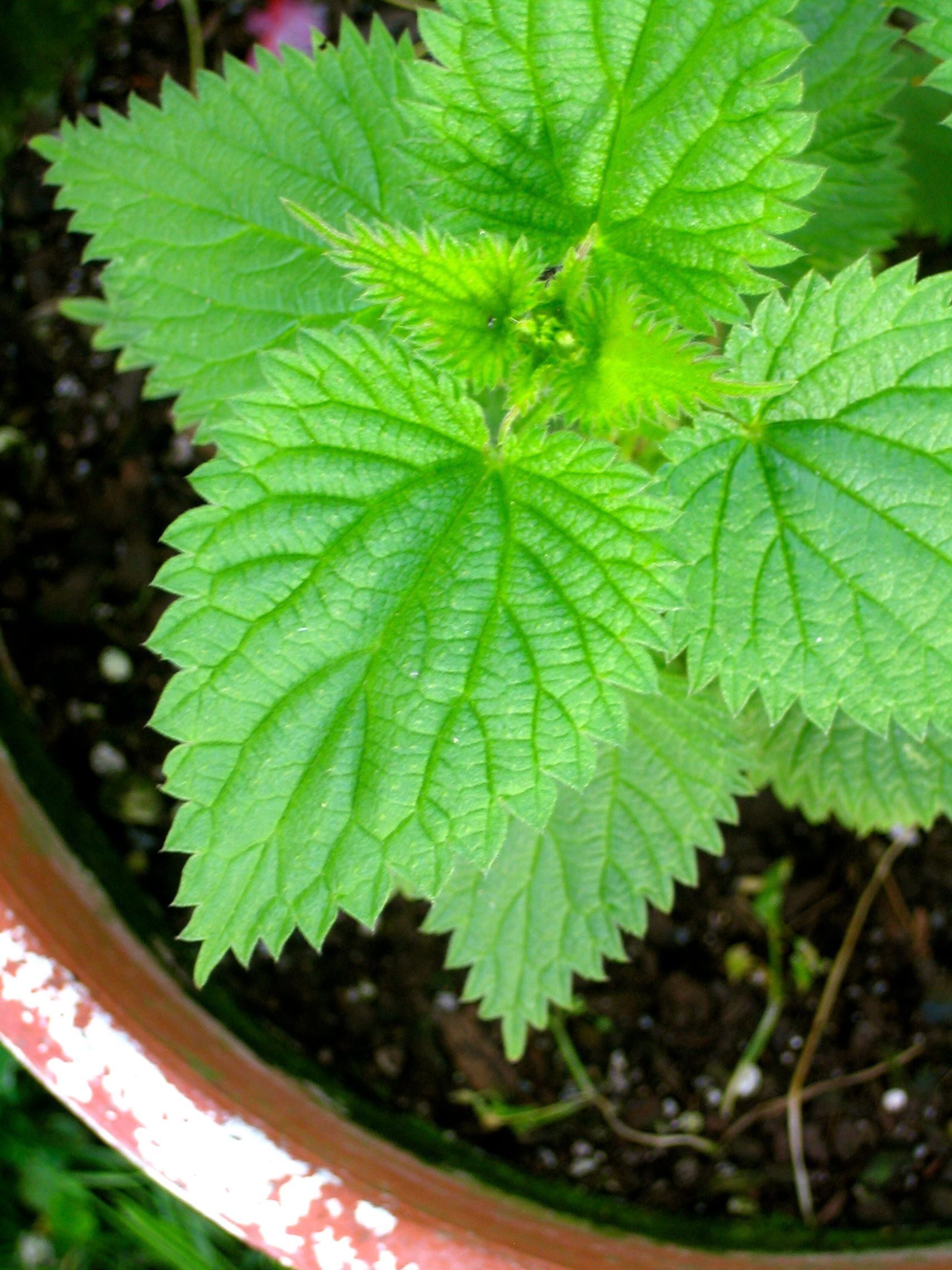
    I divided up my monster stinging nettle plant and now I have baby nettles thriving away. (Anyone local want a nettle plant?) Nettles are a wonder herb and are seriously good for you – very high in iron, it also builds healthy blood cells and clears chest congestion, among other things. It also tastes great in soup – very savoury and iron-rich tasting.

    Green polka dot sundress with my green roman sandals. Welcome in summer, you’ve been a long time coming this year!

  • lean in

    I went to the Pohangina valley.

    Clean spring green.

    PIcked up heart shaped rocks.

    Picked up broken glass.

    Picked up.

    They were throwing stones in the water. I walked away from the splashing.

    I walked past the Friday night fire pits, the Woodstock cans and pizza boxes.

    The trees along the bank were just flowering.

    I thought the trees were thrumming with their flowering, thought I could hear the flowers.

    Then I leaned in and it was bees. Trees were thick with bees.

    The bees sounded like effort and essence, it was a vital sound.

    Bee frequency. Bee transmission.

    I closed my eyes. I leaned in. I could smell new vegetation. Clean growth.

    The trees told me. The bees showed.


  • the poppies live on

    A few years ago, I rescued a whole lot of plants from a garden in my old neighbourhood which was about to be demolished.

    When I moved to my new house, just over a year ago, I was careful to shift a lot of the tiny poppy baby plants from the legacy of that garden-save. (At the time, with a whole household to move, faffing about digging up tiny seedlings seemed kind of mad – but I now I am glad I took the trouble to do it!) I am happy to report they are doing well, and doing what poppies do in their second year, which is ‘pop’ up in all kinds of places which are often not garden beds.

    As well as the red poppies from the old house, this year I also planted big pink poppies. Alas, on the verge of flowering magnificently – they got blown over in last week’s winds. I will leave them in anyway, in the hope they still go to seed, so I can at least have them next year.

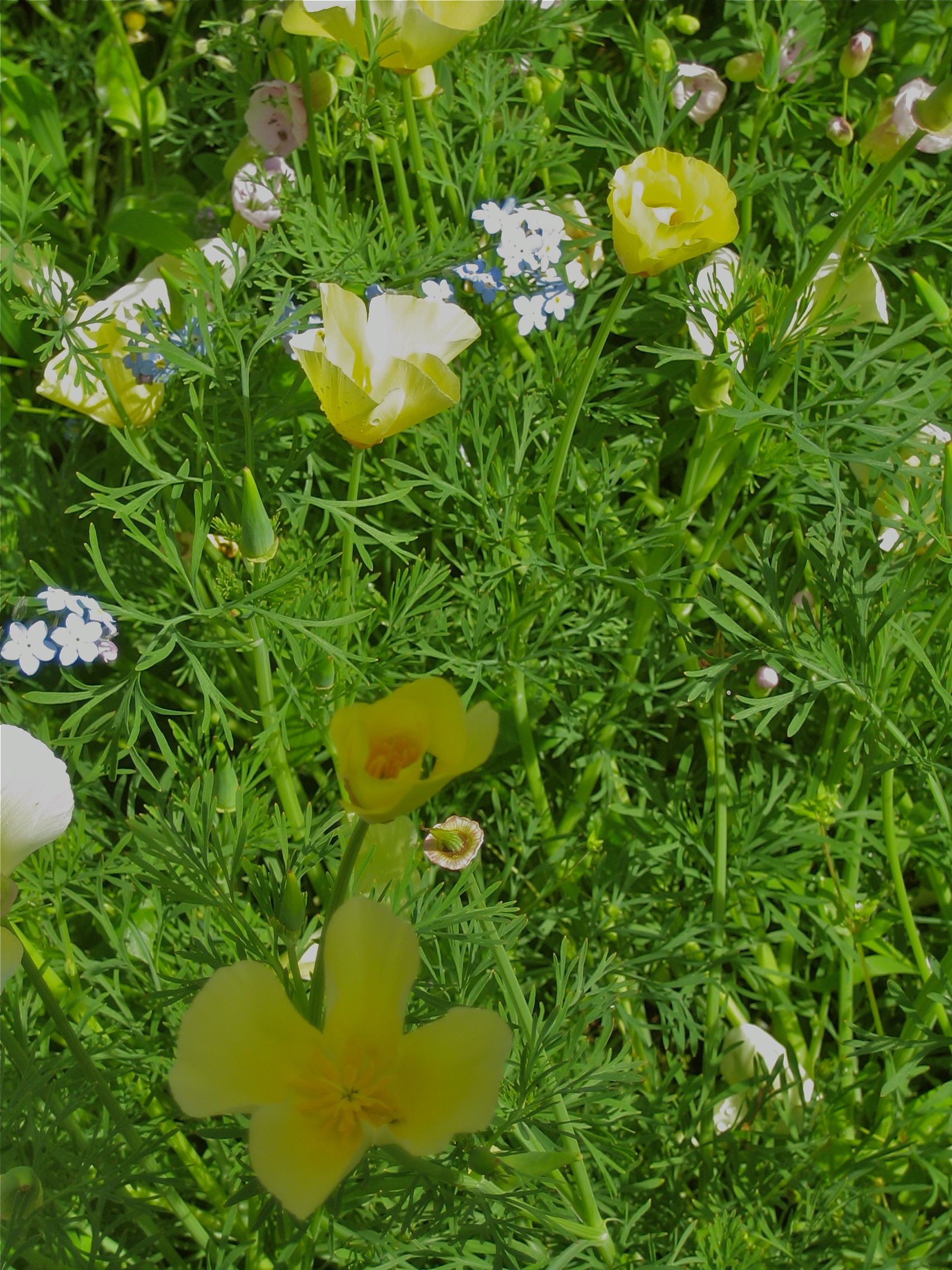
    (Photo one above is the pink poppies about to pop. Photos two and three are rununculas, in lieu of the (now horizontal) pink poppies. The rununculas are being the pink poppies ‘stand-in’ for this post – lol.

    I also planted yellow californian poppies. These are lovely, elegant plants. In New Zealand you often see them around lakes and rivers. There are lots of bright orange ones around Lake Taupo, for example.

    As well as poppies, I’m planting as many self-seeding flowers as possible so that after a few years, I will have a low-labour, self-sustaining flower garden.

    Viva la poppies!

  • peel the beet

    The garden is warming up to the point that some of the things which have been in it over the winter are starting to bolt.

    I harvested my beetroots the other day, as they’d been in there since autumn. Time to pick them to make room for some more exciting summer vegetable.

    Beetroots are great to have in the garden over winter because while they are growing you can pick the leaves off them and eat them as you would spinach. So by the time you come to harvest the roots, you’ve had months of greens off them as well – making them a very generous plant.

    People think beetroot is messy to prepare, but I’ve worked out that by doing it the following way – there is not a stain anywhere. Not even on my hands.

    Ignore all the recipe books which tell you that they are too hard to peel raw and that you should cook then peel. Cooking then peeling = MESS! & They are no harder to peel raw than a potato.

    Of course you don’t have to cook them – you can eat them raw, but I prefer them cooked as I’m not a huge fan of their uncooked dirt-like flavour.

    Helen’s No-Stain No-fuss Beetroot Preparation Method

    1. Fill the sink with warm water.

    2. Chop the leaves off the beetroots. Keep the tender leaves for eating, (leaves not in this recipe, put them in your fridge and eat them later!) discard the rougher ones.

    3. Throw the beetroots into the warm water. Using a potato peeler, peel the beetroots UNDER THE WATER. Check it out! No stains on your hands. Awesome.

    4. Cut the wet beetroots into appealing chunks. Throw into a pot.

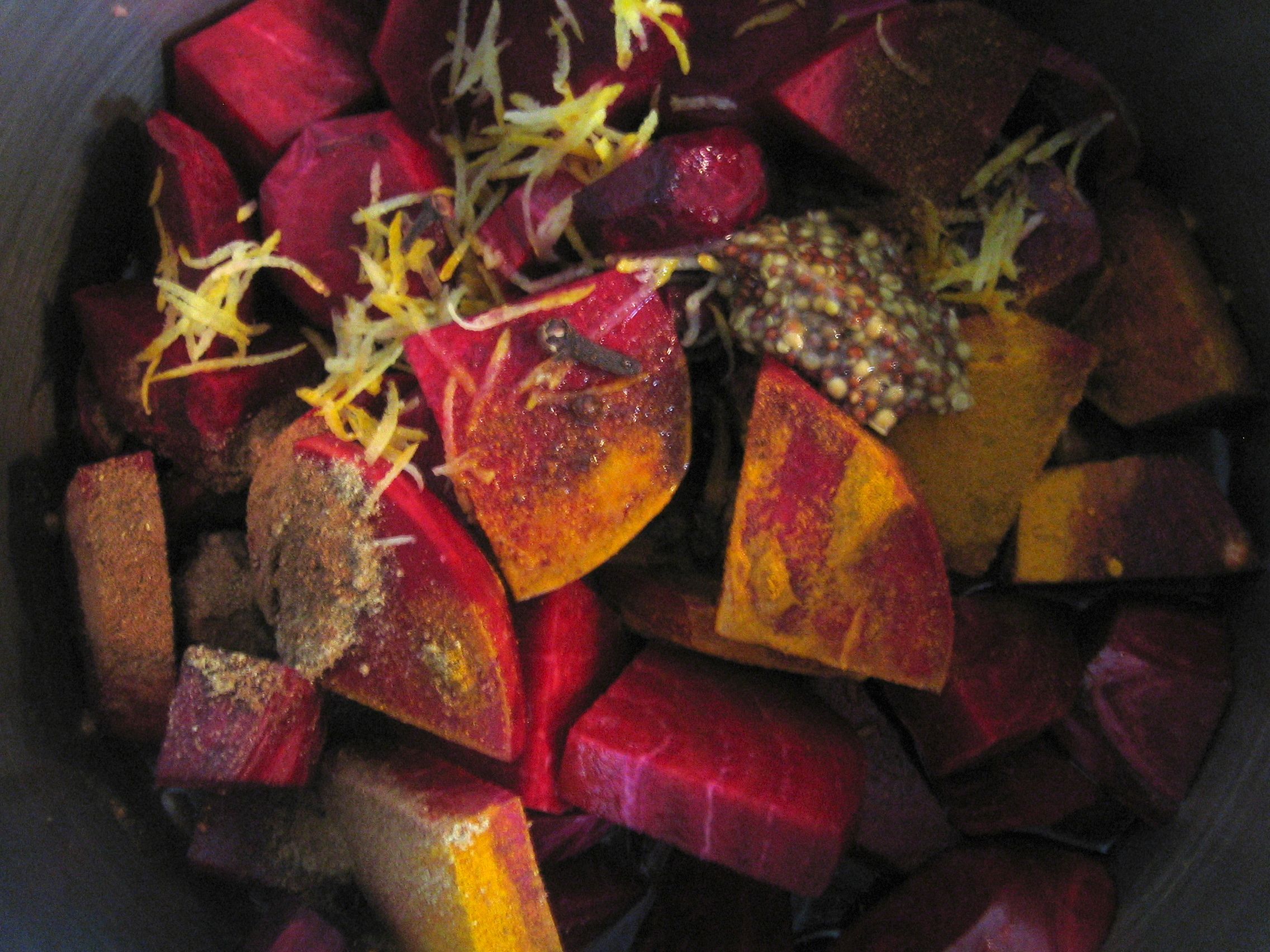
    5. Fill the pot with 1/3 vinegar (I use white or cider), 2/3rds water, a teaspoon of salt and the spices of your choice. Because the beetroot is so plain and earthy tasting, I like to use strong flavours like a bit of curry powder, lemon zest, cloves and wholeseed mustard.

    6. Boil until the beetroots are just tender. Cool. Eat! They are great added to salads, sandwiches or just as a side-dish by themselves.

    (Because they are cooked in vinegar, what you don’t eat right away can be stored in the fridge in a container with a lid and will last a couple of weeks.)

    & Super-thrifty tip: when you have finished eating your beetroots, the juice can be used as a natural dye for cotton or wool or a food-colouring replacement for baking (you only need a drop or two, so the vinegar-taste won’t appear in your baking.)

    So there you go – that’s what I do with my beetroot! How do you like to eat beets?

    …& the beet goes on…(groan)…

  • keeping the prunings

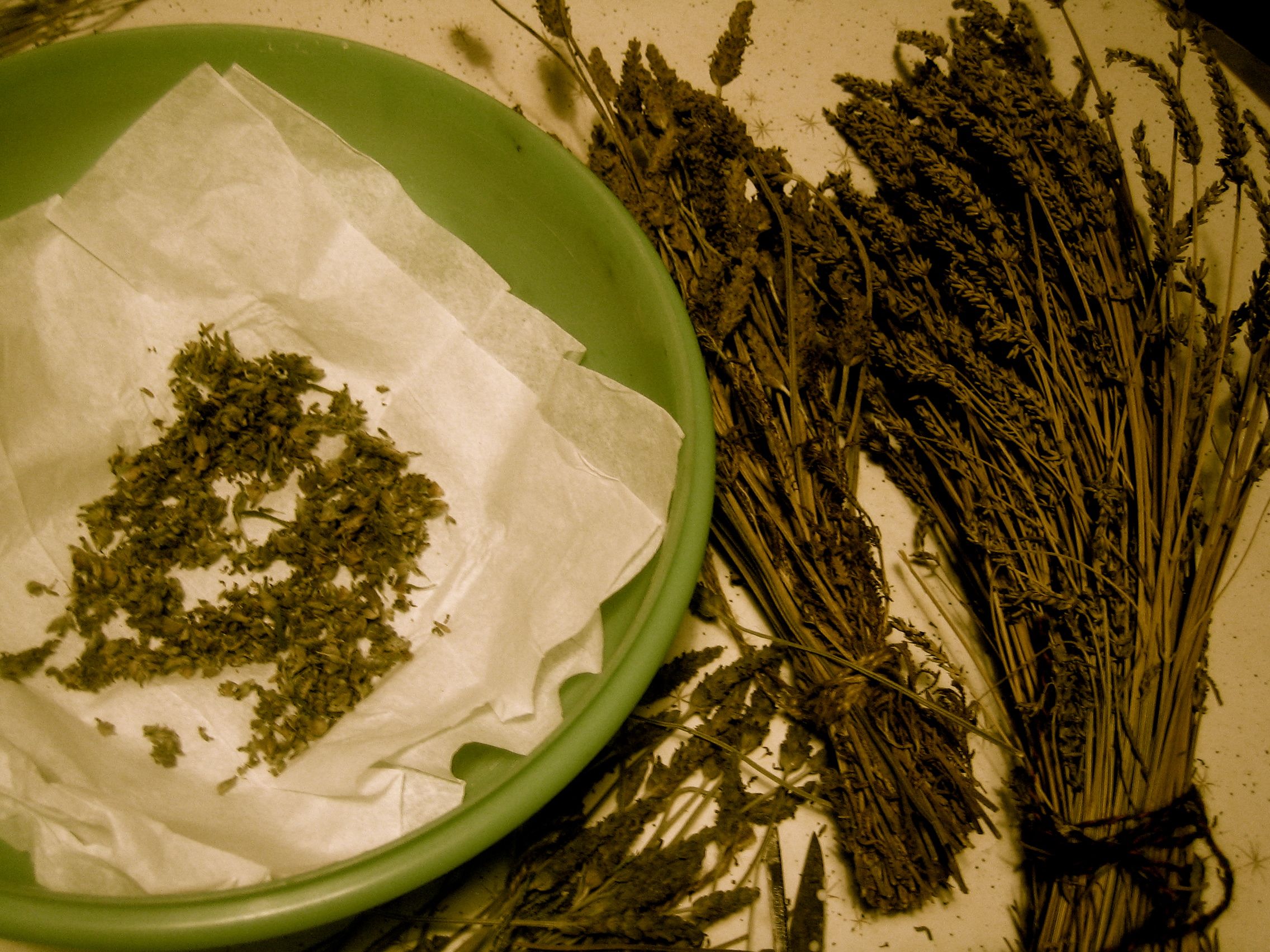
    Every time my lavender needs a prune, I tie up the prunings and hang them up in our porch to dry. Then, some months later when I have a spare hour, I pull the dried blooms off the stalks and add them to my lavender jar.

    My friend Melissa makes lovely lavender sachets with hand-printed linens. I think everything Melissa makes is beautiful.

    I like being thrifty and so I get a kick out of turning prunings into something useful. It’s a process that (to me) is lovely at every stage – the lavender is beautiful on the bush while it’s growing, it’s attractive hanging to dry on the porch, it looks nice in a jar and it will be delicious in a sachet – the heady scent of the blooms living on long after the stems have turned to compost.