Category: food

  • green bean serene

    Summer = season of green.

    Broad beans until we can’t face another broad bean.

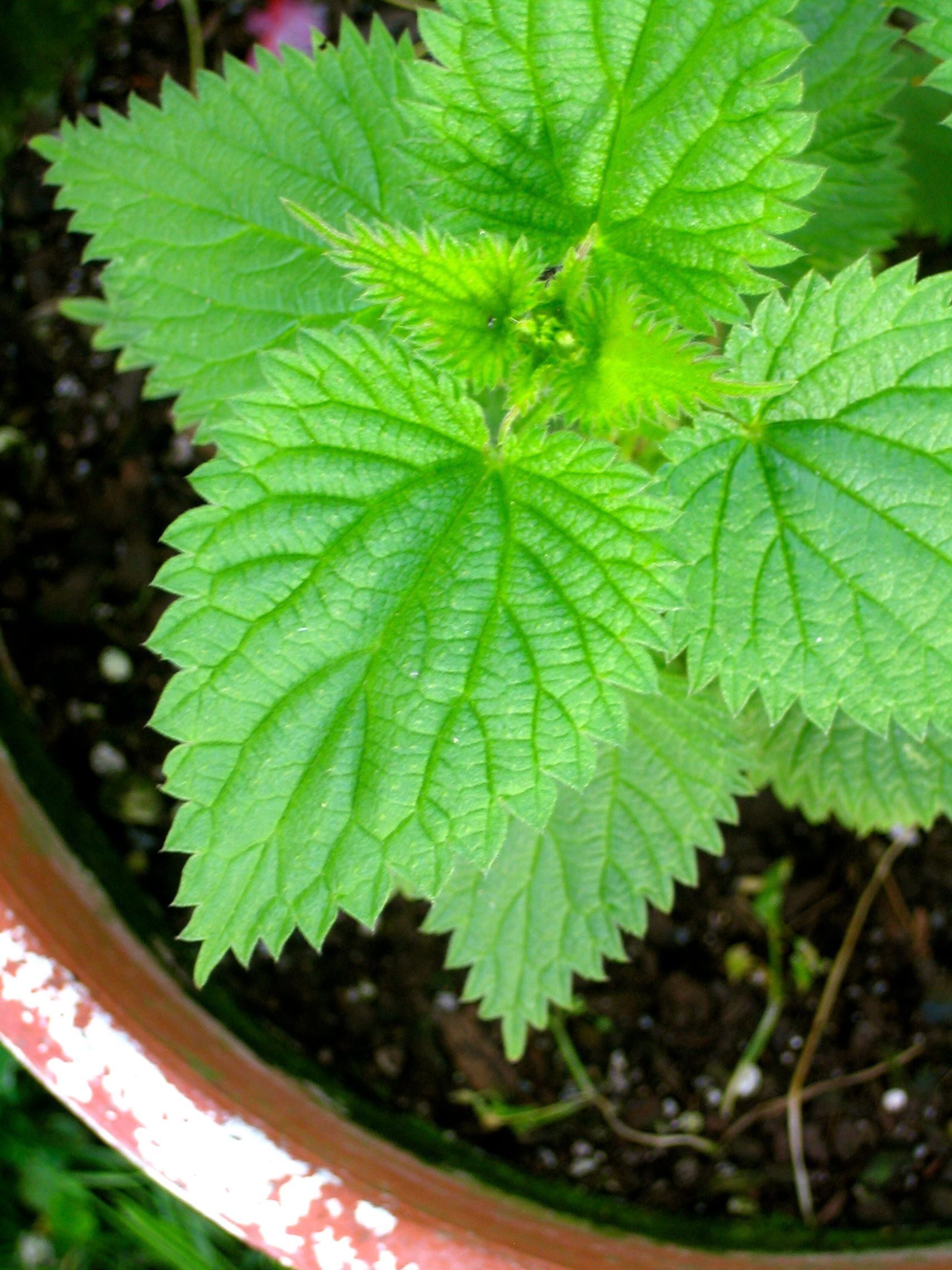
    I divided up my monster stinging nettle plant and now I have baby nettles thriving away. (Anyone local want a nettle plant?) Nettles are a wonder herb and are seriously good for you – very high in iron, it also builds healthy blood cells and clears chest congestion, among other things. It also tastes great in soup – very savoury and iron-rich tasting.

    Green polka dot sundress with my green roman sandals. Welcome in summer, you’ve been a long time coming this year!

  • The Comforter Cocktail

    The Comforter Cocktail

    We made this in a big punch bowl, but of course you can make it by the glass also.

    One part Blackcurrant Vodka

    Four parts soda water

    Enough rose-infused sugar syrup to make it pink and tasty. This is the stuff I used – it’s French, lovely and costs about $18 for a bottle at good bottle stores:

    Edible flowers – borage, calendula petals, rose petals, cornflowers, violas etc

    Ice

    Mix the wet ingredients, pour over ice, sprinkle edible flowers on top. Drink and feel comforted!

    This drink is pink, refreshing, tastes like summer and roses and good times.

  • unexciting gluts

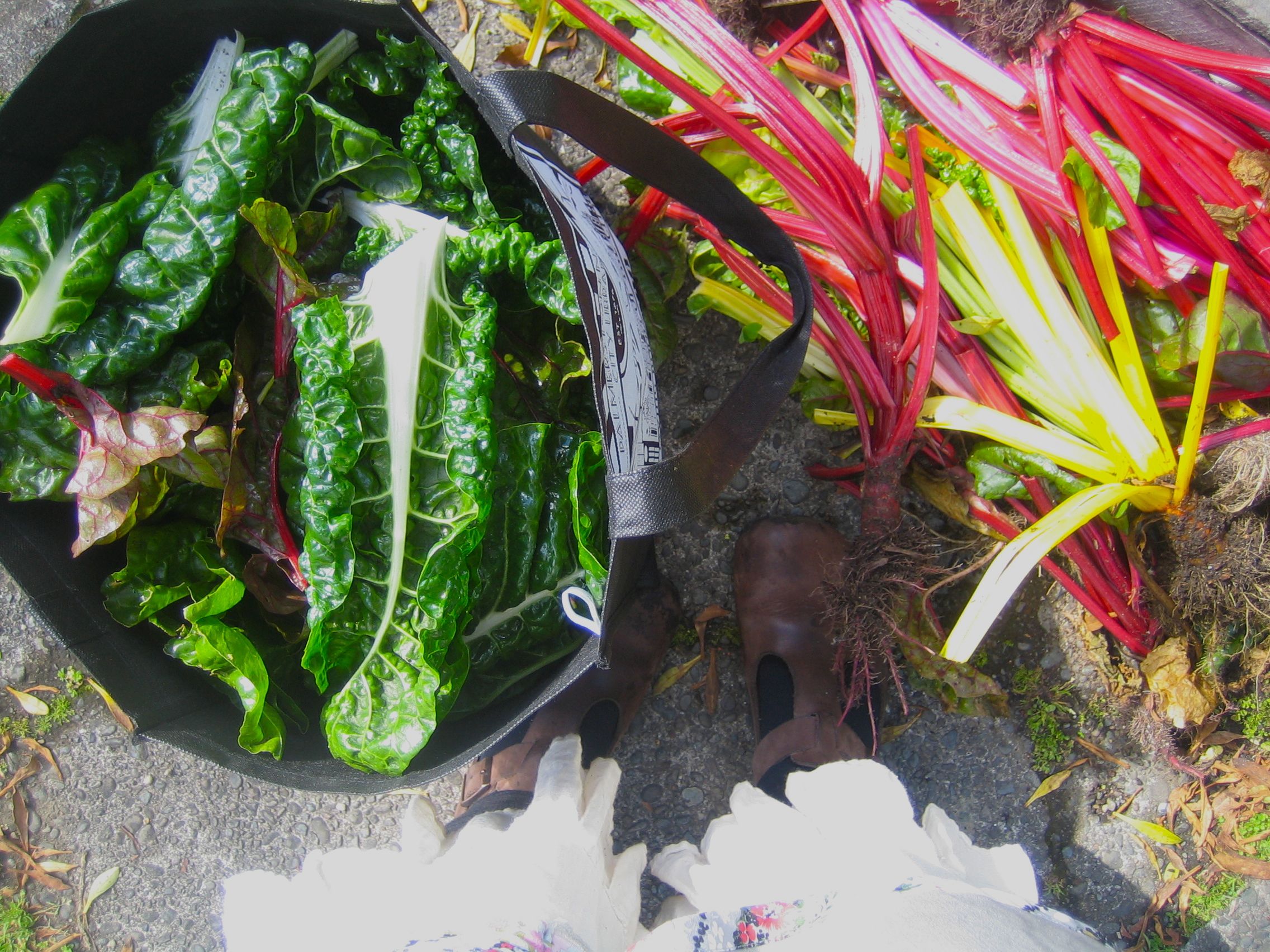
    Sometimes I end up with an unexciting glut in the garden. Recently it was silverbeet.

    A silverbeet glut is not like a tomato glut, or an apple glut – where your friends will get excited and happily take bagsful off your hands or you can make bulk delicious things like ketchup and apple sauce.

    I tried giving away some of my silverbeet and got either screwed-up faces or ‘No thanks, I’ve got lots of my own in the garden.’

    Poor old silverbeet.

    While it does freeze well – in the Manawatu I can grow silverbeet twelve months of the year, so I didn’t feel especially motivated to freeze what I know I will have on hand fresh. However, if you live somewhere with a snowy winter – there is an excellent photo-tutorial of how to prepare greens for freezing over on TEND BLOG HERE.

    I am, however, thrifty to the core and wasn’t going to let it go to waste – so I picked it all. It was a green supermarket bag absolutely chocka. Once cooked down, it was about twelve cups. That’s a lot of silverbeet.

    I love silverbeet, but it does have a strong iron flavour – so I thought, right, I’ll do something with it which will temper the iron flavour.

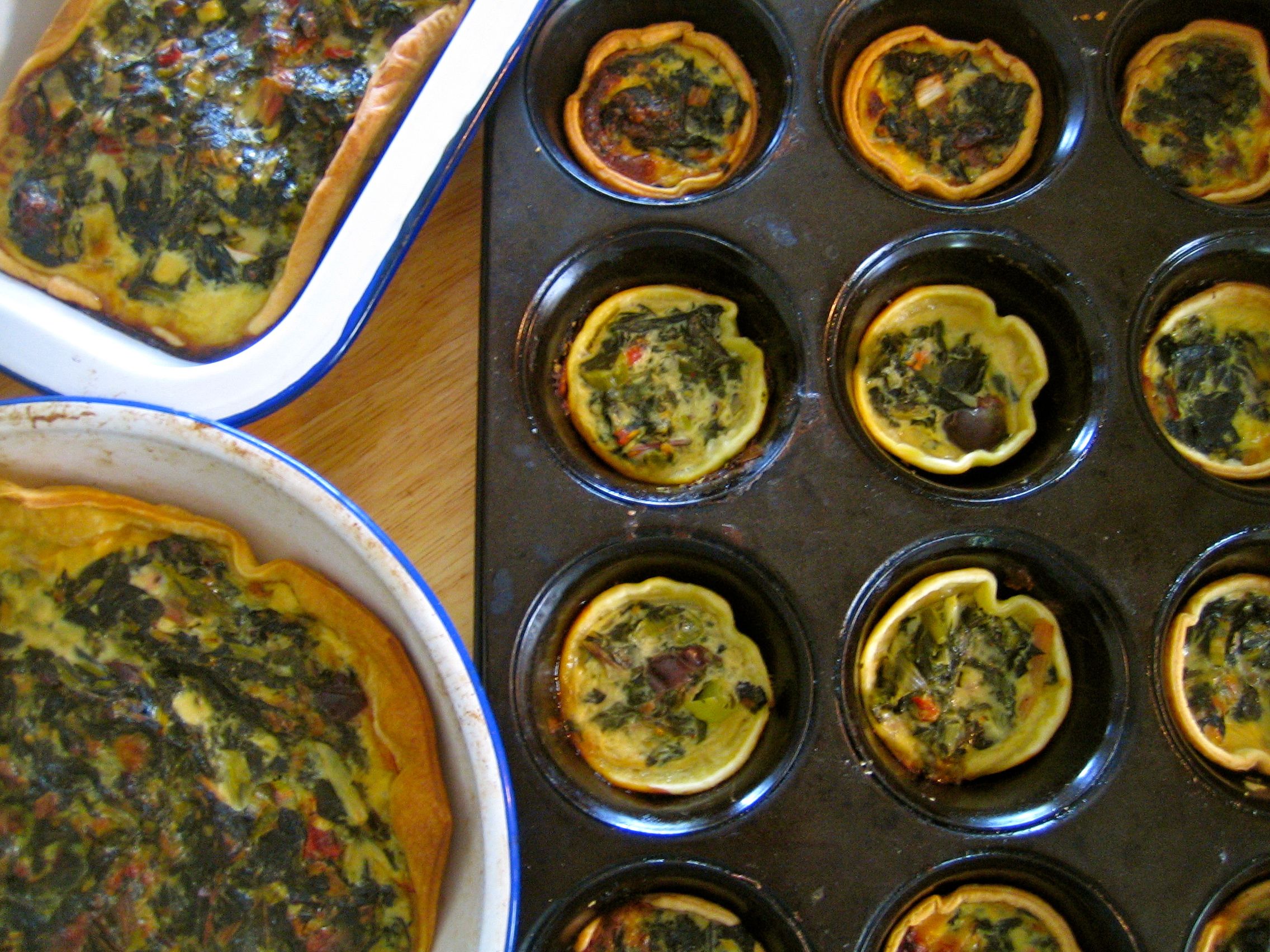
    I made a huge mixture of egg, strong cheese, fried onions, chopped olives and chopped sundried tomatoes – I figured the cheese and olives would be a good accompaniment to the strong flavour of the silverbeet. Then I made pies. And pies. And some more pies.

    I made four full sized pies and two dozen mini-pies. We ate one that day, and the rest I wrapped and  froze. The mini-pies have been great for taking to work for lunches.

    & that is the story of the great silverbeet glut of ’11.

  • peel the beet

    The garden is warming up to the point that some of the things which have been in it over the winter are starting to bolt.

    I harvested my beetroots the other day, as they’d been in there since autumn. Time to pick them to make room for some more exciting summer vegetable.

    Beetroots are great to have in the garden over winter because while they are growing you can pick the leaves off them and eat them as you would spinach. So by the time you come to harvest the roots, you’ve had months of greens off them as well – making them a very generous plant.

    People think beetroot is messy to prepare, but I’ve worked out that by doing it the following way – there is not a stain anywhere. Not even on my hands.

    Ignore all the recipe books which tell you that they are too hard to peel raw and that you should cook then peel. Cooking then peeling = MESS! & They are no harder to peel raw than a potato.

    Of course you don’t have to cook them – you can eat them raw, but I prefer them cooked as I’m not a huge fan of their uncooked dirt-like flavour.

    Helen’s No-Stain No-fuss Beetroot Preparation Method

    1. Fill the sink with warm water.

    2. Chop the leaves off the beetroots. Keep the tender leaves for eating, (leaves not in this recipe, put them in your fridge and eat them later!) discard the rougher ones.

    3. Throw the beetroots into the warm water. Using a potato peeler, peel the beetroots UNDER THE WATER. Check it out! No stains on your hands. Awesome.

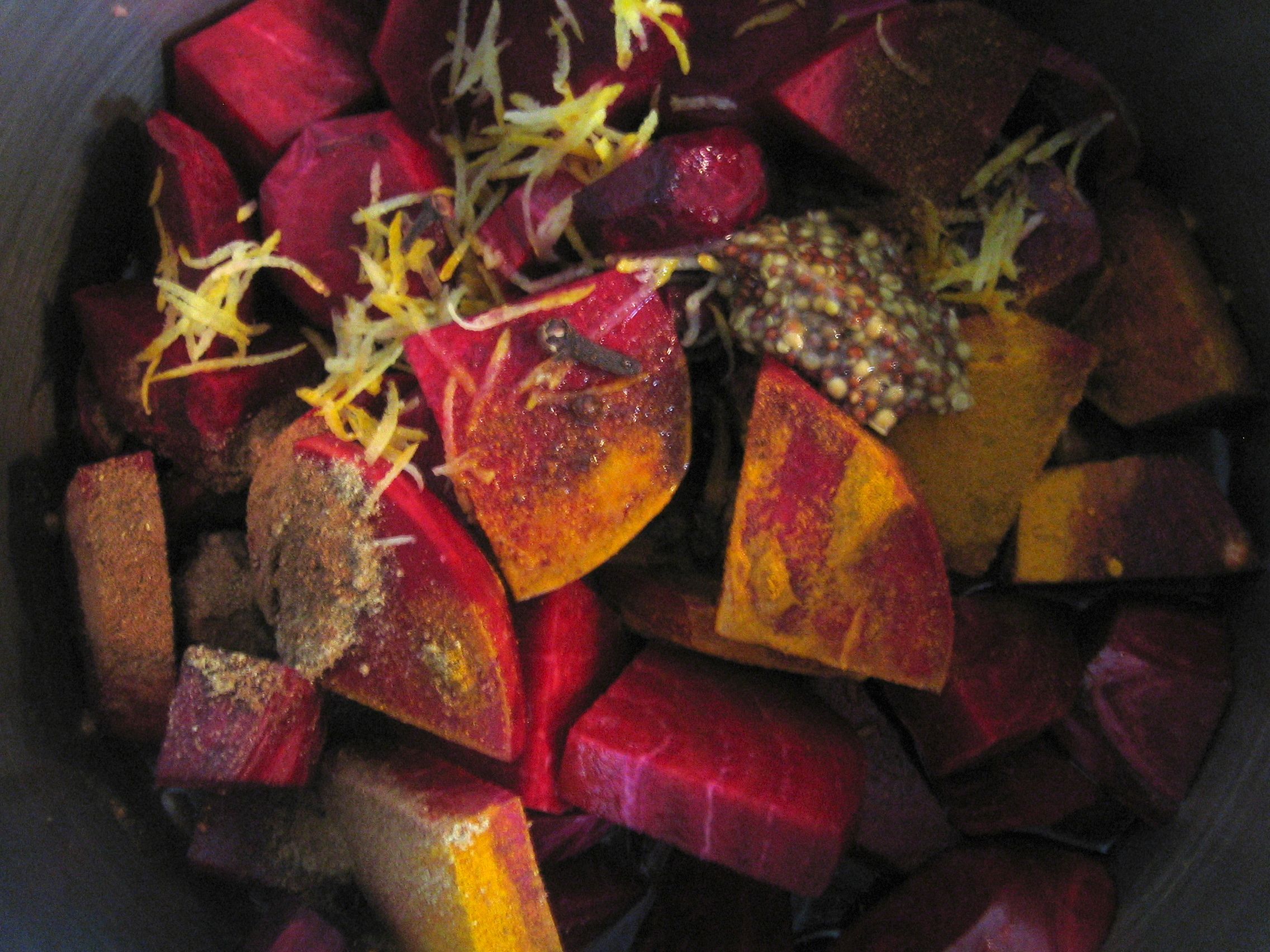
    4. Cut the wet beetroots into appealing chunks. Throw into a pot.

    5. Fill the pot with 1/3 vinegar (I use white or cider), 2/3rds water, a teaspoon of salt and the spices of your choice. Because the beetroot is so plain and earthy tasting, I like to use strong flavours like a bit of curry powder, lemon zest, cloves and wholeseed mustard.

    6. Boil until the beetroots are just tender. Cool. Eat! They are great added to salads, sandwiches or just as a side-dish by themselves.

    (Because they are cooked in vinegar, what you don’t eat right away can be stored in the fridge in a container with a lid and will last a couple of weeks.)

    & Super-thrifty tip: when you have finished eating your beetroots, the juice can be used as a natural dye for cotton or wool or a food-colouring replacement for baking (you only need a drop or two, so the vinegar-taste won’t appear in your baking.)

    So there you go – that’s what I do with my beetroot! How do you like to eat beets?

    …& the beet goes on…(groan)…

  • colour in the winter vegetable garden

    I know it is spring now – but in terms of the vegetable garden, most of what is in there is still wintery-fare.

    Where I live, what I can grow in the winter is mostly green things: silverbeet, leeks, spinach, spring onions, brassicas, herbs. I’m grateful to live somewhere where it is possible to grow food all year around, but all the same, by the end of winter – I get a little tired of just greens and look forward to the colours of the summer garden: chillies, tomatoes, nasturtium flowers, the bright red flowers of scarlet runner beans…

    In winter, I have to sneak a bit of colour into the garden – just to cheer me up. This is how I do it:

    Choosing rainbow silverbeet – the stalks are wonderful candy colours – bright pink, orange, yellow.

    & Growing marigolds as companion plants. I know some people think they are tacky – but I love the colour they bring to an otherwise pretty dark winter garden.

    Harvesting greens in my op-shopped bright red colander.

    & Growing radishes – their hot pink pop can really liven up yet another green salad. Also, they grow from seed to plate in about three weeks. The closest thing you can get to instant gratification in a vegetable garden. These ones are ‘French Breakfast’ – which I grow because they are much sweeter and milder than other varieties, so more child-friendly.

    I saw on an Anthony Bourdain Food show that in France people smear these with butter as part of a breakfast meal. I tried it and found it to be kind of gross, to be honest. I think I’ll stick to chopping them up and chucking them in a salad. The French love to put butter on everything, don’t they?

    Have you got any other ideas about adding colour to a winter vegetable garden?

  • travel in a tin

    Often when I mooch around a deli it is the food packaging that catches my eye more than the contents.

    Chillies from Mexico…

    Smoked paprika from Spain…

    Plain old tinned tomatoes from Italy…but somehow the Italians manage to make a quotidian product look appealing. Those bold, shiny tomatoes against that black background. Whoar!

    (Although this is obviously their export packaging because the text is in English.)

    I like the packaging so much…I’m loathe to eat the contents because I like having the tins on my shelf…cheering me up with their hints of hot, exotic locations and a life less ordinary.

  • teaching your mother to suck oranges

    I was sitting across from Magnus watching him eat his dessert which was, that night, two cut-up oranges.

    Magnus was really eating those oranges. He was so present in his enjoyment – he was sucking every drop of juice and had the fixed stare of someone experiencing great sensory pleasure.

    I love that about children. They are great teachers in being fully present in the moment.

    Watching Magnus eat an orange made me want to eat an orange, so I did. It was delicious. We sucked oranges companionably for a good ten minutes.

    Messy fruit offers a particular pleasure, I think. Sensual and fun, all at once. It also demands presence of mind. You can’t suck oranges and read. You can’t chew out a mango and talk on the phone.

    Messy fruit as zen practice? Why not.

    At least we are free to suck oranges in public…unlike in this quotation about oranges in Cranford, by Elizabeth Gaskell:

    “When oranges came in, a curious proceeding was gone through. Miss Jenkyns did not like to cut the fruit, for, as she observed, the juice all ran out nobody knew where, sucking [only I think she used some more recondite word] was in fact the only way of enjoying oranges; but then there was the unpleasant association with a ceremony frequently gone through by little babies; and so, after dessert, in orange season, Miss Jenkyns and Miss Matty used to rise up, possess themselves each of an orange in silence, and withdraw to the privacy of their own rooms to indulge in sucking oranges.”